




Dates & Prices |
BOOK NOW |
Dates: 7th – 14th June 2027 Confirmed departure
Price: £2,495* 5 places
Single Room Supplement: £295
Deposit: £250 per person
Price Includes: Accommodation, all meals, ground transport, services of guides, entry fees, tour report & a donation to Butterfly Conservation Europe
Not Included: International & internal flights, travel insurance, drinks & other personal items
Conservation Donation: Butterfly Conservation Europe
Leader(s): Ben Greenaway, with Yasemin Konuralp & a local butterfly expert
Group Size: Minimum of 6 and a maximum of 12 guests plus 3 leaders
Grade: The trip is in remote, rugged mountains and requires a moderate level of fitness in order to see all the amazing butterflies. Although many days are easy walking down rough tracks and roads, where butterflies are seen easily along the edges, there are some steep and rough areas in the mountains.
Holiday Highlights
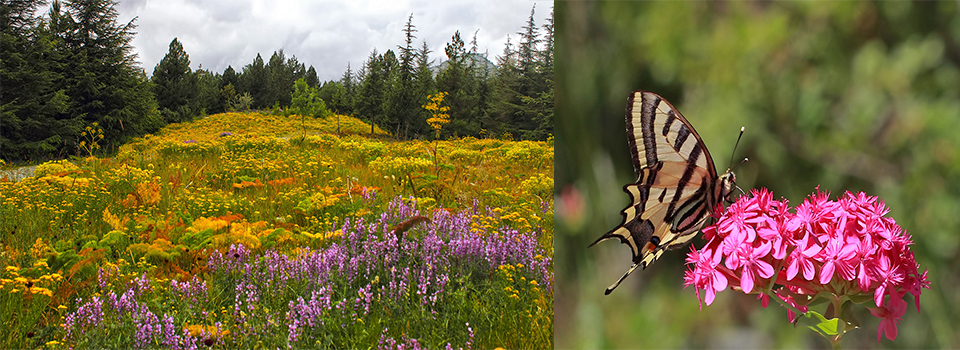
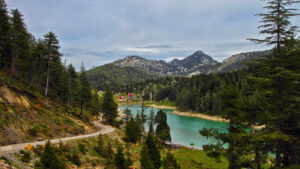
- Stunning landscapes of imposing mountains, alpine & subalpine meadows, woodland, rivers & Mediterranean habitats – home to an extraordinary diversity of flowers, insects and other wildlife!
- 180+ butterfly species have been recorded in the region & we should see around 130 on our visit
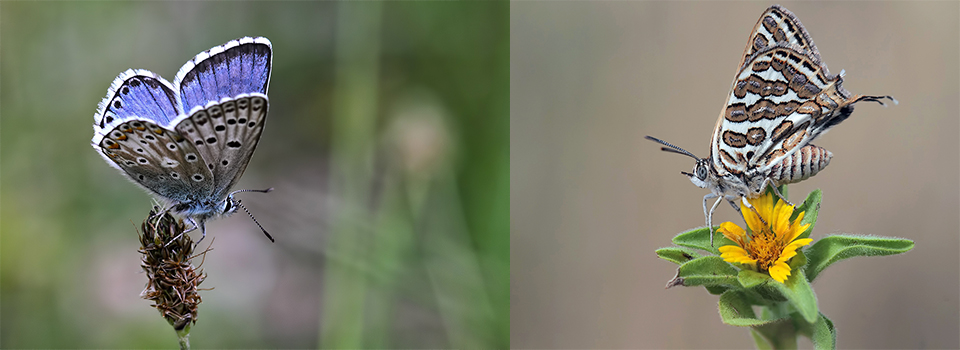
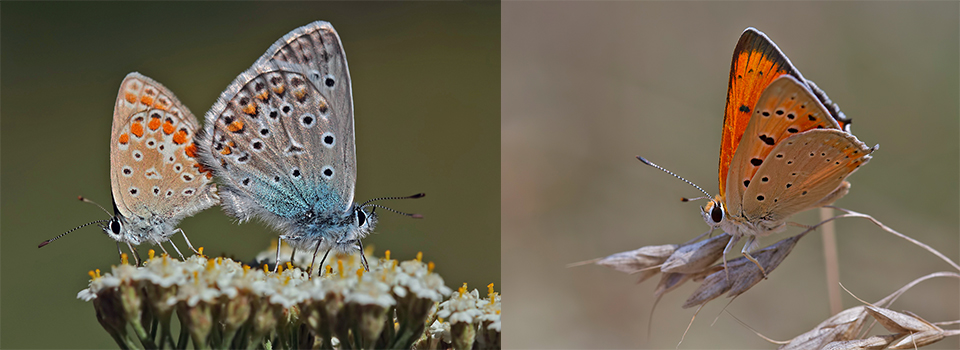
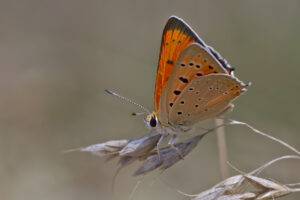
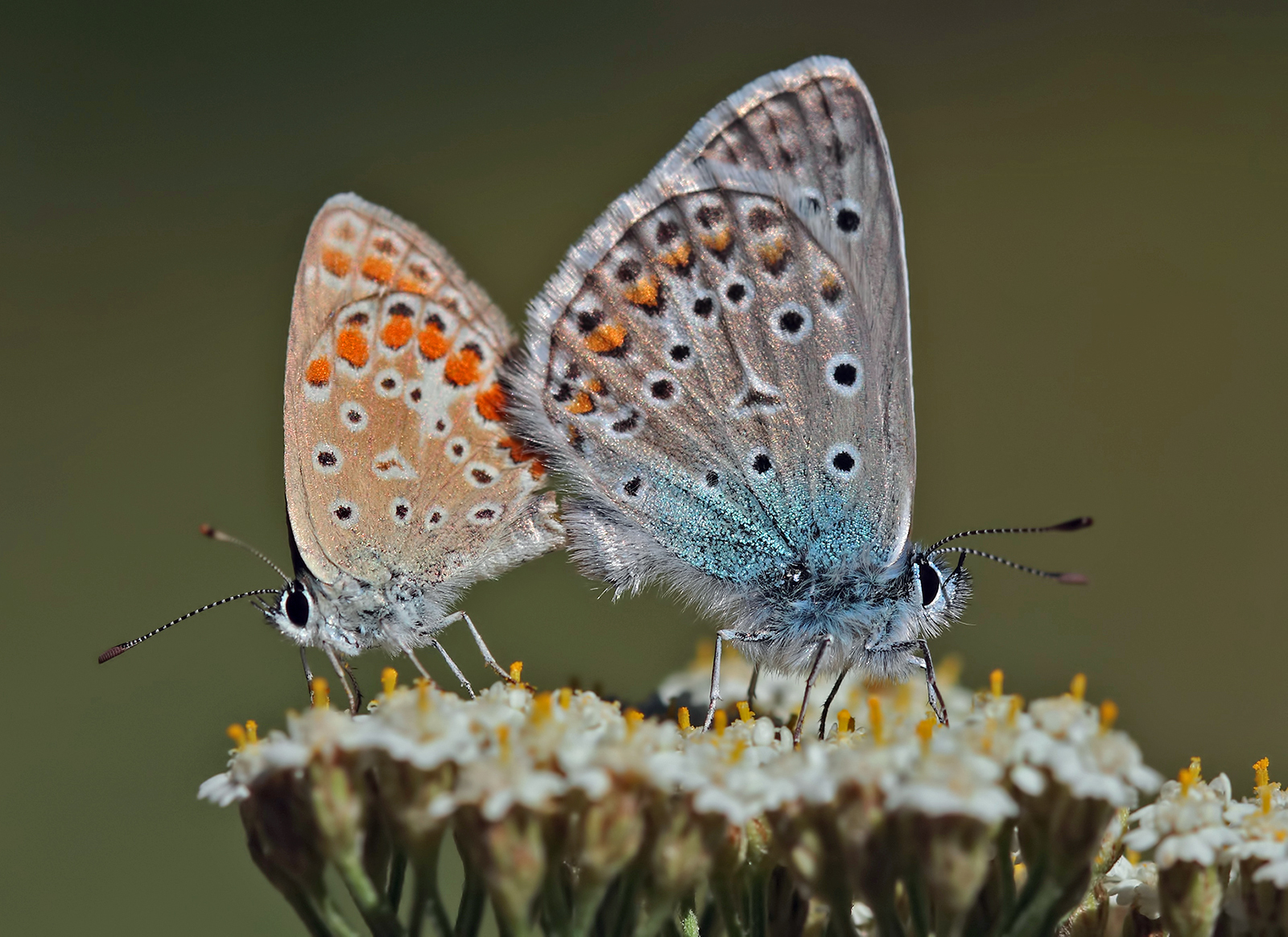
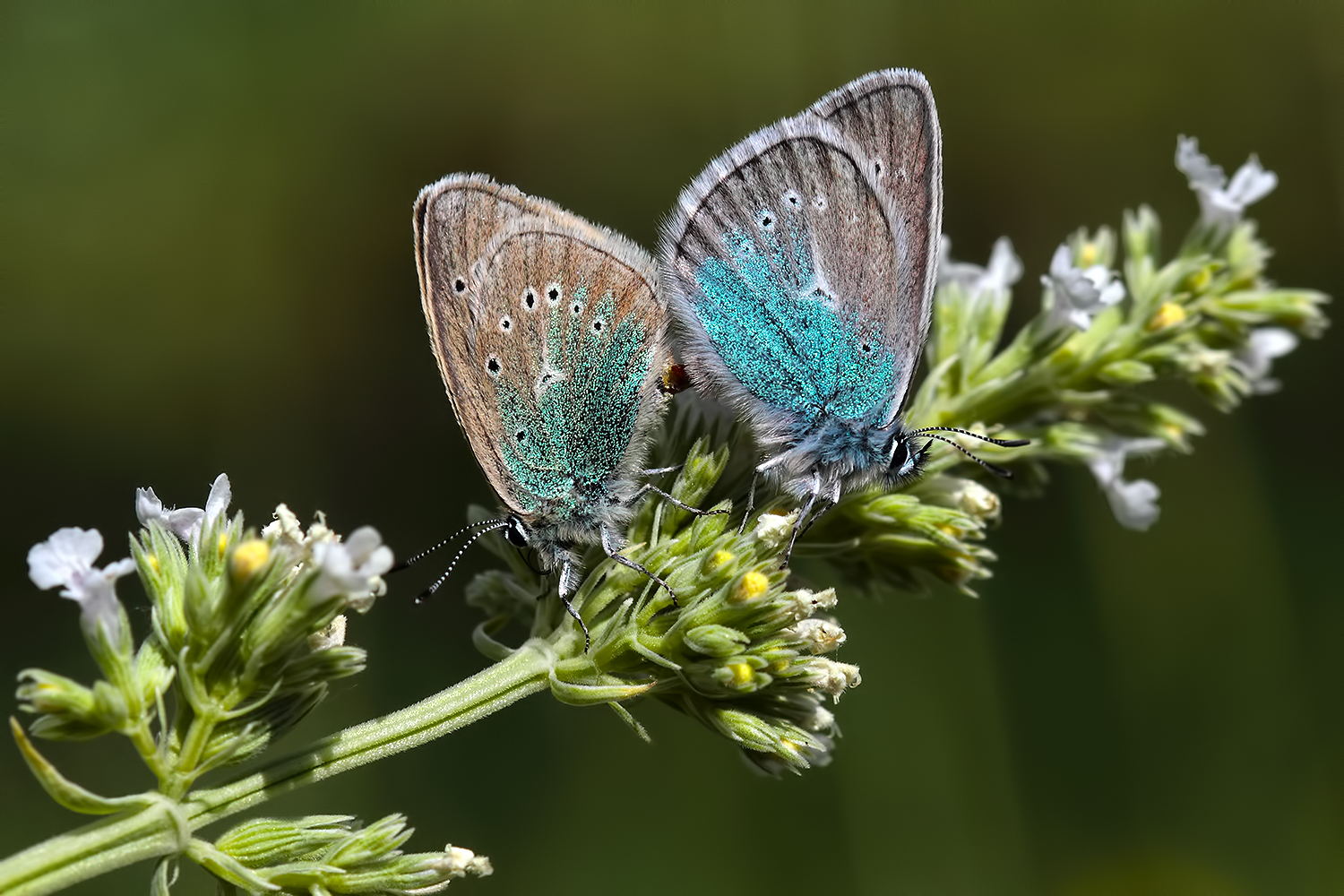
- Some special local butterflies such as Syrian Levantine Blue, Bolland’s Blue, Lebanase Silver-line, Anatolian Fiery Copper, Turkish Fiery Copper, Fiery Copper, Anatolian Odd-spot Blue, Little Tiger Blue, Bavius Blue, Taurus Blue, Large Jewel Blue, Ali Bali Blue, Poseidon Blue, Two-tailed Pasha, Southern Swallowtail, Eastern Steppe Festoon, African Ringlet, and many more!
- We’re visiting a relatively unexplored area so there is a genuine possibility of making new discoveries on this tour too!
- Rich flora with an impressive range of endemics
- Relaxed pace ideally suited to photography & full enjoyment of the wildlife & scenery
- Contribute to Butterfly Conservation Europe
An exciting and unique tour to the Amanos Mountains in southern Turkey, a fairy-tale land blessed with thick forests & rich biodiversity!
A brand new butterfly tour with an impressive range of interesting & local species! We’re excited to offer an opportunity to travel to The Amanos Mountains in the Hatay Province of Turkey to discover the wonderful range of butterflies, flora, and birds that can be found. The Amanos or‘Nur Dağları’ in Turkish, means “Mountains of Holy Light”. The range is around 100 miles (200 kilometres) in length. It divides the coastal region of Cilicia from Antioch and inland Syria, making a natural border between Asia Minor (Anatolia) in the southeast region and the rest of Southwest Asia. Its highest peak is Bozdağ Dağı. A major pass through the mountains known as the Belen Pass (Syrian Gates) is located near the town of Belen, and another pass known as the Amanic Gates (Bahçe Pass) lies farther north. We will be exploring the southern section of ‘The Anatolian Diagonal’, a theoretical boundary running across central and eastern Turkey, from the northeastern Mediterranean to the southeastern Black Sea, intersecting the upper Euphrates. Proposed in 1971 by British botanist Peter Hadland Davis, it highlights a striking division in plant distribution. Of 550 species studied, 135 occurred only to the east and 228 only to the west. Though not linked to physical or climatic barriers, this diagonal hosts about 400 unique, endemic plant species. Rich in flora and fauna, the Amanos Mountains offer an exceptional diversity within a relatively small area, thanks to the variety of habitats and climatic conditions. Compared to other regions in Turkey, this area stands out for its remarkable biodiversity. Framed by the rugged slopes of the Taurus Mountains and enriched by the life-giving waters of its rivers and wetlands, the surroundings of Osmaniye are a treasure trove of natural beauty. The mountains here rise in graceful layers, clothed in pure and mixed forests that shift from fragrant pines and sturdy oaks to lush, flower-filled clearings. In spring and early summer, these highlands burst into colour with wildflowers and endemic plants, drawing botanists and nature lovers alike. The wetlands and riverbanks — from the serene Ceyhan River to hidden mountain streams — form thriving ecosystems where dragonflies dart over the water’s surface and orchids bloom in secret corners. This mosaic of habitats supports an impressive butterfly diversity, from the delicate Swallowtails gliding over meadows to the brilliant blues of Polyommatus species shimmering under the sun. Our exploration will cover a range of habitats, from lakesides and dry scrub to woodlands and alpine meadows. Roughly 183 butterfly species have been recorded throughout the season in this region. With access to a wide range of sites, we expect to record around 125-130 species during our tour, including several highly desirable target species. The butterflies in this area present a mouthwatering prospect, especially for those more used to the European palette. For fans of the blues and coppers especially, there promises to be a veritable feast for the eyes! A sample of special species includes Syrian Levantine Blue, Bolland’s Blue, Lebanase Silver-line, Anatolian Fiery Copper, Turkish Fiery Copper, Fiery Copper, Anatolian Odd-spot Blue, Little Tiger Blue, Bavius Blue, Taurus Blue, Large Jewel Blue, Ali Bali Blue, Poseidon Blue, Two-tailed Pasha, Southern Swallowtail, Eastern Steppe Festoon, African Ringlet, and many more! Over the years, we have discovered both new butterfly and plant species in this region. This tour is especially valuable because it will enable us to do more monitoring during a week-long stay with a group of many keen eyes. Thus we can maximise the number of species we encounter, and—most exciting of all—offer the possibility of discovering new species! Our journey will centre around exploring the butterfly species found near our main tour base, Osmaniye. Known as “the city of castles,” Osmaniye is a charming Mediterranean town where East meets West. Its unique mix of warm coastal climate and cool mountain air creates an ideal habitat for diverse flora and fauna. This natural richness makes Osmaniye a perfect spot for butterfly enthusiasts and nature lovers, offering endless opportunities for discovery and exploration! *Please note that due to potential cost increases by some of our suppliers (which won’t be confirmed until Nov-Dec 2026) we may need to make a price adjustment. This will be published here and given direct to any clients booked on the tour. Please feel free to contact us if you have any questions about this. We hope to welcome you on what will be a truly memorable tour! 


DAY 1: ARRIVAL
Meet at Çukurova and transfer to the town of Tarsus. Orientation meeting and dinner
Overnight in Tarsus.
DAY 2: AKYATAN BIRD PARADISE –TOPRAKKALE
After breakfast, we will check out from the hotel and head to the Tuzla and Akyatan lagoons ‘Bird Paradise’ one of Turkey’s most important wetlands for waterbirds, approximately 1.5 hours away. Throughout the day, we will focus on birdwatching and butterfly observation.
Tuzla and Akyatan are home to numerous water birds and host flocks of flamingos. The Akyatan Lagoon is significant for its 22 km stretch of beach and its role as a habitat for endangered turtles such as Chelonia mydas and Caretta caretta.
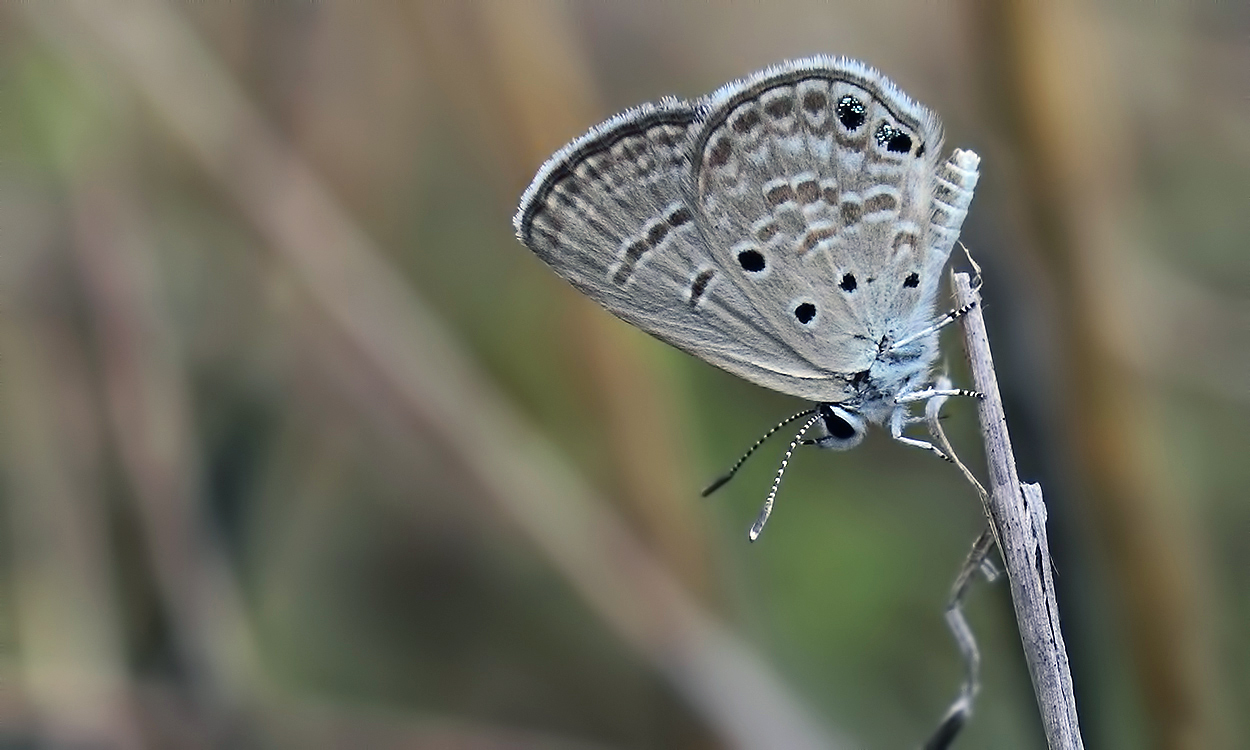
In both areas, we may spot a variety of butterflies, including the Plain Tiger (Danaus chrysippus), Dark Grass blue (Zizeeria karsandra), Lang’s Short-tailed Blue (Leptotes pirithous), and African Babul Blue (Azanus jesous), among others.
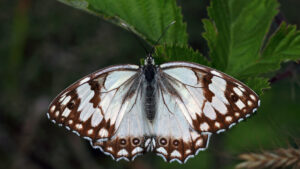
We will conduct butterfly observation in a volcanic area characterized by dry habitat with associated shrubs and other plants. Our focus will be on butterflies found in limited areas within Turkey. These include species such as the Mediterranean Marble White (Melanargia titea), which features round and striped patterns on a white background; the Arabian Leopard (Cigaritis acamas), adorned with black stripes and silver interiors on a sand-colored base; and the African Ringlet (Ypthima asterope), known for its prominent eye-shaped pattern on a brown background and commonly found in most dry areas of Africa and Asia.
Overnight in Osmaniye.
DAY 3: TURNA REGION
Today we head to Mt. Turna, located north of Osmaniye and part of the vast Taurus Mountains. In this region, dense forests, plateaus, and high-altitude areas are prevalent, featuring tree species such as pine, cedar, and oak, which contribute to a rich variety of flora and fauna.
We will spend the morning at lower altitudes, observing the area’s wildlife before enjoying a picnic by a natural spring. In the afternoon, we will ascend to elevations of 1,600–1,700 meters to photograph butterflies that gather around the mudflats near the ponds. Notable butterflies include the Syrian Levantine Blue (Polyommatus syriacus), Small Blue (Cupido minimus), Osiris Blue (Cupido osiris), Silver-studded Blue (Plebejus argus), and Idas Blue (Plebejus idas).
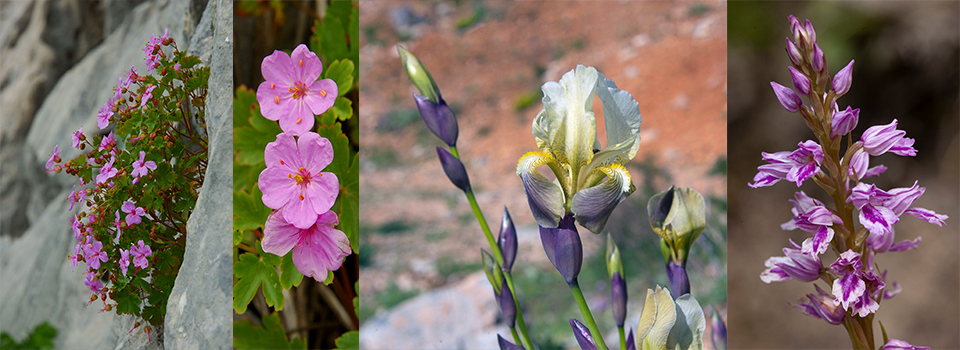
In addition to the diverse butterfly life, we may observe various hawks, falcons, woodpeckers, and a variety of small forest songbirds. The local flora, including Geranium glaberrimum, Verbascum phoeniceum, Iris junonia, and Asphodeline taurica, will also add some vibrant colour to our day.
A visit to the Fagus orientalis seed production centre in the area should be an interesting addition to our trip. This region is known for its unique species, distinct from those found in the Amanos Mountains, and includes an Eastern beech (Fagus orientalis Lipsky) seed production centre. Fagus orientalis, one of the primary tree species in Turkey’s forests, is mainly distributed in the northern regions, but isolated, relict populations can be found in the southeastern part of the country. This site hosts one of the seed production centers established for the genetic regeneration of these valuable beech forests in Southern Anatolia, rejuvenating them from seeds.
Overnight in Osmaniye.
DAY 4: MOUNT DÜLDÜL
Mount Düldül, the highest peak of the Amanos Mountains, rises to an impressive altitude of 2448 metres. The mountain is predominantly covered by forests of Abies cilicica and Fagus orientalis, resembling a miniature version of the majestic Taurus Mountains.
The alpine zone begins at around 1400 metres, and herders with small livestock set up their tents at 1800 metres. As we explore this stunning landscape, we will encounter high-altitude plant species such as Arenaria kotschyana, Asyneuma eximium, Cruciata mixta, and Asphodeline globifera. Surrounding us will be birds of prey like the northern goshawk, hawks, kestrels, swifts, and various small forest songbirds.
In terms of butterflies, we can expect to see species such as the Syrian Levantine Blue (Polyommatus syriacus), Adonis Blue (Polyommatus bellargus), Small Anatolian Blue (Polyommatus cornelius), and the striking Meleager’s Blue (Polyommatus daphnis). The rich combination of flora and fauna makes this region a truly remarkable destination for nature enthusiasts.
Overnight in Osmaniye.
DAY 5: MOUNT KELDAZ
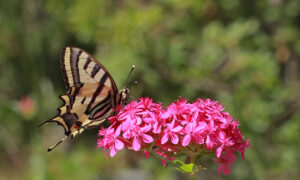
Today, we plan to head towards Mount Keldaz, which rises to an altitude of 1900 meters, making several stops along the way. Our target species is Polyommatus bollandi, but in addition to this, we are likely to encounter various other interesting butterflies, including the Anatolian Fiery Copper (Lycaena asabinus), Nakhchivan Hairstreak (Callophrys danchenkoi), Southern Swallowtail (Papilio alexanor), and Libanian Blue (Aricia bassoni).
As we traverse areas dominated by pine, cedar, and fir trees, we may hear woodpecker species, the Anatolian nuthatch, and various small forest songbirds. In the alpine meadows at 1900 meters, we will take a few kilometres of refreshing walks in the clean, oxygen-rich air, observing butterflies as well as a good variety of orchids, such as Limodorum abortivum, Cephalanthera kotschyana, Cephalanthera rubra, Dactylorhiza iberica, Dactylorhiza osmanica, Neottia nidus-avis, Orchis laxiflora, Orchis mascula, and Platanthera holmboei.
We will also have the opportunity to observe some unique plant species, including Alkanna amana, Myopordon thiebautii, Centaurea antitauri, and the endemic Thurya capitata.
Overnight in Osmaniye.
DAY 6: CEYHAN RIVER – KASTABALA ANTİQUE CİTY
The unique combination of habitats around the Ceyhan River offers a rich and rewarding experience for observing both birdlife and butterflies. As we move through the vast, arid plains and along the grassy riverbanks, we will have excellent opportunities to observe a wide range of songbirds and lowland butterflies.
Among the butterfly species we may encounter are the Grass Jewel (Chilades trochylus), Plain Tiger (Danaus chrysippus), Dark Grass Blue (Zizeeria karsandra), Small Desert Blue (Chilades galba), Pigmy Skipper (Gegenes pumilio), Millet Skipper (Pelopidas thrax), Mediterranean Skipper (Gegenes nostrodamus), Lang’s Short-tailed Blue (Leptotes pirithous), and the striking Two-tailed Pasha (Charaxes jasius).
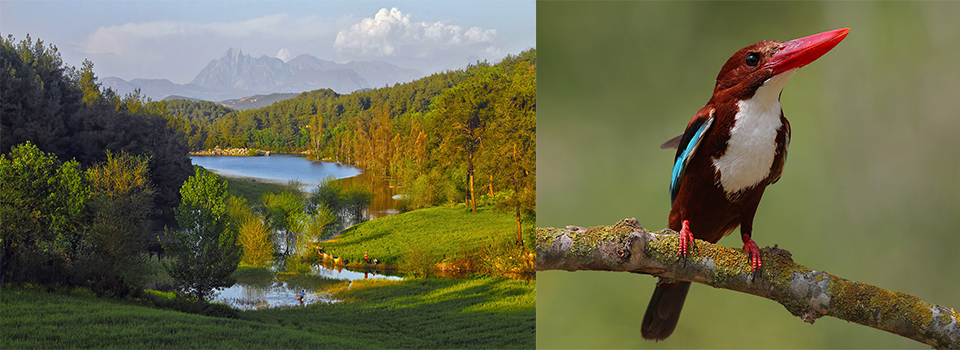
Some water birds will be around, such as Little Egret (Egretta garzetta), Black-crowned Night-heron (Nycticorax nycticorax), White-throated Kingfisher (Halcyon smyrnensis), and Spur-winged Lapwing (Vanellus spinosus).
We will also allow some time to explore Kastabala antique city and then we’ll drive north, to the town of Niğde close to Aladağlar National Park.
Overnight in Osmaniye.
DAY 7: MARAŞ-ANDIRIN
Today we head to Andırın, which located in the southwestern part of Kahramanmaraş, bordering Osmaniye and nestled against the fertile foothills of the Taurus Mountains. The the district of Andırın is a true paradise for nature lovers, with its rich forests, crystal-clear streams, and exceptional biodiversity. Situated at the junction of the Mediterranean and continental climates, the area offers extraordinary diversity in both flora and fauna.
The region’s numerous streams — particularly the Andırın River and its tributaries — carry fresh, cool waters through the valleys year-round. The wetlands and riparian plant communities along these waterways provide vital habitats for a wide range of butterflies and bird species. In this beautiful location, many remarkable butterflies can be observed, and our key targets will include Glaucopsyche alexis, Melanargia larissa, Polyommatus crassipunctus, and, if we are lucky, the newly described Polyommatus alibalii.
Overnight in Osmaniye.
DAY 8: DEPARTURE
After breakfast, transfer to Çukurova Airport in Tarsus for departure.



To follow
To follow