




Dates & Prices |
BOOK NOW |
Dates: 18th – 25th June 2027 Confirmed departure
Price: £1,595 5 places
Single Room Supplement: £0
Deposit: £150 per person
Price Includes: All meals, accommodation with private facilities, ground transport, services of guides, holiday report, donation to Butterfly Conservation
Not Included: Flights, travel insurance, drinks & any other personal items
Conservation Donation: Butterfly Conservation Europe
Leader: Sotiris Alexiou (second leader for group >6)
Group Size: Minimum of 3 and a maximum of 12 guests plus 1-2 leaders
Grade: Gentle pace in a variety of terrains. Ideally suited to photography
Holiday Highlights
- Explore two of Greece’s finest butterfly mountains, Mount Parnassos and Mount Chelmos, with contrasting habitats and a wealth of special species.
- Discover an exceptional variety of butterflies, with around 80–100 species regularly recorded during the week.
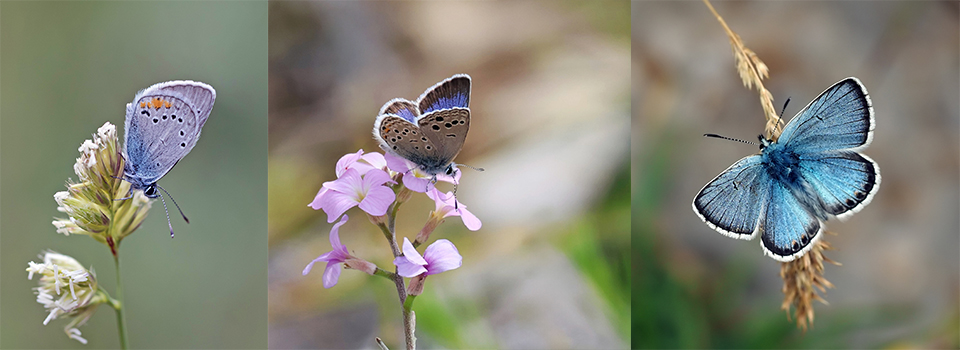
- Search for local specialities including Odd-spot Blue, Pontic Blue, Balkan Zephyr Blue and Grecian Anomalous Blue, plus the elusive Chelmos Blue.
- Enjoy other spectacular butterflies, from Two-tailed Pasha and Clouded Apollo to Greek Clouded Yellow and Europe’s smallest butterfly, the Grass Jewel.
- Explore with Greek naturalist Sotiris Alexiou, whose local knowledge and family connections bring a personal perspective to the landscapes and wildlife.
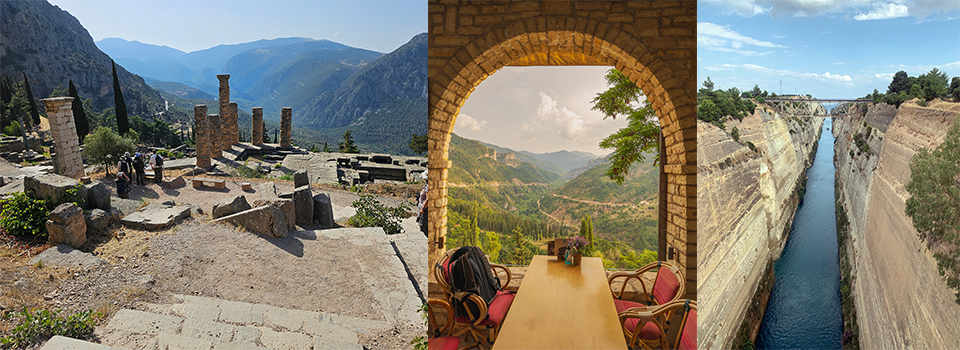
- Wander among the ancient monuments of Delphi, where butterflies, tortoises and Rock Nuthatches share this remarkable World Heritage Site.
- Settle into two welcoming bases, with three nights in Delphi and four in Kalavryta, enjoying mountain views, local food and Greek hospitality.
Discover two of Greece’s most celebrated butterfly mountains on a small-group butterfly holiday in southern Greece. Explore Mount Parnassos from Delphi before continuing to Kalavryta and Mount Chelmos in the Peloponnese, enjoying flower-rich meadows, mountain wildlife and Greek hospitality along the way. Since launching this tour in 2013, we have continually refined our itinerary and developed our knowledge of its special places. Our guide, Sotiris Alexiou, brings a deep understanding of the region’s wildlife and a personal connection with the countryside around Chelmos, where his family’s village lies. We begin with three nights in Delphi, exploring Mount Parnassos and its remarkable archaeological neighbour, before crossing into the Peloponnese for four nights in Kalavryta. With just two bases, there is time to settle in, enjoy the local food and explore each area in depth. The combination of two mountain areas, different elevations and contrasting habitats gives this holiday its particular appeal. We regularly record around 80–100 butterfly species over the week, although the emphasis is on enjoying the encounters and learning about the wildlife we find. Among the species we hope to see are Two-tailed Pasha (Charaxes jasius), Odd-spot Blue (Turanana endymion), Pontic Blue (Neolysandra coelestina), Balkan Zephyr Blue (Kretania sephirus), Greek Mazarine Blue (Cyaniris semiargus helena), Greek Clouded Yellow (Colias aurorina), Clouded Apollo (Parnassius mnemosyne), Grecian Anomalous Blue (Polyommatus aroaniensis) and Grecian Copper (Lycaena ottomanus). We’ll also search for the aptly named Chelmos Blue (Polyommatus iphigenia). Within Europe, this elusive species is found only on Mount Chelmos, at the western edge of a distribution extending into Türkiye and the Caucasus. It has become difficult to find in recent years, but we’ll explore suitable habitat and give ourselves the best opportunities. Southern White Admiral, Amanda’s Blue, Turquoise Blue, Escher’s Blue, Cleopatra, Lattice Brown and a variety of fritillaries add to the possibilities. Throughout the week, we’ll take time to look beyond identification, watching behaviour, finding food plants and discovering how different butterflies use the landscape. After meeting in Athens, we travel to Delphi, our first base in the foothills of Mount Parnassos. This is an inviting introduction to mountain Greece, with sweeping views and easy access to a varied landscape of woodland, scrub, flower-filled meadows and higher pastures. Our excursions will take us to different elevations, choosing stops to suit the weather and the progress of the season. We’ll explore sheltered glades, examine damp ground where butterflies gather to take up salts and minerals, and wander through meadows alive with insects. Depending on conditions, our discoveries may include Idas and Escher’s Blues, Ilex and Sloe Hairstreaks, Grecian Copper, Greek Clouded Yellow and Clouded Apollo. A rich glade in the pine forest offers further possibilities, including Camberwell Beauty and Nettle-tree Butterfly, with wild Gladioli, helleborines and other flowers adding to the pleasure of exploring. Birds provide another reason to pause, from Red-backed Shrikes and Corn Buntings to Alpine Choughs at higher elevations. During our stay, we’ll spend a morning exploring the extraordinary World Heritage Site of Ancient Delphi. Once regarded as the centre of the world, its temples, terraces and mountain setting make it a memorable part of the holiday. Nature is very much at home among the ruins. Western Rock Nuthatches call from the stonework, Crag Martins pass overhead and Blue Rock Thrushes may appear on a prominent perch. We’ll keep an eye out for Marginated Tortoises and Kotschy’s Geckos, alongside butterflies such as Scarce Swallowtail, Southern Comma, Freyer’s Grayling and Southern White Admiral. Taking an unhurried approach allows us to appreciate both the ancient site and the smaller wildlife that shares it. Our transfer between bases is another day of discovery. Leaving Delphi, we plan to search for the diminutive Grass Jewel before continuing to the coastal town of Galaxidi. Here, a walk around the headland offers opportunities for butterflies such as Freyer’s Grayling, Marbled Skipper and Geranium Bronze. There may be tortoises in the woodland, Hoopoes nearby and small fish easily visible in the clear harbour water. We then follow the coast westwards and cross the impressive Rio–Antirrio Bridge into the Peloponnese. As we climb inland towards Kalavryta, time and conditions permitting, we’ll make a further butterfly stop before settling into our second base. The stone-built houses, small squares and welcoming cafés and tavernas of Kalavryta make it a pleasant place to return to after our daily excursions. With four nights in Kalavryta, we have three full days to explore Mount Chelmos and the surrounding countryside. Sotiris’s familiarity with this area helps us seek out productive meadows, sheltered spots and mountain habitats, adapting our plans to conditions at different elevations. Alongside our searches for Odd-spot Blue and Chelmos Blue, we may encounter Meleager’s Blue, Chequered Blue, Ripart’s Anomalous Blue, Grecian Anomalous Blue and Cardinal. Burnet moths bring further colour, while Balkan Lizard Orchids may be flowering among the summer wildflowers. A lower-altitude excursion takes us nearer the coast in search of Two-tailed Pasha, with skippers and riverside dragonflies adding to the interest. Subject to operation and suitable timings, there is also the option to return from Diakopto to Kalavryta aboard the rack-and-pinion railway through the dramatic Vouraikos Gorge. For those who wish, an early-morning walk to the memorial above Kalavryta offers a quiet start to the day. Birds recorded here include Wryneck, Middle Spotted Woodpecker, Sombre Tit and Rock Sparrow, while roosting butterflies and other insects can provide rewarding photographic opportunities. Butterflies are our main focus, but we’ll take an interest in everything we encounter. Mountain flowers, dragonflies, birds and reptiles all contribute to the experience, from a lizard basking beside a path to a hunting eagle overhead. Our pace allows time to observe, photograph and ask questions, with evenings spent enjoying local food and sharing the day’s discoveries. After our final night in Kalavryta, we return to Athens, with a possible stop at the Corinth Canal if flight times permit. Rich wildlife, contrasting mountain landscapes and the warmth of Greek hospitality make this a rewarding week for anyone who enjoys looking a little closer. The order of excursions from each base may change to suit weather and seasonal conditions. Wildlife sightings vary, and optional activities depend on availability and suitable timings.Two remarkable mountains, one butterfly-rich holiday
A wealth of Greek butterflies
Delphi and the slopes of Mount Parnassos
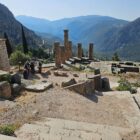
Ancient Delphi: history shared with wildlife
Across the Gulf of Corinth to Kalavryta
Mount Chelmos and the northern Peloponnese
Time to enjoy the wider natural world




Our holiday begins with three nights in Delphi, exploring Mount Parnassos and the ancient archaeological site, before continuing to Kalavryta for four nights discovering Mount Chelmos and the northern Peloponnese. The order of excursions from each base may vary according to the weather, seasonal conditions and recent wildlife sightings.
Day 1: Friday 18 June 2027 – Arrival in Athens and transfer to Delphi
If you are interested in travelling to Athens from the UK overland by train, please see this helpful guide.
After meeting at Athens Airport, we’ll travel to Delphi in the foothills of Mount Parnassos, our first base for the holiday. Arrival times will shape the day, but we’ll make at least one stop to stretch our legs and enjoy refreshments during the journey.
As we approach the mountains, we’ll watch for birds such as Short-toed Eagle and Crag Martin, with our first butterflies perhaps appearing during a stop along the way.
Once we have settled into our hotel, there may be time for a short walk nearby before dinner in a local restaurant. Even around Delphi itself, butterflies such as Southern Comma and Geranium Bronze can provide an enjoyable introduction to the week ahead.
Day 2: Saturday 19 June 2027 – Explore Mount Parnassos and the surrounding area
Our first full day takes us onto Mount Parnassos, visiting a variety of habitats as we climb to progressively higher altitudes. Flowery meadows, damp flushes, scrub and forest glades provide plenty of opportunities to stop and explore before we reach the higher mountain pastures.
We’ll look for a mixture of familiar butterflies, including Common Blue, Silver-studded Blue, Small Copper and Meadow Brown, alongside species such as Idas and Escher’s Blues, Ilex and Sloe Hairstreaks, Grecian Copper and Greek Clouded Yellow.
There will be interesting mountain plants to discover too, including local endemics, while birds may include Red-backed Shrike, Corn Bunting, Woodlark and, higher up, Alpine Chough. We’ll adjust our stops to the conditions, taking time wherever the wildlife is particularly rewarding.
Day 3: Sunday 20 June 2027 – Ancient Delphi and further exploration of Mount Parnassos
With the remarkable archaeological site of Delphi on our doorstep, we’ll spend the morning exploring its ancient ruins and enjoying the wildlife that shares this historic setting.
We’ll take an unhurried route through the site, watching for Marginated Tortoises among the stones, Kotschy’s Geckos on the walls and the vocal Western Rock Nuthatches associated with the reconstructed Treasury building. Blue Rock Thrush, Hoopoe and Crag Martin may also feature.
Depending on the season, butterflies could include Southern Small White, Scarce Swallowtail, Southern Comma, Lattice Brown, Freyer’s Grayling and Southern White Admiral. We’ll also pause to appreciate the plants and other insects we encounter among the ruins.
In the afternoon, we’ll return to Mount Parnassos to explore a particularly rich, damp glade in the pine forest. Here we hope to find Clouded Apollo, Camberwell Beauty, Nettle-tree Butterfly, Greek Clouded Yellow and other species. Moist ground can attract gatherings of butterflies taking up salts and minerals, offering excellent opportunities to observe their behaviour and enjoy photography.
Wild Gladioli, helleborines and other flowers add to the interest. If conditions are favourable, we’ll spend the afternoon exploring this rewarding spot at leisure before returning to Delphi for dinner.
Day 4: Monday 21 June 2027 – Transfer from Delphi to Kalavryta via Galaxidi
Today we leave Delphi and travel to Kalavryta in the northern Peloponnese, making wildlife stops along the way.
Our first planned stop is near Delphi, where we’ll search for Europe’s smallest butterfly, the Grass Jewel. This is also a good place to look for Daphne jasminea and Western Rock Nuthatches.
We’ll then continue to the coastal town of Galaxidi, allowing time for refreshments or lunch and a walk around the headland. Previous visits have produced Freyer’s Grayling, Marbled Skipper and Geranium Bronze, as well as tortoises in the woodland and Hoopoes nearby. Looking into the clear harbour water can reveal a surprising variety of small fish.
From Galaxidi, we’ll follow the coast westwards and cross the impressive Rio–Antirrio Bridge into the Peloponnese. Continuing towards Diakopto, we’ll then turn inland and climb towards Kalavryta.
Time and weather permitting, we’ll stop at a productive butterfly site on the way into the mountains. Species recorded here include Lesser Fiery Copper, Silver-washed Fritillary, Ilex and Sloe Hairstreaks, Grecian Anomalous Blue, Holly Blue and a variety of skippers.
We’ll arrive in Kalavryta and settle into our hotel for the remaining four nights, before enjoying dinner in a local restaurant.
Days 5–7: Tuesday 22–Thursday 24 June 2027 – Explore Mount Chelmos and the surrounding area
We’ll spend the next three days exploring Mount Chelmos and a selection of sites in the surrounding countryside. Our daily plans will respond to cloud cover and conditions at different elevations, allowing us to make the most of the mountain’s varied habitats.
Among our special targets are Odd-spot Blue and Chelmos Blue. We’ll search suitable areas carefully, although the elusive Chelmos Blue can be particularly challenging to find. Flower-rich meadows may also bring Meleager’s Blue, Chequered Blue, Ripart’s Anomalous Blue, Grecian Anomalous Blue, Cardinal and many other butterflies.
Burnet moths add further interest, and we may find Balkan Lizard Orchids flowering among the summer wildflowers. There will be plenty of time to pause, photograph and explore the relationships between the insects and their food plants.
On one day, we’ll visit a lower-altitude site nearer the coast to look for Two-tailed Pashas. A variety of skippers may be present, while the nearby river offers opportunities to enjoy dragonflies and other wildlife.
Subject to the railway operating and suitable timings, guests will have the option of returning from Diakopto to Kalavryta on the scenic rack-and-pinion railway through the Vouraikos Gorge. Those continuing by road may visit the grounds of Mega Spilaio monastery or another wildlife stop before the group reunites.
During our stay, there may also be an optional early-morning walk to the memorial above Kalavryta. Previous visits have produced Wryneck, Middle Spotted Woodpecker, Sombre Tit and Rock Sparrow. The early hour can also be rewarding for photographing roosting butterflies and other insects as the sun rises over the valley.
Our evenings will be spent enjoying local food and sharing the day’s discoveries in Kalavryta.
Day 8: Friday 25 June 2027 – Transfer from Kalavryta to Athens
After breakfast, we’ll leave Kalavryta and travel to Athens Airport for our return flights.
Flight times will determine the opportunities for stops along the way. If time permits, we’ll pause at the Corinth Canal to appreciate this extraordinary feat of engineering and watch for any wildlife nearby.
We’ll allow plenty of time for the journey and possible traffic around Athens, bringing our week of butterflies, mountain scenery and Greek hospitality to a relaxed conclusion.
-

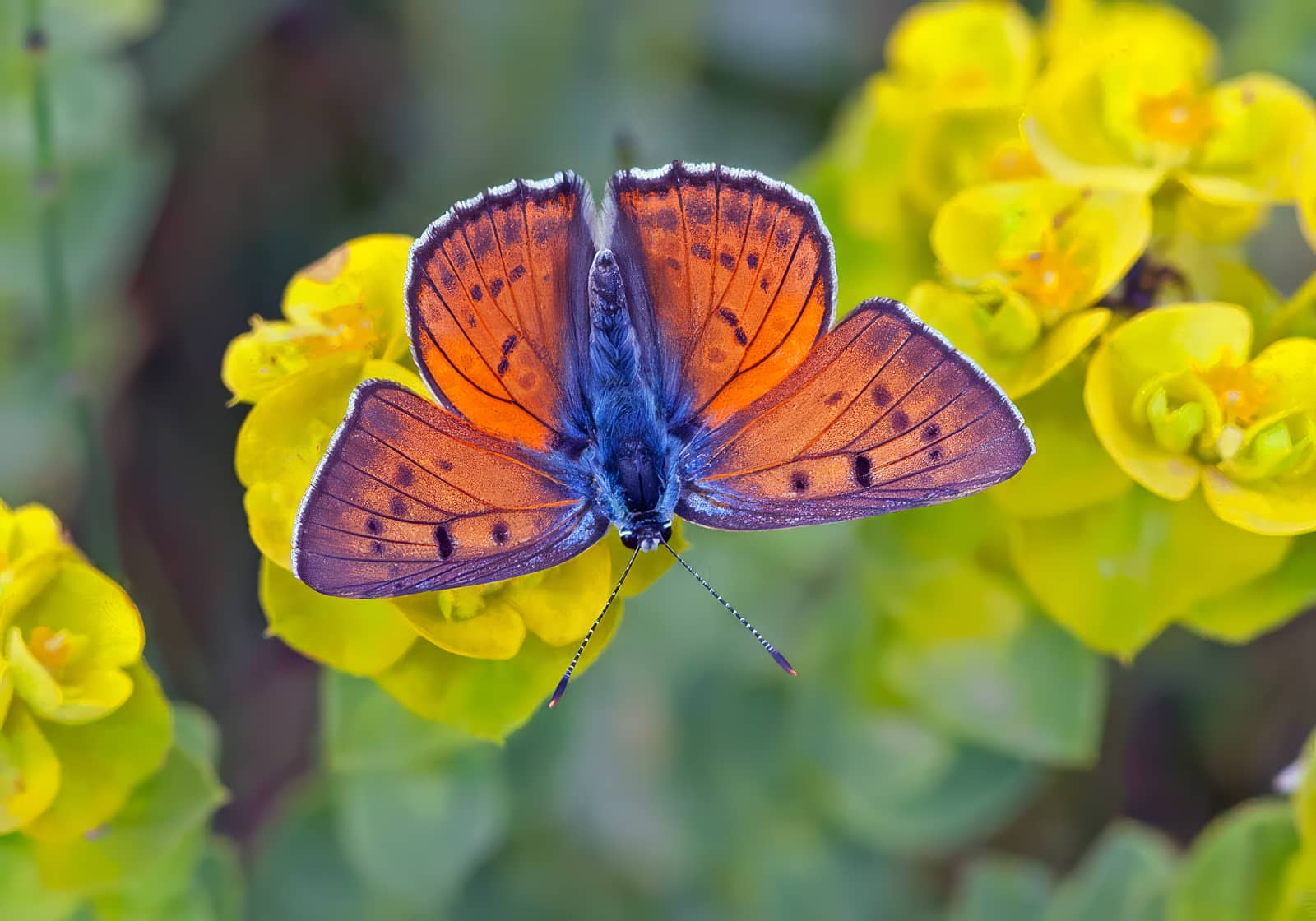
- Purple-shot Copper
-

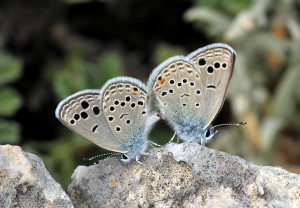
- Odd-spot Blue

-

- Two-tailed Pasha

-

- Balkan Zephyr Blue

-

- In the field

-

- Grass Jewel

-

- Greek Clouded Yellow

-

- Grecian Copper

-

- Anomalous Blue

-
- Ancient Delphi

-

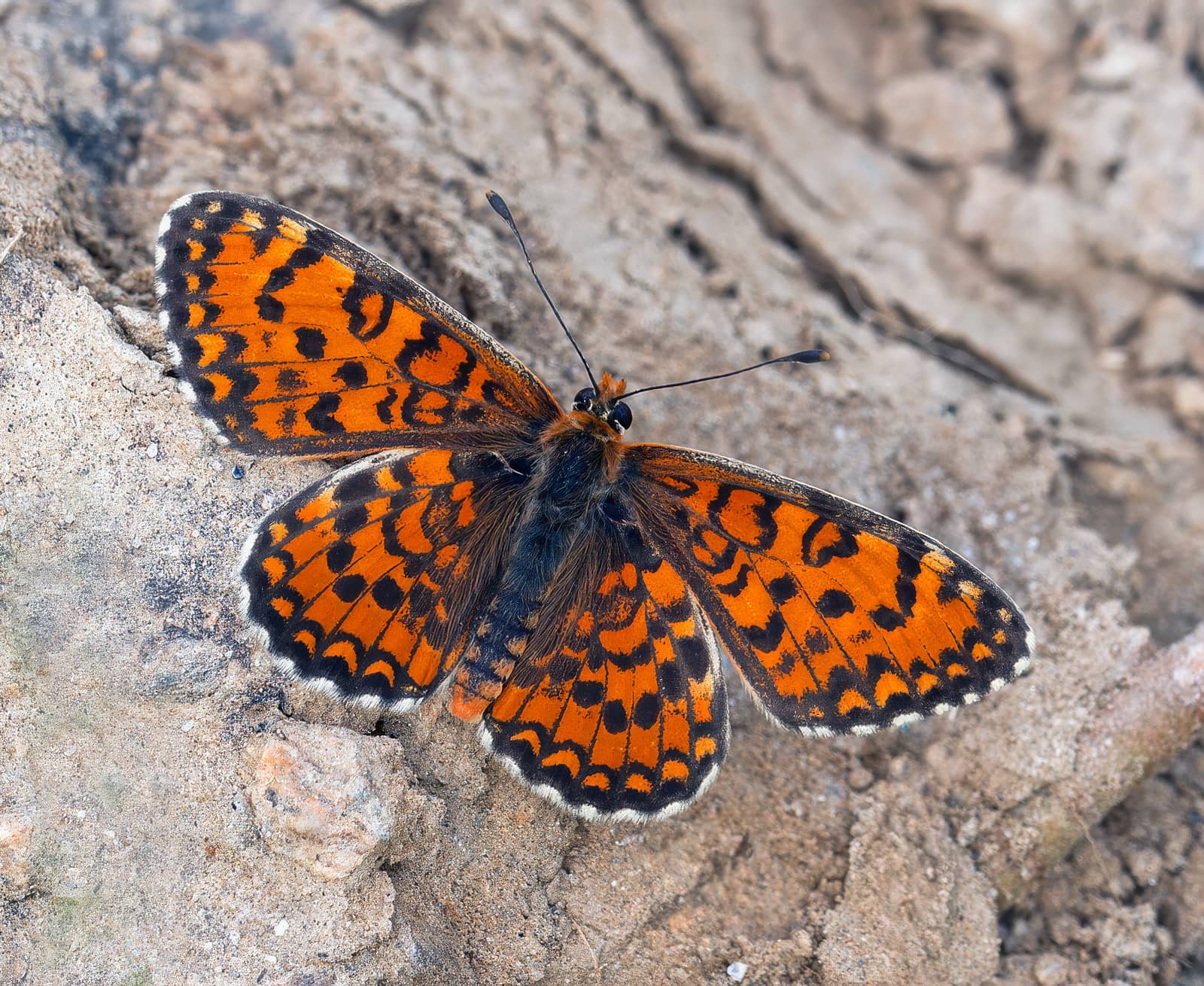
- Lesser Spotted Fritillary
-

- Clouded Apollo

-

- Chelmos Blue

-

- Balkan Zephyr Blue

-

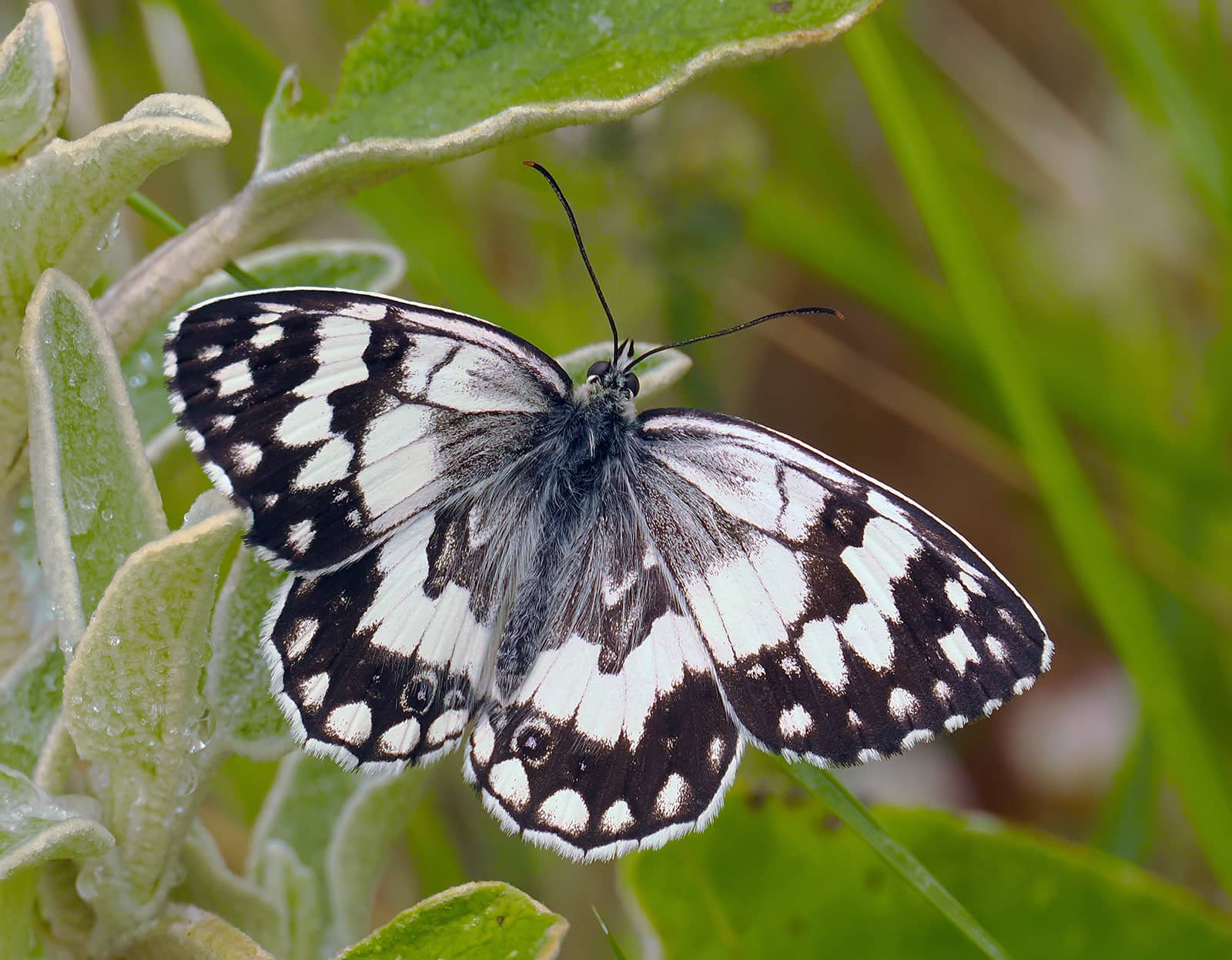
- Balkan Marbled White
-

- Greenwingers in a Gorge

-

- Lattice Brown

-

- Grecian Copper (female)

-

- Cleopatra

-

- Corinth Canal

-

- Dark Green Fritillary

-

- Persian Skipper

-

- Idas Blue

-

- Black-veined White

-

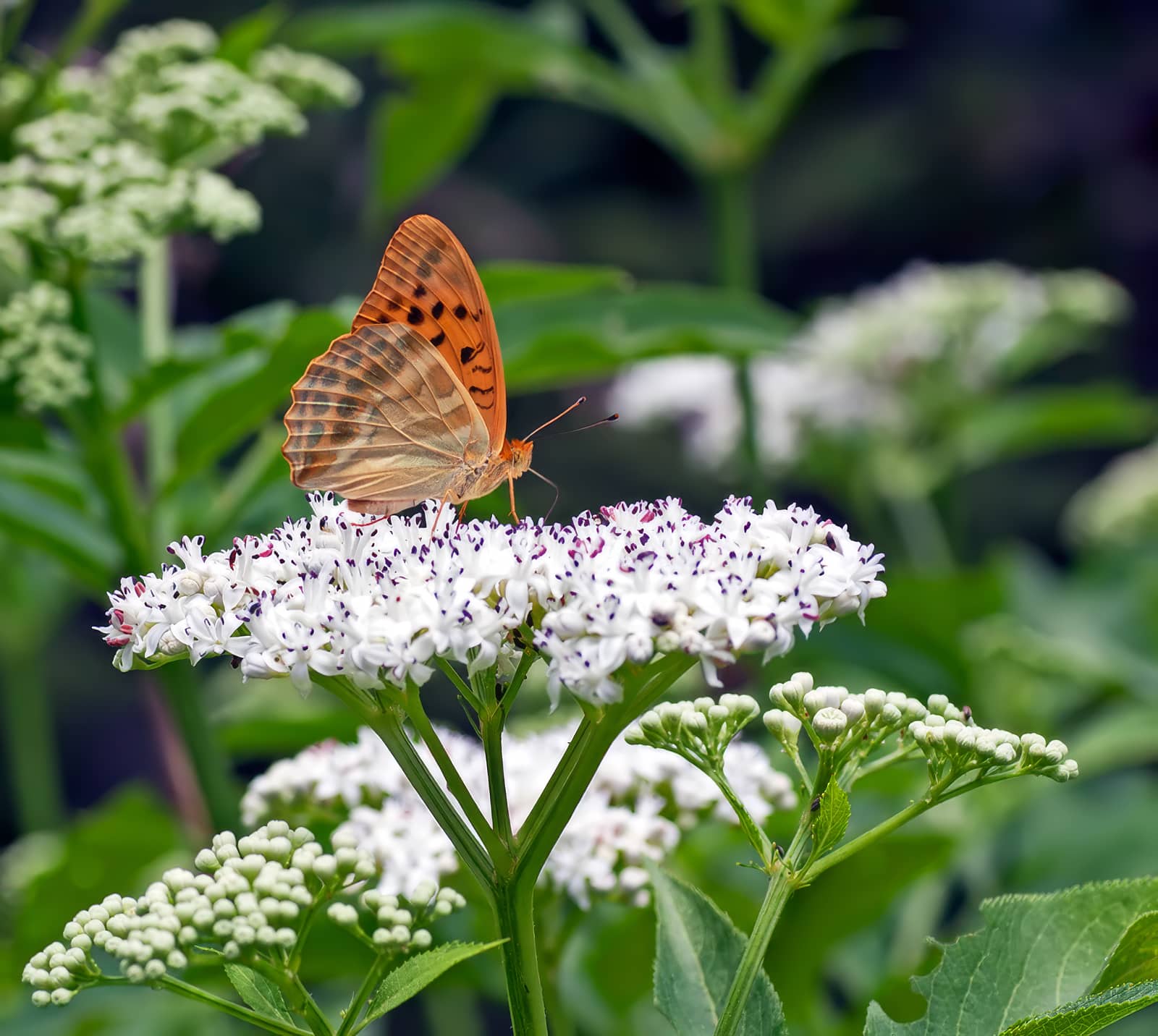
- Cardinal
-

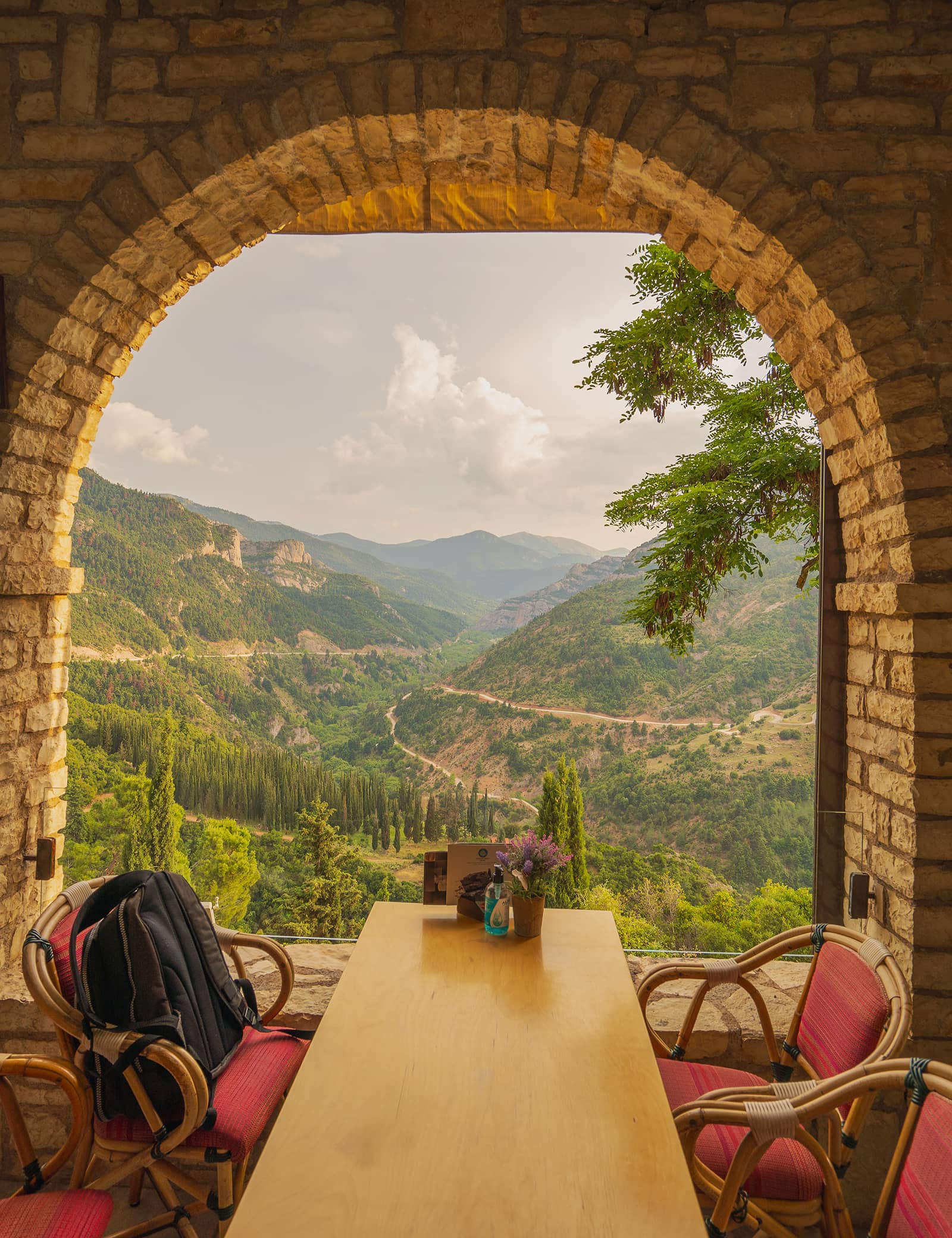
- Dinner with a view
-

- Southern Swallowtail

-

- Turquoise Blue

-

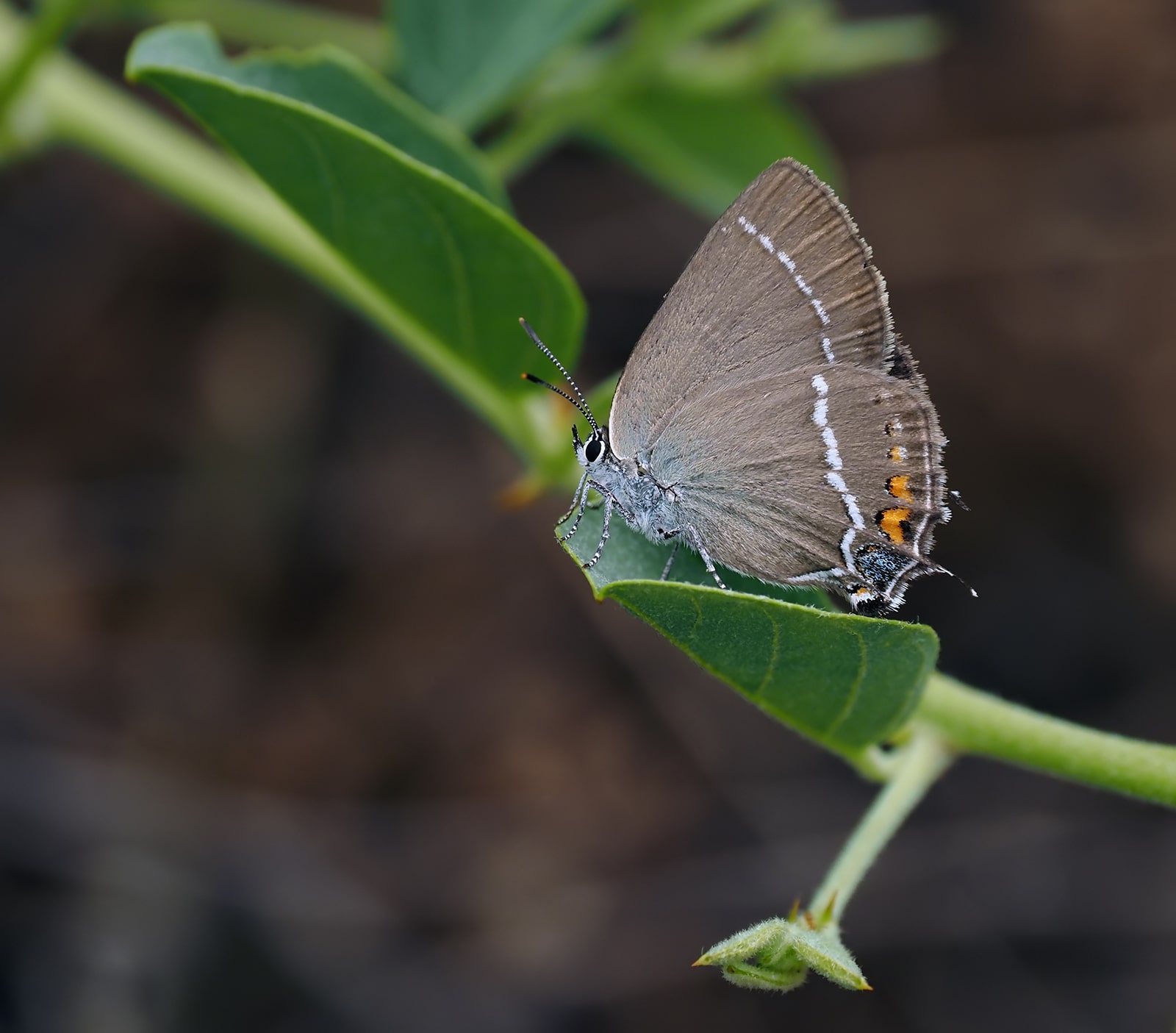
- Blue-spot Hairstreak
-

- Scarce Swallowtail

-

- Odd-spot Blue

-

- Eastern Black-eared Wheatear

-

- Greek Clouded Yellow

-

- Heath Fritillary

-

- Grecian Anomalous Blue

-

- Pontic Blue

-

- Southern White Admiral

-

- Spotted Fritillary

-

- Lesser Spotted Fritillary

-

- Blue Rock Thrush

-

- Peloponnese Wall Lizard

-
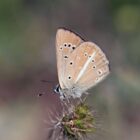
- Ripart’s Anomalous Blue

-

- Sooty Copper

-

- Hermann’s Tortoise

-

- Western Rock Nuthatch

Nick A, 2026: “I thoroughly enjoyed my wonderful trip to Southern Greece – good food and accommodation, friendly group, excellent guide, stunning landscape and many exquisite butterflies.”
Peter B, 2026: “This Greenwings holiday more than matched my expectations. We saw loads of really great wildlife and the guides were brilliant. The hotels were great – the first one in Delphi was out of this world for the views – and the food was fantastic local cuisine. I highly recommend this holiday for butterfly and wildlife enthusiasts.”
Mary H, 2026: “The Butterflies of Southern Greece holiday was an unforgettable experience. We crammed so many sights and experiences into such a short amount of time – I am still going through all my photographs and trying to figure out what happened when! The countryside is beautiful – heavenly fields of flowers, beautiful forests and mountaintops with incredible views – and of course, there are so many species of butterflies. Sotiris was a great guide – warm and knowledgeable. Eating out every night at different venues was also a treat. It was a wonderful week and a great way to visit a country.”
Tony J, 2025: “A special wildlife tour combining sightings of many alpine butterflies, adding tourist sights such as the Corinth Canal and the amazing Delphi – with excellent hotels and local Greek Taverna cuisine”
Graeme D, 2024: “The butterflies of Greece tour was a trip of a lifetime. So many species to see and in amazing settings. Didn’t want the week to end!”
Dee C, 2023: “The guides were fantastic and the making of the trip. The season was very unusual, everything was late and therefore a big effort was made to enable us see things on the list and the itinerary flexed accordingly.”
Martin P, 2022: “For extremely knowledgeable guides and top locations you should look no further than Greenwings for your next wildlife viewing holiday. I can thoroughly recommend them.”
Butterflies of Southern Greece Holiday Report 2025
Butterflies of Southern Greece Holiday Report 2024
Earlier reports available on request