

Dates & Prices |
BOOK HOLIDAY NOW |
Dates: 10th – 28th October 2026
Price: £3,495 places available
Single Room Supplement: £325
Deposit: £350 per person
Price Includes: All meals, accommodation, ground transport & transfers, services of guides & holiday report
Not Included: Flights, travel insurance, entry to archaeological sites, drinks & any other personal items.
Conservation Donation: Botanical Society of Britain & Ireland (BSBI)
Leader: Sotiris Alexiou & Rachael Alexiou-Ayrton
Group Size & Travel: Minimum of 4 and a maximum of 12 guests plus 2 leaders
Grade: Gentle pace and generally easy walks in a variety of terrains
Holiday Highlights
- A new, extended tour of Greece for fantastic flowers, other wildlife, plus an amazing mix of history & culture!
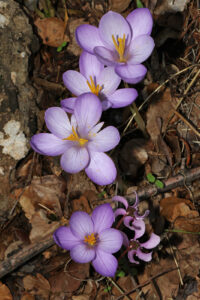
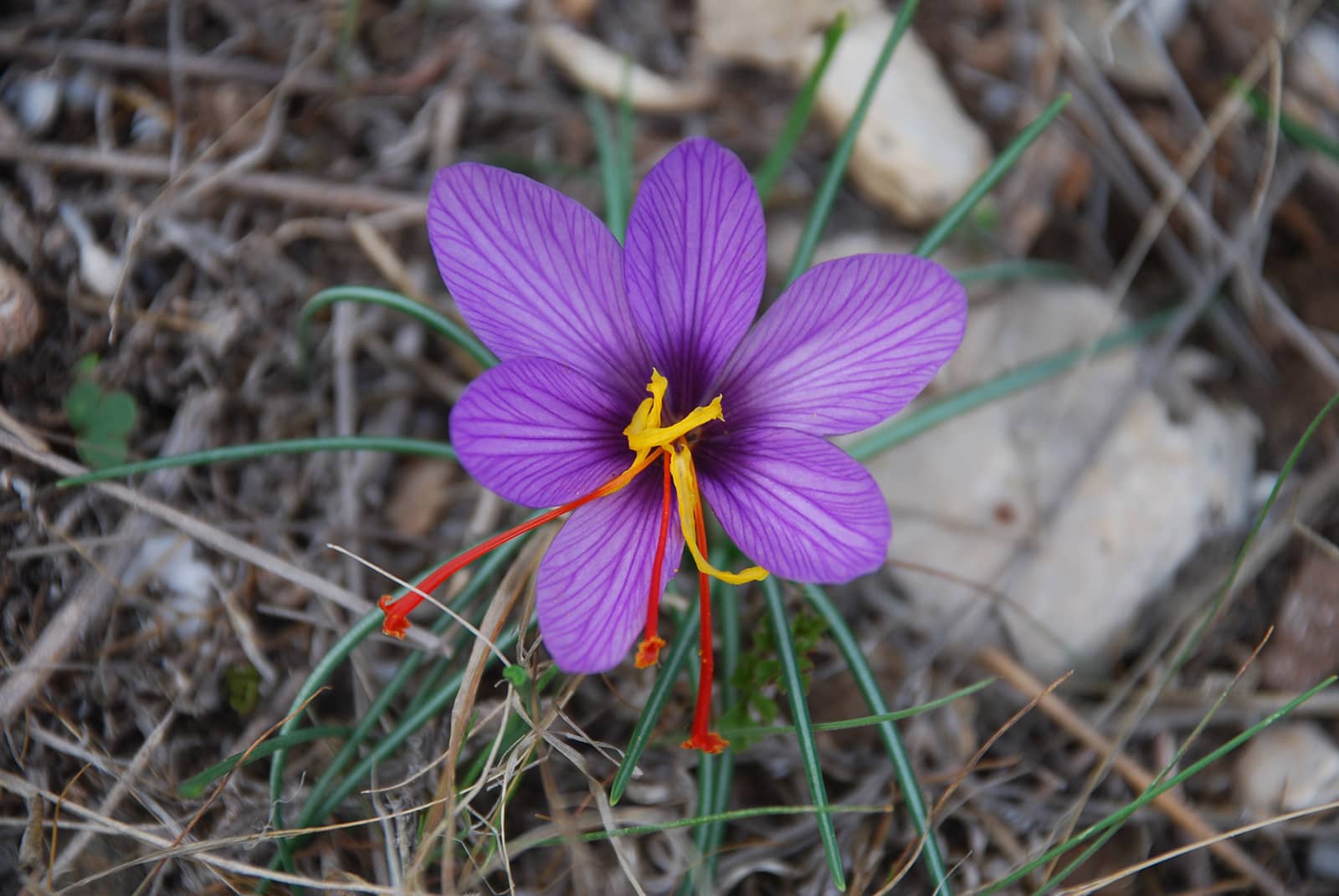
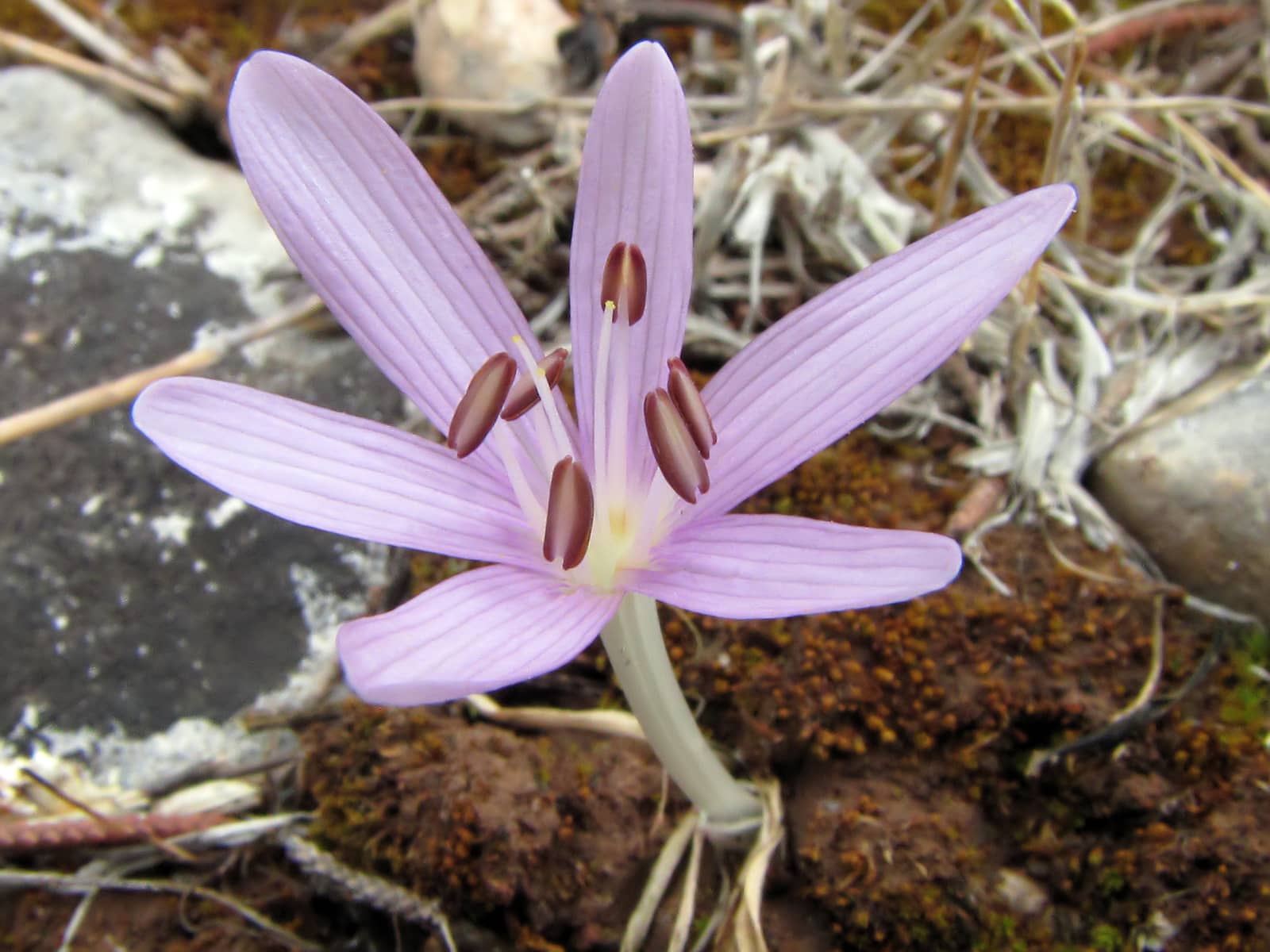
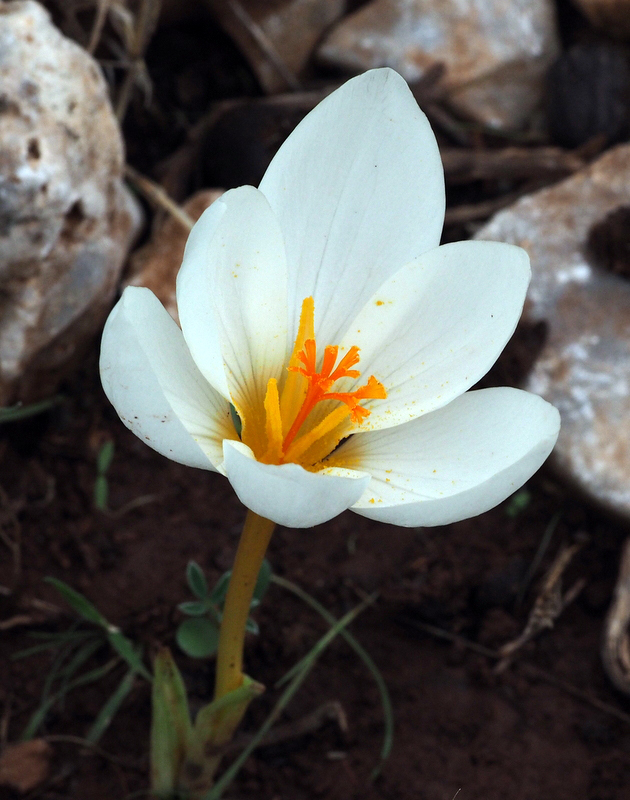
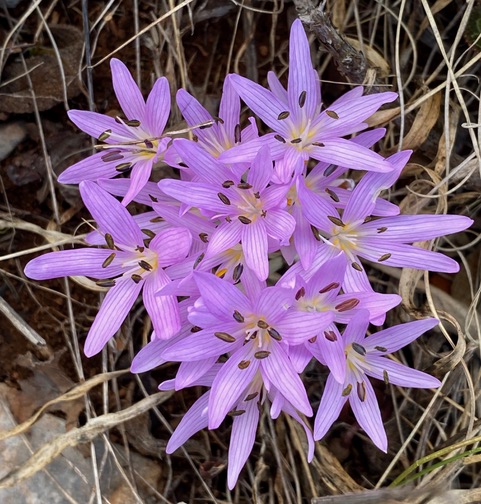
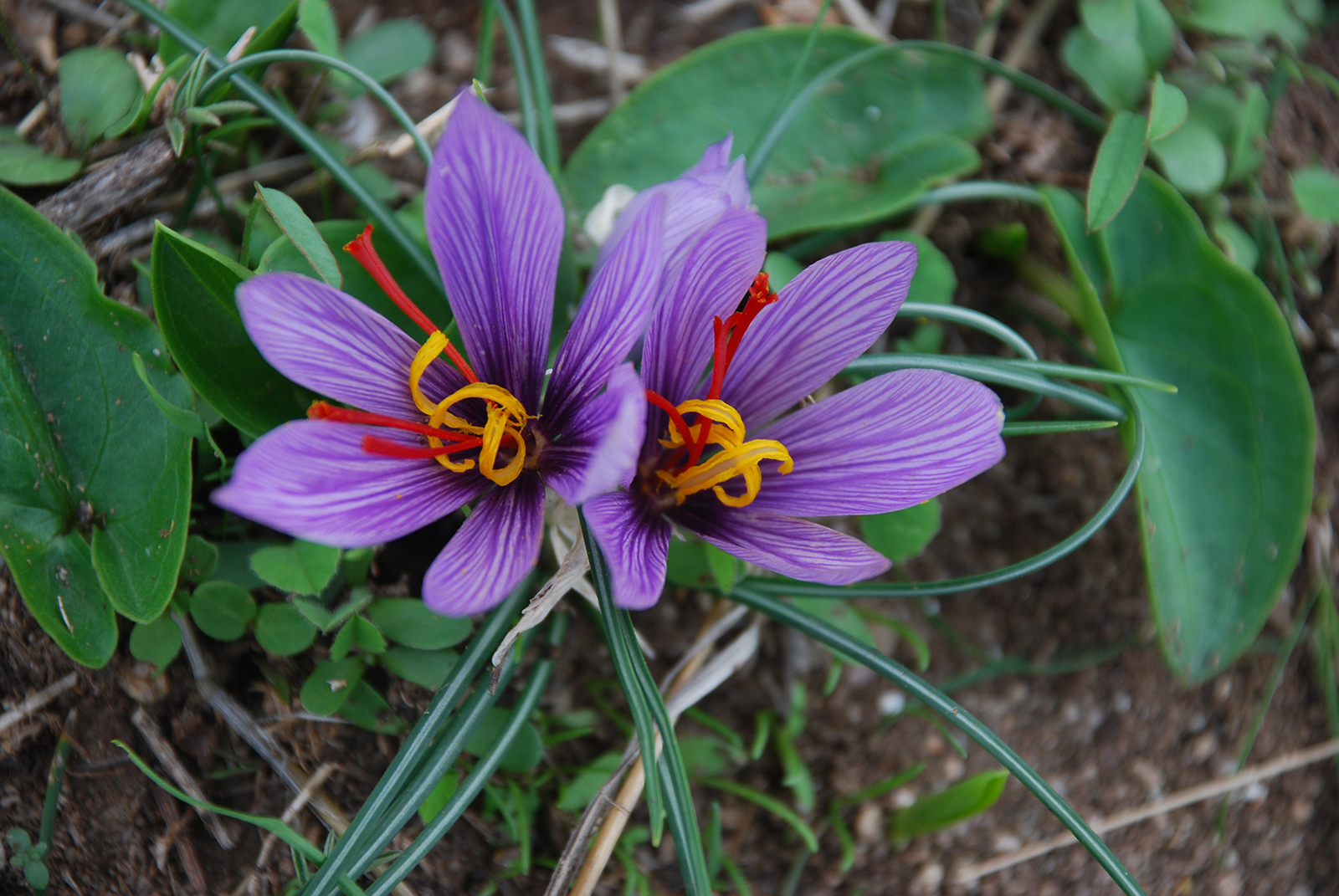
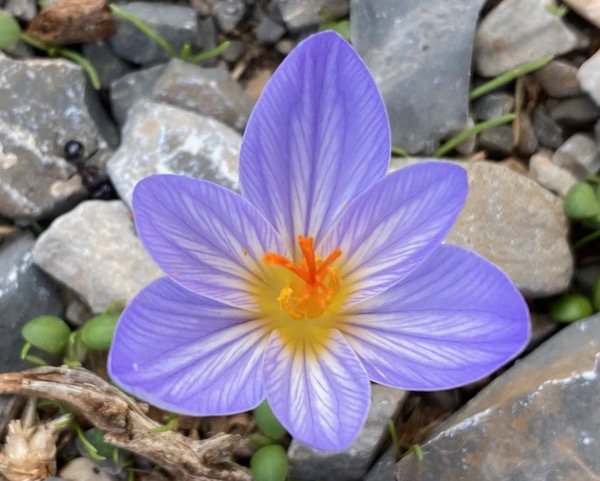
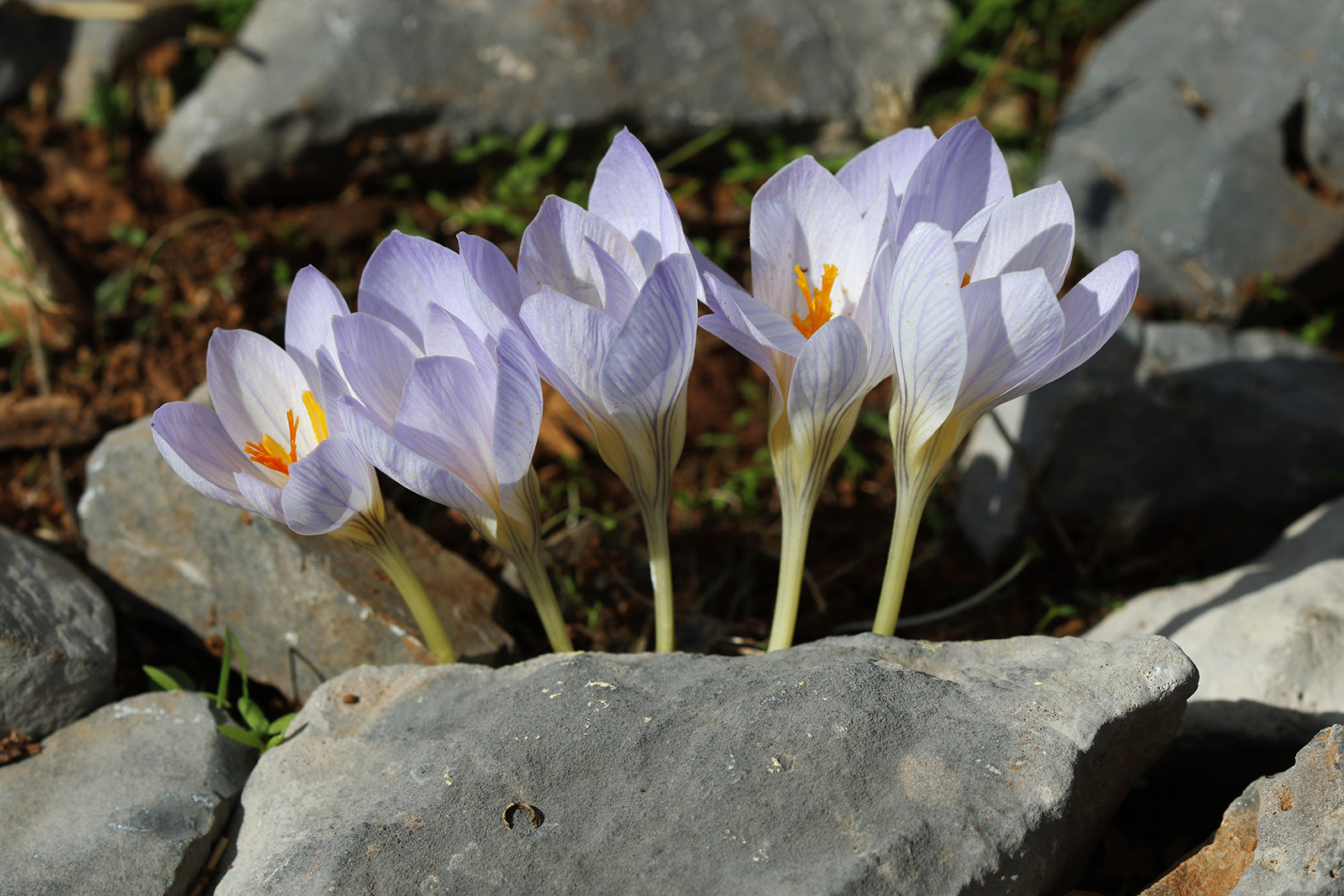
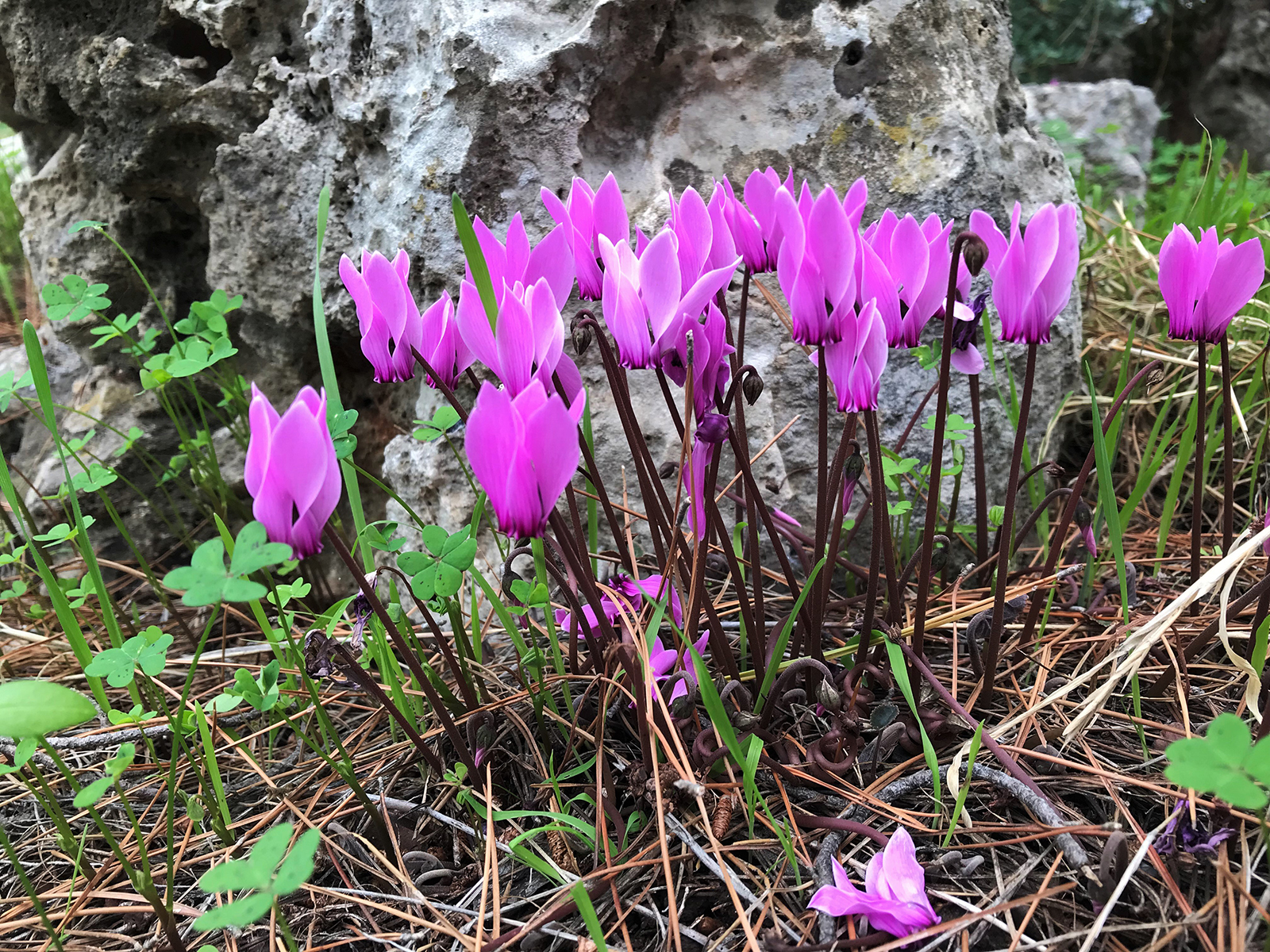
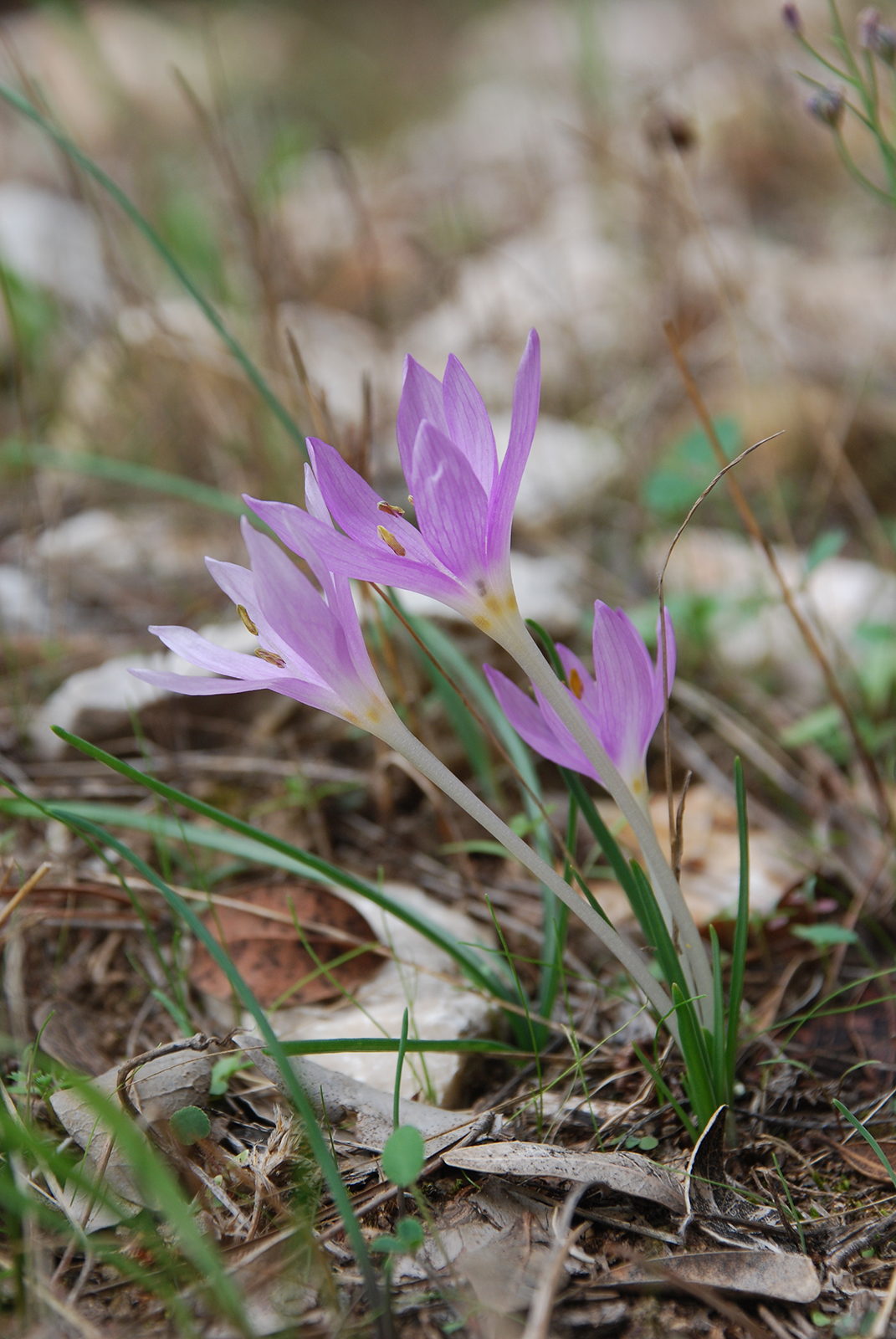
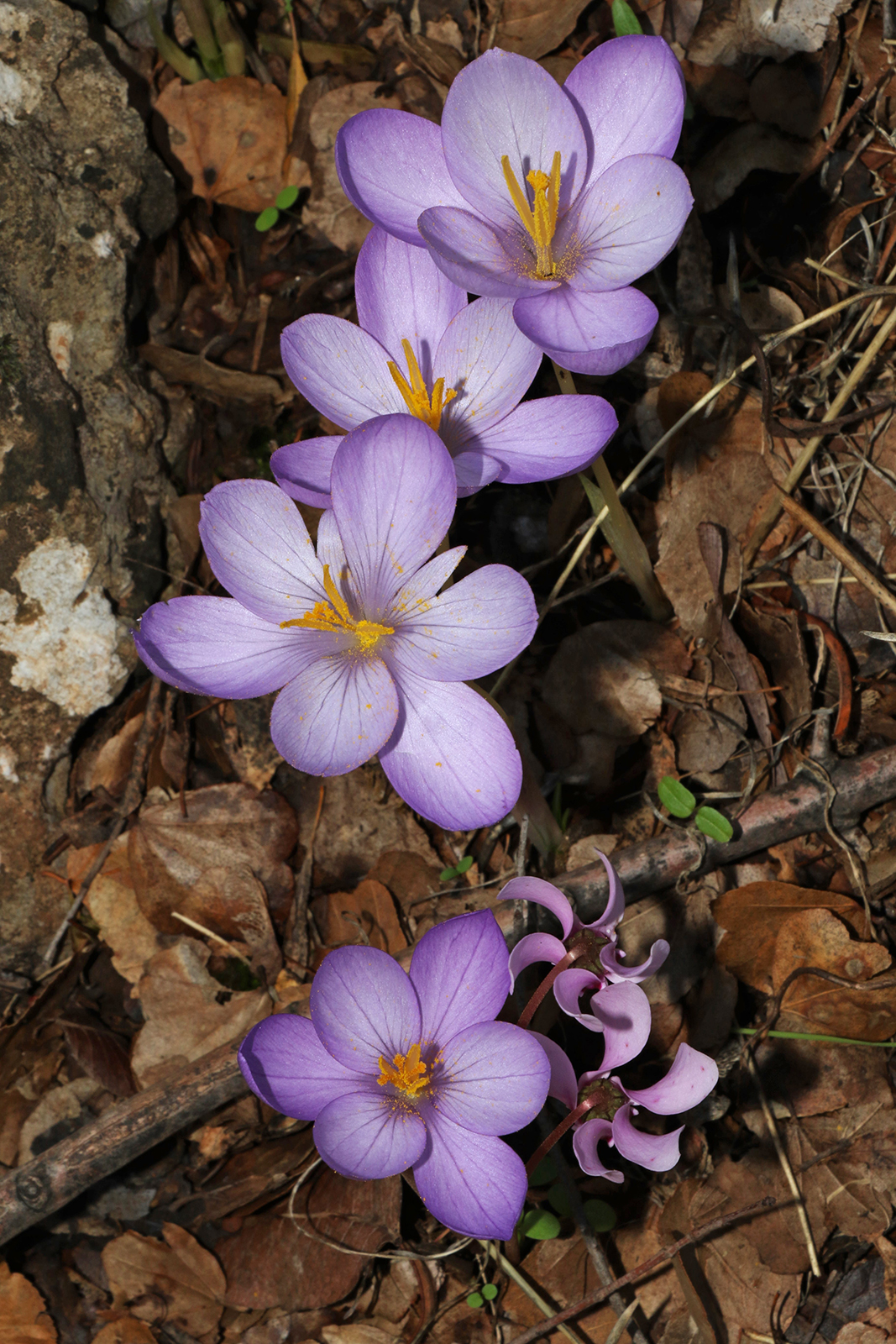
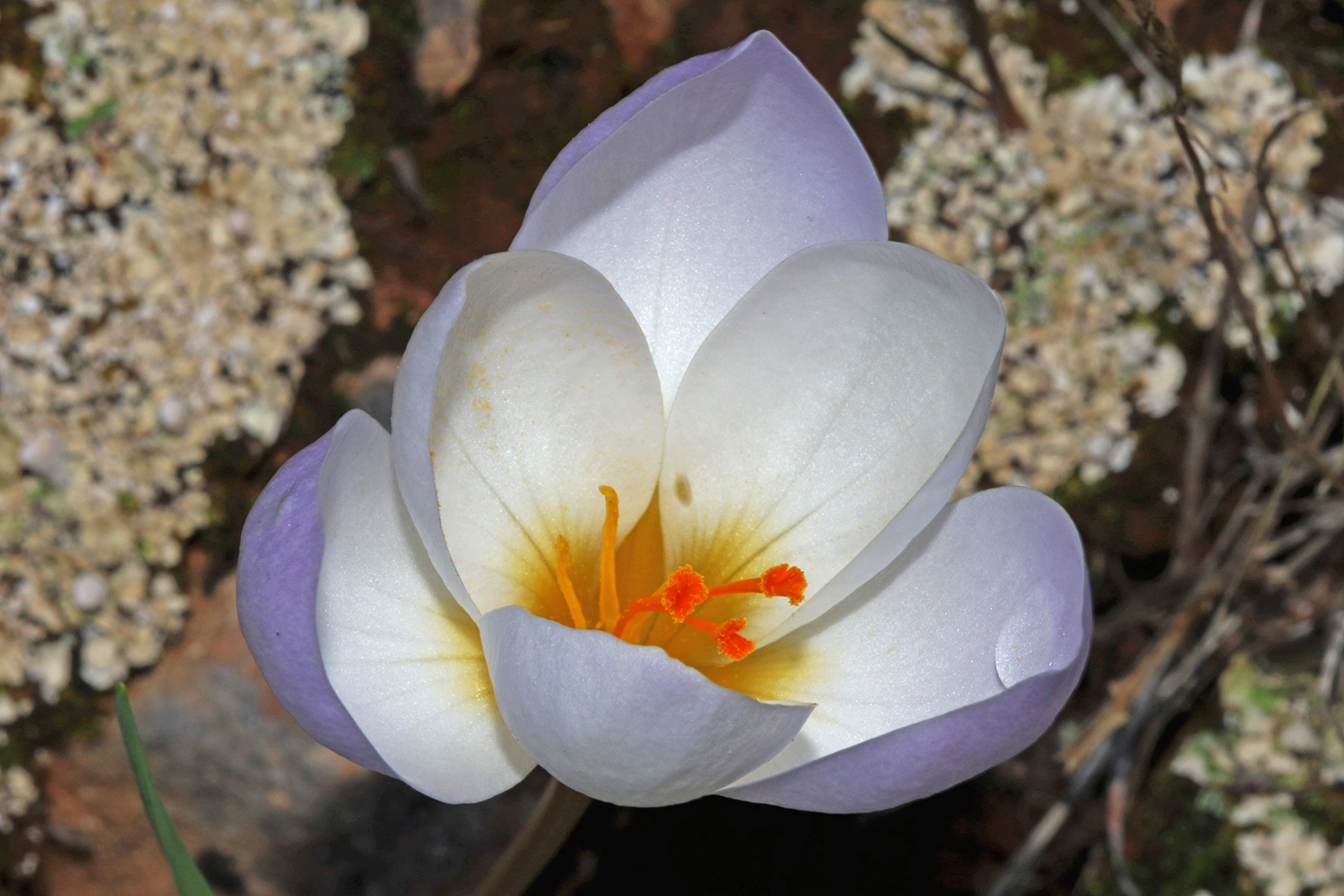
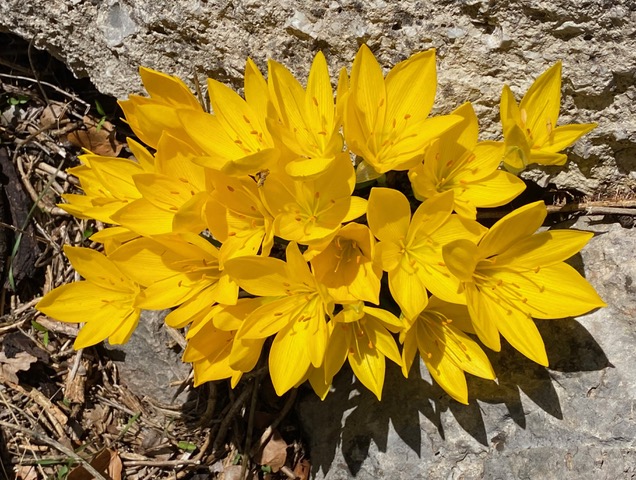
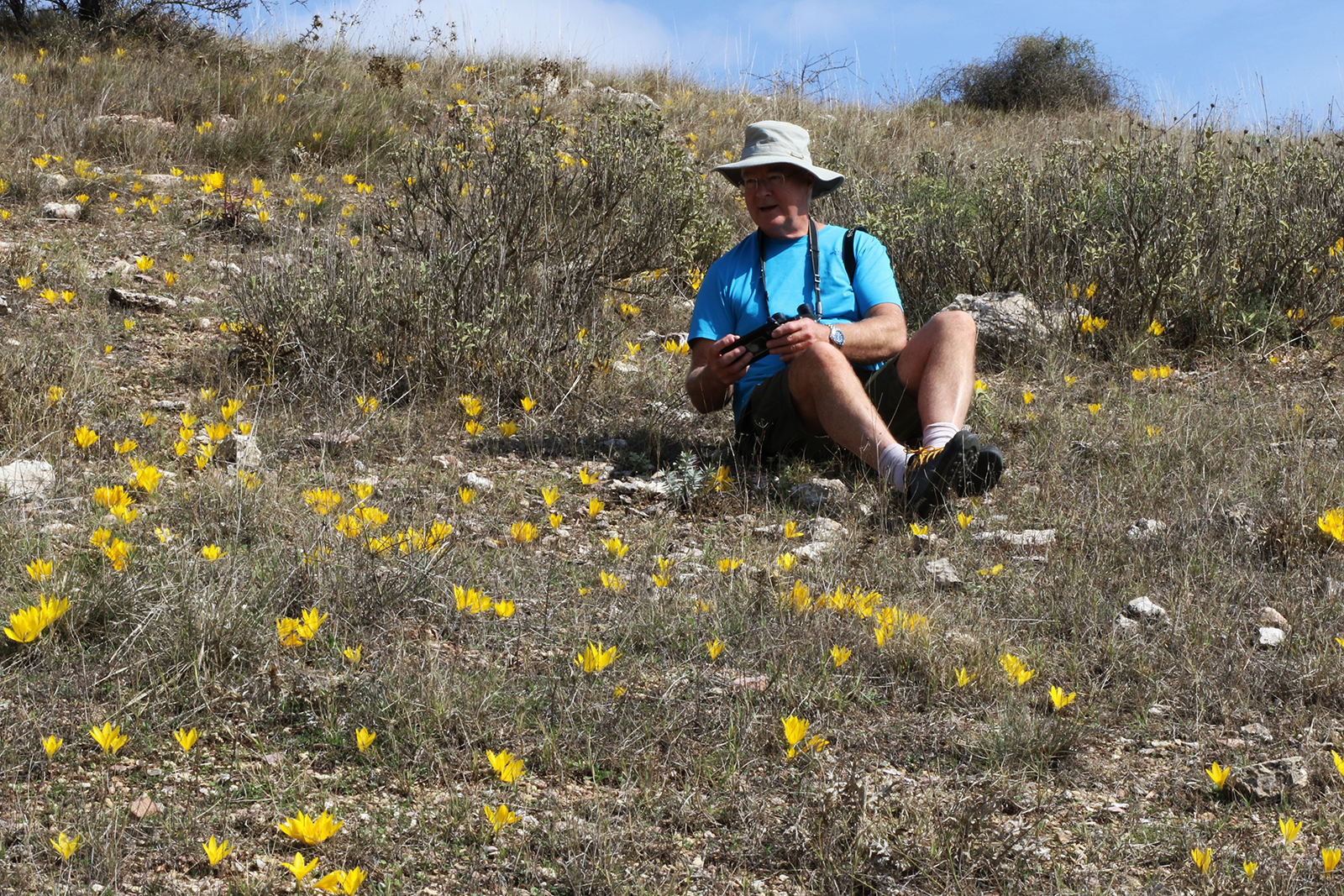
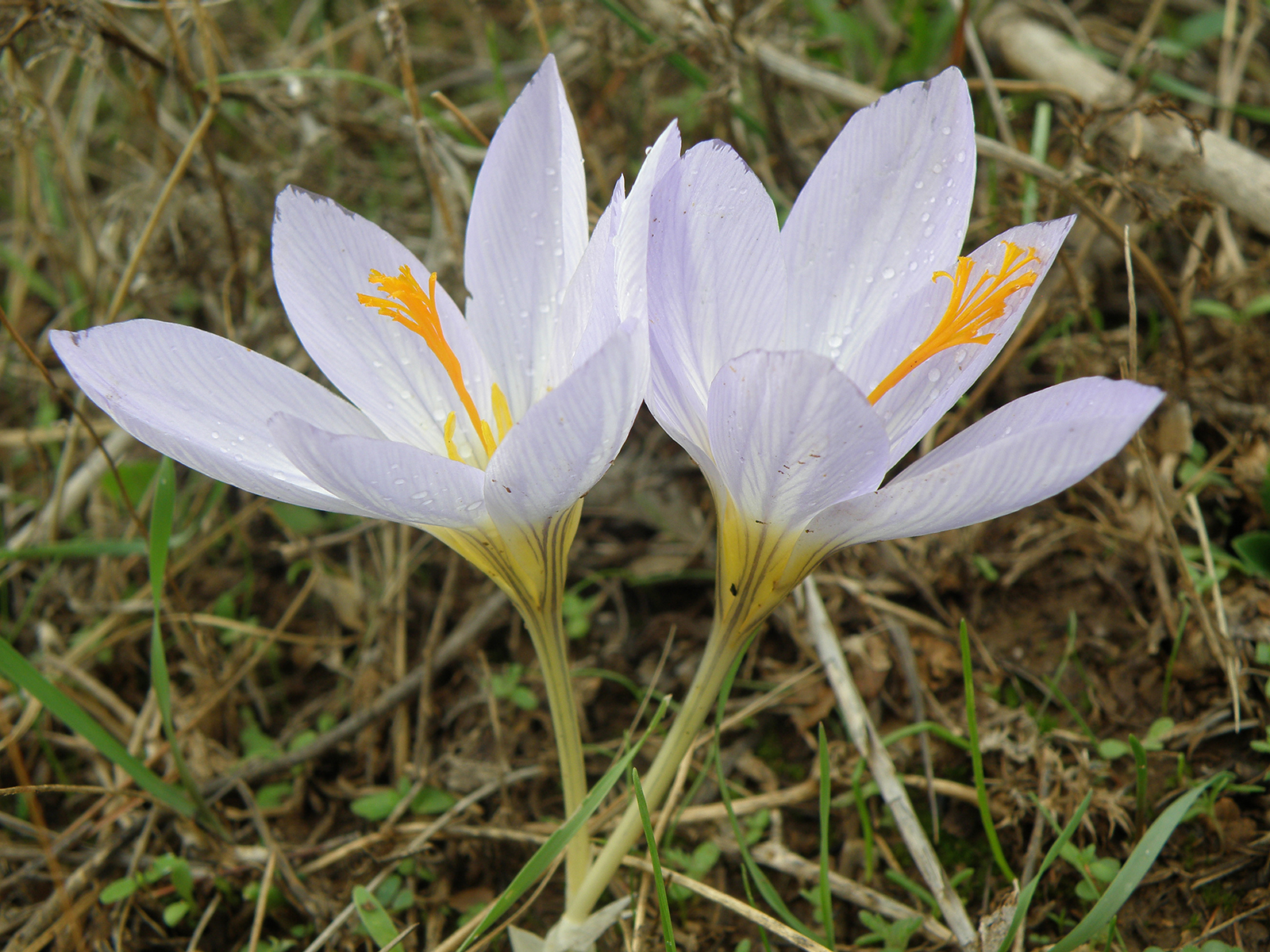
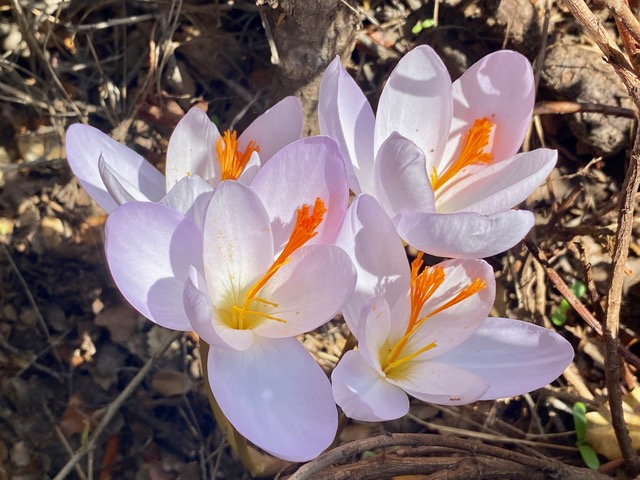
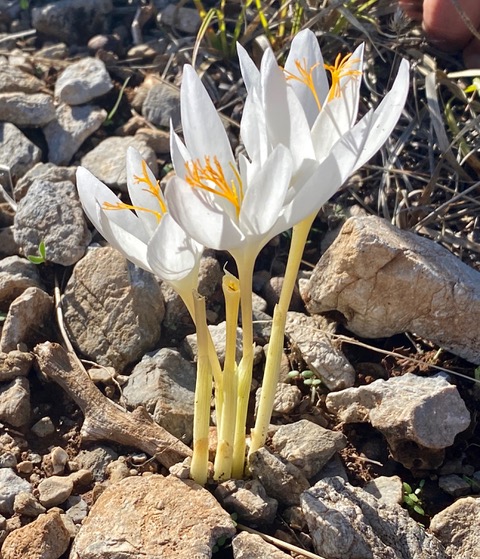
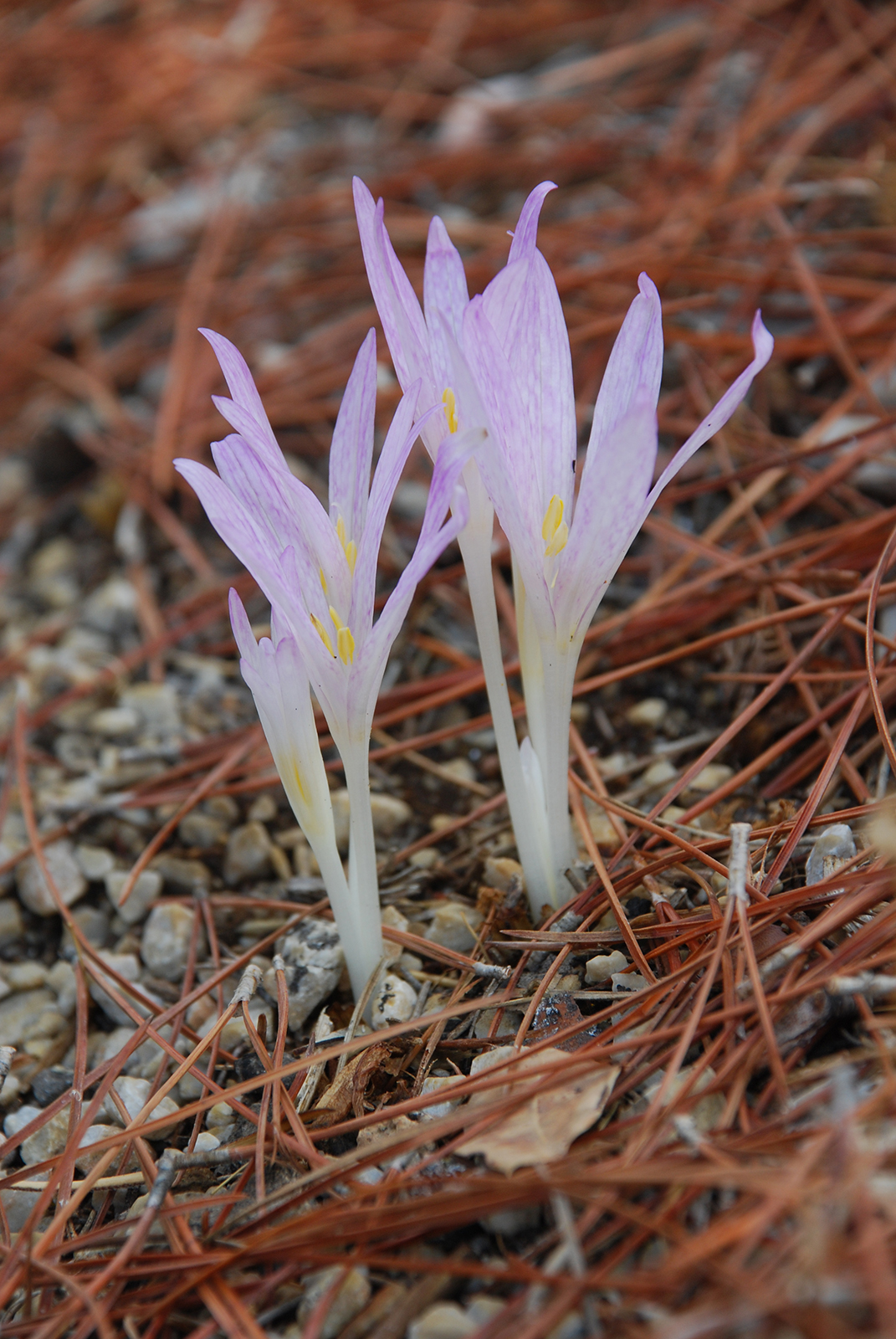
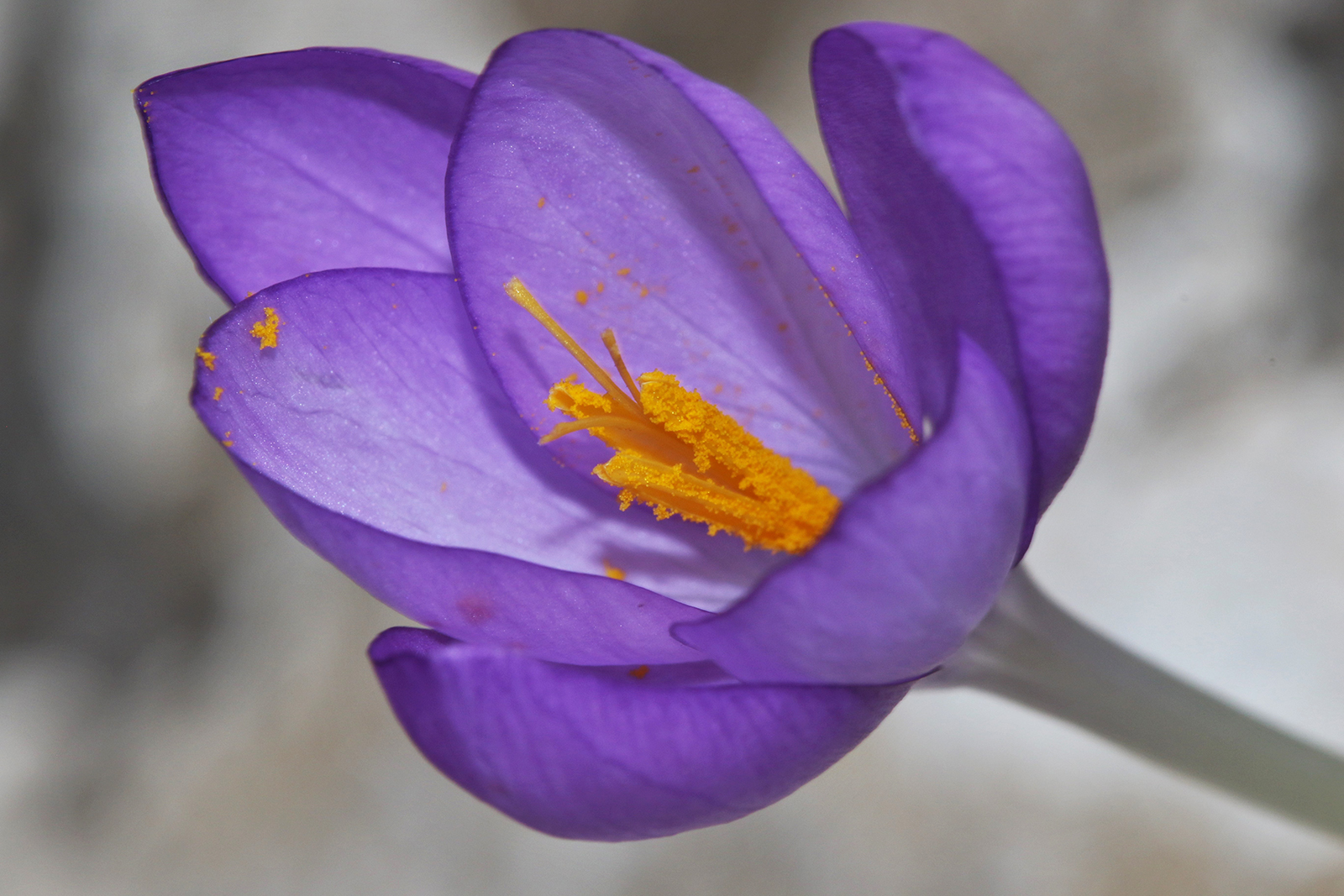
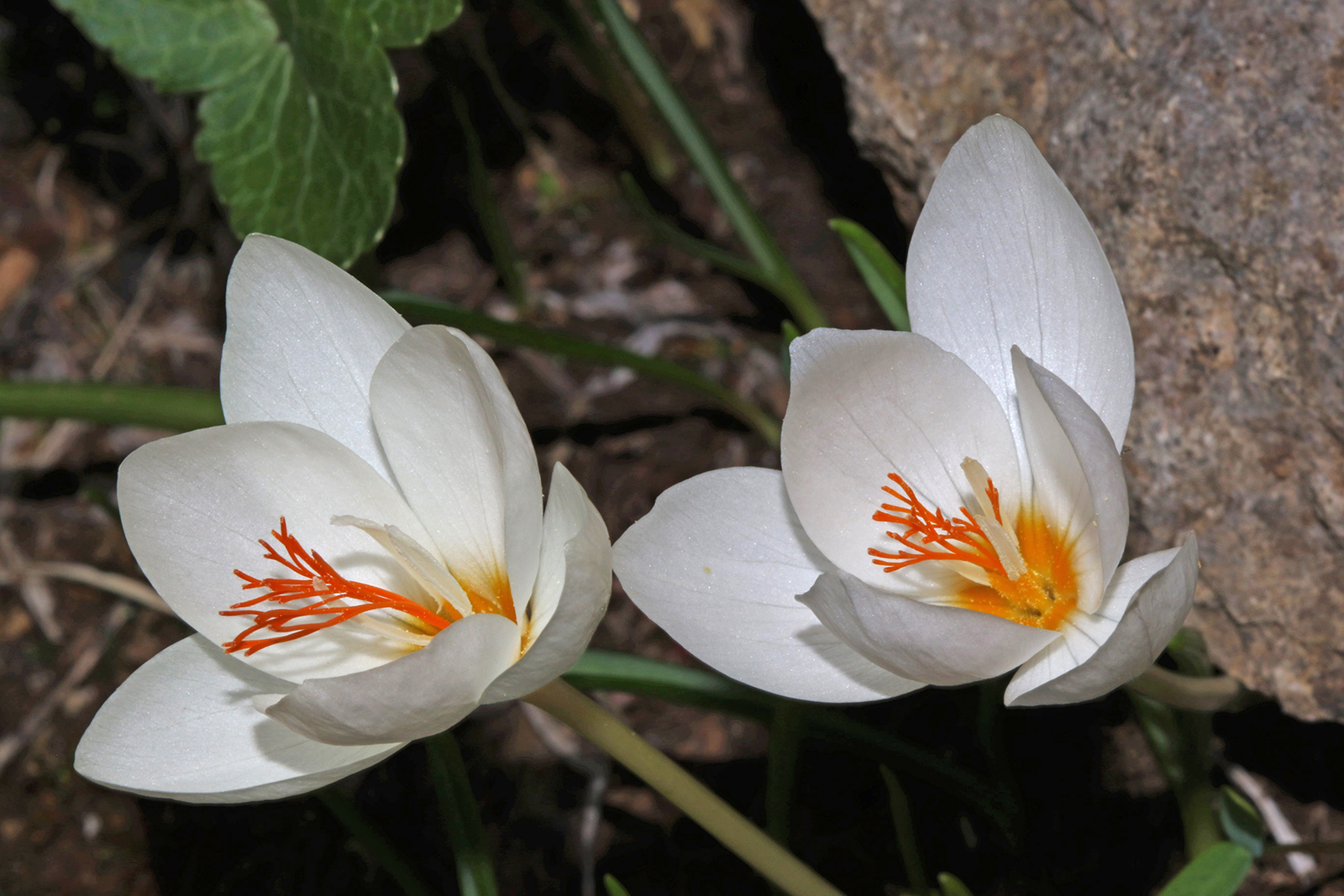
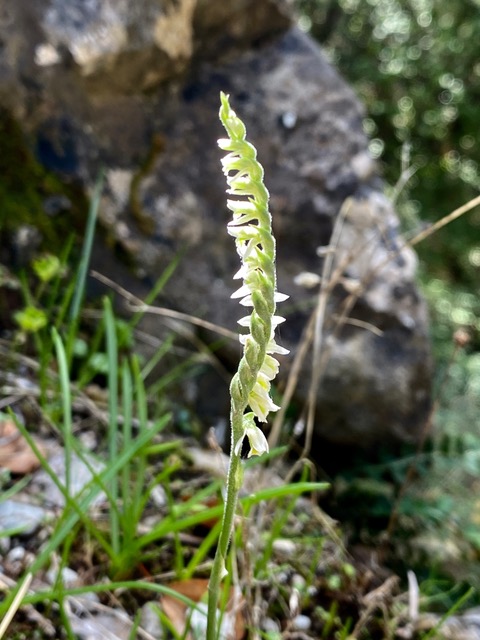
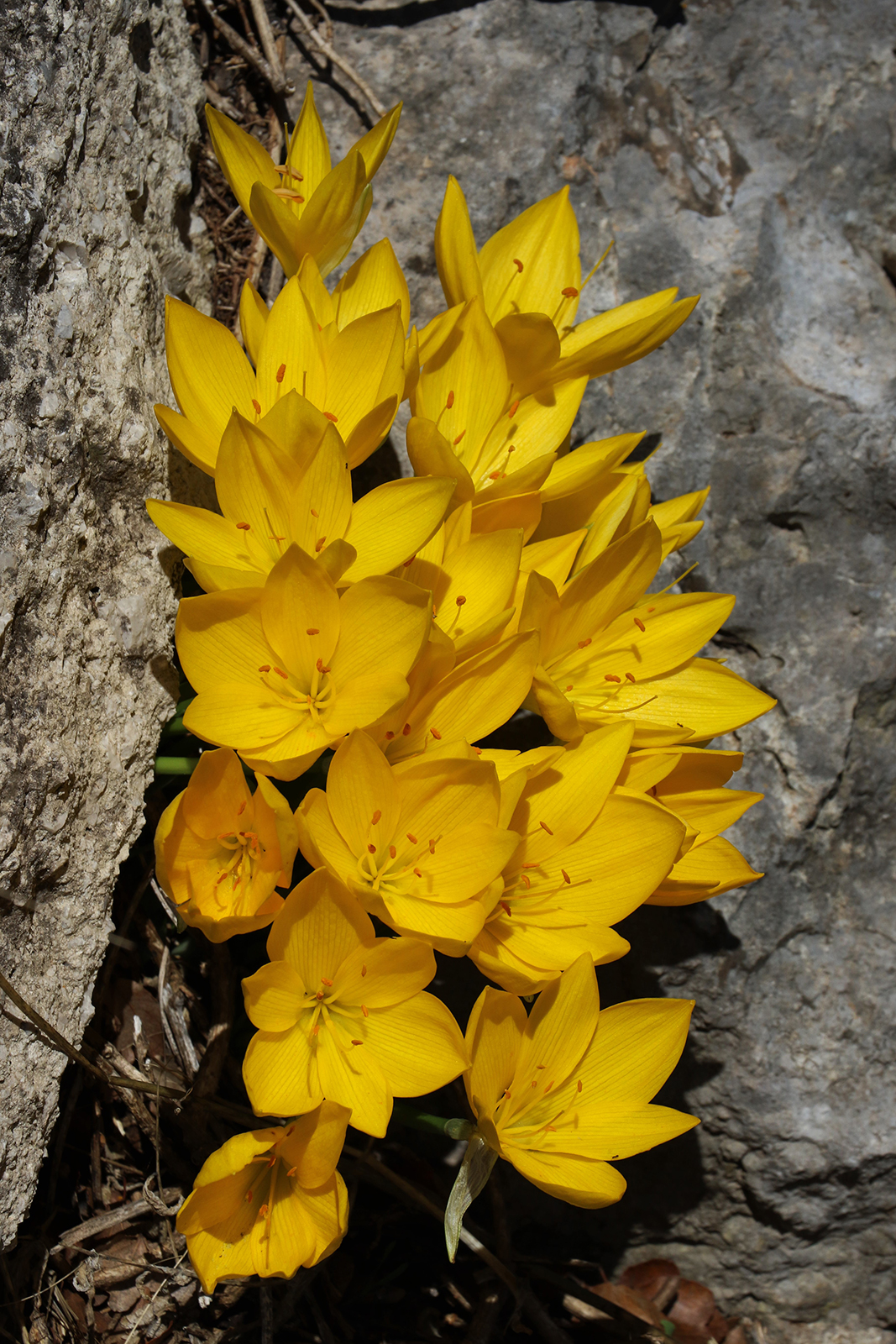
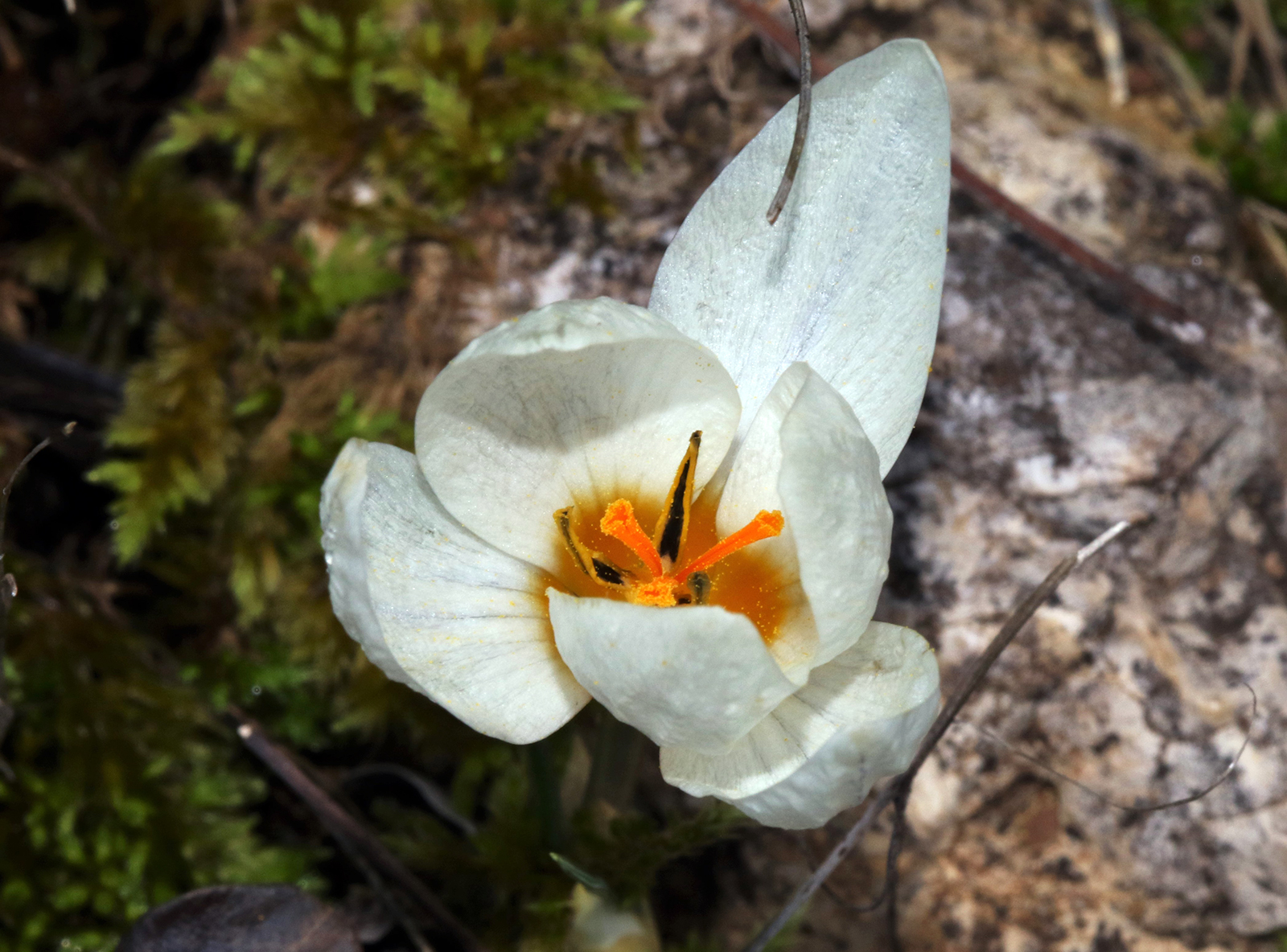
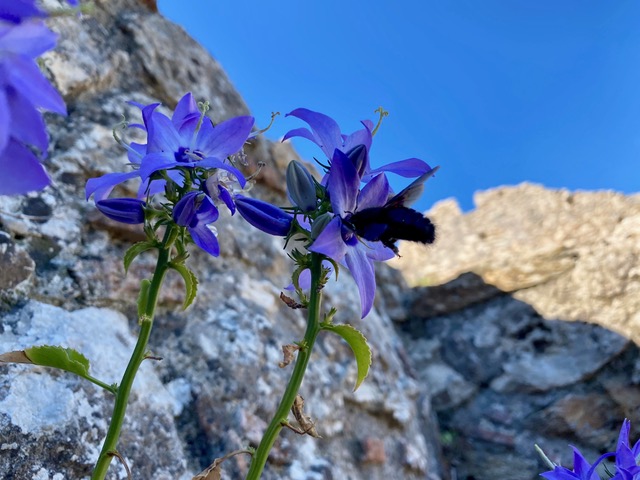
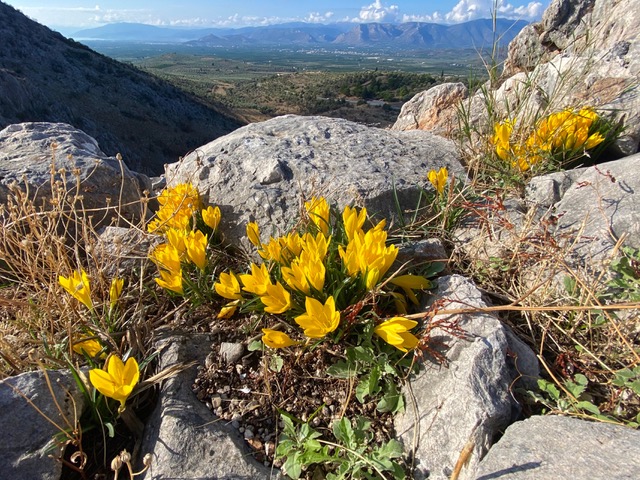
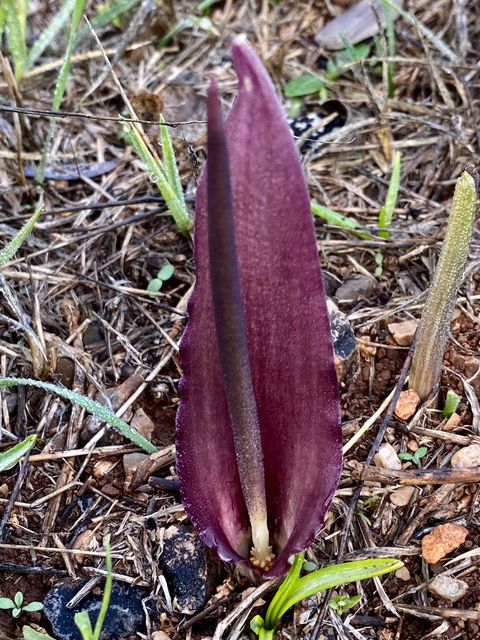
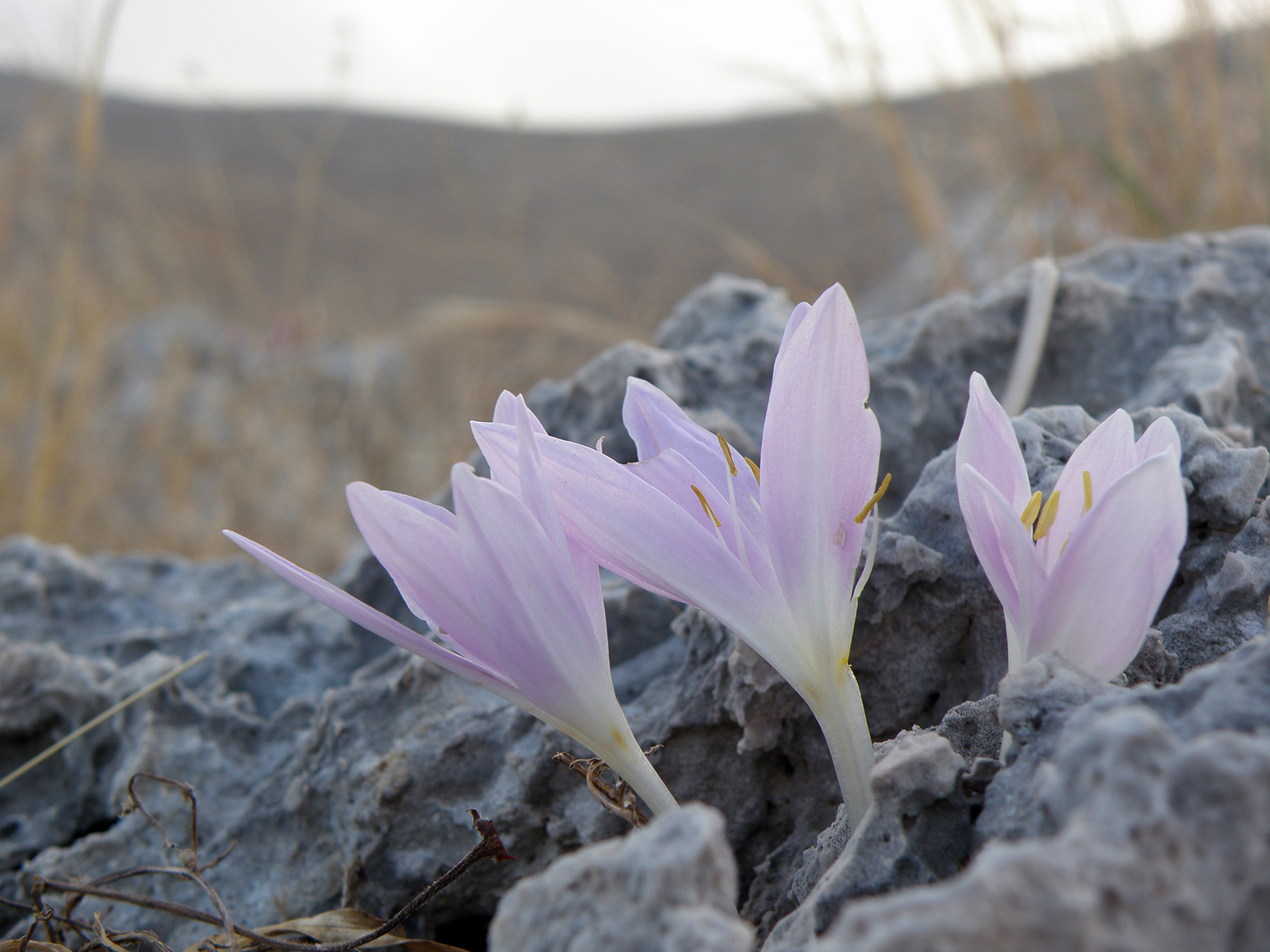
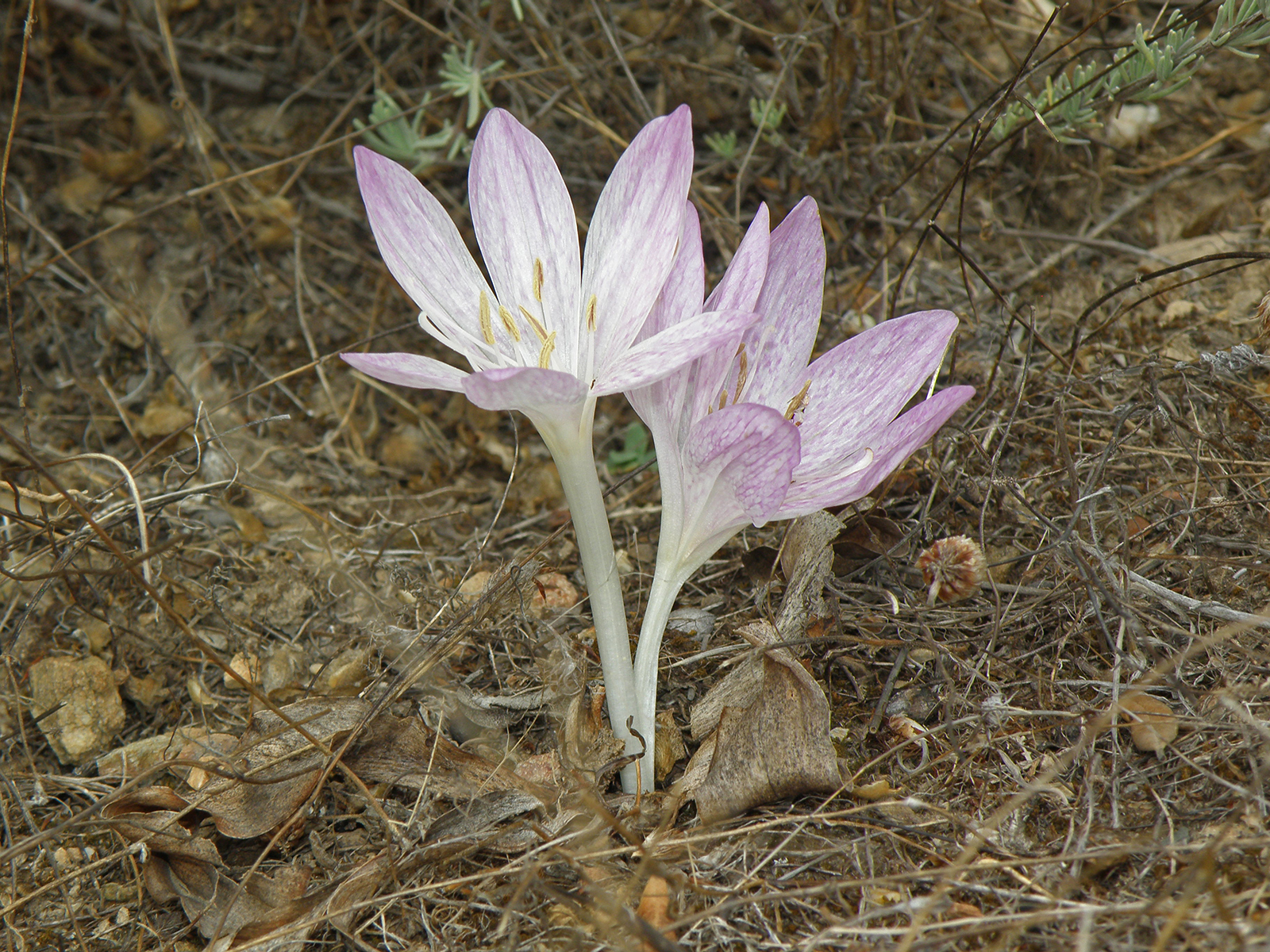
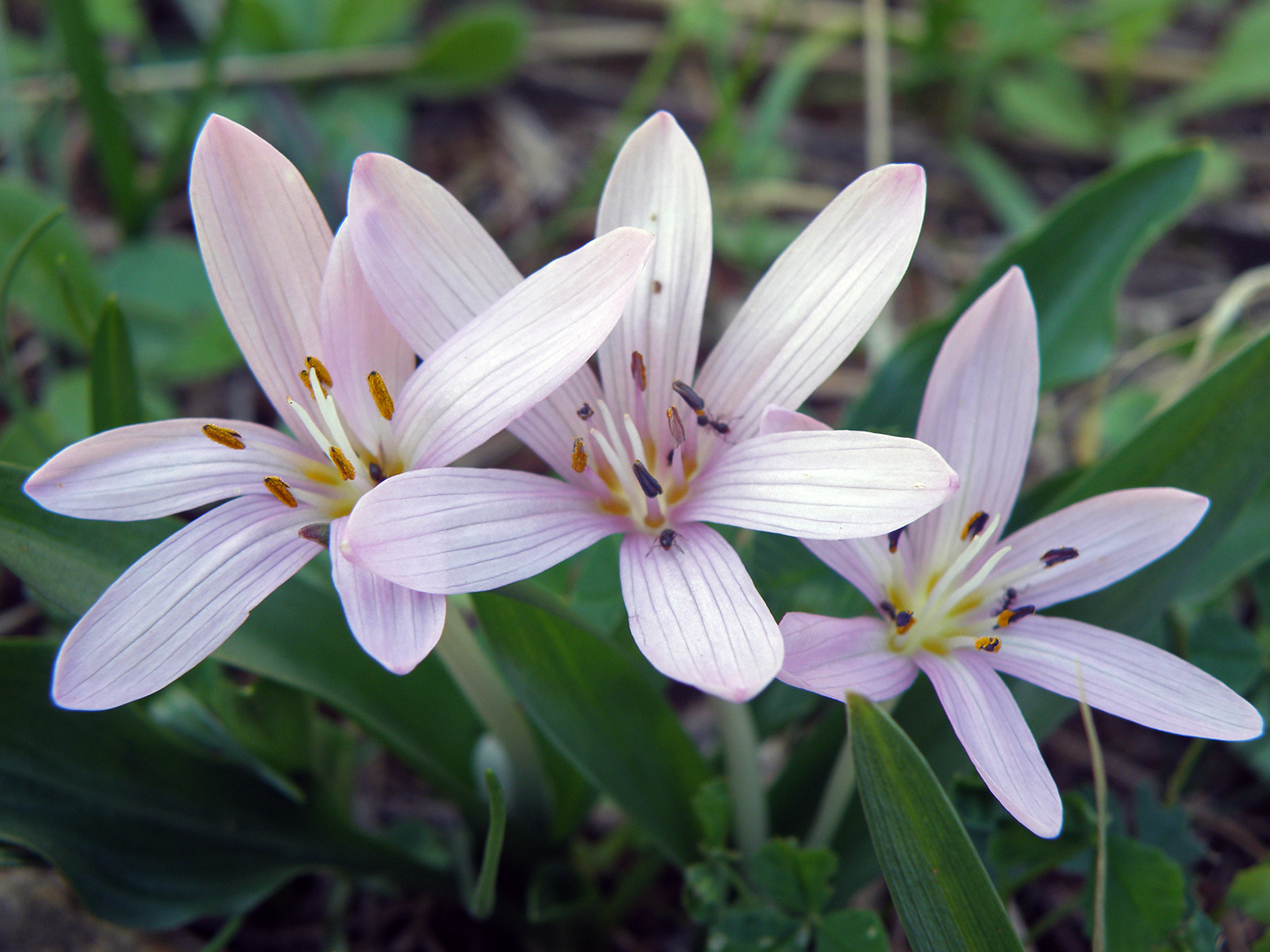
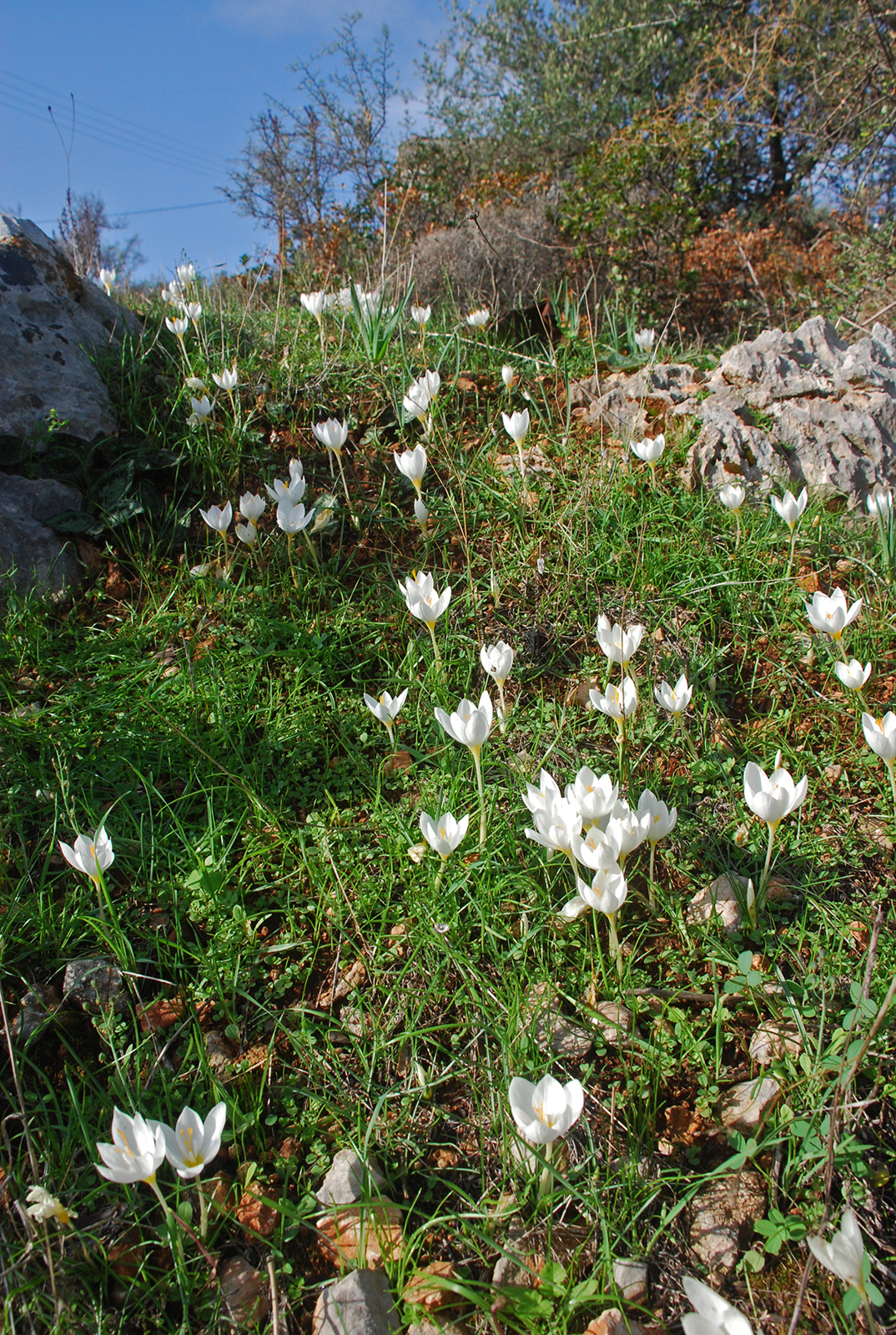
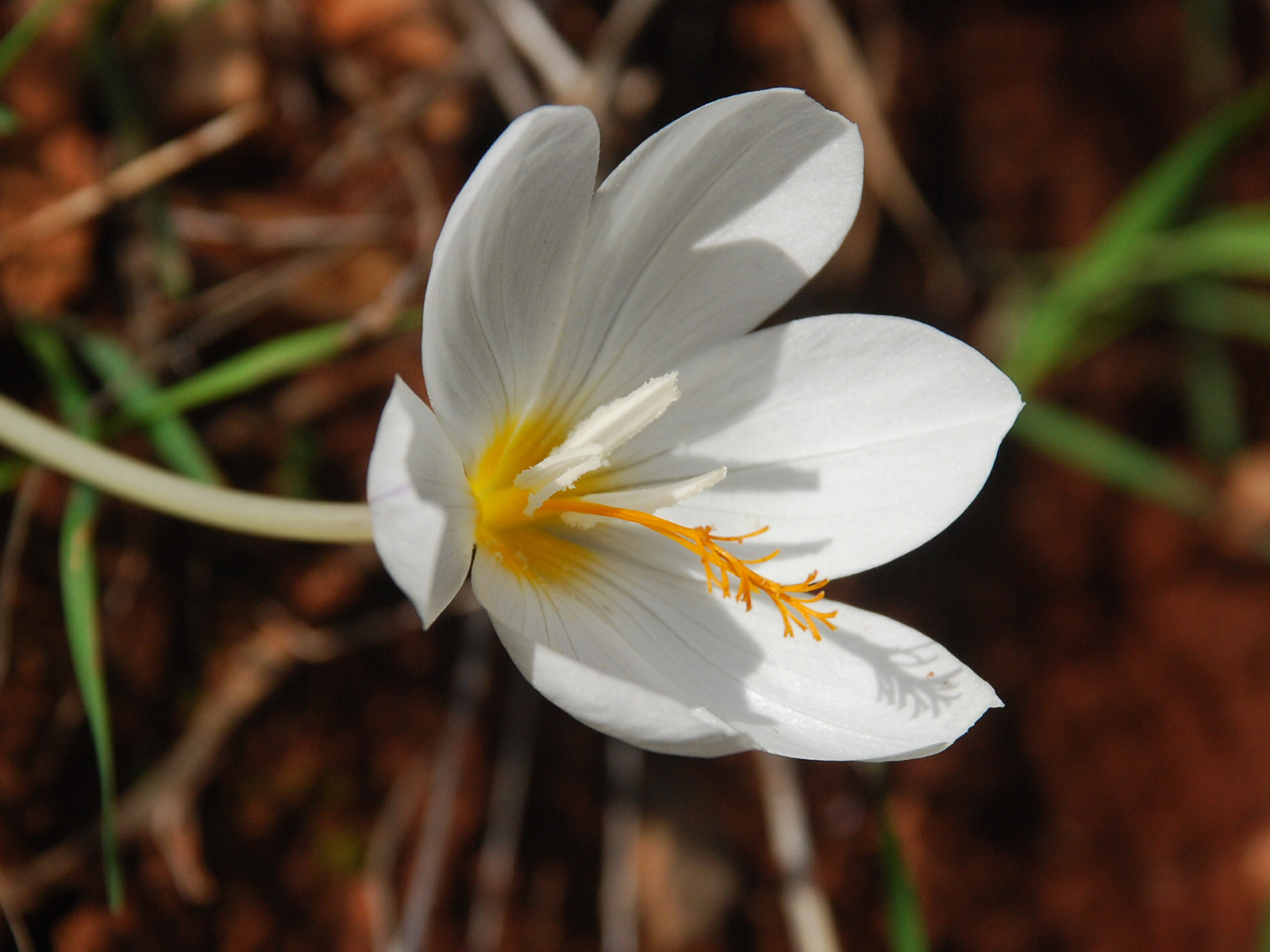
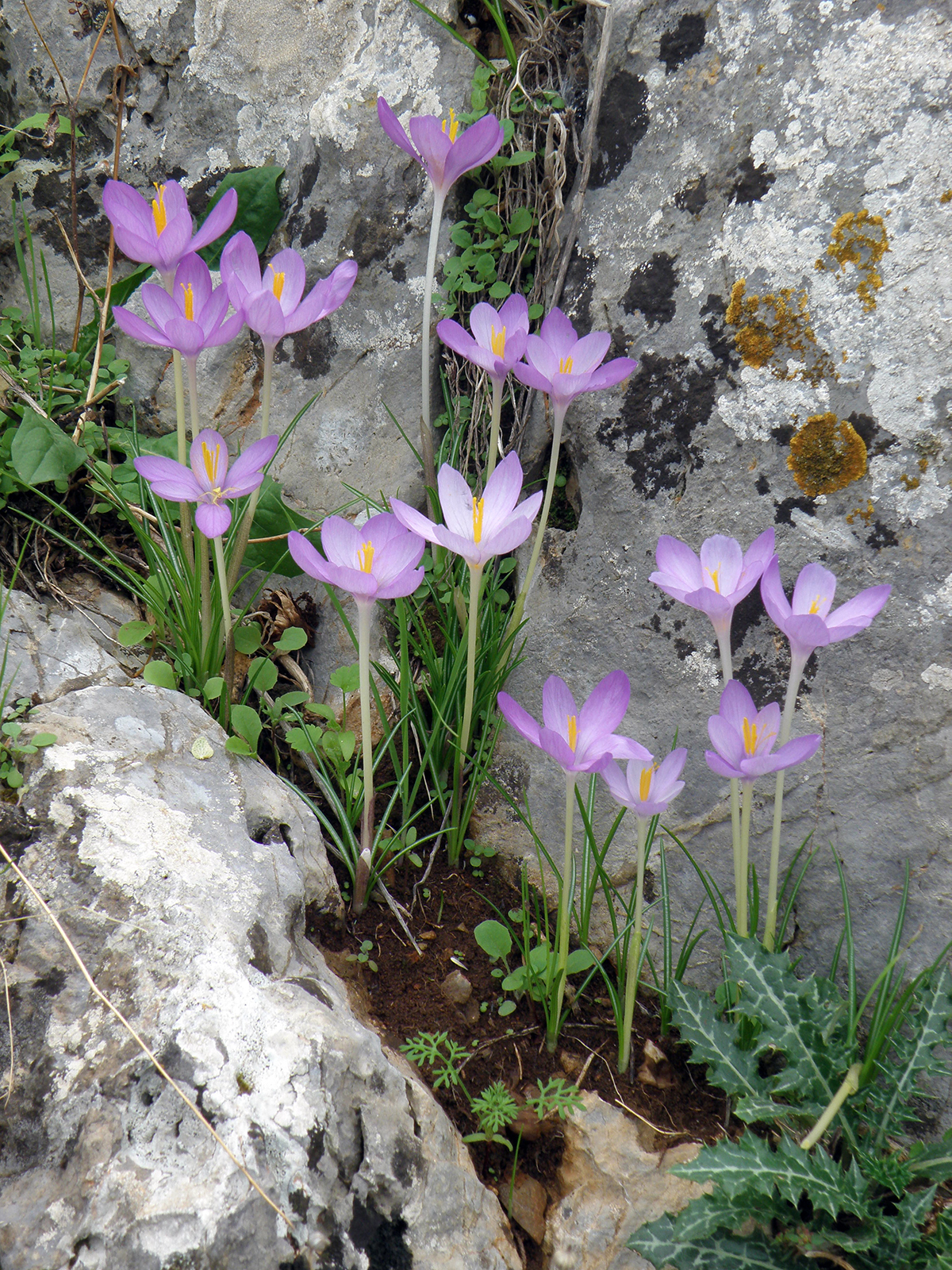
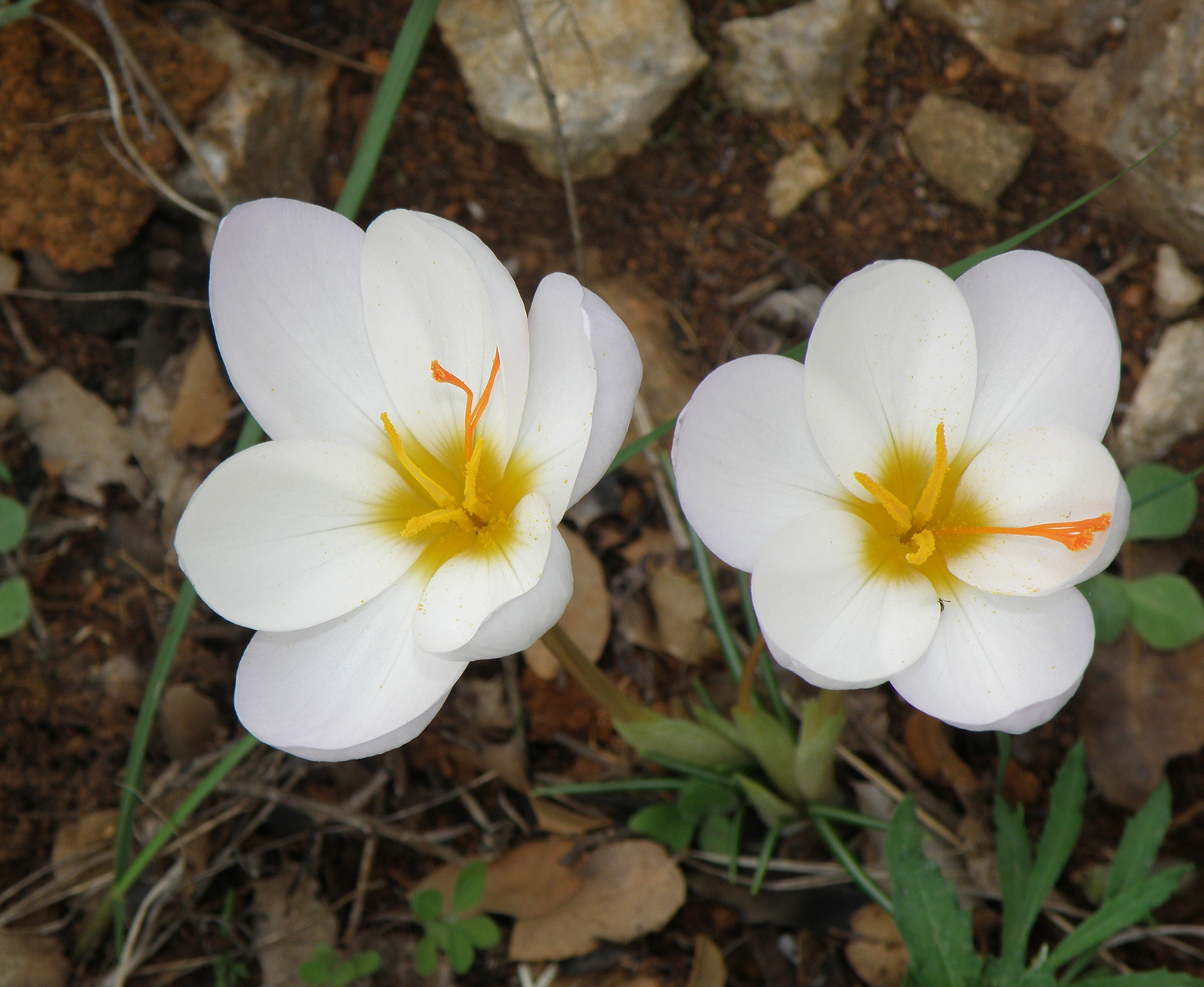
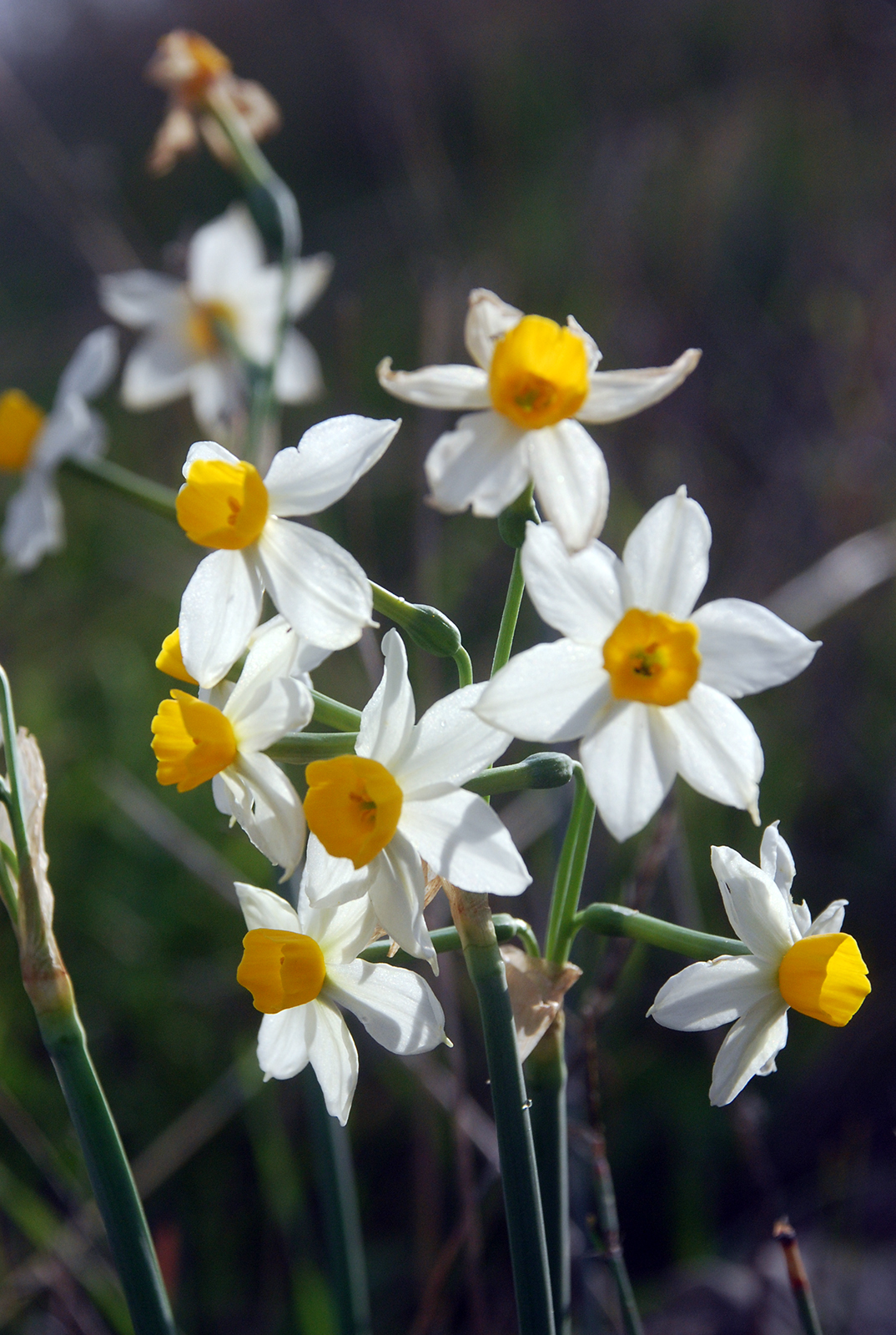
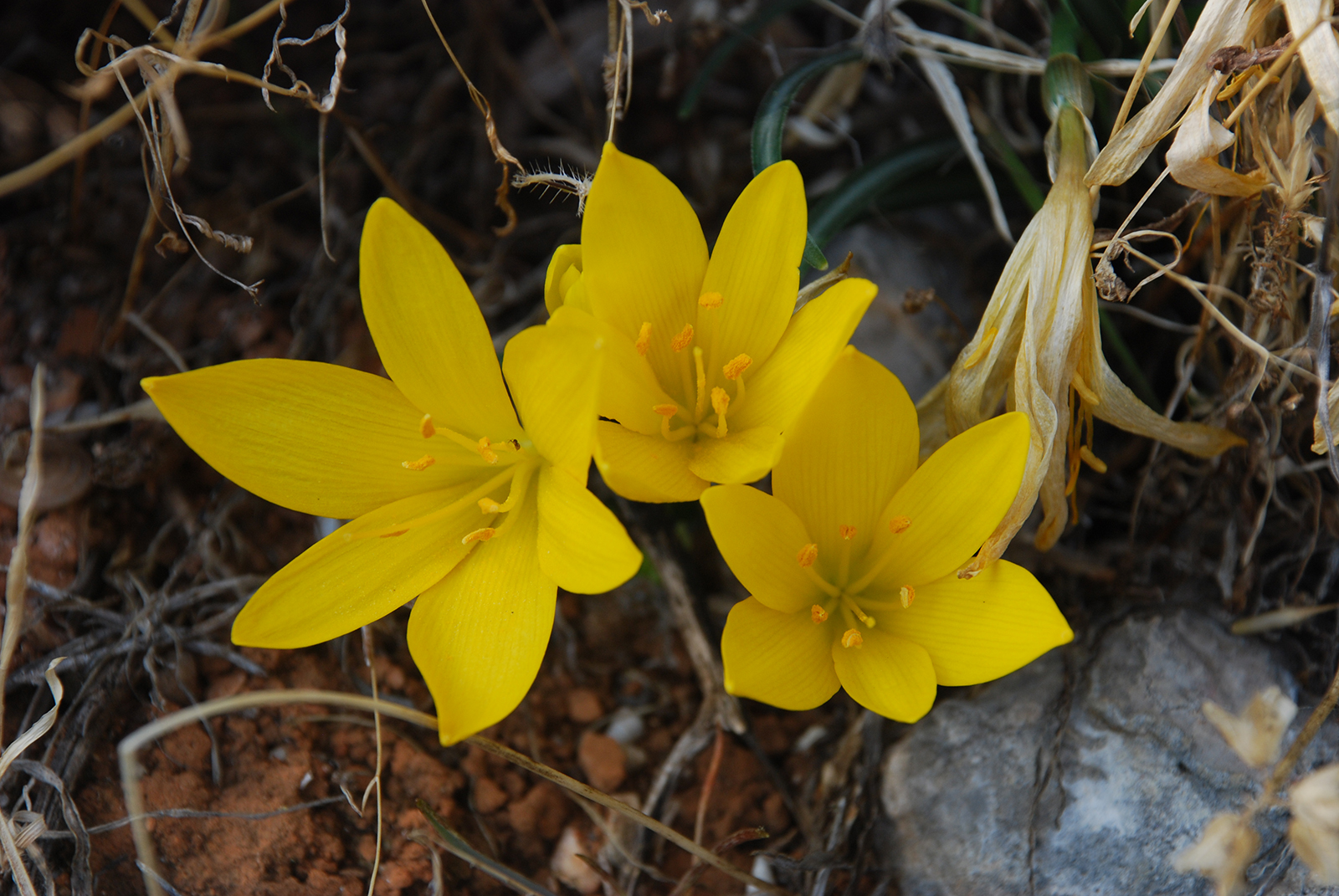
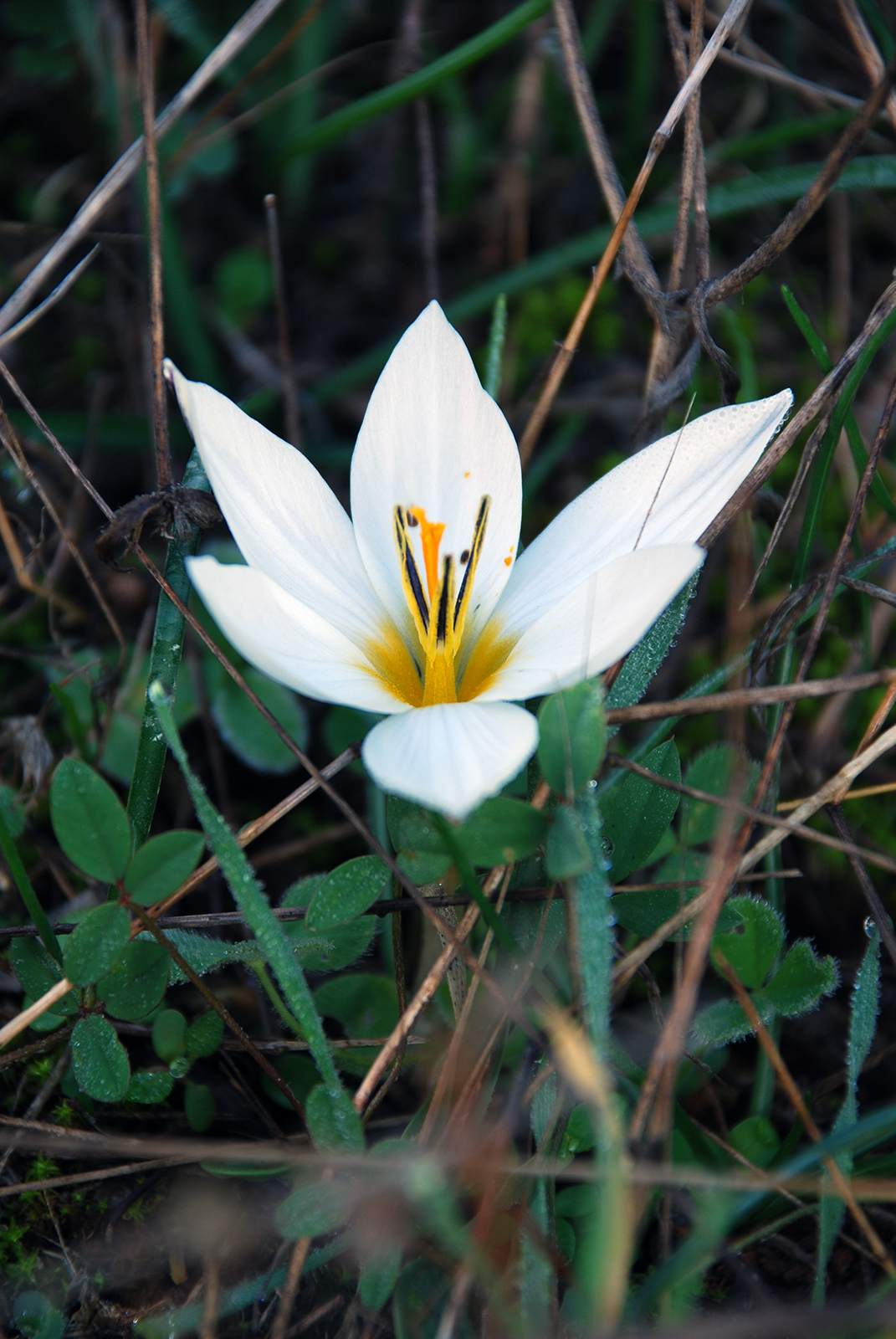
- Autumn bulbs bonanza! Crocuses, Colchicums, Cyclamens, Sternbergias, Narcissi, & Biarum
- Led by locals! Knowledgable & friendly, & experienced husband & wife team Sotiris Alexiou & Rachael Alexiou-Ayrton
- Archaeological & historic sites such as, Knossos, Mystras, the tomb of Atreas & others
- Explore numerous & varied locations such as the White Mountains, various gorges, Omalos plateau, Palm Forest of Agios Nikitas, plus some of the most beautiful caves in Europe and step foot at the gates of the Underworld!
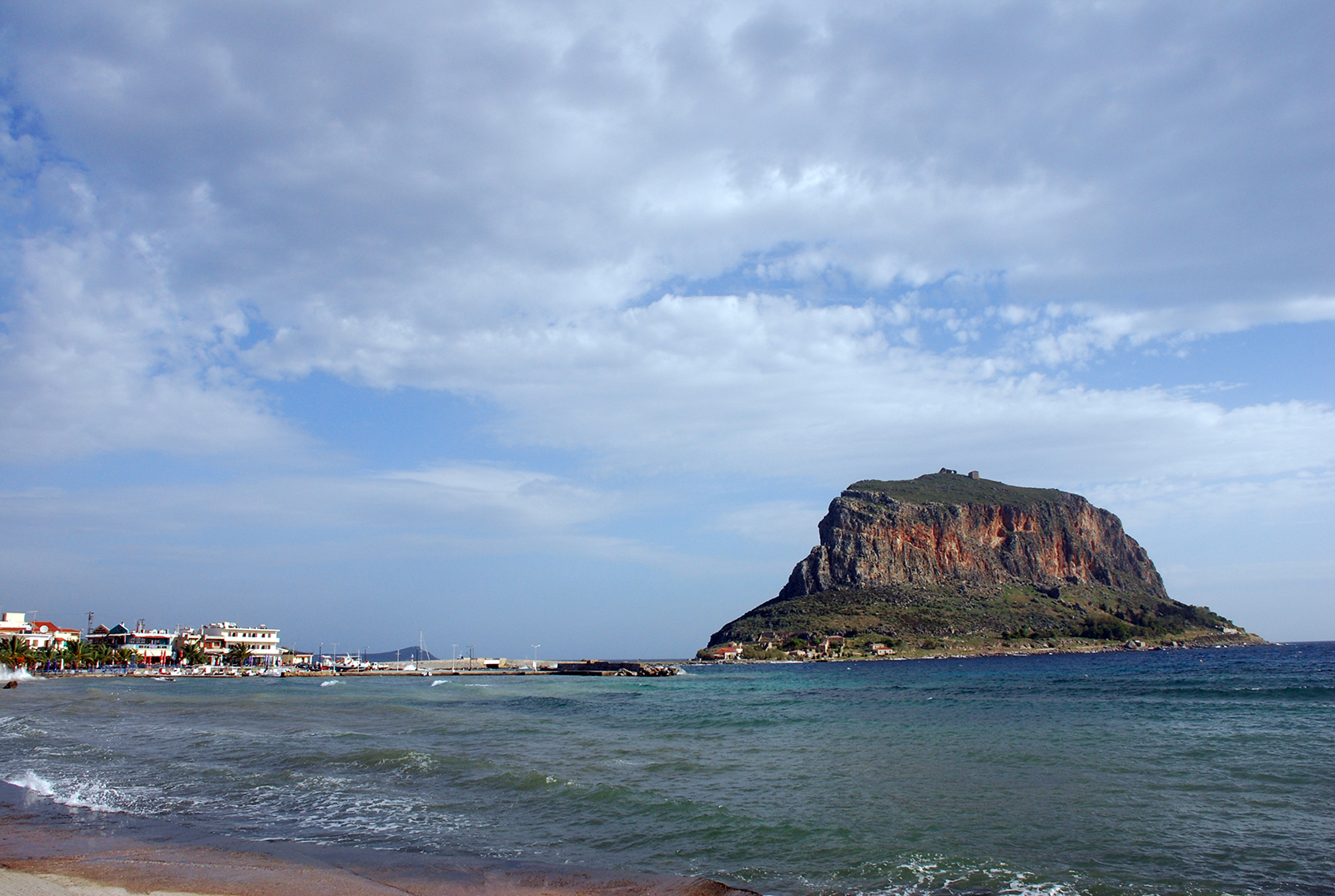
- Visit the magnificent Monemvasia – Greece’s Rock of Gibraltar!
- An opportunity to spend some time in Athens itself too – visit the Parthenon or some of the many museums
Enjoy an extended tour of Greece with us to the glorious island of Crete & the wonderful Peloponnese Peninsula!
Take an extended tour of Greece with us to Crete & the Peloponnese. Timed to see the best of the Mediterranean autumn wildflowers and in some of the finest natural areas and historical locations this glorious country has to offer!
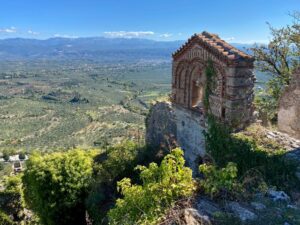
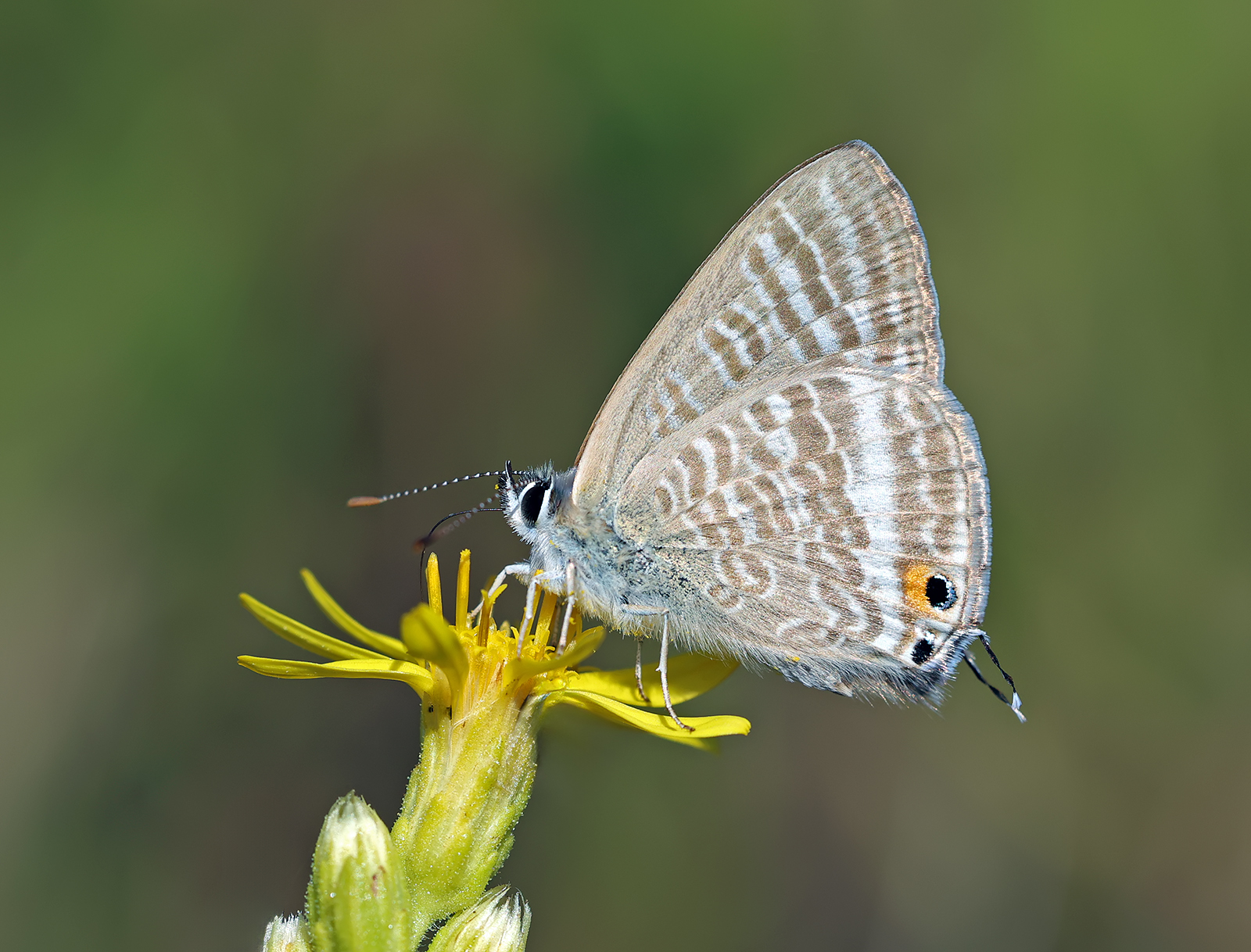
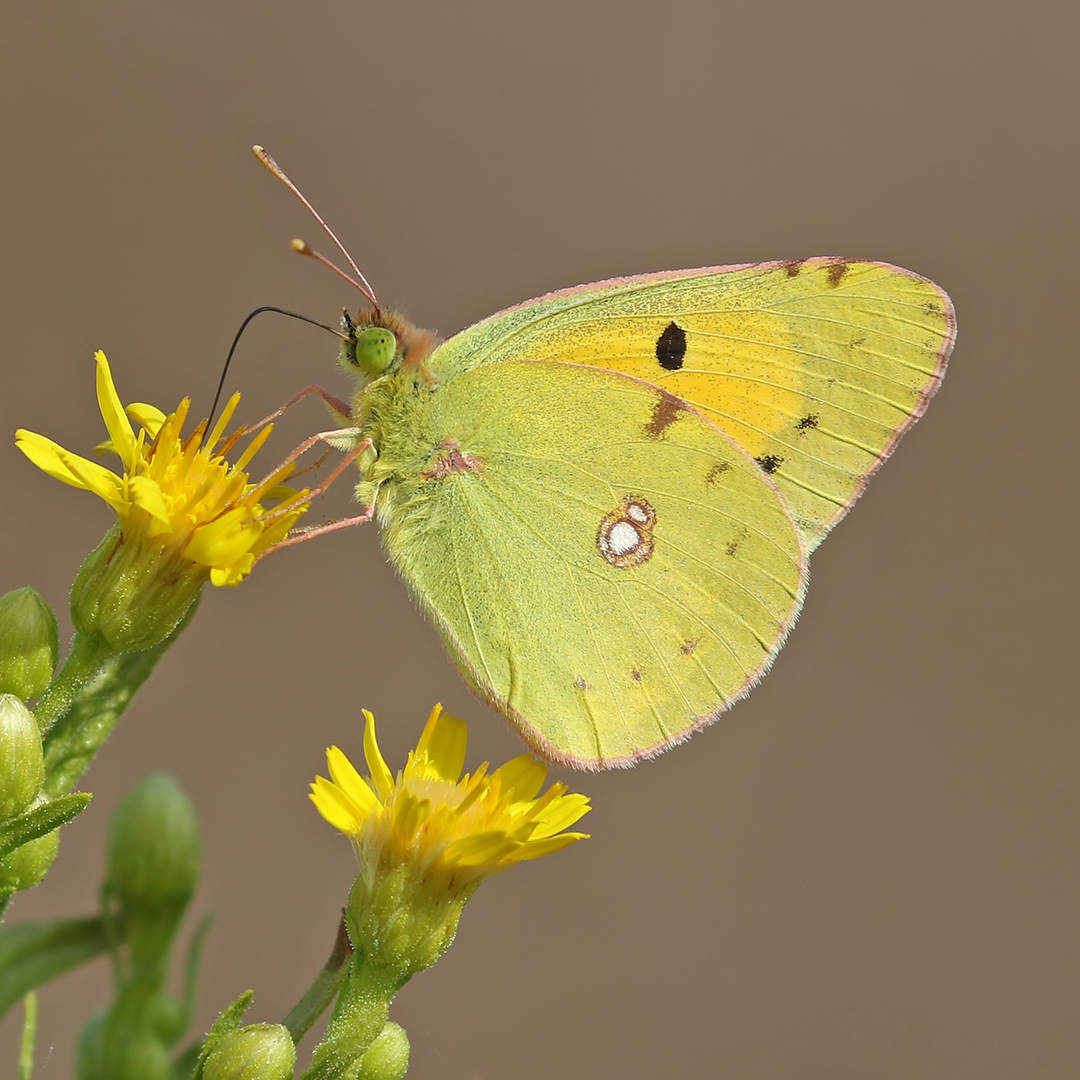
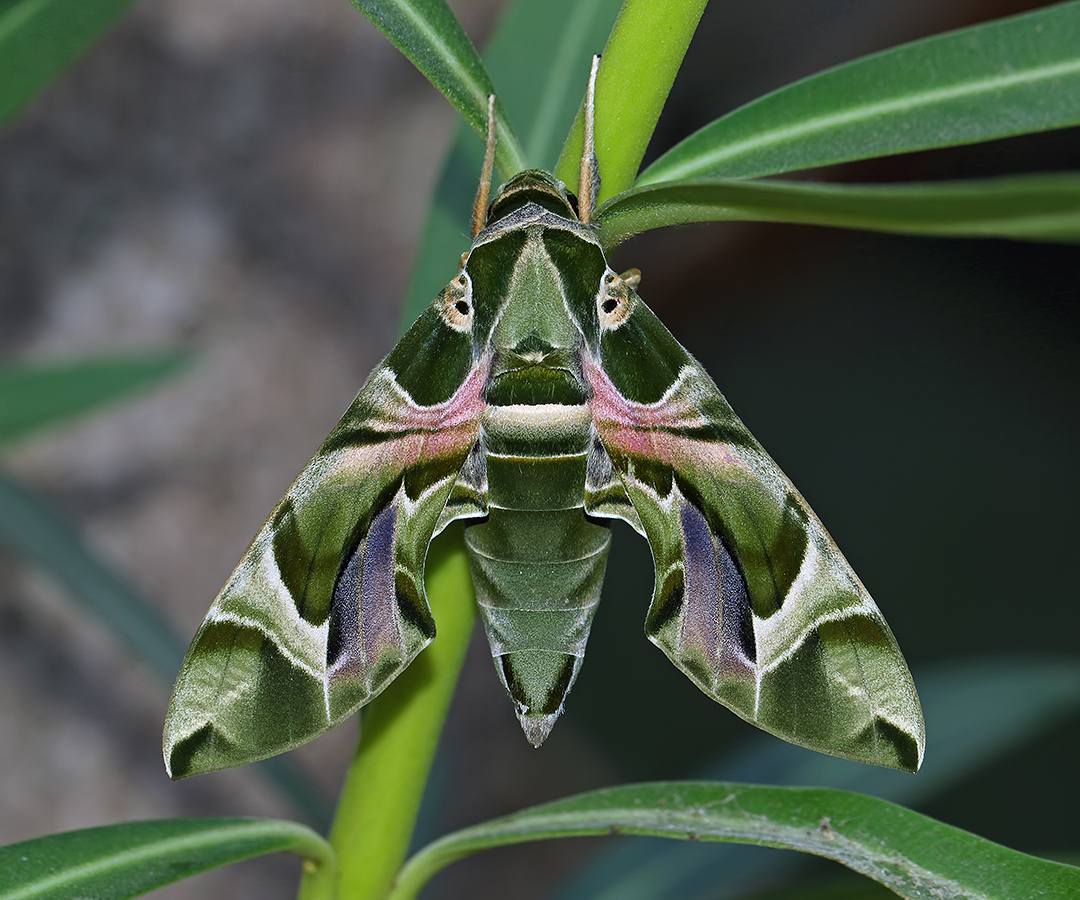
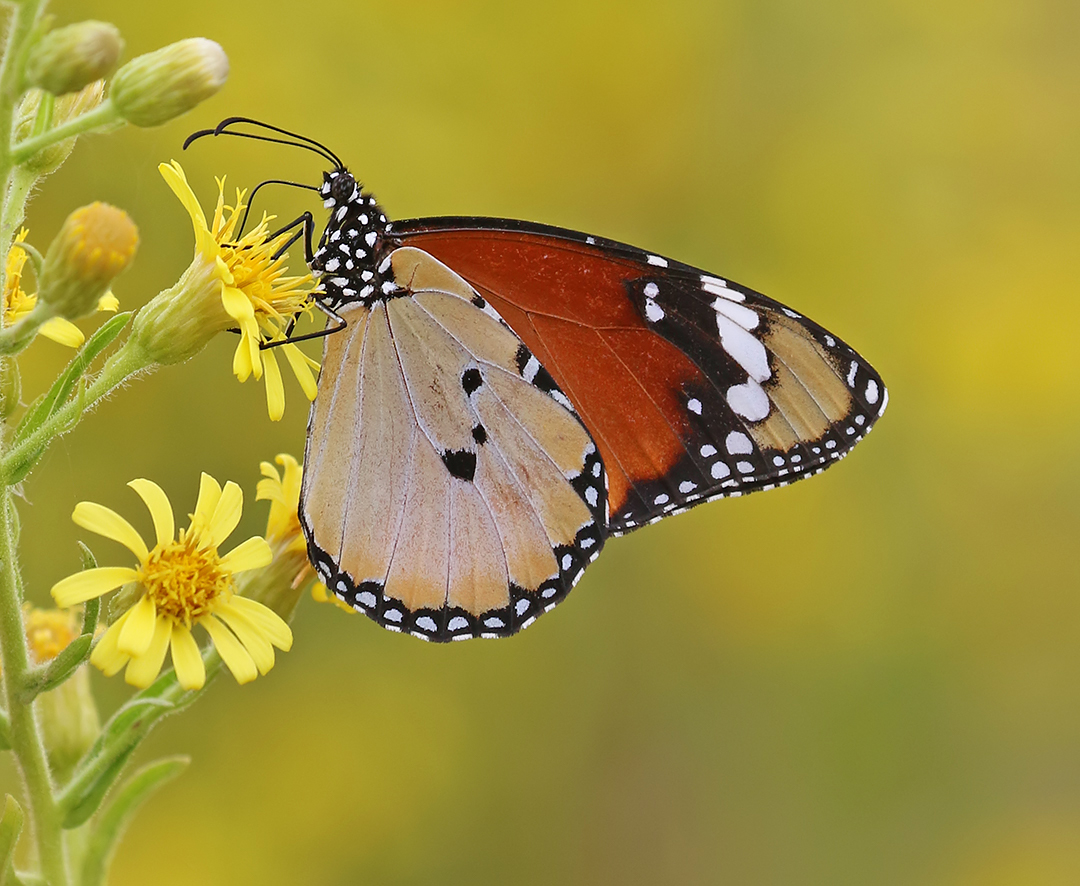
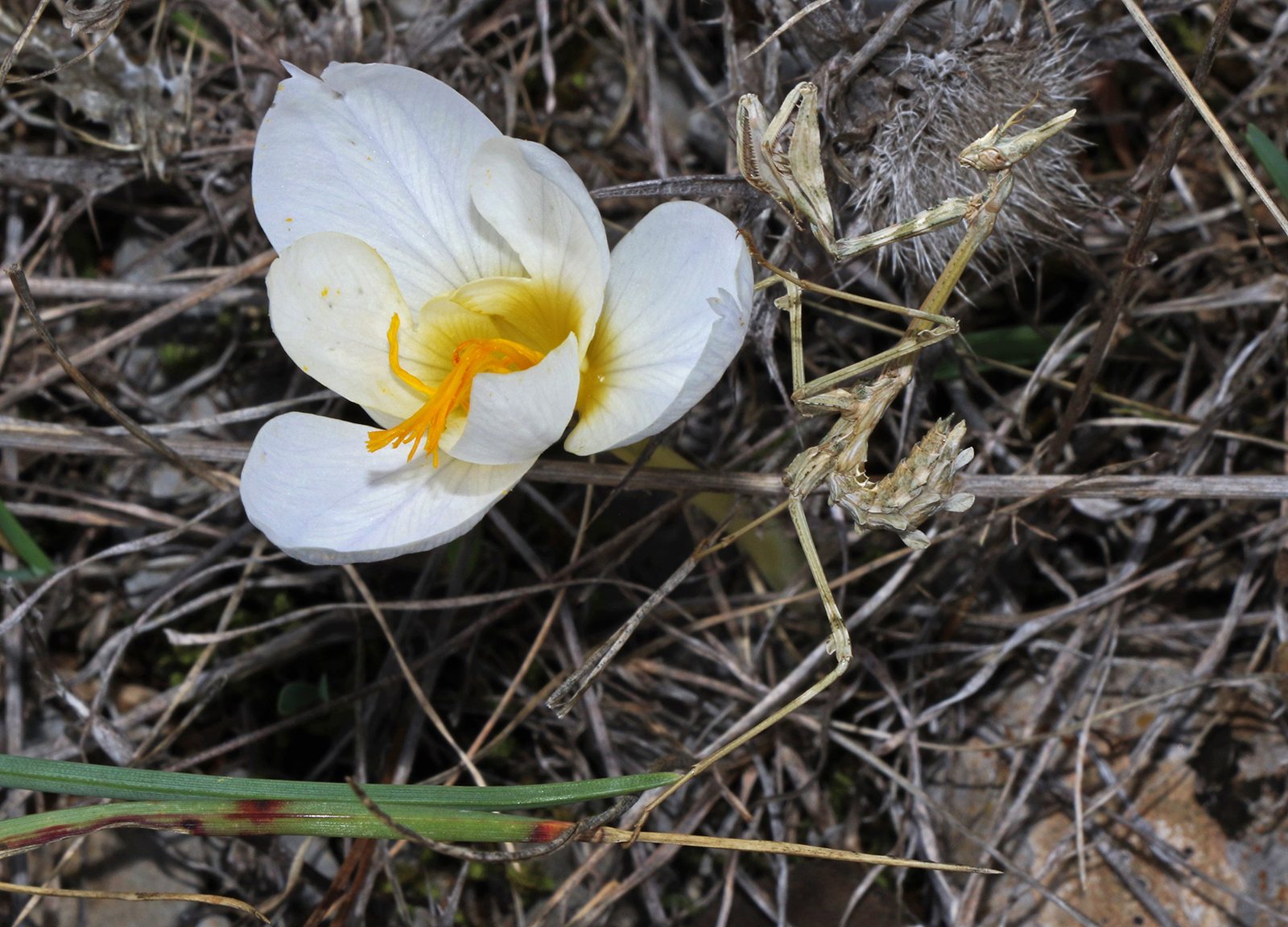
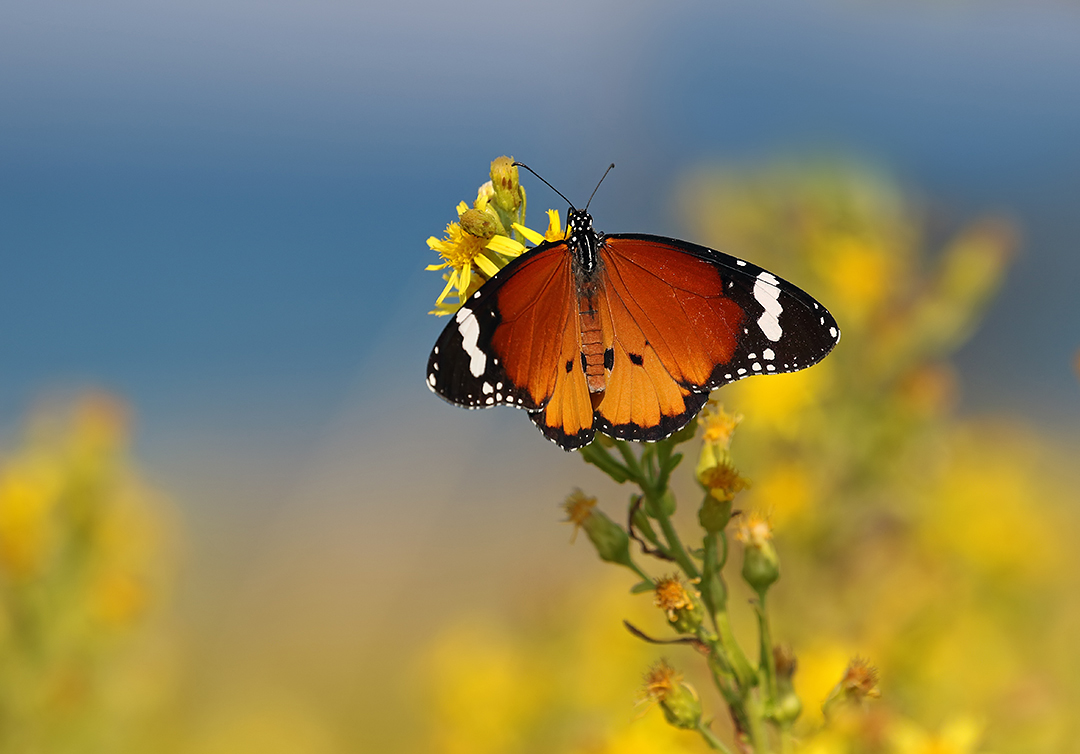
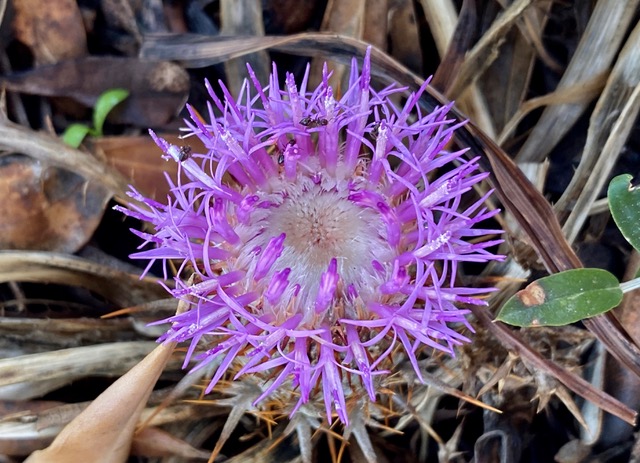
Autumn is a delightful time to visit with pleasant temperatures and plenty of sunshine. Crete has a typical mediterranean climate and spring, (as we know it in Britain) arrives with the autumn rains and subsequent flowering of the numerous bulbs on the island. Crete is one of Greece’s most botanically rich islands and we will spend a leisurely time looking for Crocuses, Colchicums, Cyclamen, Narcissus, Sternbergia and Scillas blooming, among others. Unlike the cooler areas in Europe at this time of year, we can also expect to see at least a dozen species of butterfly on the wing, including a couple of endemics, Cretan Grayling and Cretan Argus. We may also note some interesting birds including Griffon Vultures, Red-billed Chough, Eleonora’s Falcons and Lammergeiers. We start at Chania, situated in west of the island, between the White Mountains and the Cretan Sea. It is the most beautiful city in Crete and for some in the whole of Greece. From Chania we’ll venture out to have a look at some of our first Cretan bulbs, like Crocus cartwrightianus, Crocus pumilus and Colchicum cupanii among other flora and fauna, at Falasarna and nearby areas. Later, we’ll take a stroll along the pretty Venetian harbour of Chania and dine in one of the many waterfront restaurants. The White Mountains “Lefka Ori” and Omalos Plateau (1,000m above sea level) will be our next destination. Beautiful bulbs are expected here, like Colchicum pussilum and C. cretense, against the backdrop of some stunning views. The mountain is home to the endemic kri-kri or Agrimi (Cretan or Wild Goat) as well as Griffon and Bearded Vulture. We will also visit the Omalos Plain at the top of the Samaria Gorge to see Colchicum cretense, Colchicum macrophyllum and also look for some of the rarer Crocuses such as Crocus cartwrightianus and Crocus oreocreticus. We should also see Allium callimischon, Sternbergia lutea and other bulbs here. A drive through the eastern foothills of Lefka Ori will take usdown to the south of the island, through the impressive Topolia Gorge, an impressive 1.5 km long, very narrow and deep gorge, full of smaller and bigger caves. We will visit one of them, the Agia Sophia cave, with a small chapel inside! We will also visit the Palaeochora area in SW Crete for bulbs, like Crocus oreocreticus and Colchicum macrophyllum as well as Biarum davisii, Allium callimischon, Sternbergia lutea and others. At the Akrotiri Peninsula we will visit two remarkable Orthodox monasteries-castles and botanize in the surrounding rocky terrain and the fantastic natural scenery of Katholiko Gorge. From here we also transfer to our second base to a charming and historical village in central Crete. Another day we’ll explore Spili and the famous meadows above it, as well as Kourtaliotis gorge and Preveli monastery. We will visit the Palm Forest of Agios Nikitas for the famous & endemic Cretan Palm Phoenix theophrasti. We will also see many bulbs, such as Cyclamen graecum, Prospero autumnalis and Narcissus obsoletus. Mount Psiloritis, at 2.456m, is the highest mountain in Crete draws everyone gaze to its imposing mass and that will include us! As well as botanising it, we will aim to reach the high altitude, where the famous Nida plateau lies and Idaion Antron cave, the birthplace of Zeus. Crete is as rich in history as it is in nature and myth. One can’t visit the island without seeing Knossos, the oldest city in Europe and centre of the Minoan civilization. We will visit the monumental Palace of Minos, with its association with the Greek myth of Theseus and the minotaur. And then continue with bulb-hunting at Mt Giouchtas, a small mountain that hosts its own share of bulbs and beauties, like Crocus tournefortii and Colchicum balansae. Our adventure contunues on the mainland, where upon arrival in Athens we’ll head west and across the Corinthian Canal to the Peloponnese Peninsula. Southern Greece and the Peloponnese peninsula have a typical Mediterranean climate with mild, wet winters and hot dry summers. Spring really starts in the autumn with the coming of the rains; the first plants to flower are the many bulbs of the area. Our holiday has been timed to see the best of the Mediterranean autumn wildflowers in some of the best areas in the Peloponnese, Tayetos and Mani. Tayetos, the highest mountain in the Peloponnese, features a fascinating flora. We can expect to explore up to around 1800m to enjoy the range of flowers and mix of evergreen and deciduous forests. The Mani peninsula supports a diverse range of flowers too. On this tour we can expect to see Colchicum, Cyclamen, Sternbergia, several species of Crocus, a Galanthus and possibly a Biarum as well. The focus of the holiday will be on finding and photographing the plants and enjoying the other natural history in this beautiful autumn landscape, as well as soaking up the local culture. We shall take in a number of archaeological areas, such as the Treasury of Atreus, (possibly Epidauros) and Mystras, the magnificent Byzantine city on the slopes of the Tayetos and smaller Byzantine churches that we come across. We shall also visit the Mani to see the fortified towers. The Peloponnese is a peninsula that covers an area of some 21,549.6 square kilometres and constitutes the southernmost part of mainland Greece. It is connected to the mainland by the narrow Isthmus of Corinth. It is said to derive its name, Peloponnesos, or the island of Pelops, from the mythical King of the region. The area is also steeped in history; this is the land of Mycenae, Sparta and Olympia; the Greek war of independence started here in 1821. The Mycenaean civilization, mainland Greece’s first major civilization, dominated the Peloponnese in the Bronze Age from its stronghold at Mycenae in the north-east of the peninsula. Central Peloponissos is dominated by Mt Menalos and in the south are two long mountain ranges, the Tayetos and the Parnonas. It is a very diverse area encompassing high snow-capped mountains with extensive woods, rocky scrub, gorges and wetlands. The southern part of the Tayetos is known as the Mani peninsula, a rugged, barren place, home to high towers and feuding Greeks, wonderfully described by Patrick Leigh Fermor in his book ‘Mani’. He writes ‘There is hardly a rock or a stream without a battle or a myth, a miracle or a peasant anecdote or a superstition’ It is also possible to do each tour separately, here are links to to the individual pages for Crete and The Peloponnese.


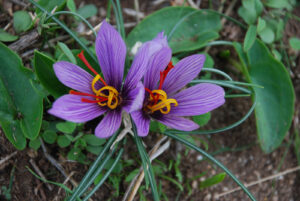
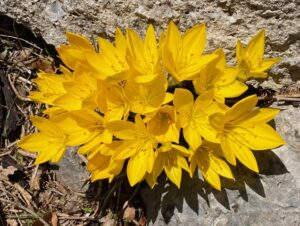
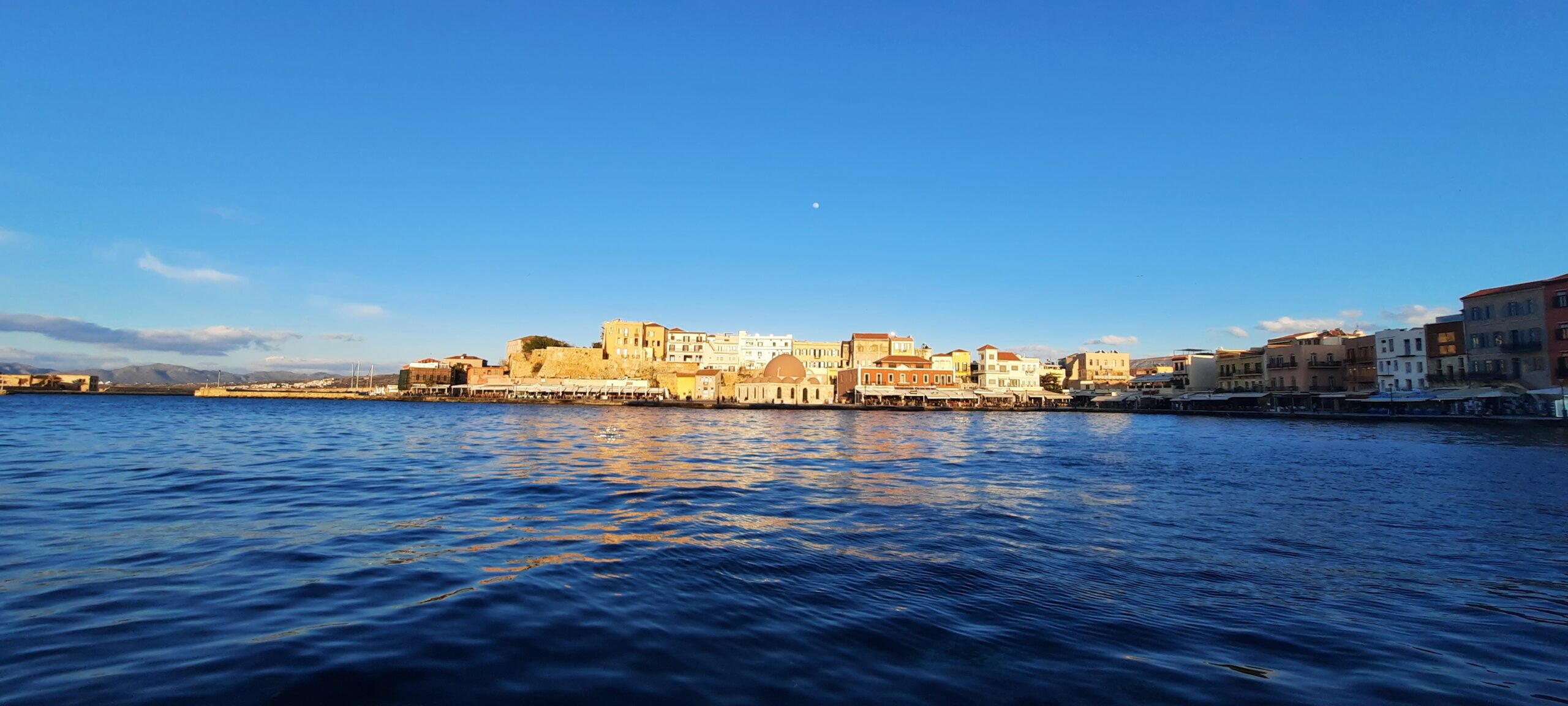
Day 1 (10th Oct): Arrival at Chania airport and transfer to our hotel near Chania and right next to the sea. We’ll venture out to have a look at some of our first Cretan bulbs, like Crocus cartwrightianus, Crocus pumilus and Colchicum cupanii among other flora and fauna, at Falasarna and nearby areas. Later, we’ll take a stroll along the pretty Venetian harbour of Chania and dine in one of the many waterfront restaurants.
Day 2: The White Mountains “Lefka Ori” and Omalos plateau (1,000m above sea level). Beautiful bulbs are expected here, like Colchicum pussilum and C. cretense, against the backdrop of some stunning views. The mountain is home to the endemic kri-kri or Agrimi (Cretan or Wild Goat) as well as Griffon and Bearded Vulture.
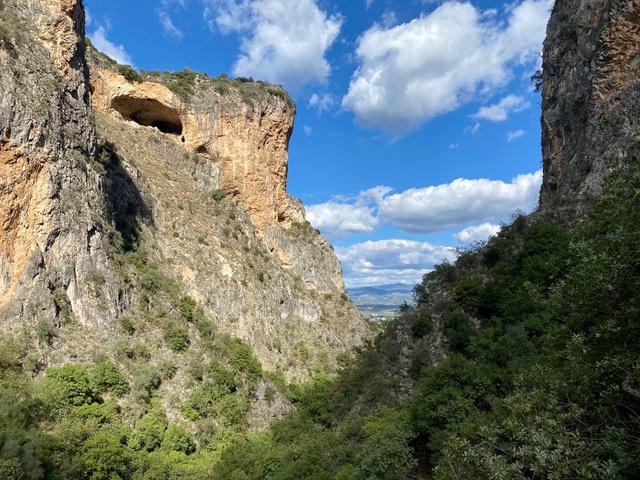
Day 3: We will drive through the east foothills of Lefka Ori down to the south of the island, through the impressive Topolia gorge, an impressive 1.5 km long, very narrow and deep gorge, full of smaller and bigger caves. We will visit one of them, the Agia Sophia cave, with a small chapel inside! We will also visit the Palaeochora area in SW Crete for bulbs, like Crocus oreocreticus and Colchicum macrophyllum as well as Biarum davisii, Allium callimischon, Sternbergia lutea and other bulbs.
Day 4: A visit at Akrotiri peninsula to visit two remarkable Orthodox monasteries-castles and botanize in the surrounding rocky terrain and the fantastic natural scenery of Katholiko gorge. Transfer to Αrchanes.
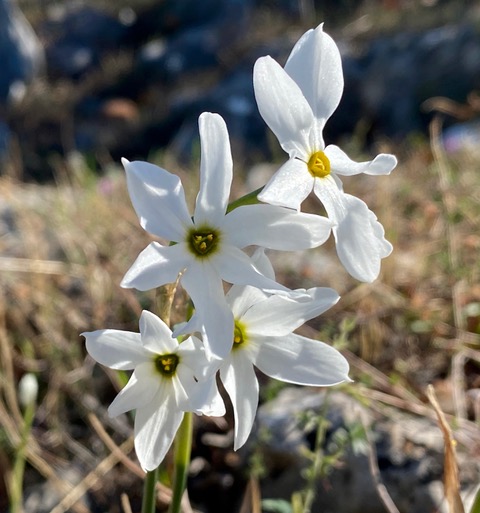
Day 5: Spili and the famous meadows above it, as well as Kourtaliotis gorge and Preveli monastery. We will see the famous endemic palm of Crete, Phoenix theophrasti among many bulbs like Cyclamen graecum, Prospero autumnalis and Narcissus obsoletus.
Day 6: The day is dedicated to Mt. Psiloritis, the highest mountain on the island of Crete, and depending on the weather we will reach the high altitudes, where the famous Nida plateau lies and Idaion Antron cave, the birth place of Zeus.
Day 7: We start our day with a visit to the oldest city of Europe, Knossos, major centre of the Minoan civilization, with the monumental Palace of Minos and its association with the Greek myth of Theseus and the minotaur. And continue with bulb-hunting at Mt Giouchtas, a small mountain that hosts its own share of bulbs and beauties, like Crocus tournefortii and Colchicum balansae.
Day 8 (17 Oct): Transfer to airport of Chania for internal flight to Athens. Free time to spend in Athens.
Overnight Athens
Day 9 (18 Oct): Meet at Athens Airport.
Transfer to the small town of Loutraki, just next to the Korinthian Canal, where we will spend our first three nights.
Depending on the available time we will make our first visit to a nearby large population of Crocus cancellatus.
Overnight in Loutraki
Day 10: Today we will drive into mountainous Korinthia and look for species such as Colchicum cupanii, Crocus cancellatus, Crocus melantherus, Crocus cancellatus, Crocus hadriaticus and Crocus laevigatus. We will also visit the mountain of Gerania for more Crocus and Colchicum bivonae.
Overnight in Loutraki
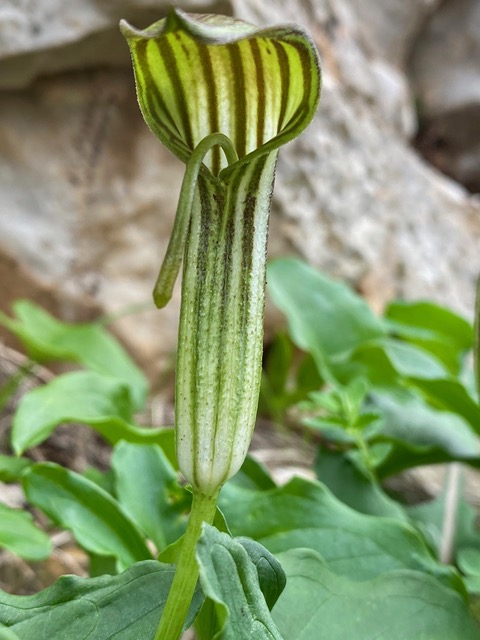
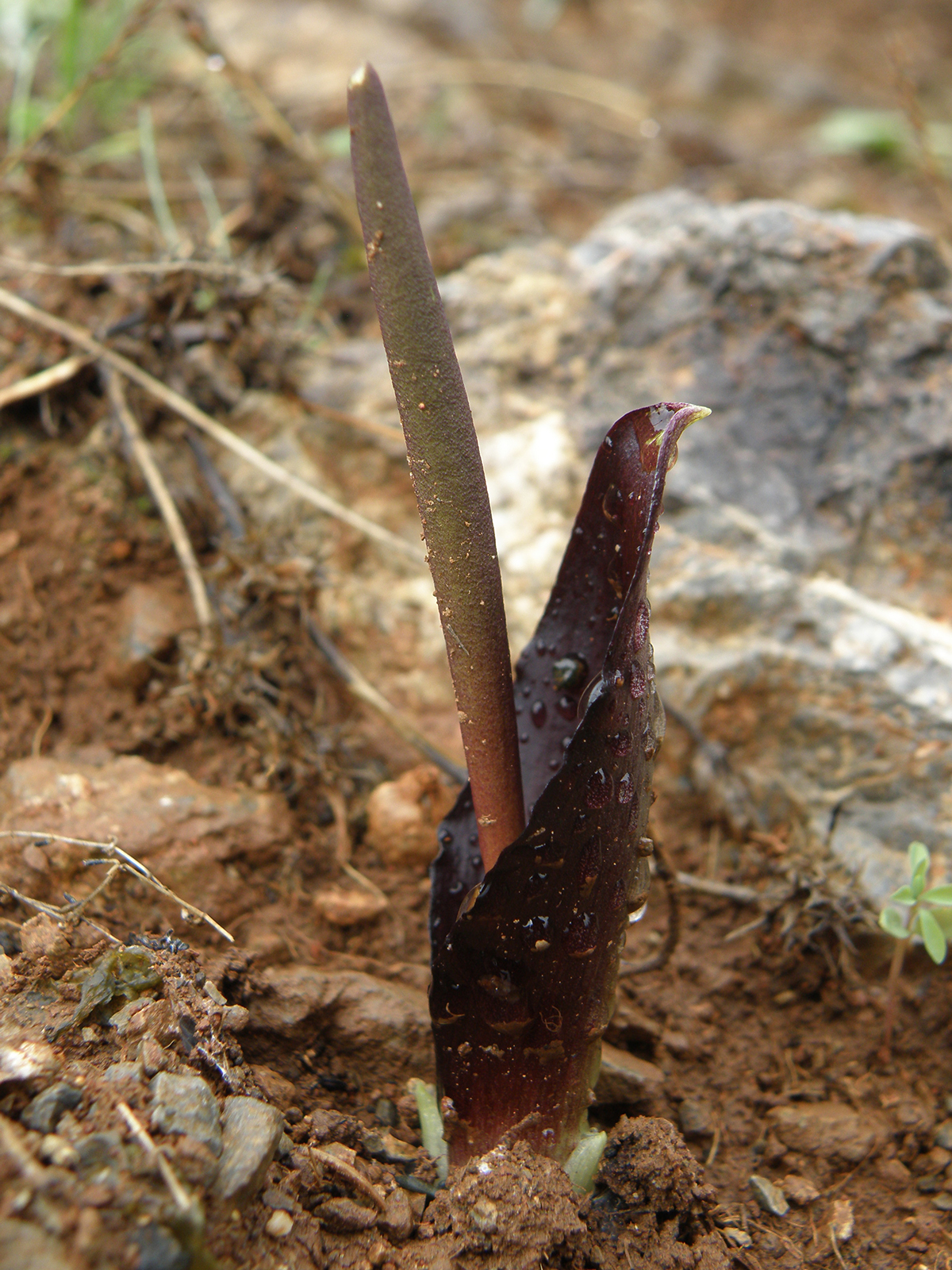
Day 11: We head out to explore the low hillsides of Attiki area, where we can expect to find species such as Colchicum lingulatum, Colchicum bivonae, Colchicum cupanii, Crocus cancellatus and Crocus laevigatus. Depending on the season Colchicum atticum and Crocus cartwrightianus may well be in flower. We will see a huge population of Biarum tenuifolium.
Overnight in Loutraki
Day 12: We dedicate this day to the high mountain of Ziria. Many of the previous species we’ve seen are expected to be seen again, but also some other species such as Colchicum graecum and the rare Colchicum pulchellum. Also we will see the rare Colchicum peloponnesiacum.
Overnight in Loutraki
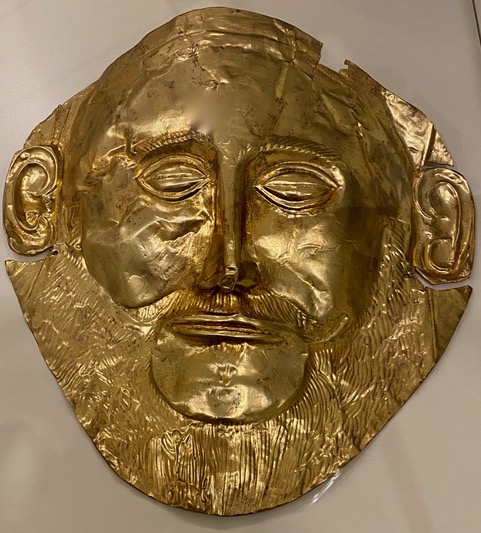
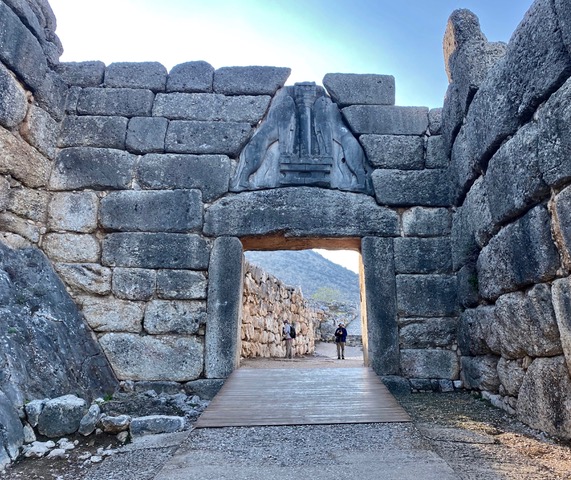
Day 13: We visit the ancient site of Mycenae, capital of the first, oldest, civilization of mainland Europe, Mycaenean Civilization (1750-1050 BC). It is where king Agamemnon, the leader of the Troy expedition, ruled and where his tholos tomb, among nine others, still exists today.
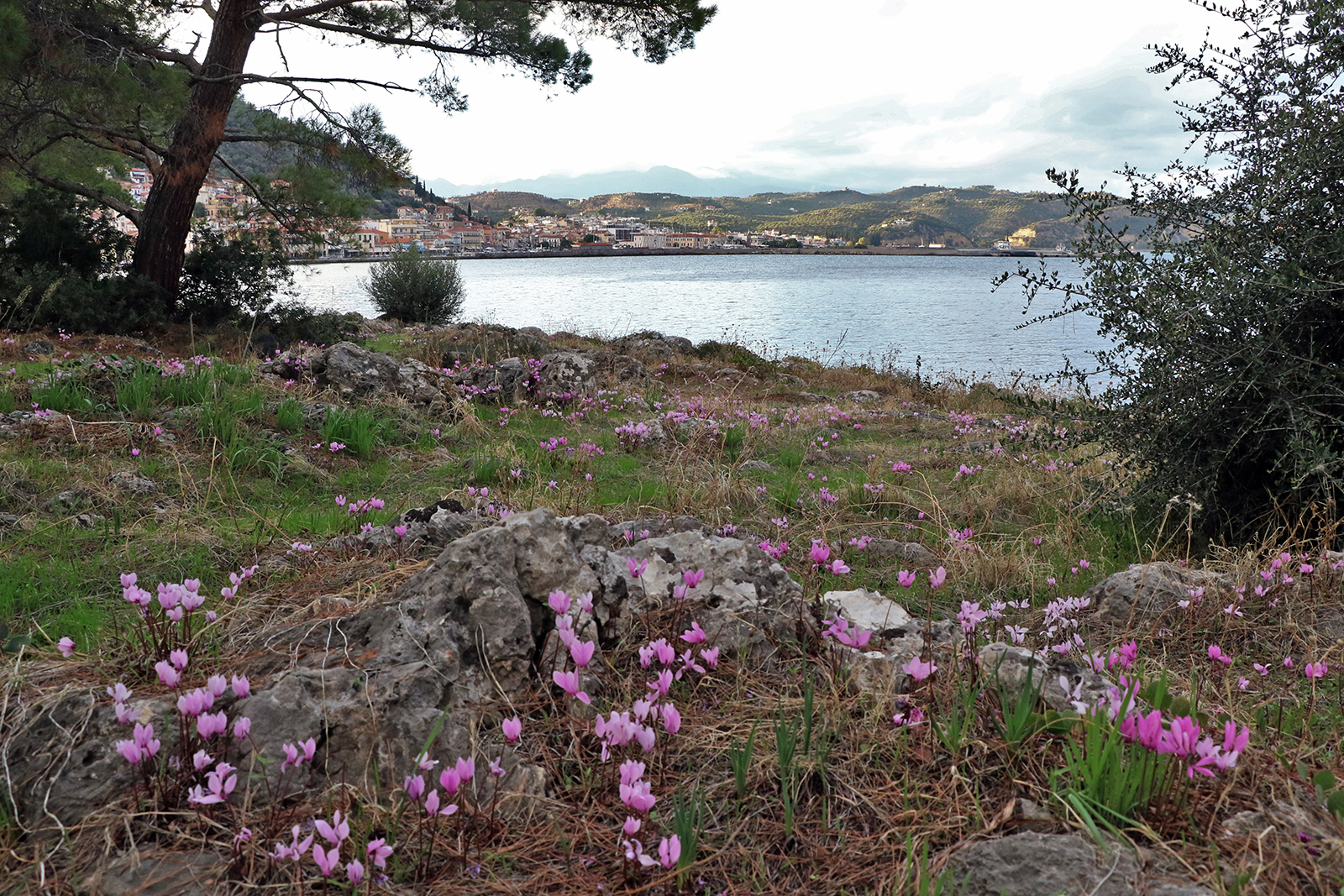
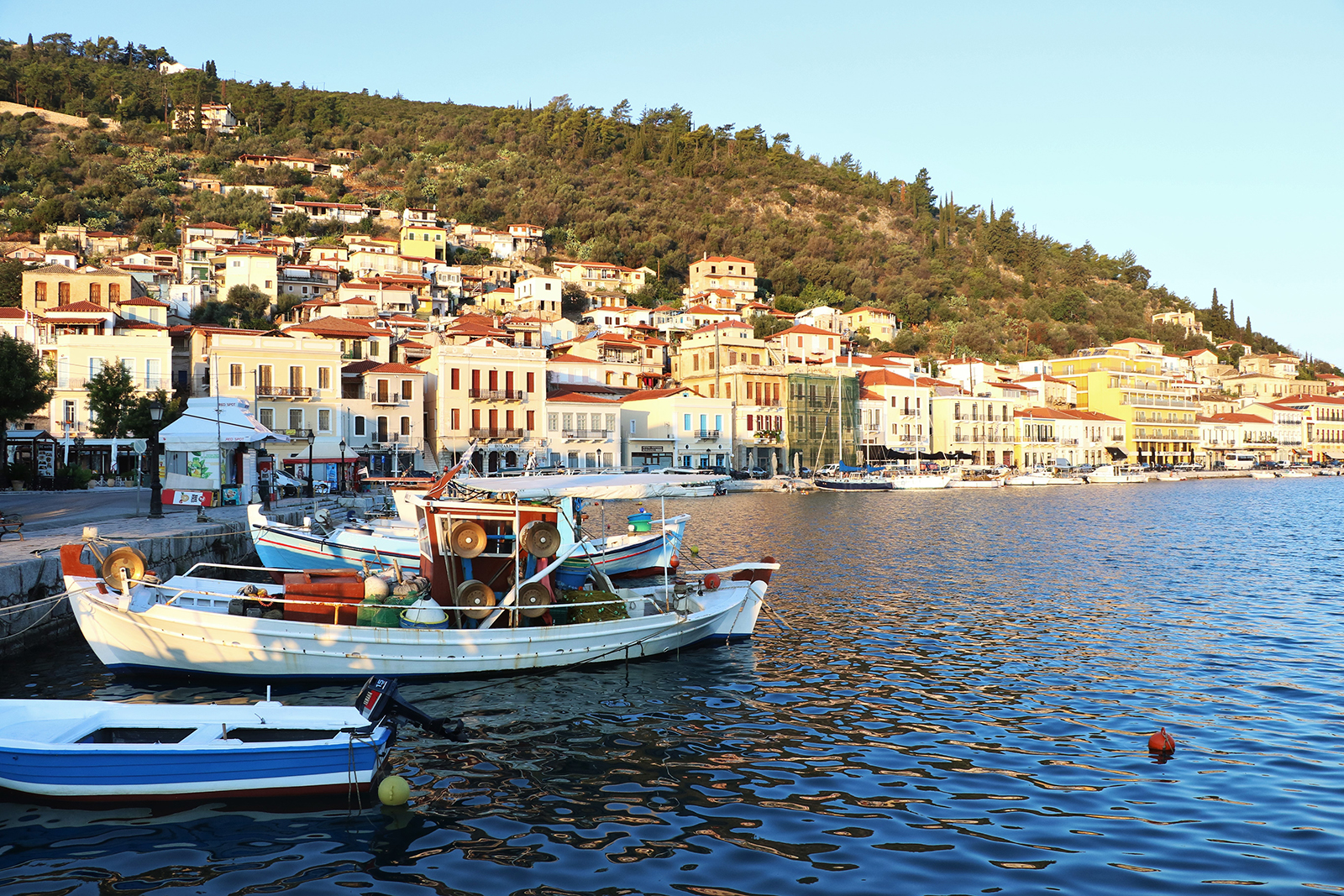
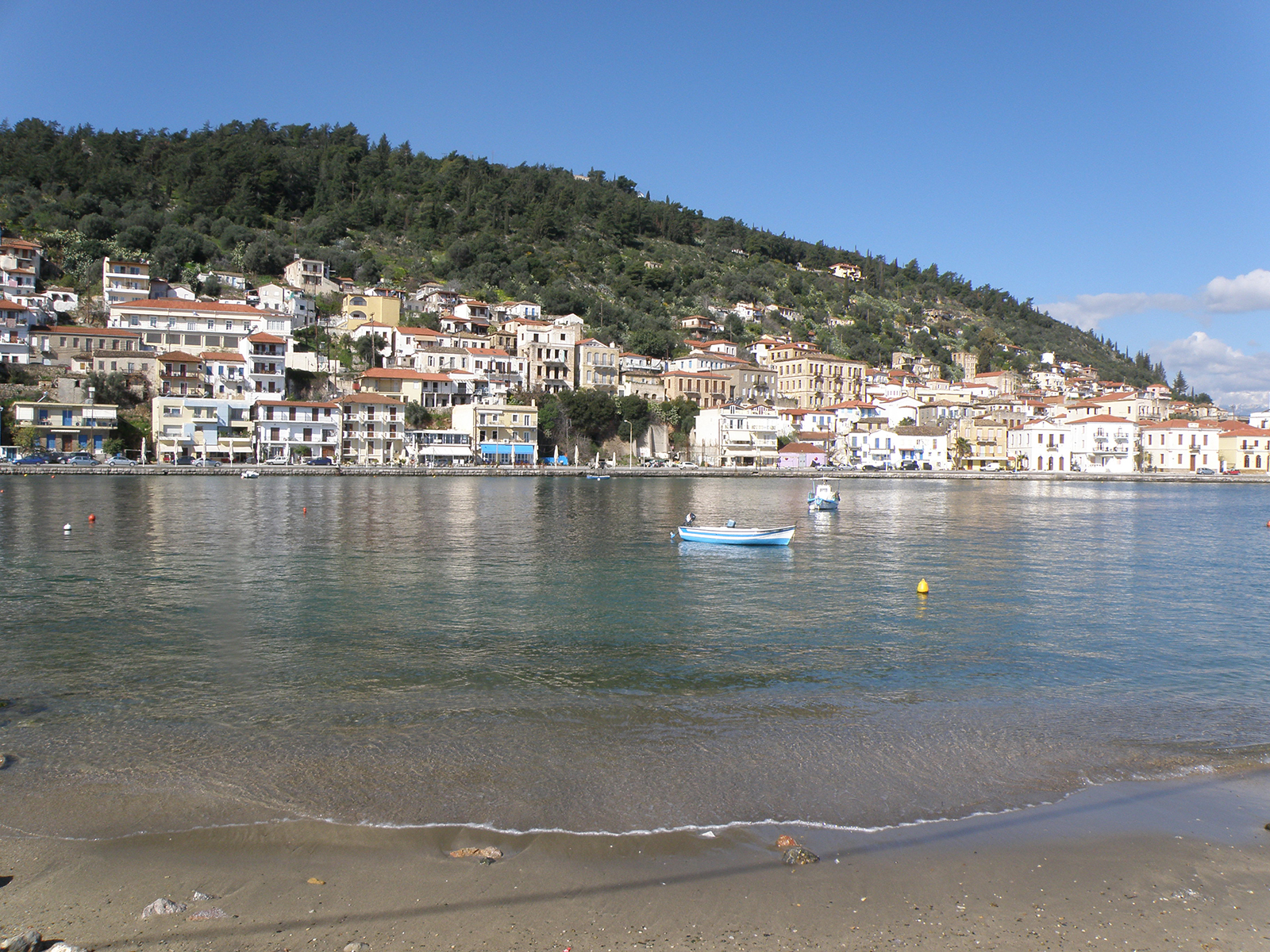
Among the megalithic monuments we will see Sternbergia and Prospero autumnalis, along with Cyclamens. Heading South through the Peloponnese we will enjoy big numbers of Crocus hadriaticus, Crocus melantherus and Crocus boryi as we make our way towards the picturesque town of Gytheio, where we will spend the next four nights.
Overnight in Gytheio
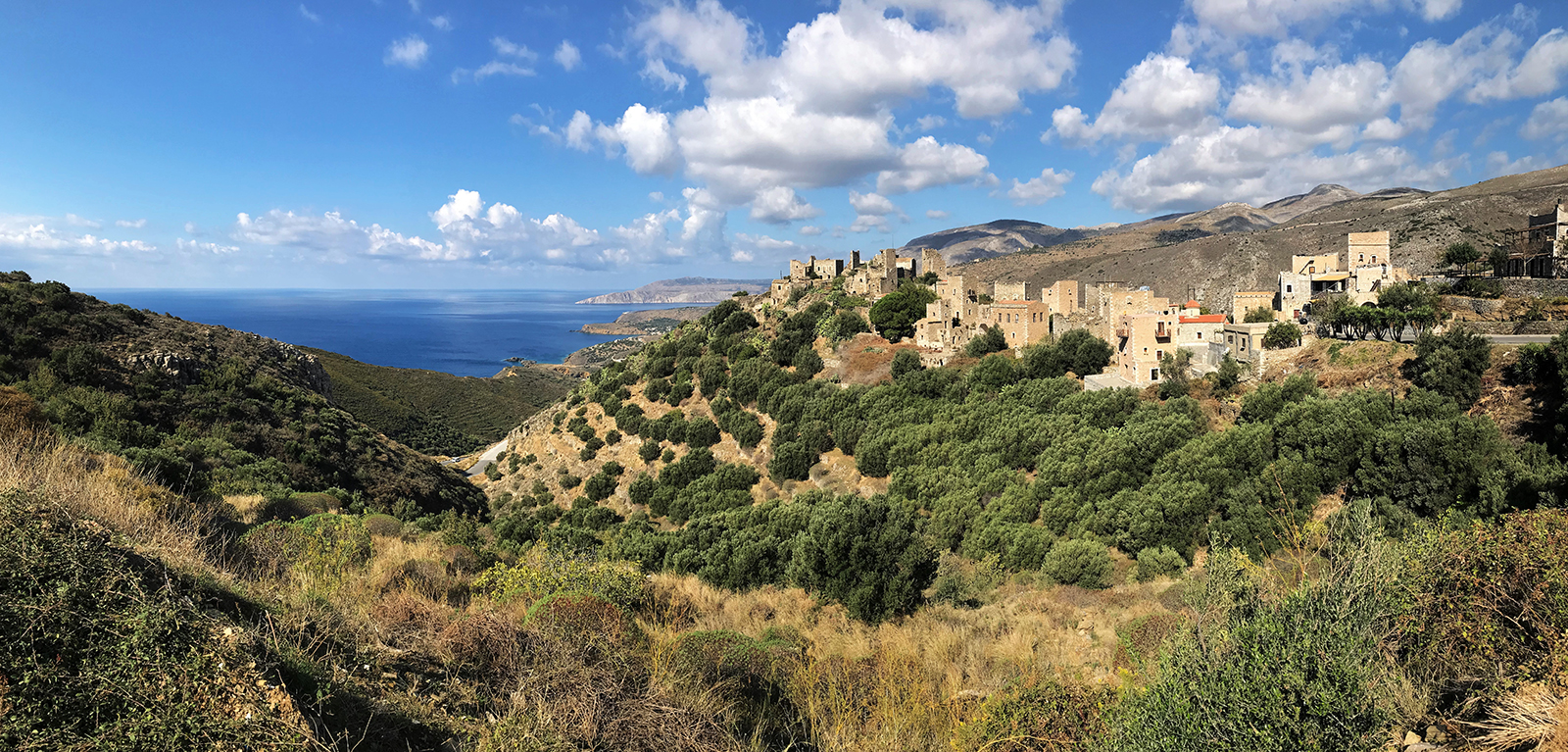
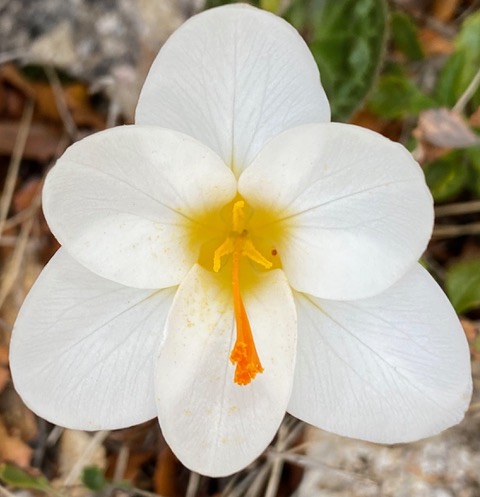
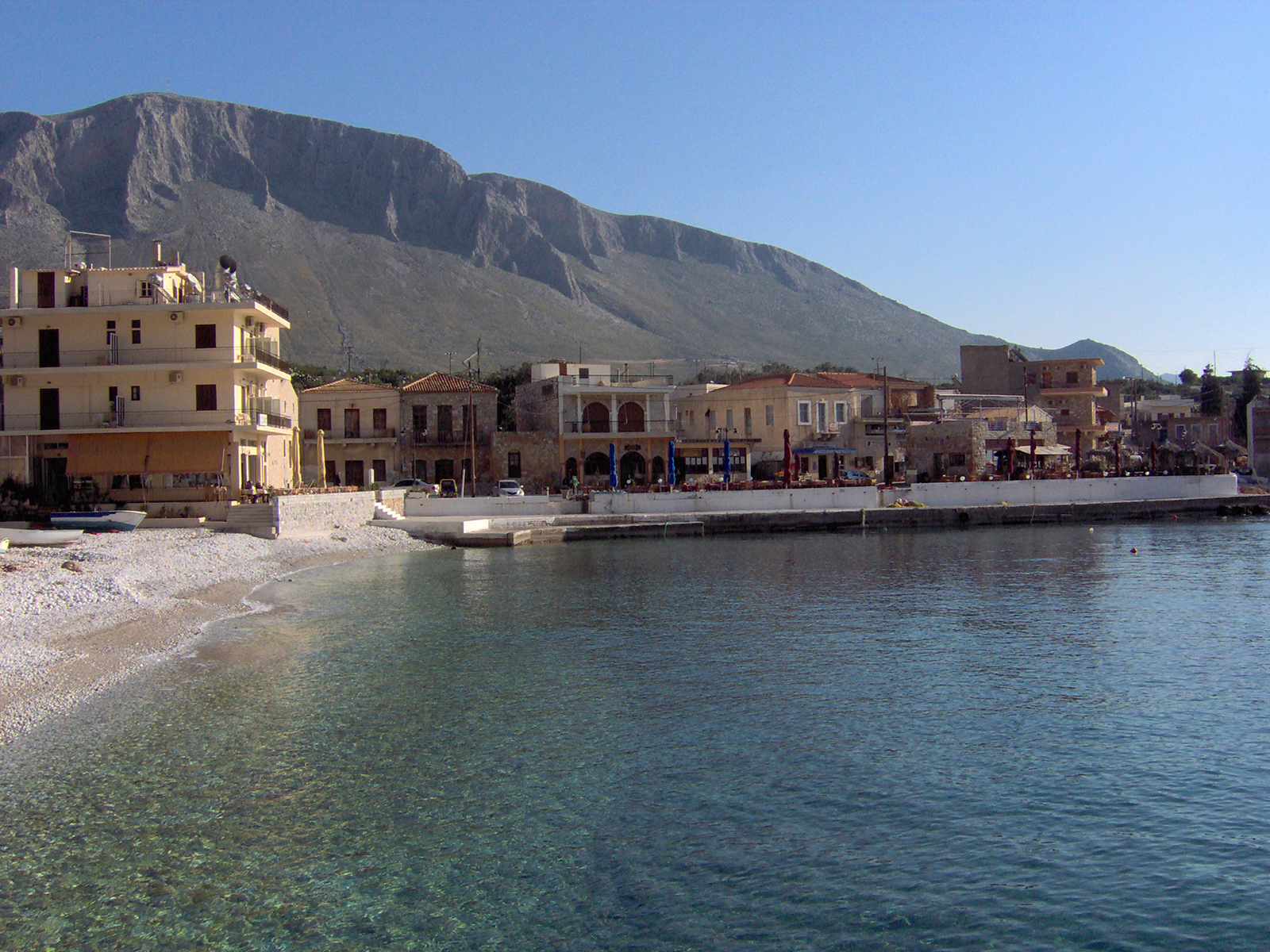
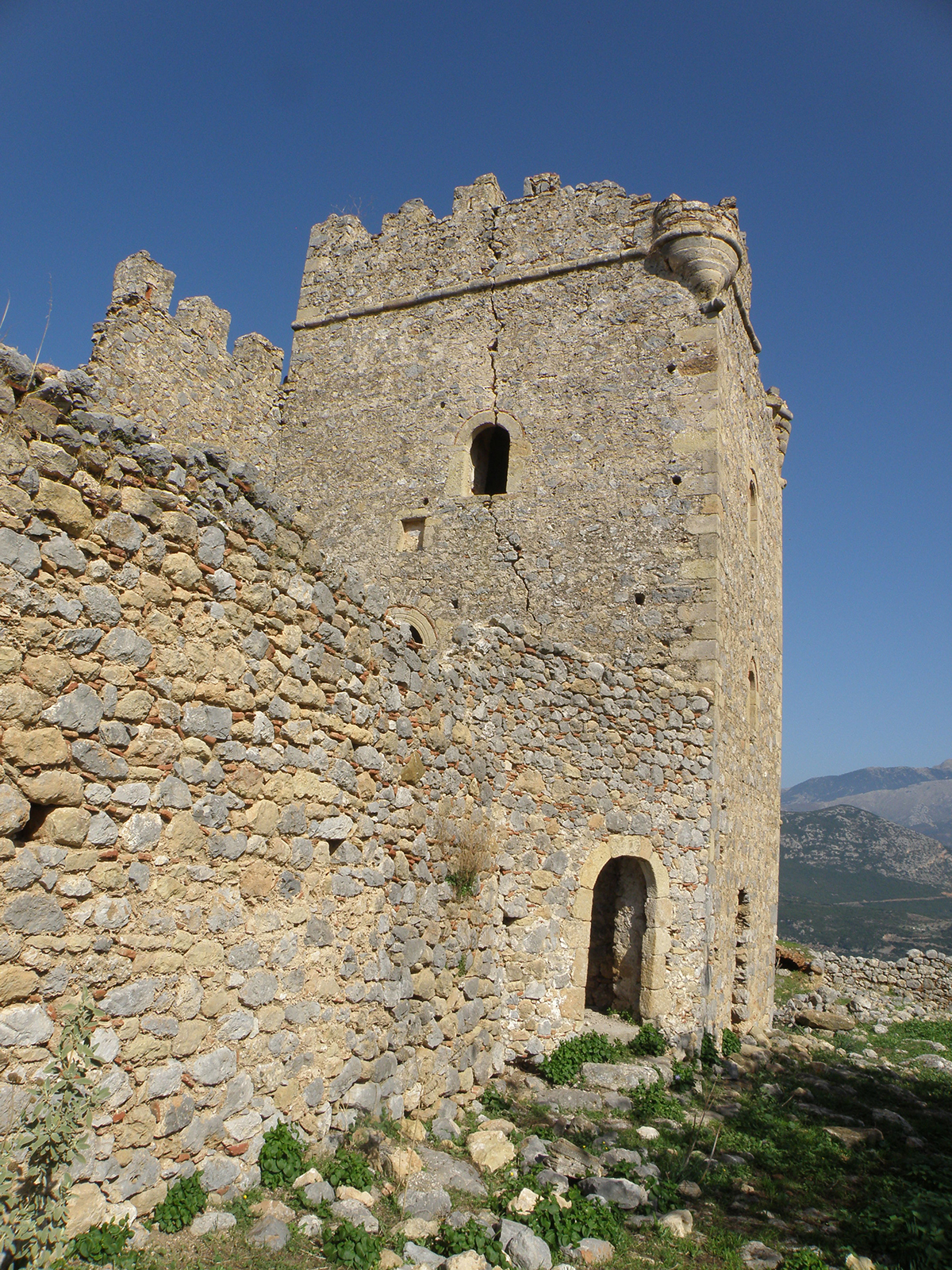
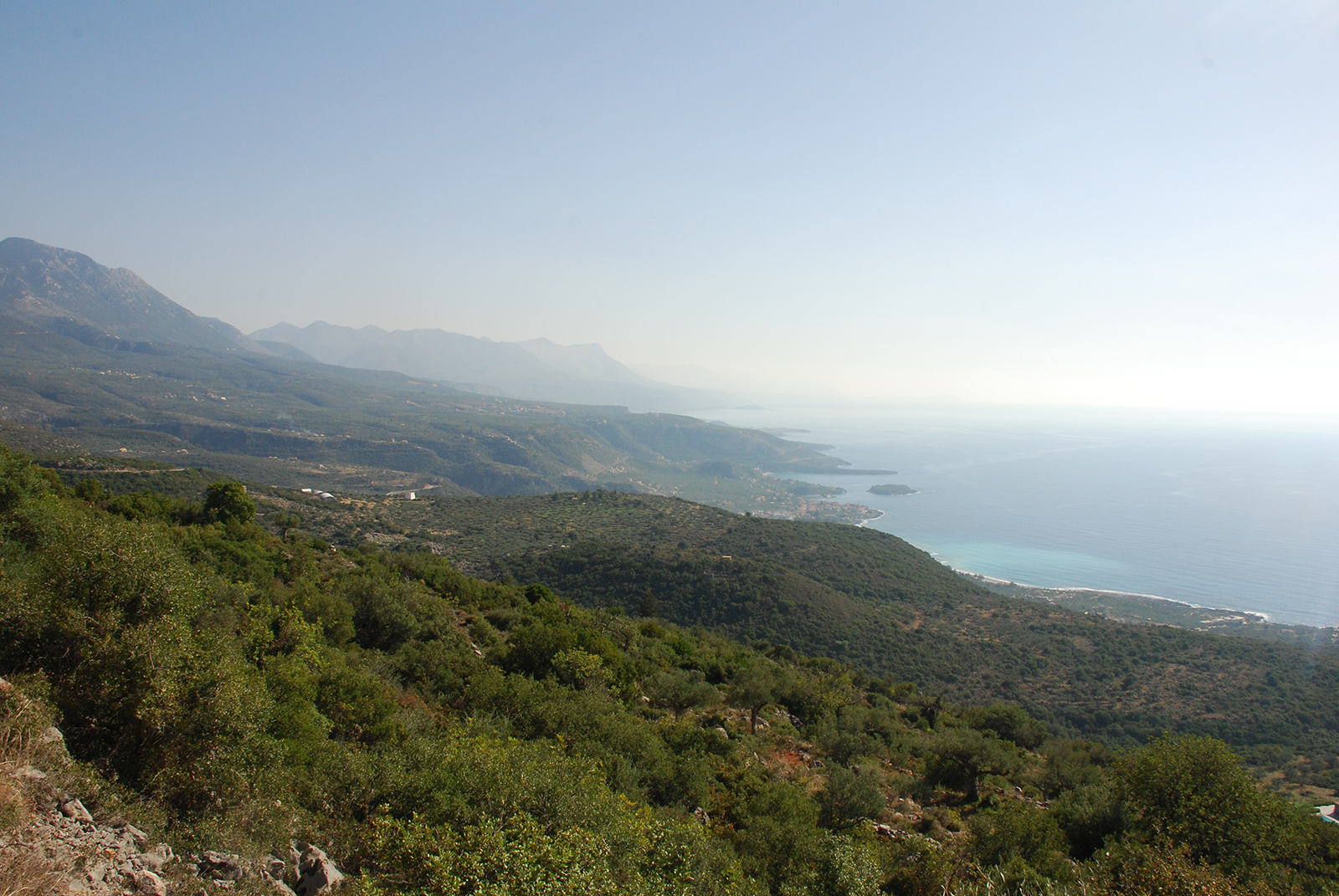
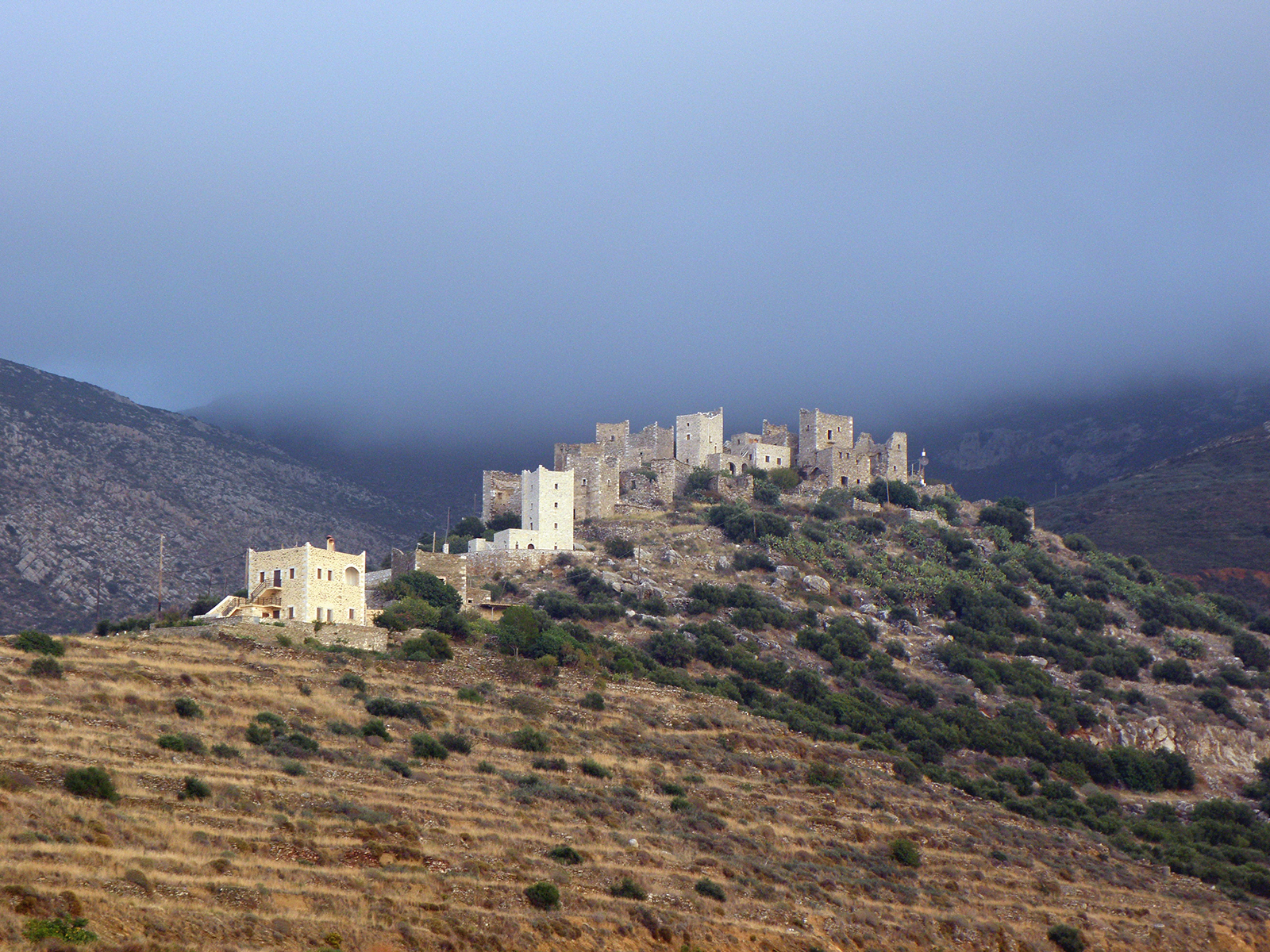
Day 14: Mani peninsula is going to be visited today, with a surprisingly high concentration of rare and interesting plants, some of them only recently discovered. We shall go round the peninsula looking for rare geophytes, like Crocus boryi, Crocus goulimyi and Crocus niveus as well as Colchicum zahnii. Big numbers of Narcissus obsoletus also occur. At least six autumn- or winter- flowering species of Crocus occur in the Mani, the majority of them endemic here. We shall walk the little picturesque fisherman village of Gerolimenas and then continue round the peninsula and wonder at the famous tower-houses which are going to dominate the landscape. Finally, we will reach the southernmost tip of mainland Europe, Cape Tainaro, where the sanctuary of Poseidon is located and the entrance to the Underworld exists, exploring and discovering rare Colchicum species here.
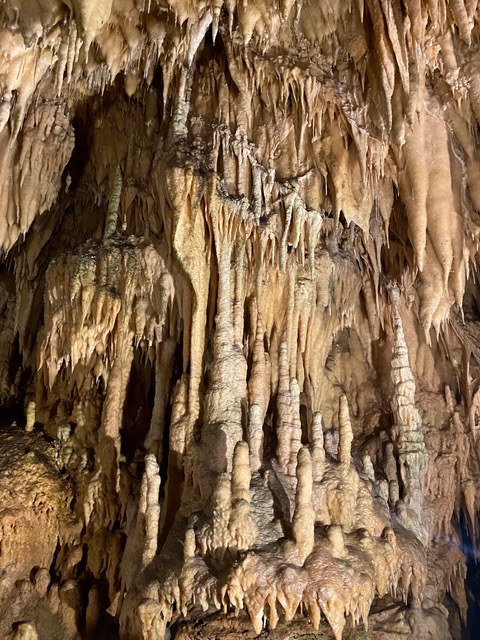
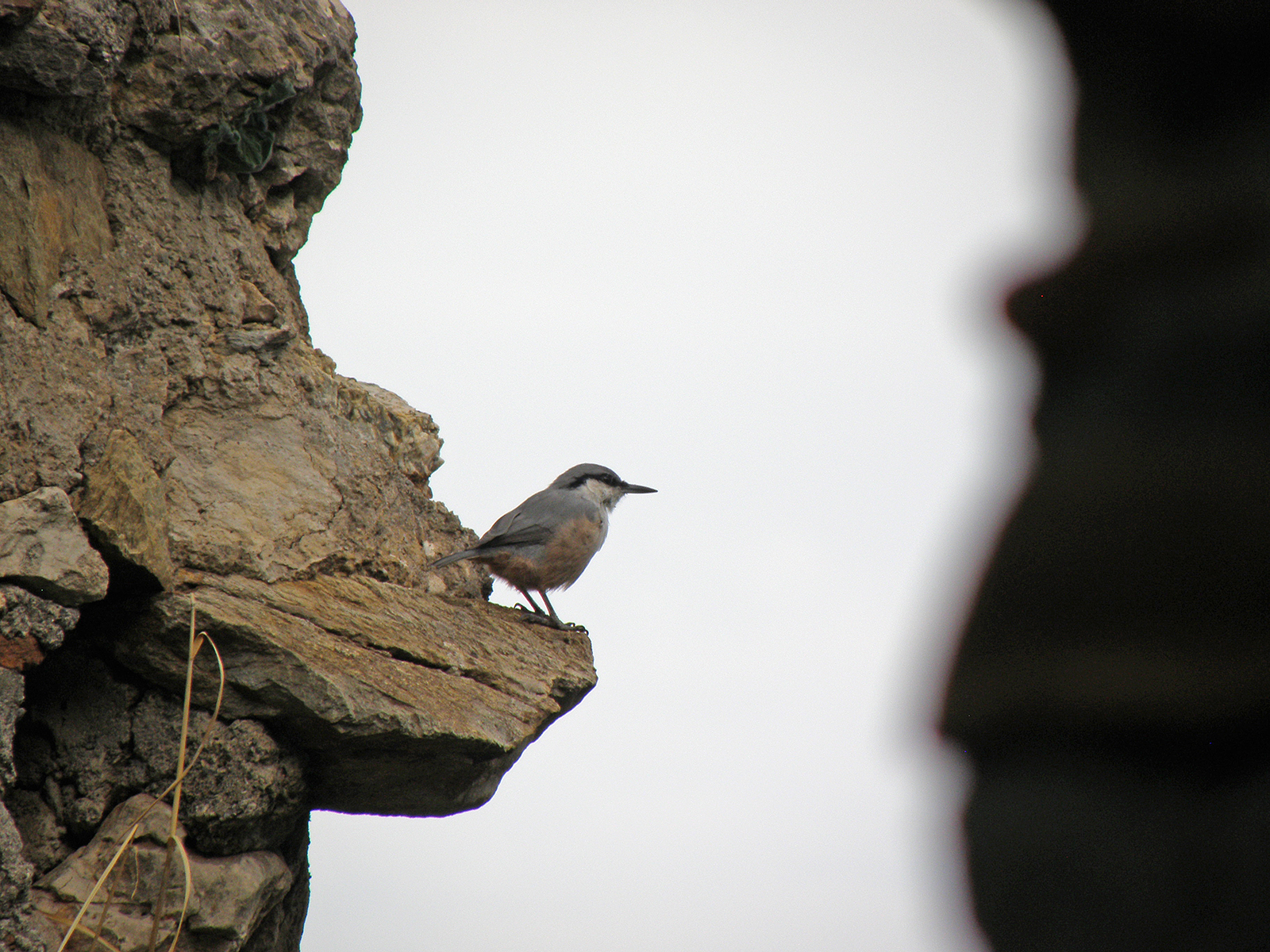
The Rock Nuthatch inhabits the area along with Bonelli’s Eagle, and we shall make a stop to look for some. We will visit the spectacular Diros caves, part of an underground river where fossilized bones from panthers, hyenas, lions, deer and ferrets, and the largest deposit of hippo bones in Europe, have been found. We will have the opportunity to cross by boat 1,200m of this underground river, surrounded by impressive formations of stalagmites and stalactites.
Overnight in Gytheio
Day 15: We drive through the southern slopes of Parnon Mountain. Among the rich valleys, like Lambokambos, we will see huge numbers of bulbs. Through easy to walk flat areas we will see as many as four Crocus species next to each other.
Overnight in Gytheio
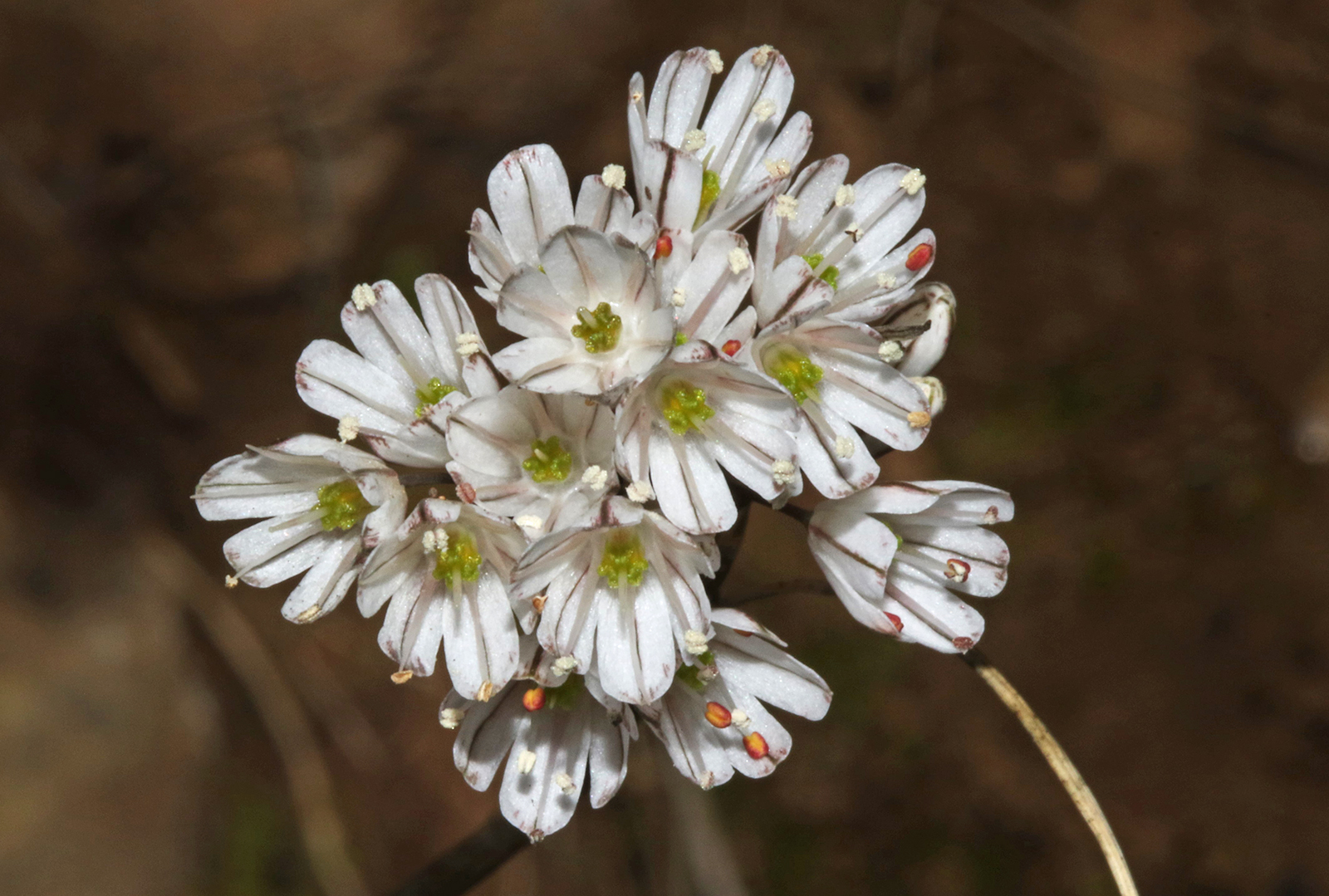
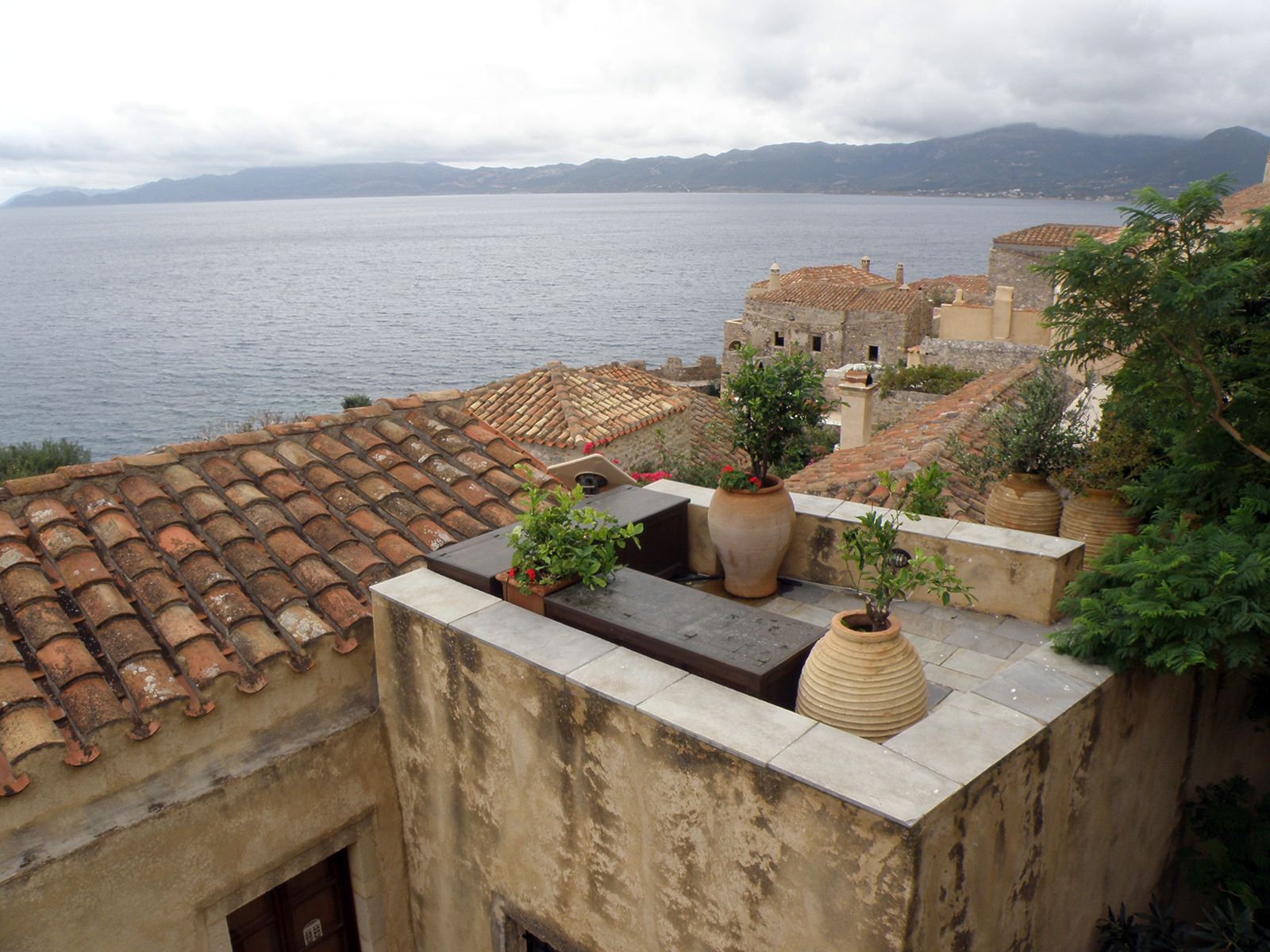
Day 16: Monemvasia. Today we drive through the southern slopes of Parnon Mountains, with a landscape of endless olive plantations, to the fortified town of Monemvasia. Founded in the sixth century, and thus one of the oldest continually inhabited fortified towns in Europe. It is surrounded by rarities like the local endemic pale-pink Allium ritsii, Colchicum sfiakasianum and many other bulbs like Crocus niveus, Crocus boryi, Crocus laevigatus, Crocus cancellatus and Crocus hadriaticus. We will walk through this magnificent Greece’s Rock of Gibraltar.
Overnight in Gytheio
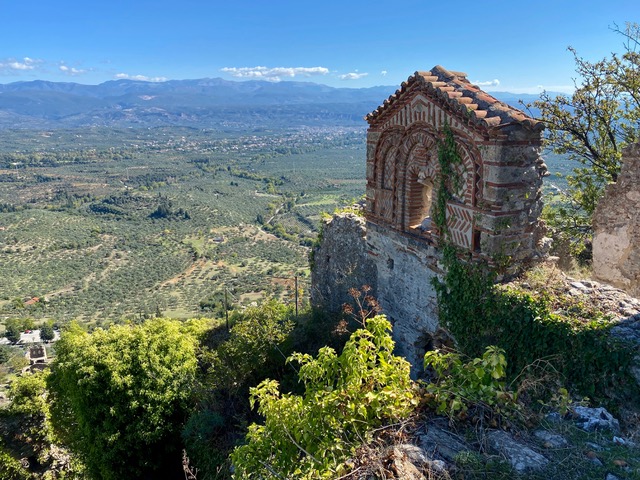
Day 17: We make our way back north, to our next base at Mystras, the spectacular abandoned Byzantine city, once home to 40,000 people, now home to a small order of nuns. We shall look for Crocus boryi and Cyclamen graecum amongst the ruins.
We will also take a walk into the impressive and wild Parori gorge.
Overnight in Mystras
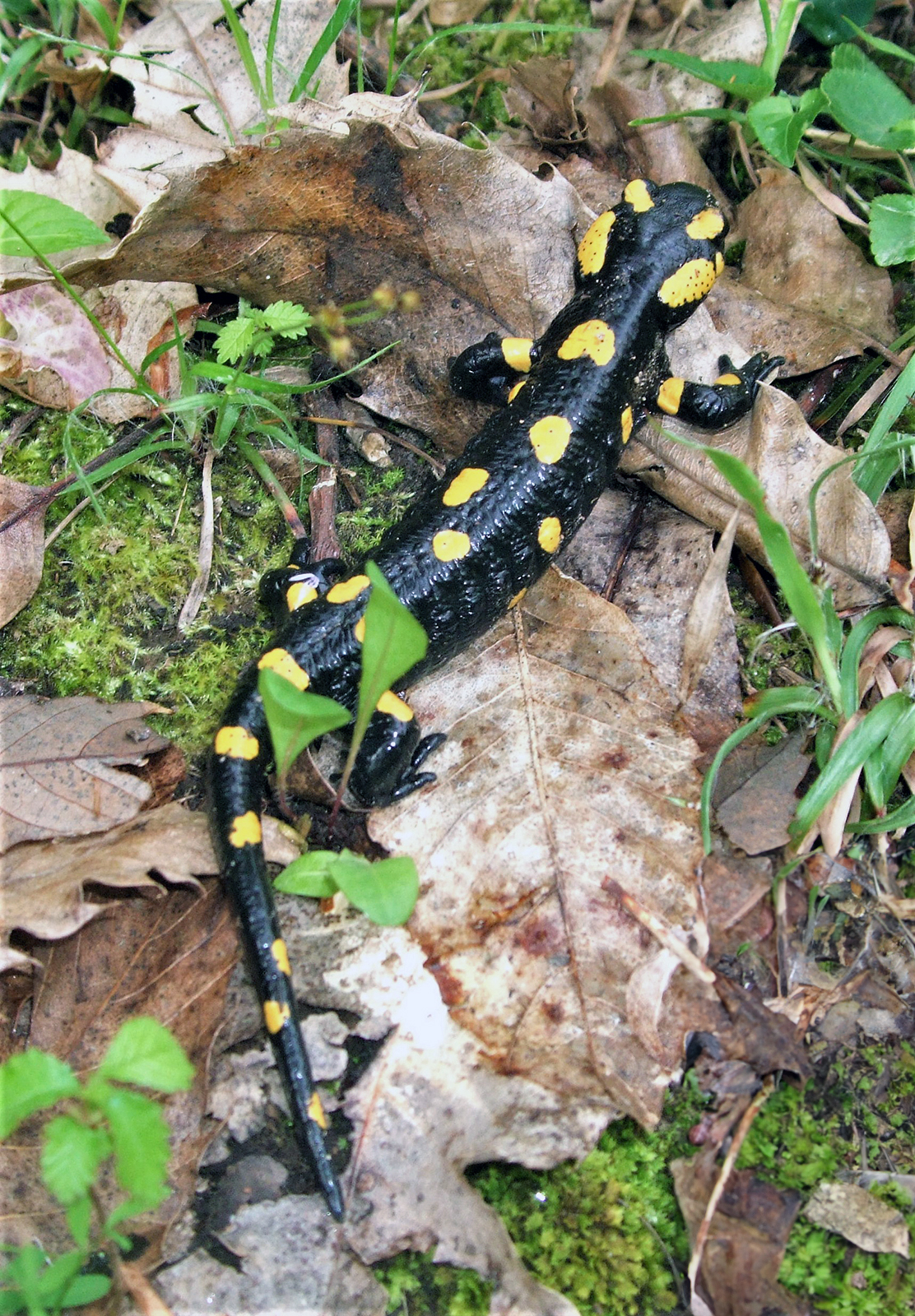
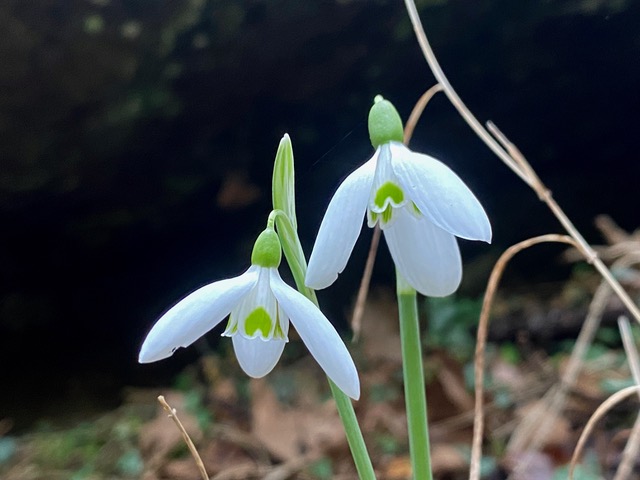
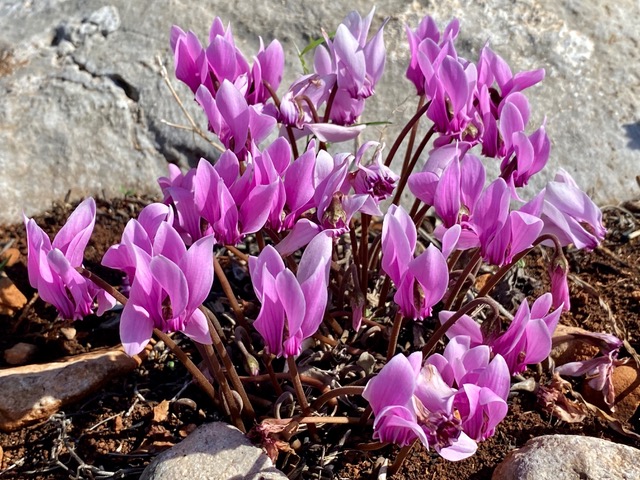
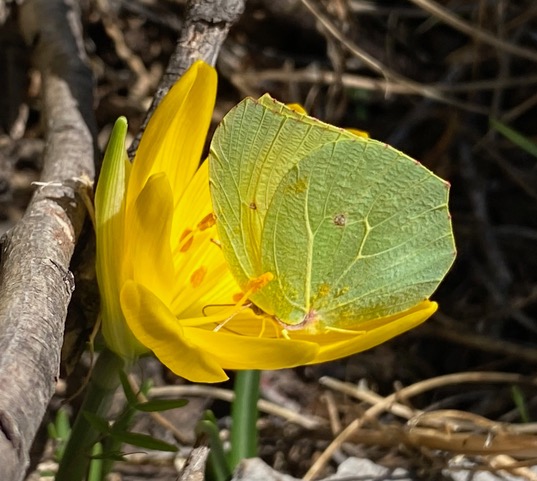
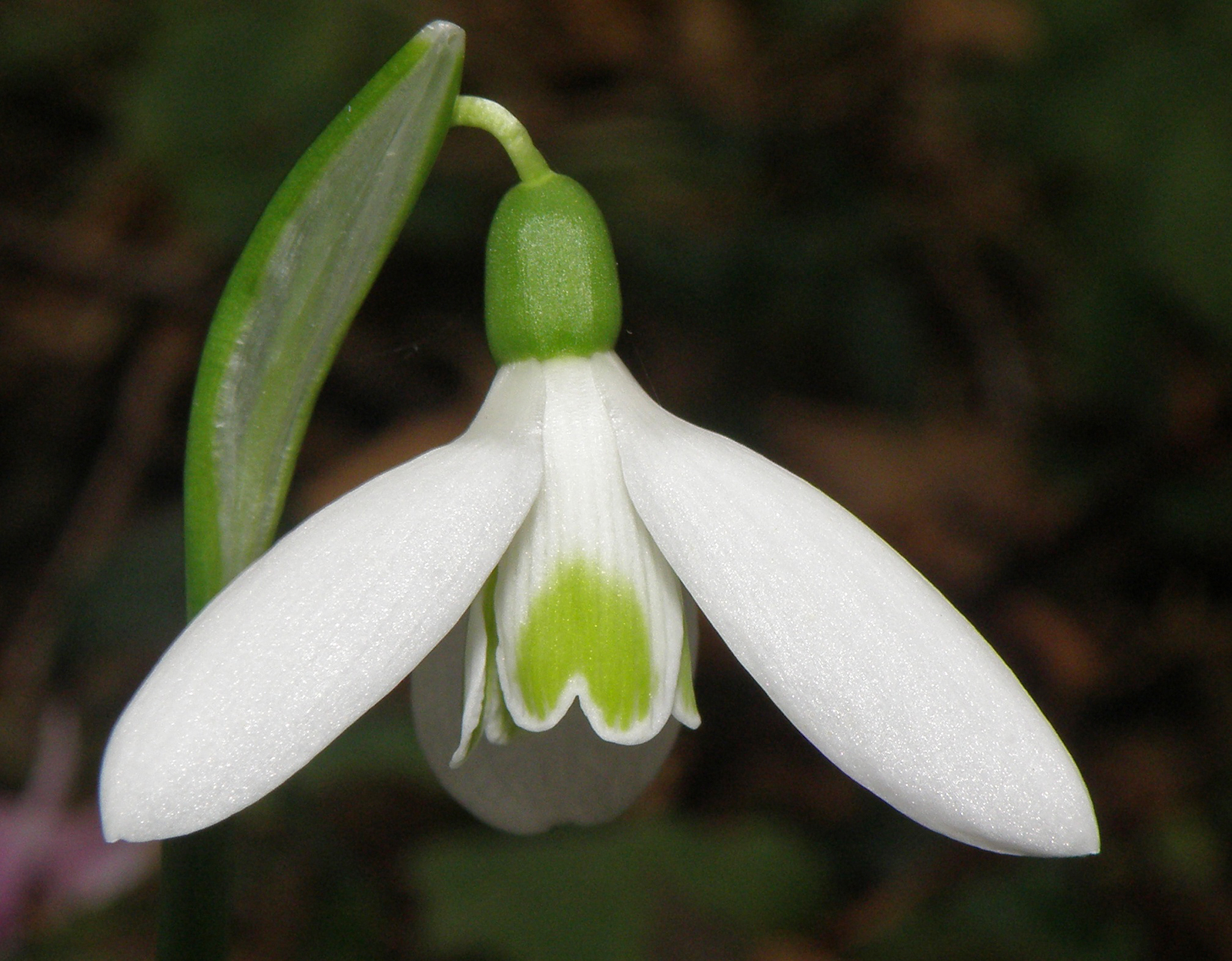
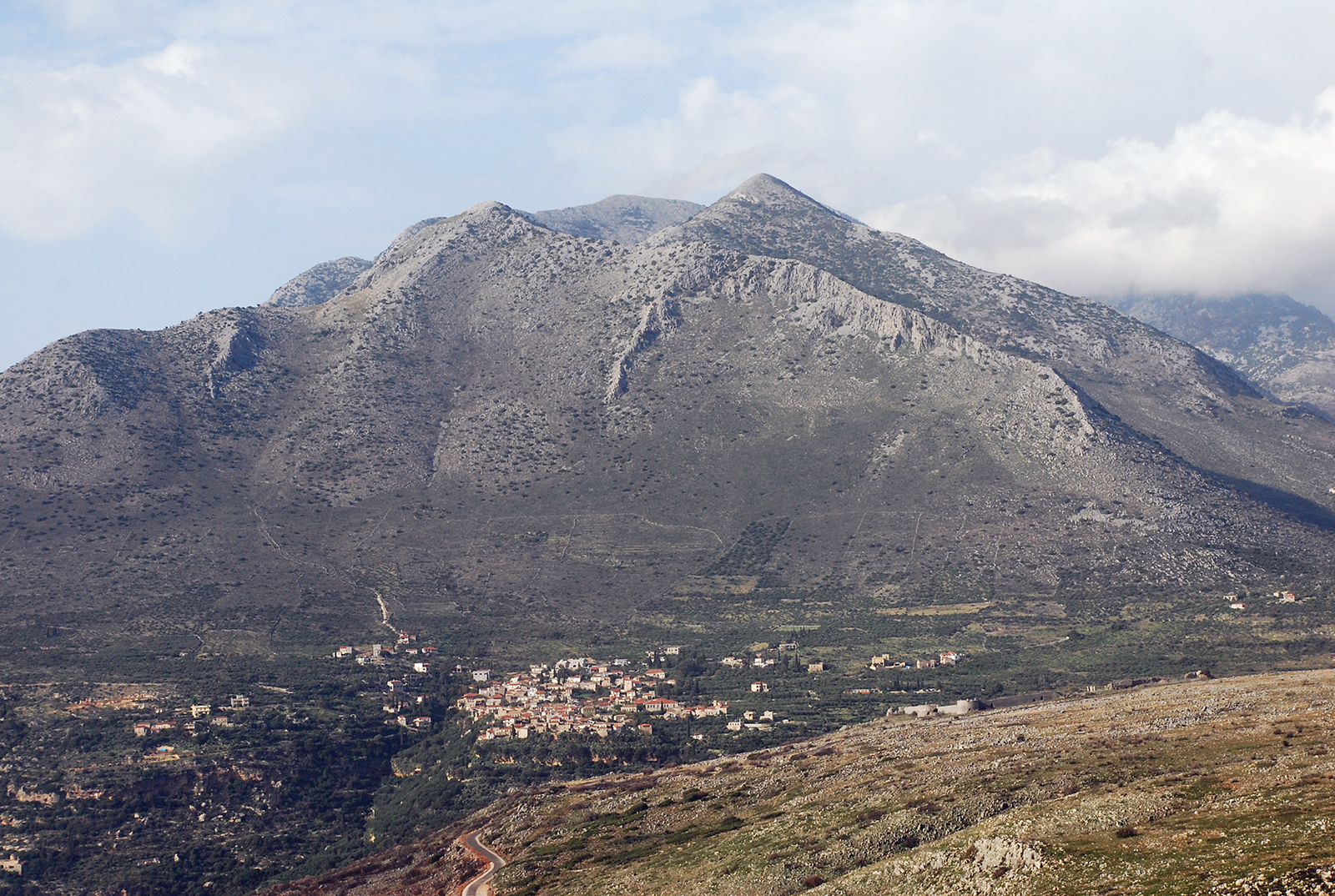
Day 18: The Taigetos. A change of habitat today as we venture higher up into the Taigetos to look for Galanthus reginae-olgae and Cyclamen hederifolium in the Platanus orientalis forest. We will also see Juniperus drupacea, a small tree with great phytogeographical interest, as it is an Asiatic tree, with only a few populations in the Peloponnese. Hopefully there may be still some Colchicum graecum. We shall also see Allium callimischon and rare hasmophytes hanging from the rocks, and we might come across a salamander if we are lucky.
Overnight in Mystras
Day 19: Return trip to Athens for departures.








Drs H & H, 2024: We chose this holiday because we were already booked on your Ghana 2025 butterfly trip on the recommendation of Adrian Hoskins but needed an interesting late October break somewhere warm and sunny before winter. We were not disappointed by this choice.
Sotiris and Rachael are both excellent and knowledgeable hosts who complemented each other perfectly. Sotiris has an encyclopaedic knowledge of plants but also knows about butterflies and other wildlife, Greek history and is passionate about all things Greek. Rachael is excellent spotting and identifying birds including from their songs and was very happy to share the teaching she had received regarding the correct modern pronunciation of Greek letters and words.
The Peloponnese is a very interesting and historic part of Greece which we had not visited before. It comes over as less touristy, less commercialised and more traditionally Greek than elsewhere which we appreciated. We particularly enjoyed staying in Nafplio, Gythio and Mystras. We prefer the smaller family run hotels you chose and were very happy to have rooms with balconies overlooking the sea. The archaeological highlights of the trip were the visits to Mycaene and the Byzantine city of Mystras.