


Dates & Prices |
BOOK NOW |
 Dates: 23rd – 29th March 2027 Confirmed departure
Price: £1,695 3 places
Single Room Supplement: £150
Deposit: £150 per person
Price Includes: All meals, accommodation with private facilities, ground transport, services of guides, trip report
Not Included: Flights, travel insurance, drinks & any other personal items.
Conservation Donation: Botanical Society of Britain & Ireland
Leader: Hamza Soyden & Sean Cole
Group Size: Minimum of 4 & a maximum of 6 guests plus 2 leaders
Grade: Gentle paced walks in a variety of terrains. Ideally suited to photography.
Holiday Highlights
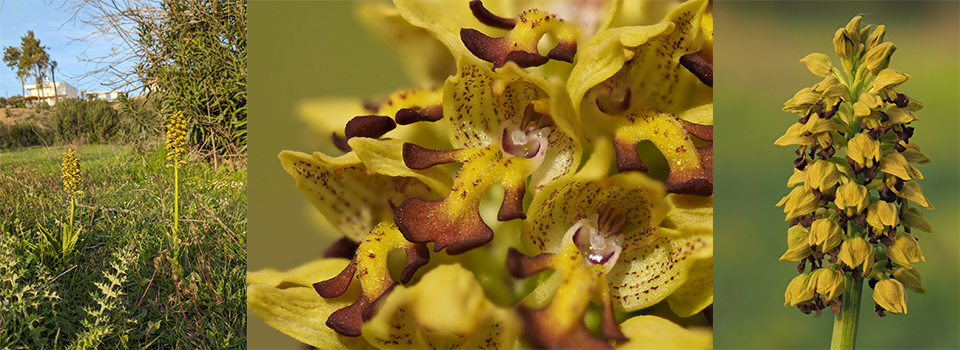
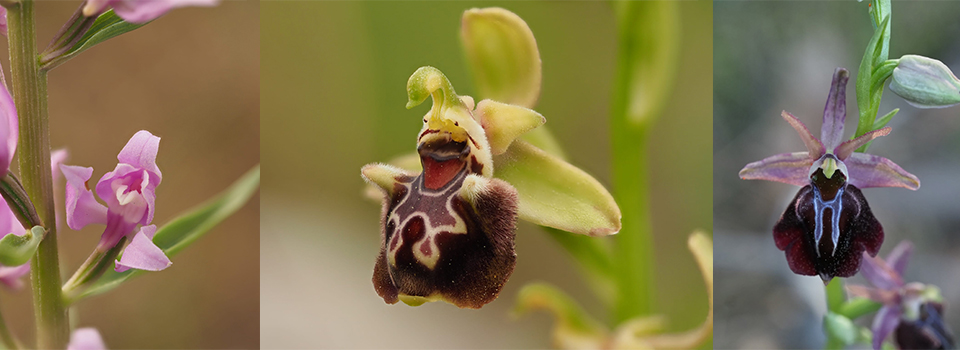
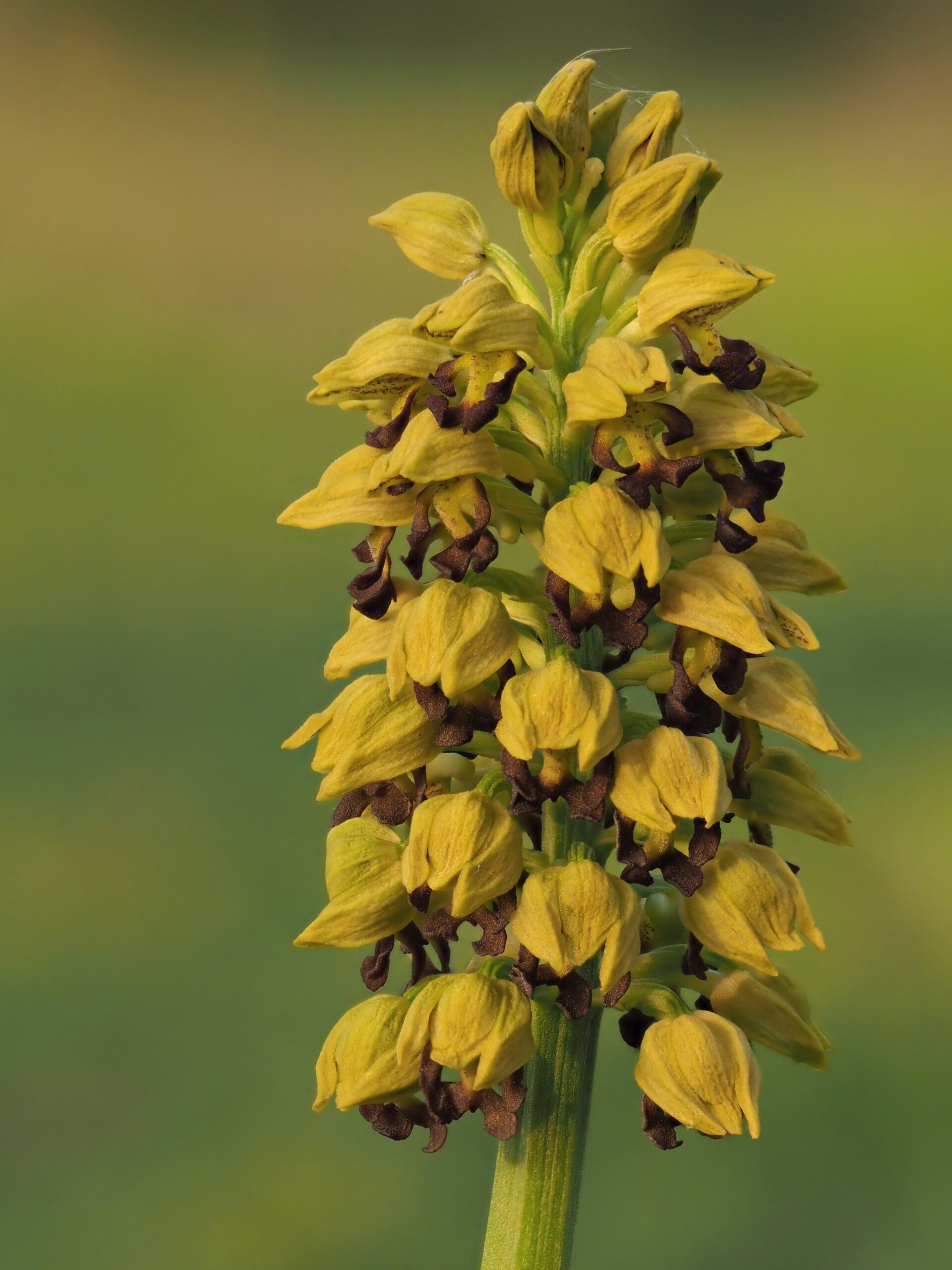
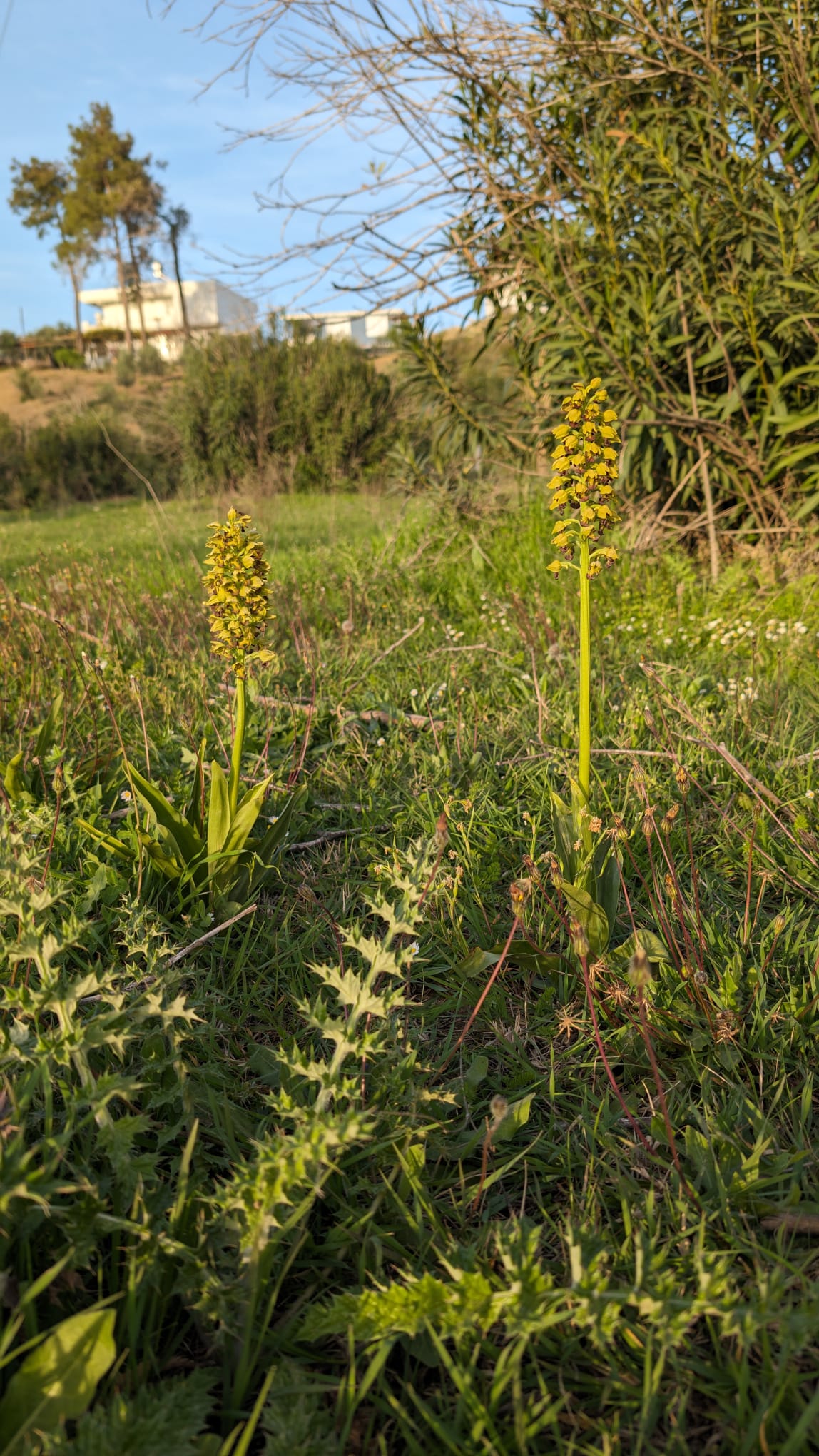
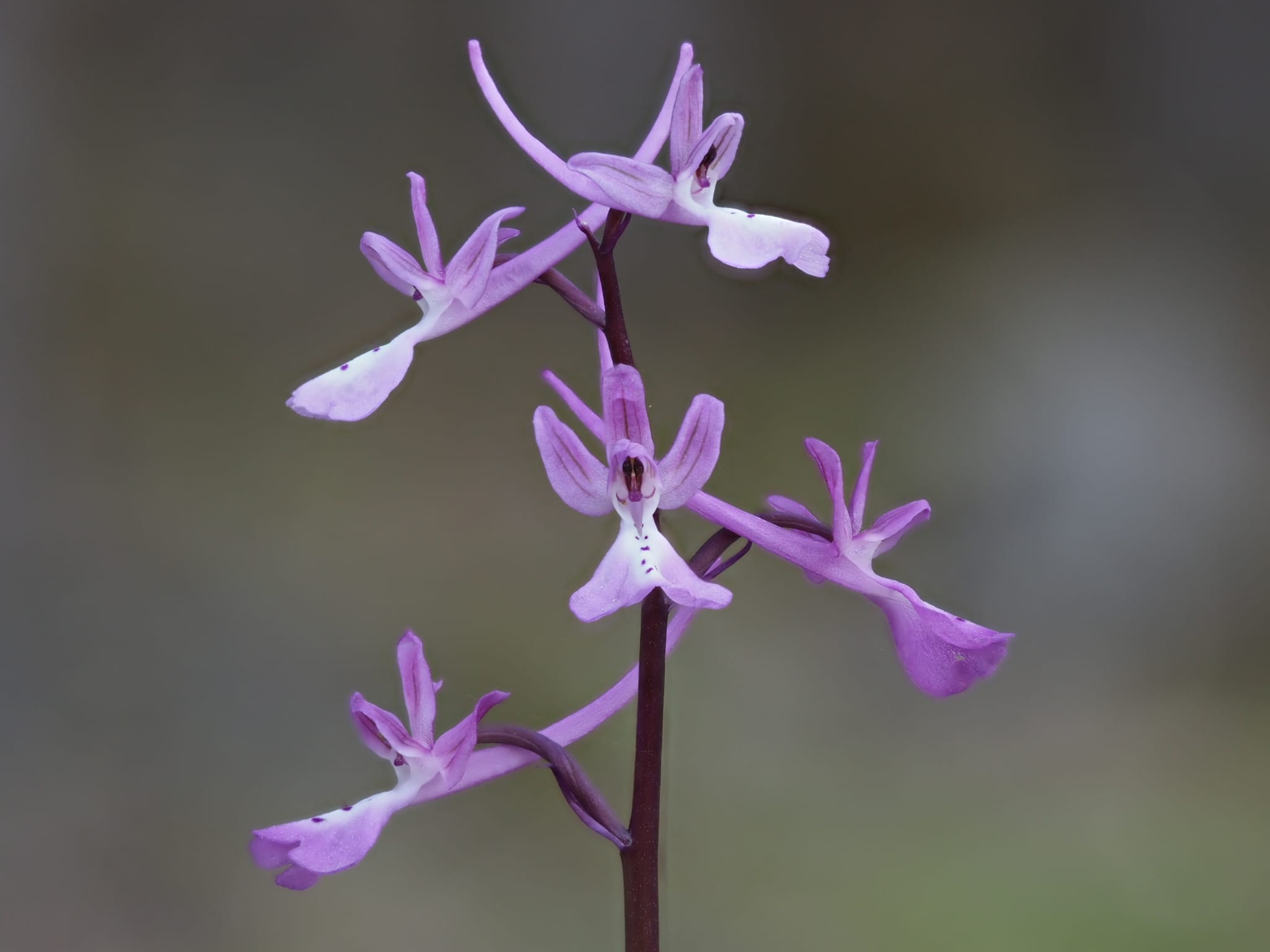
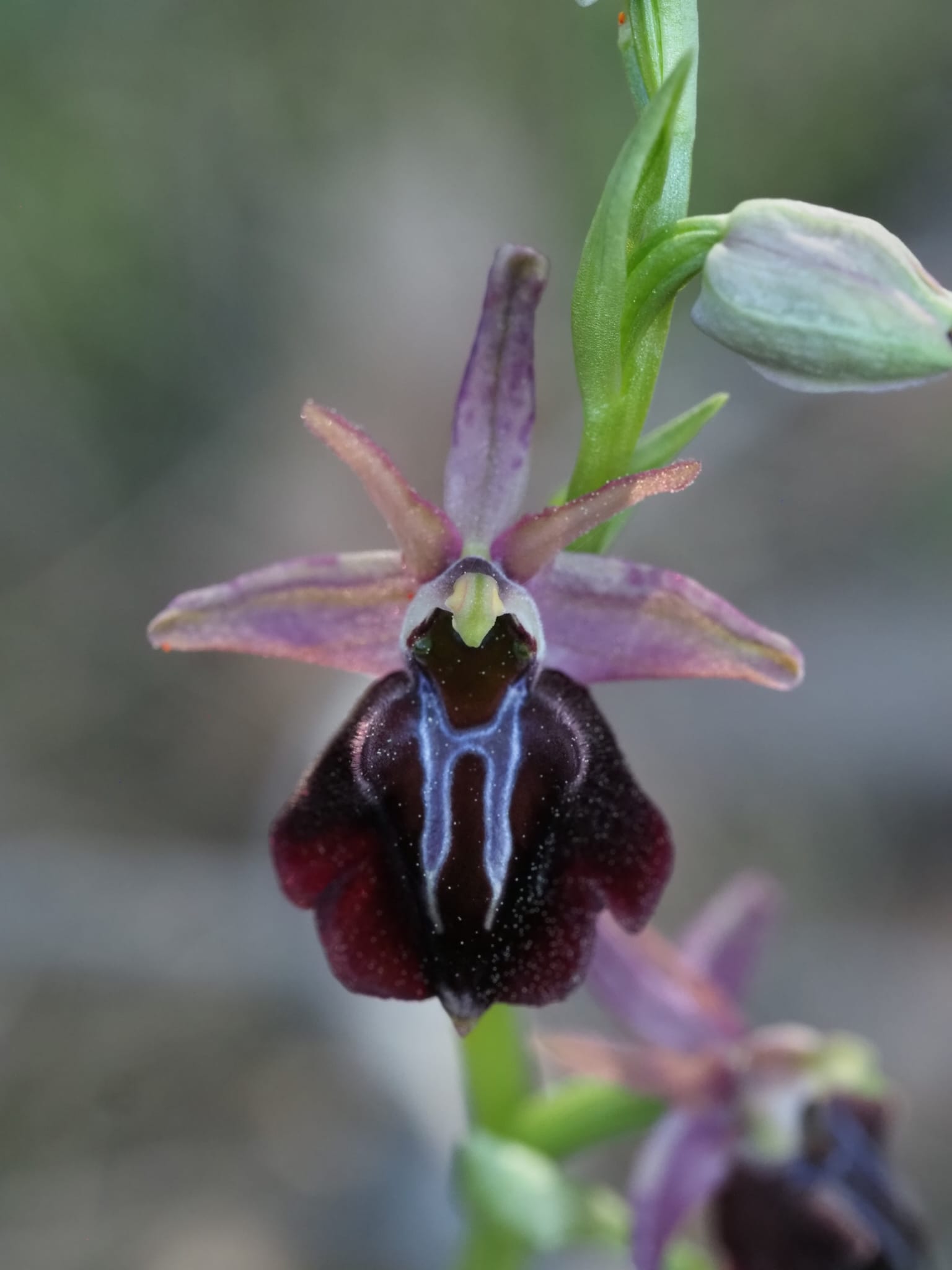
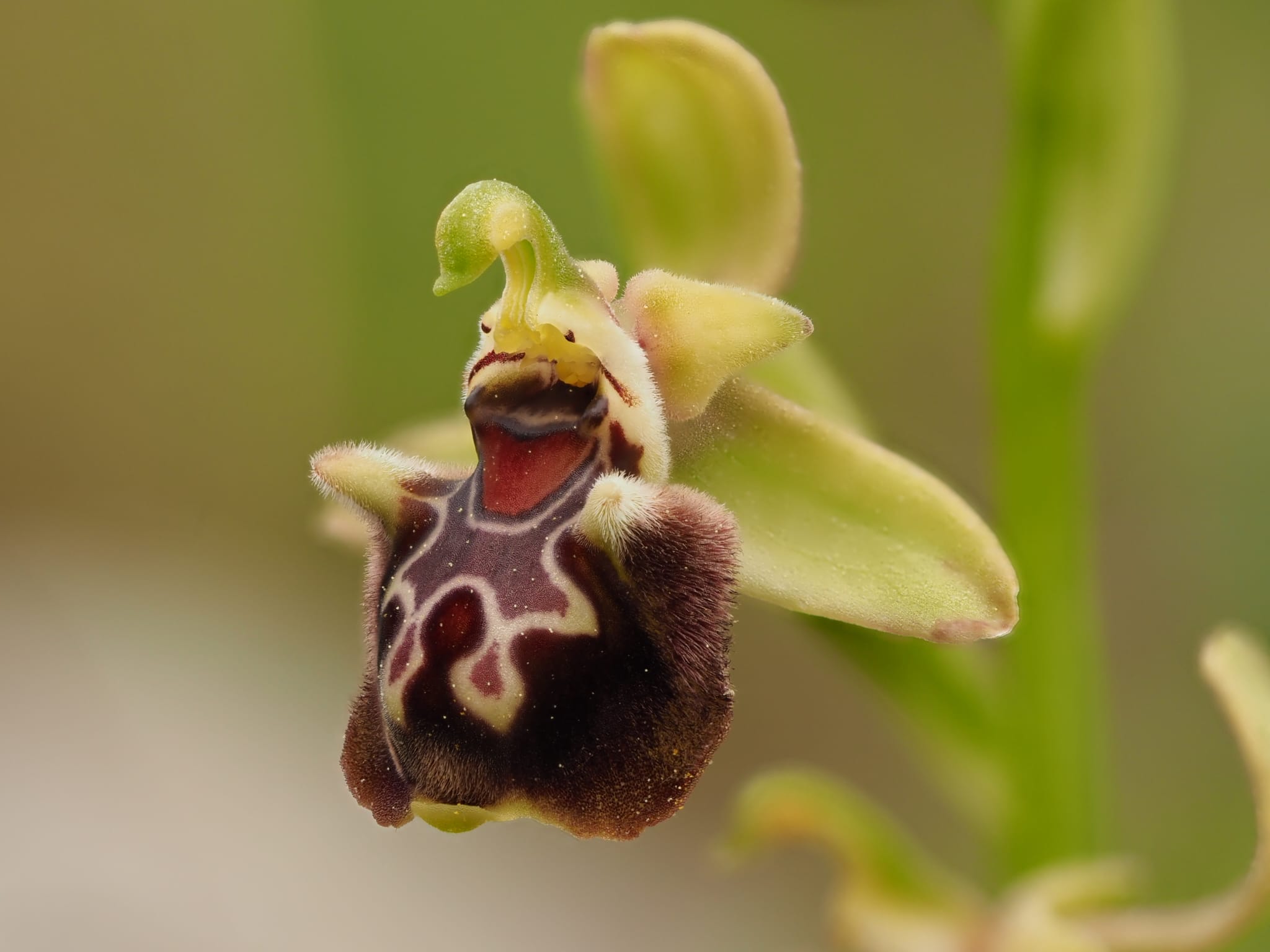
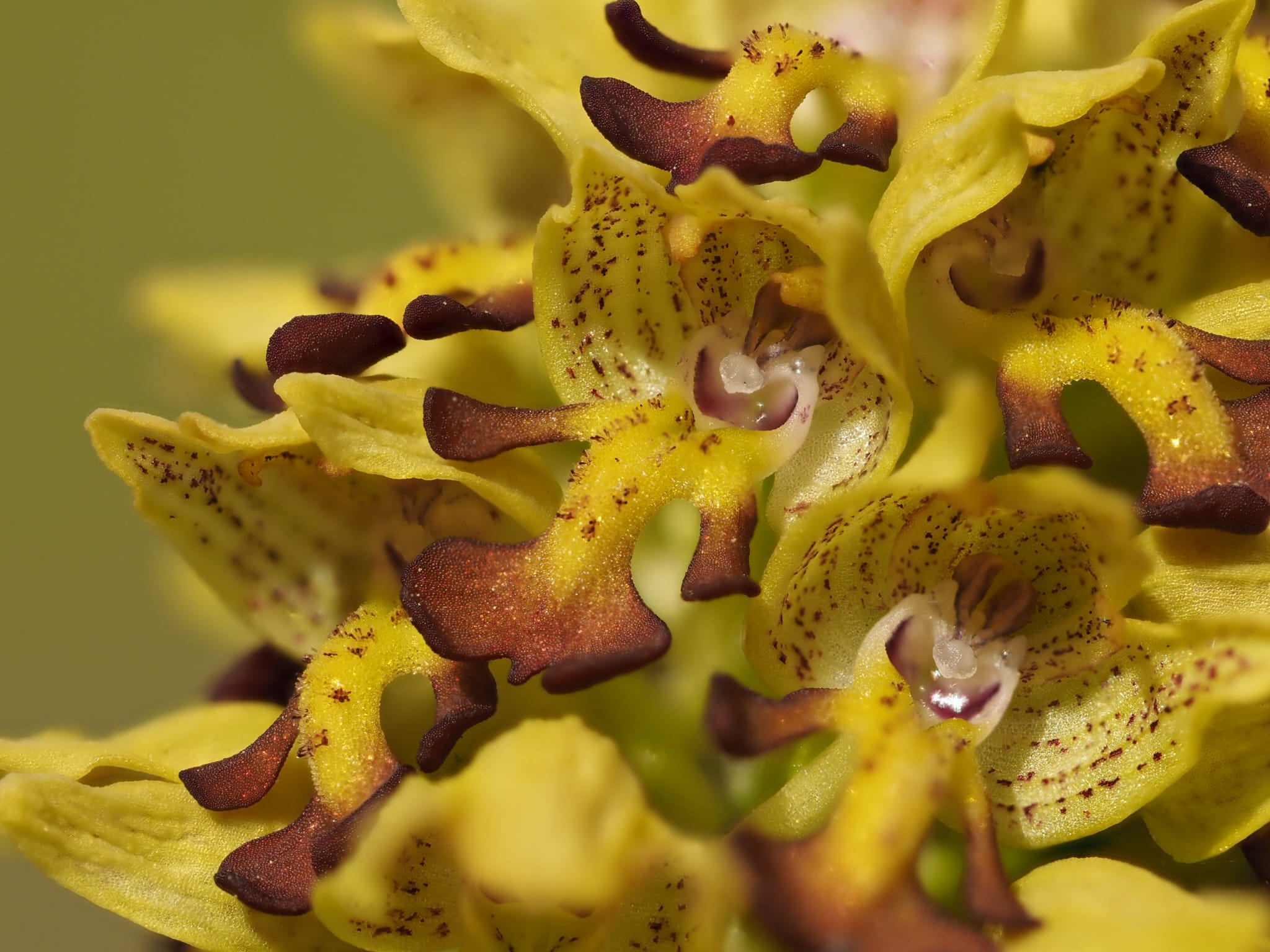
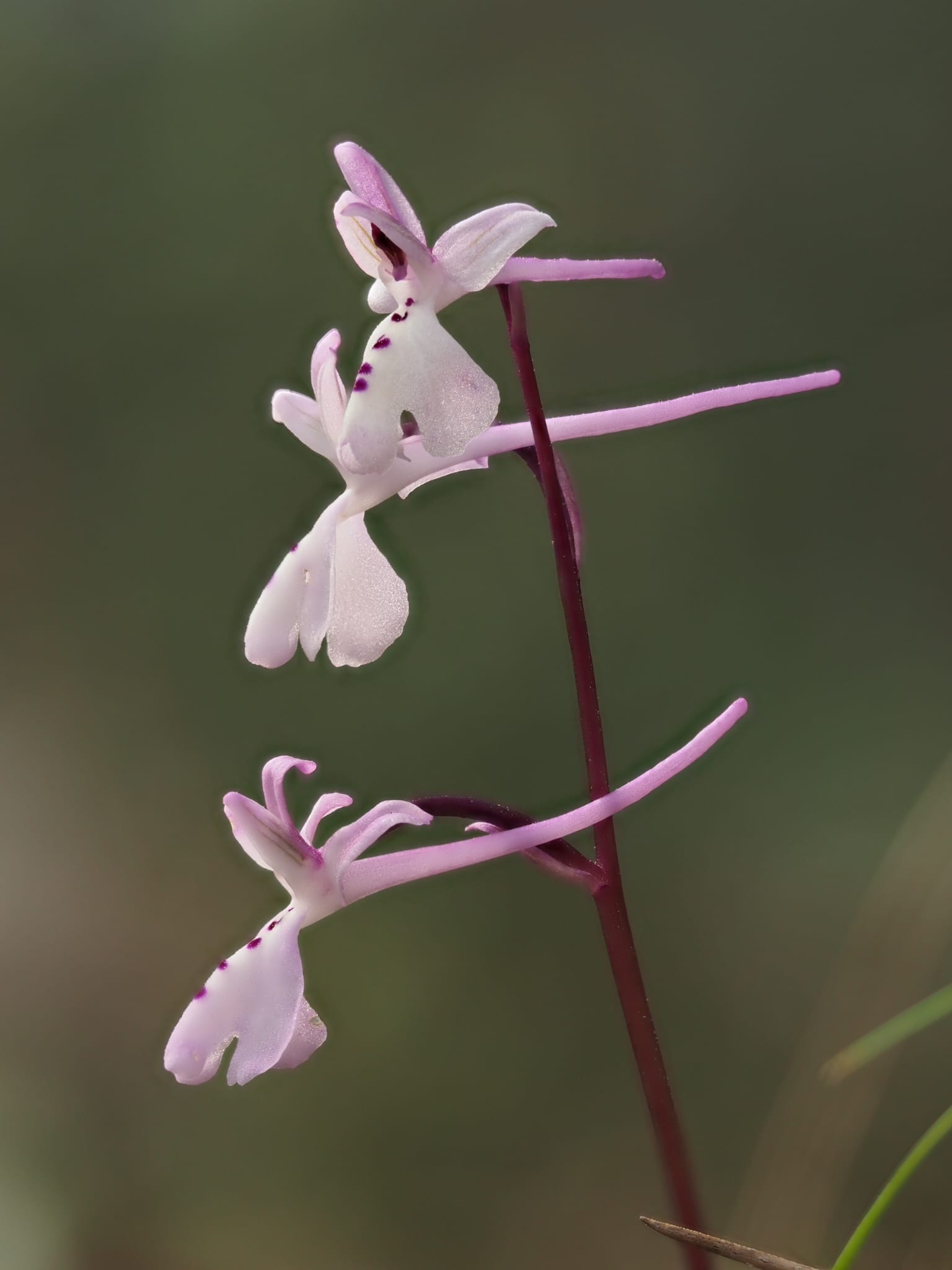
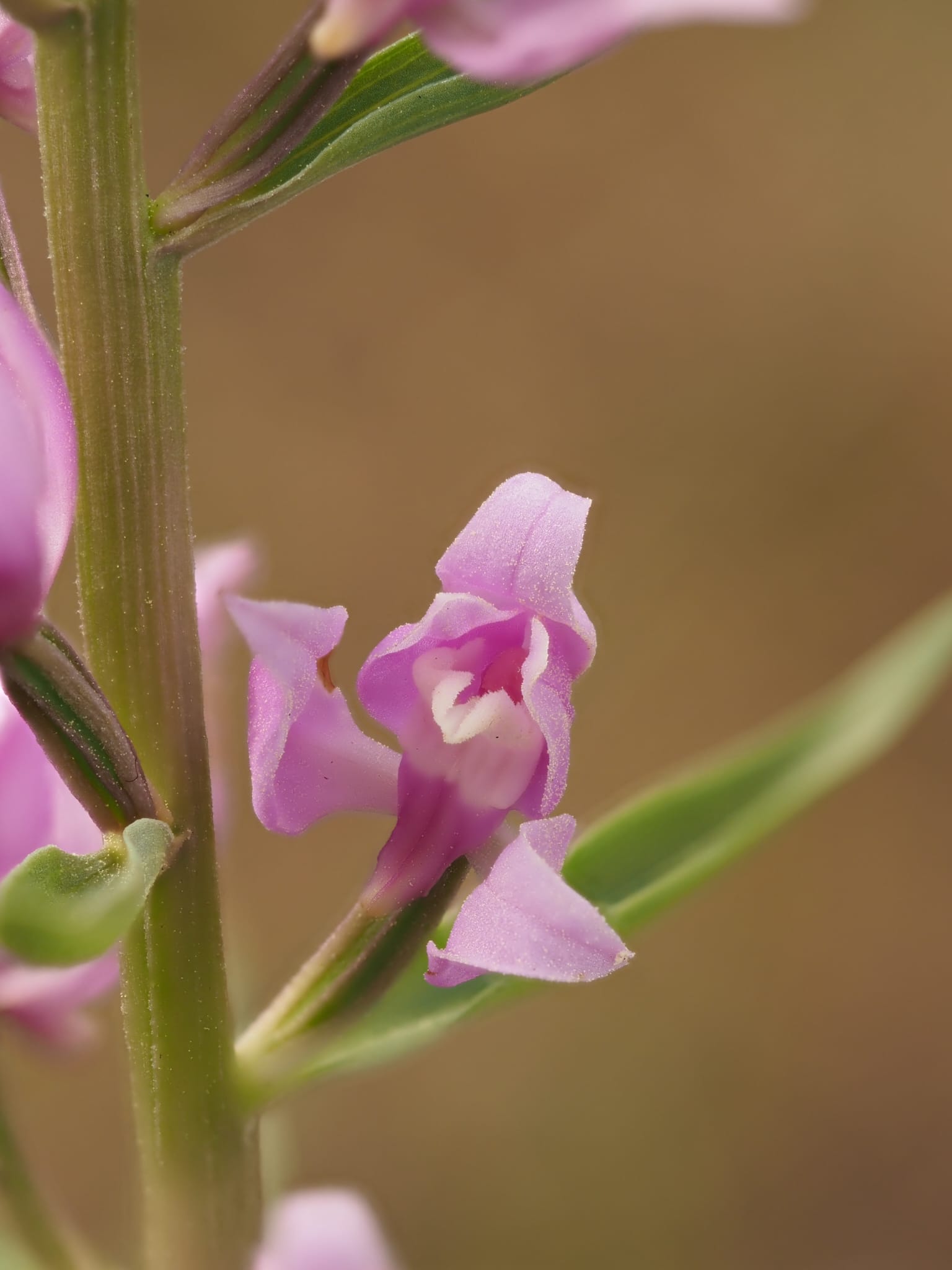
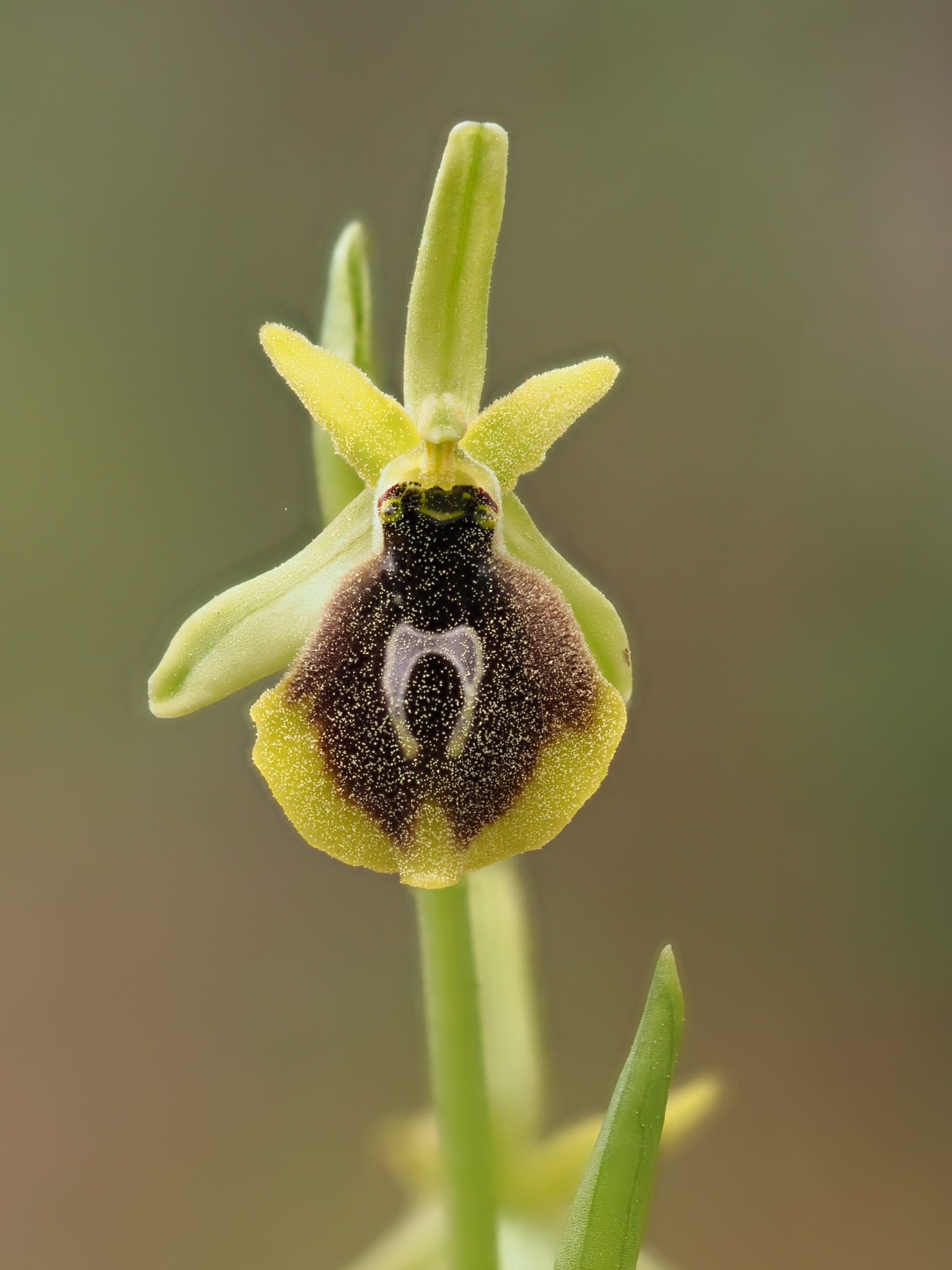
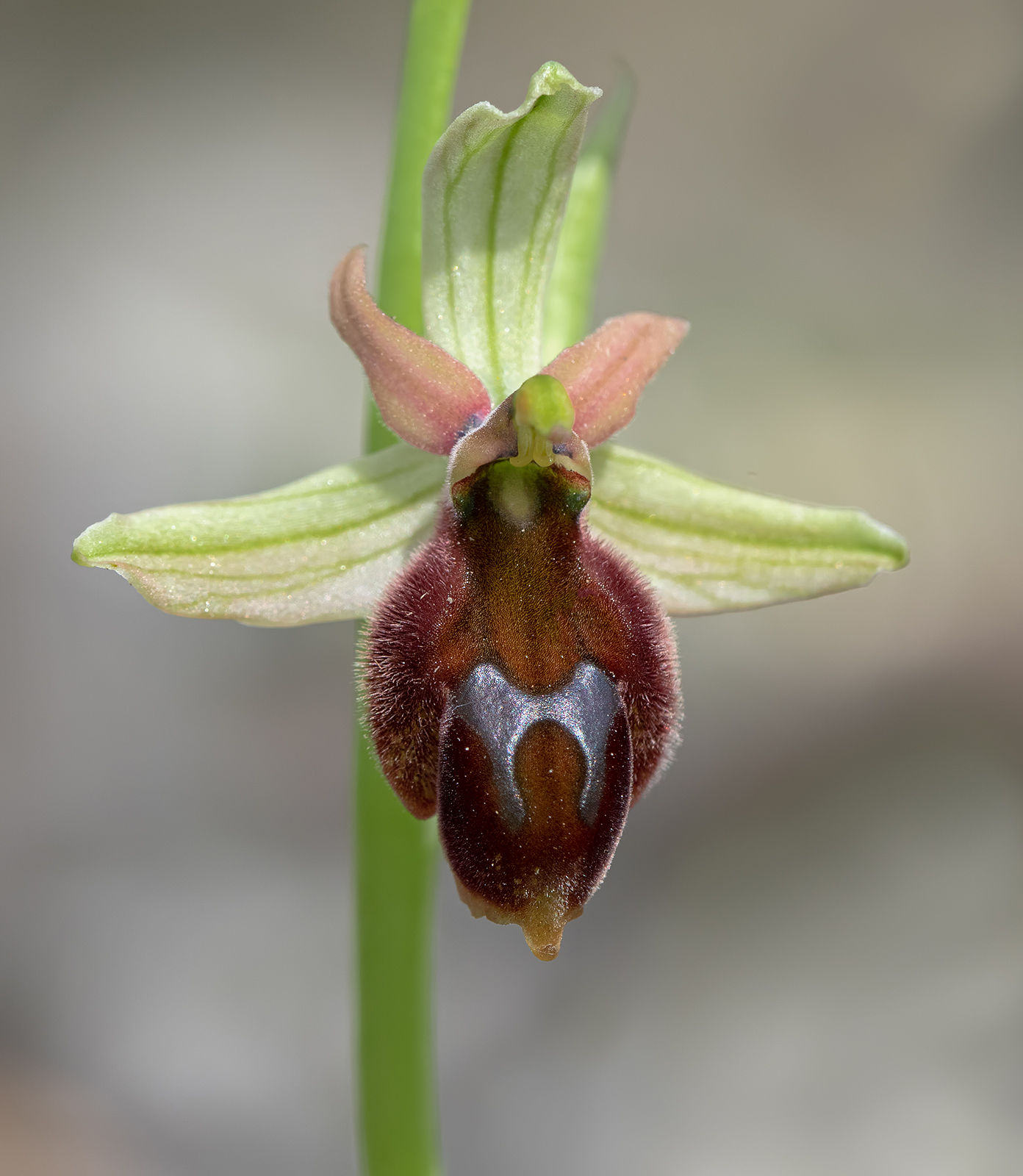
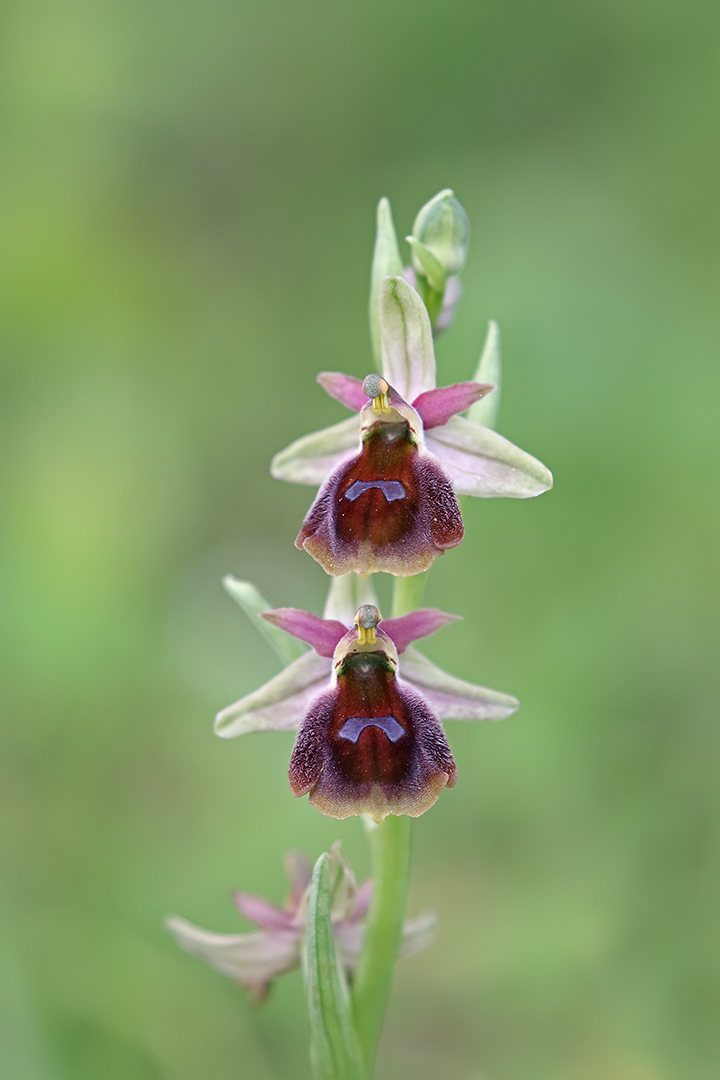
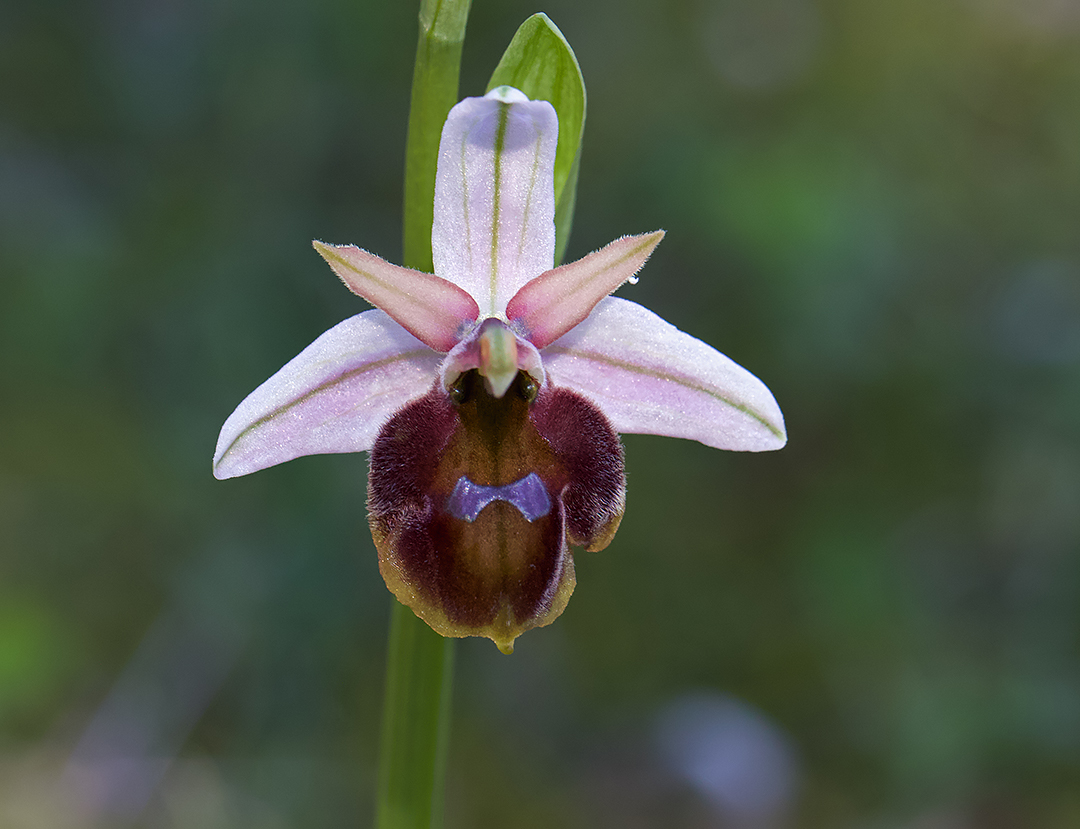
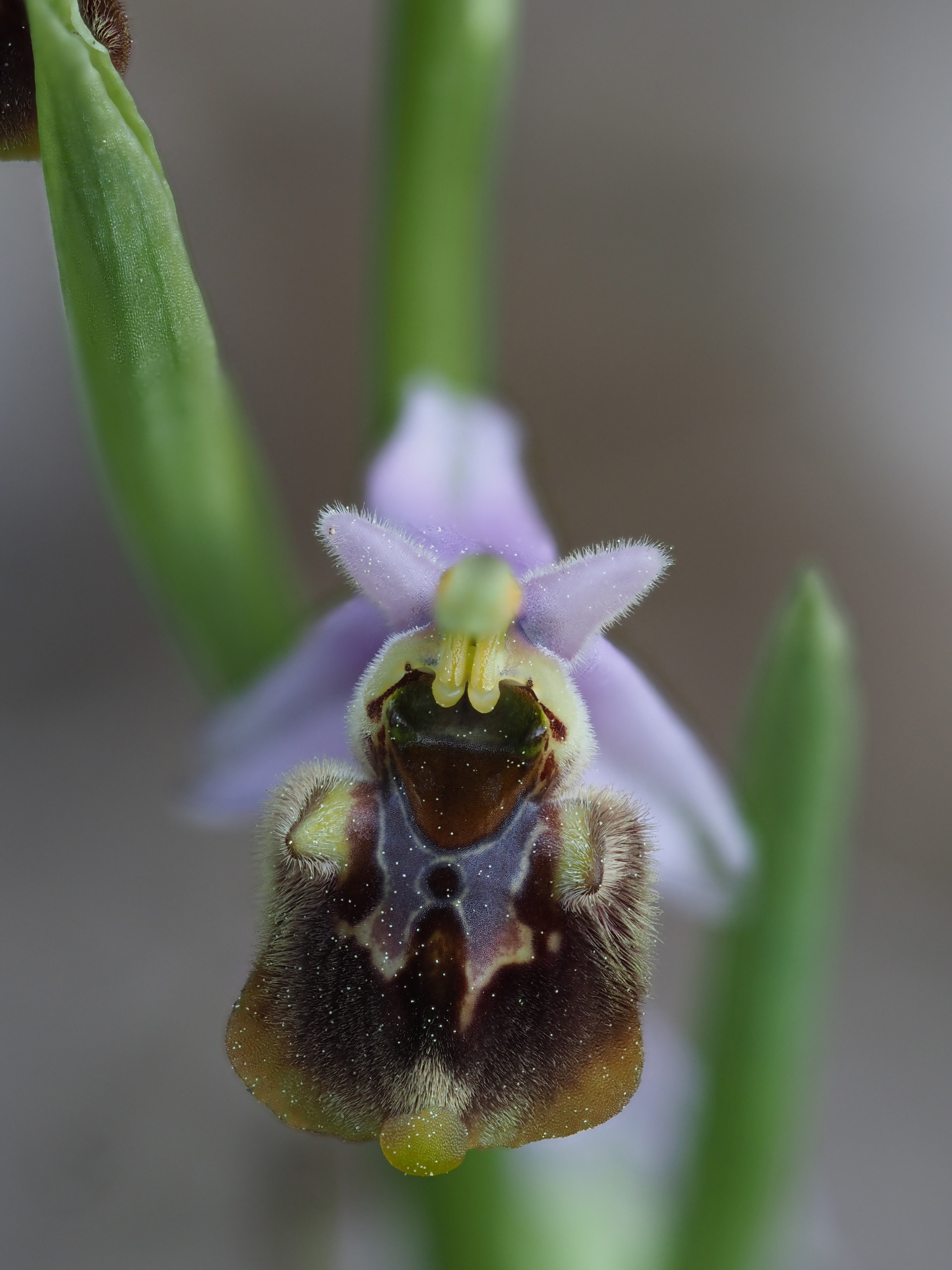
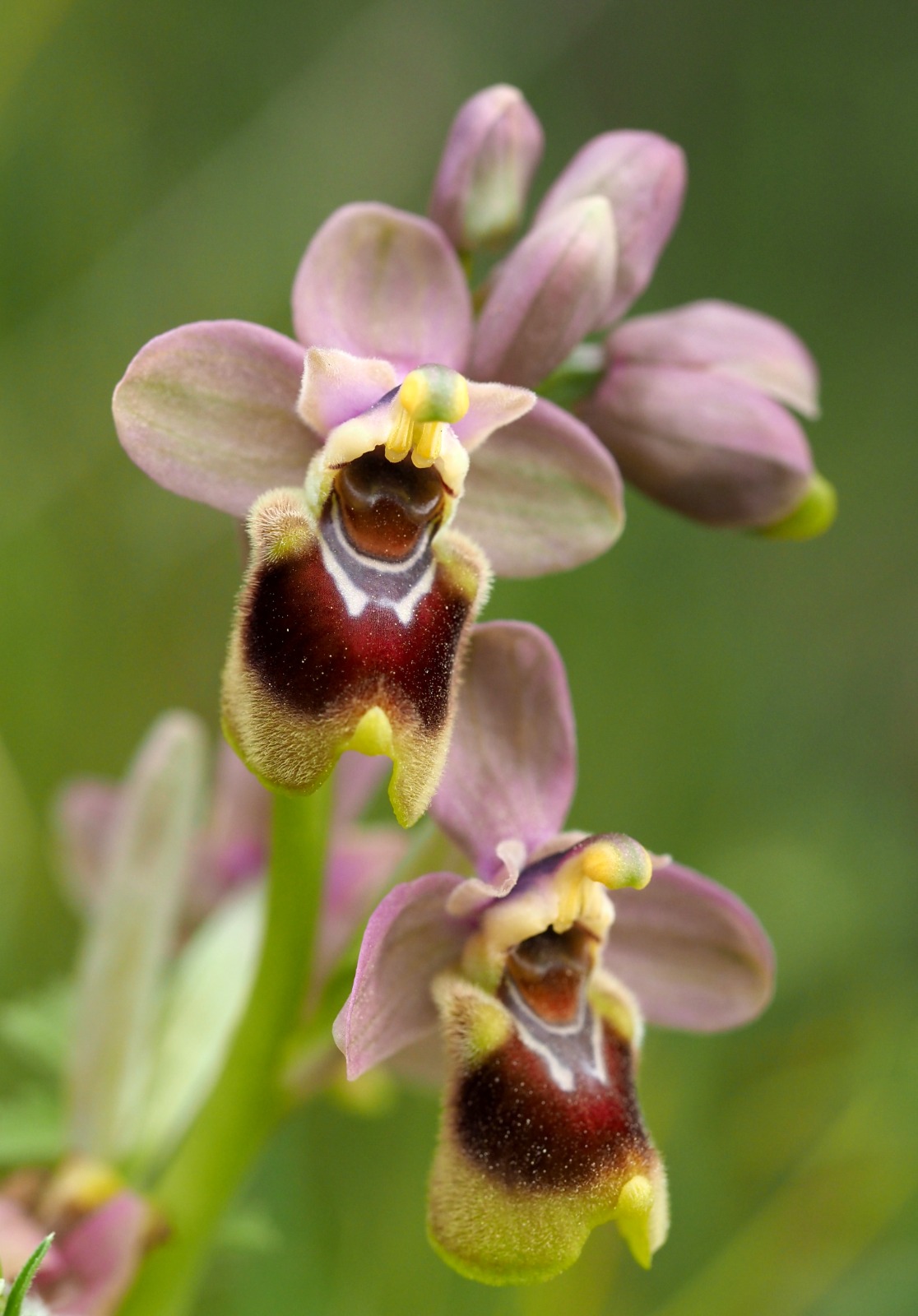
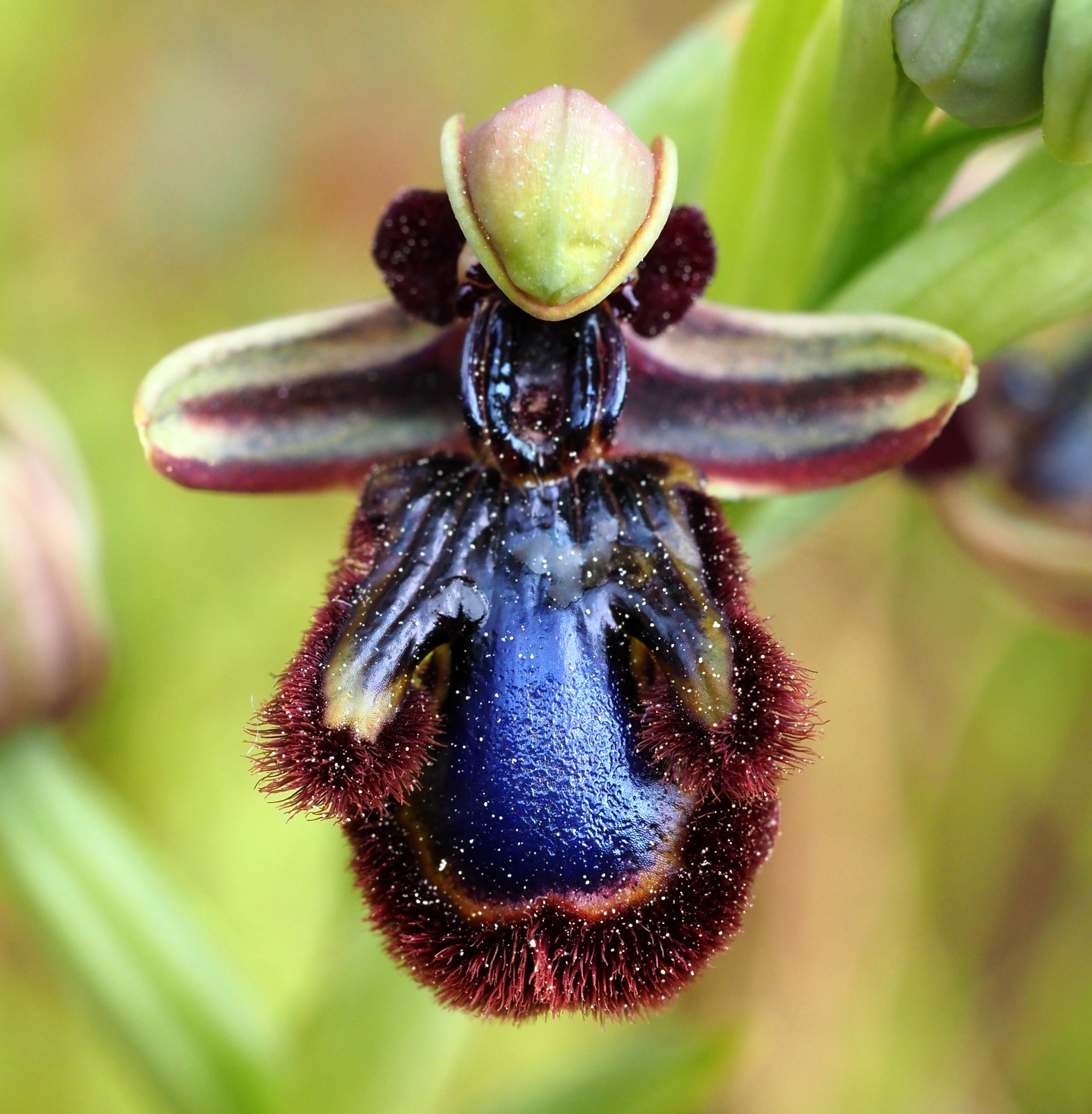
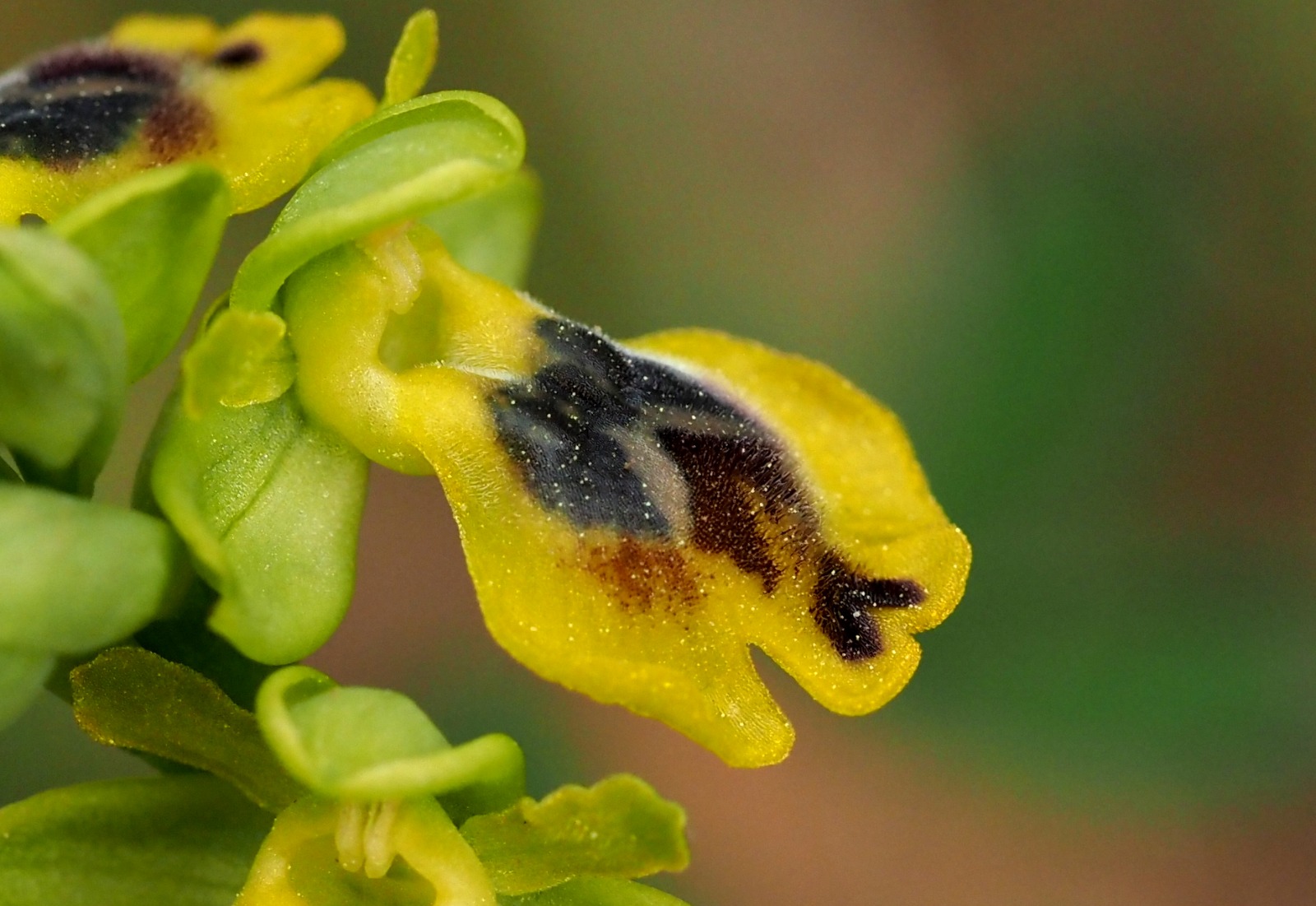
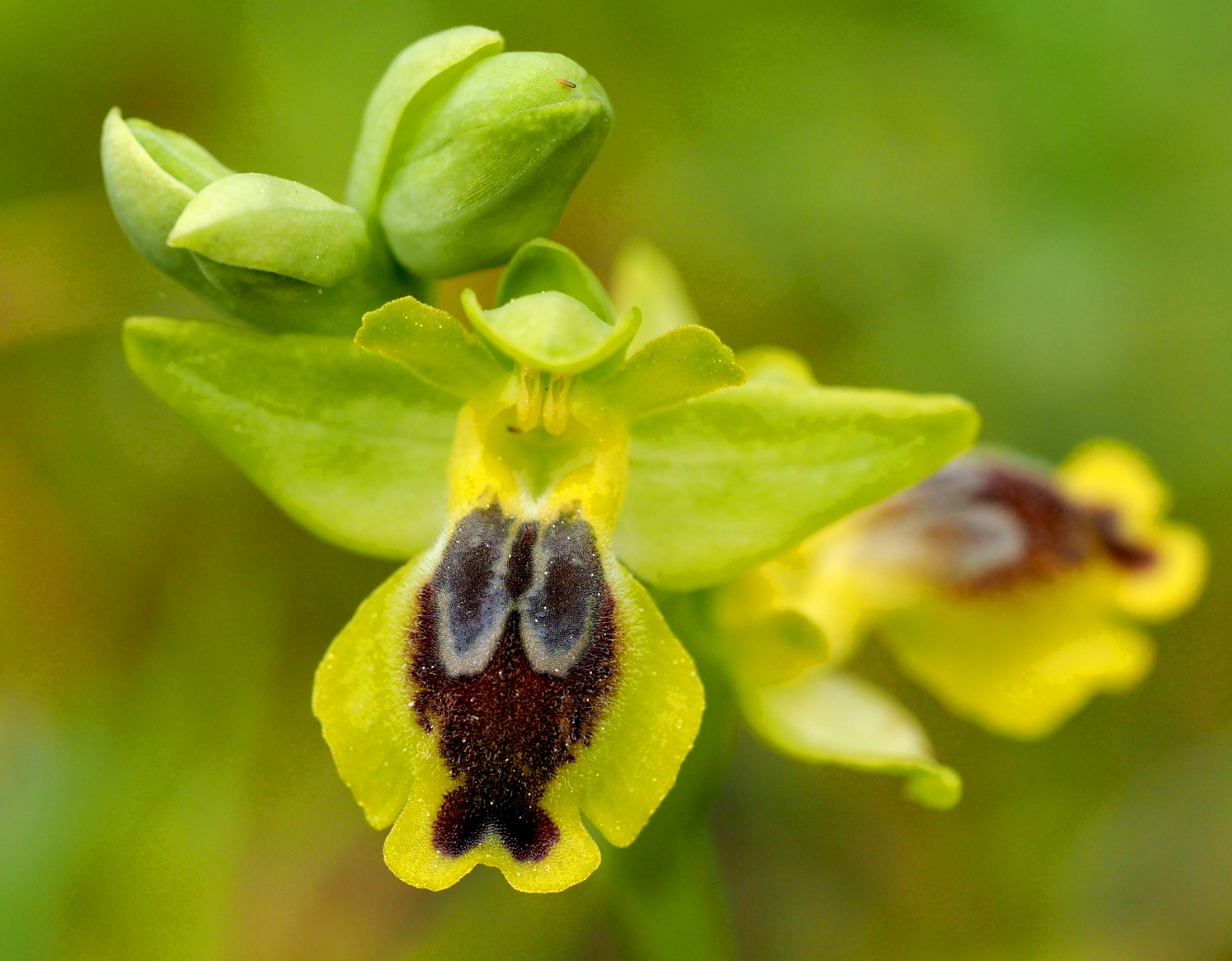
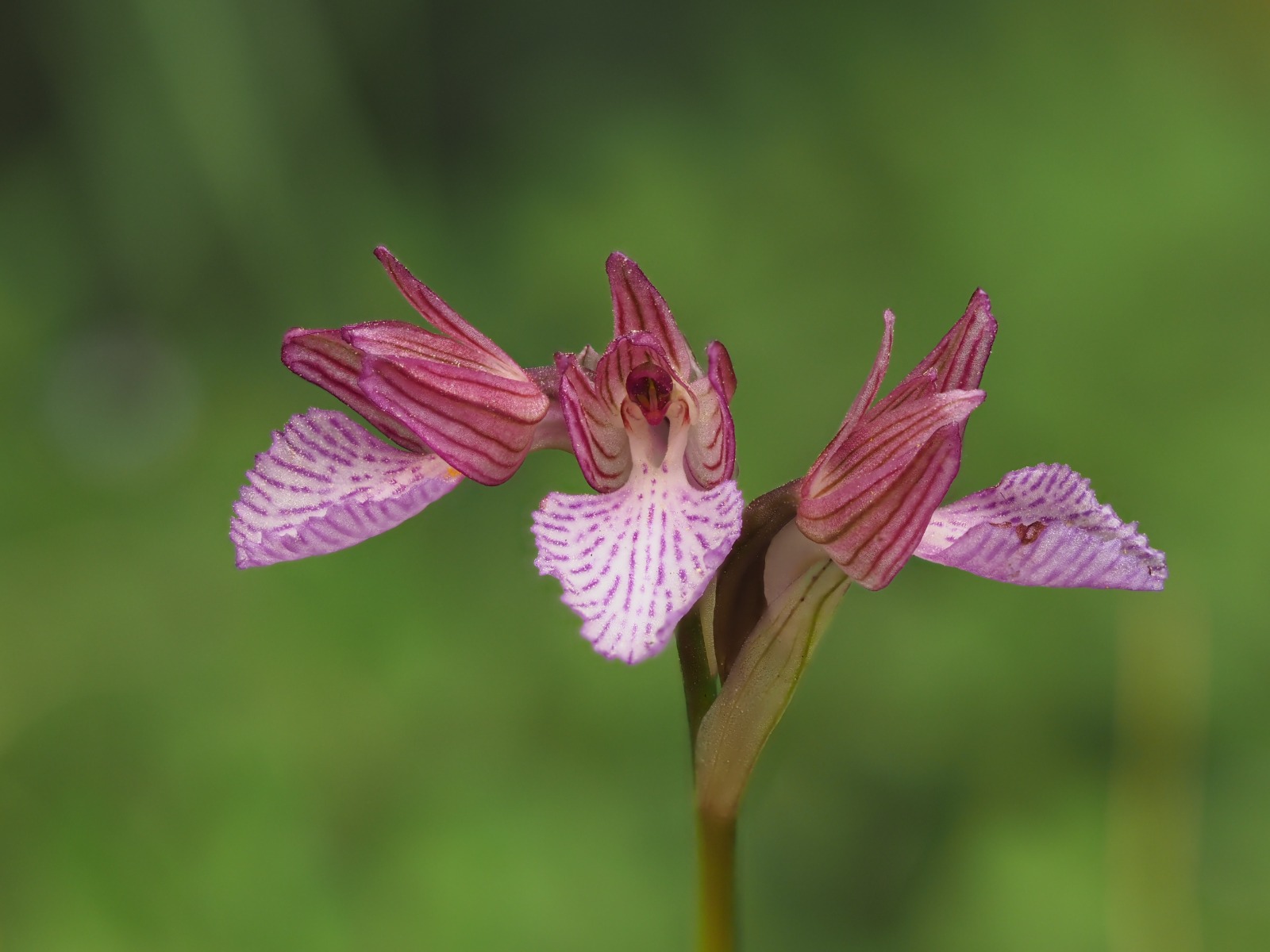
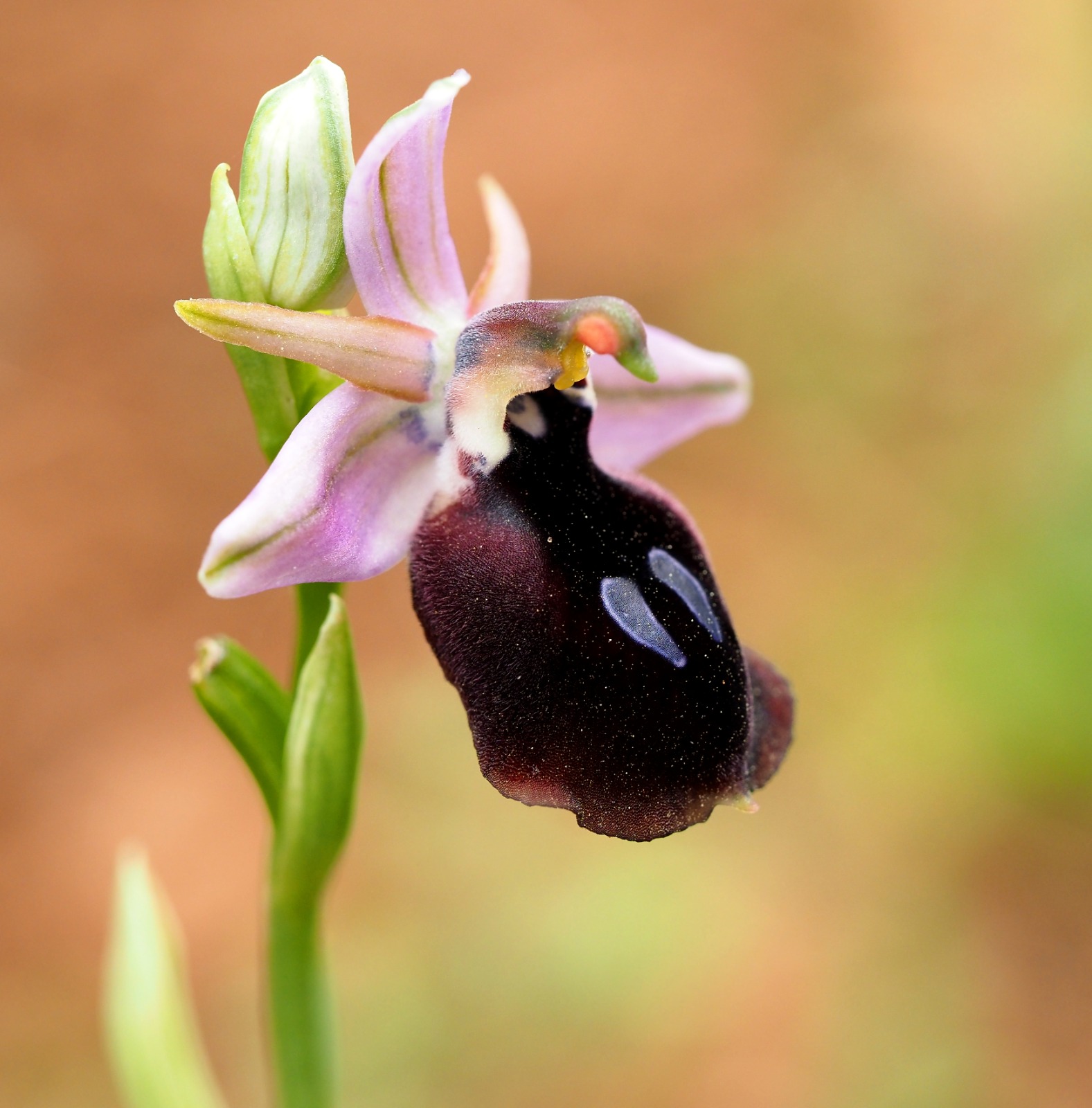
- Orchid targets & local specialities include Orchis punctulata, Ophrys lucis, Ophrys climaciss, Ophrys pallidiconi, and Cephalanthera kurdica
- Led by Hamza Soyden & Sean Cole (co-author of Britain’s Orchids)
- Small group for maximum guest enjoyment & care of sensitive habitats
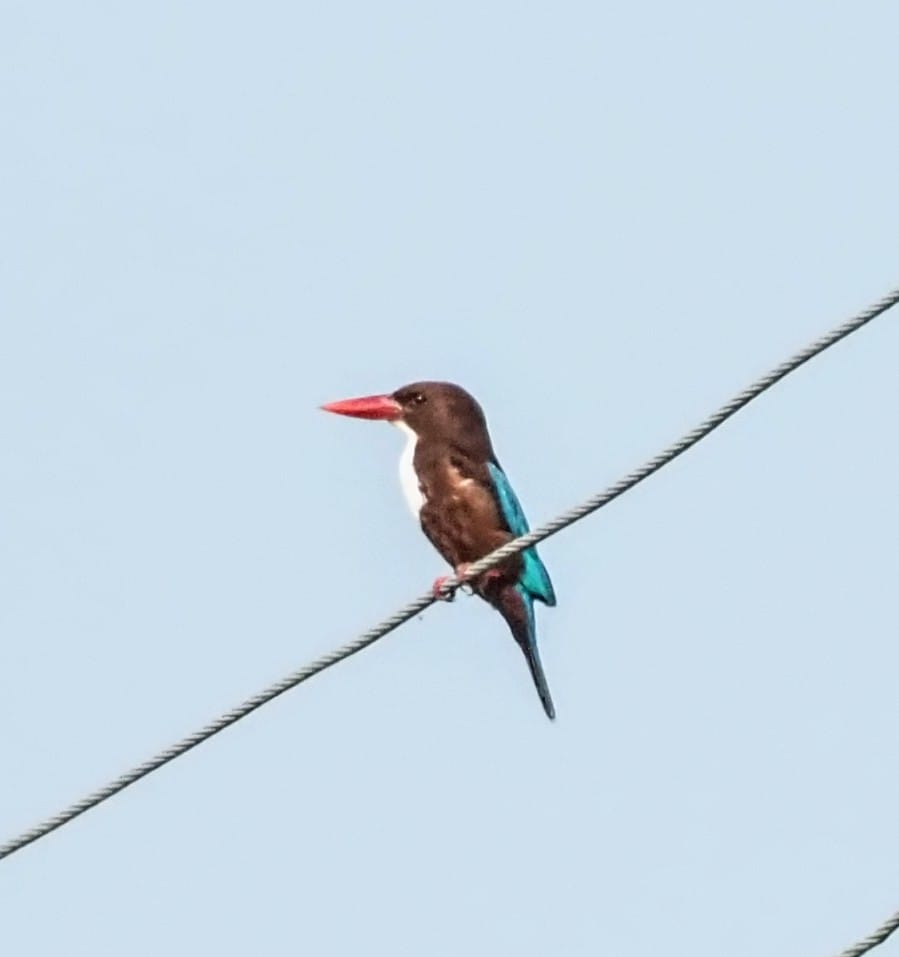
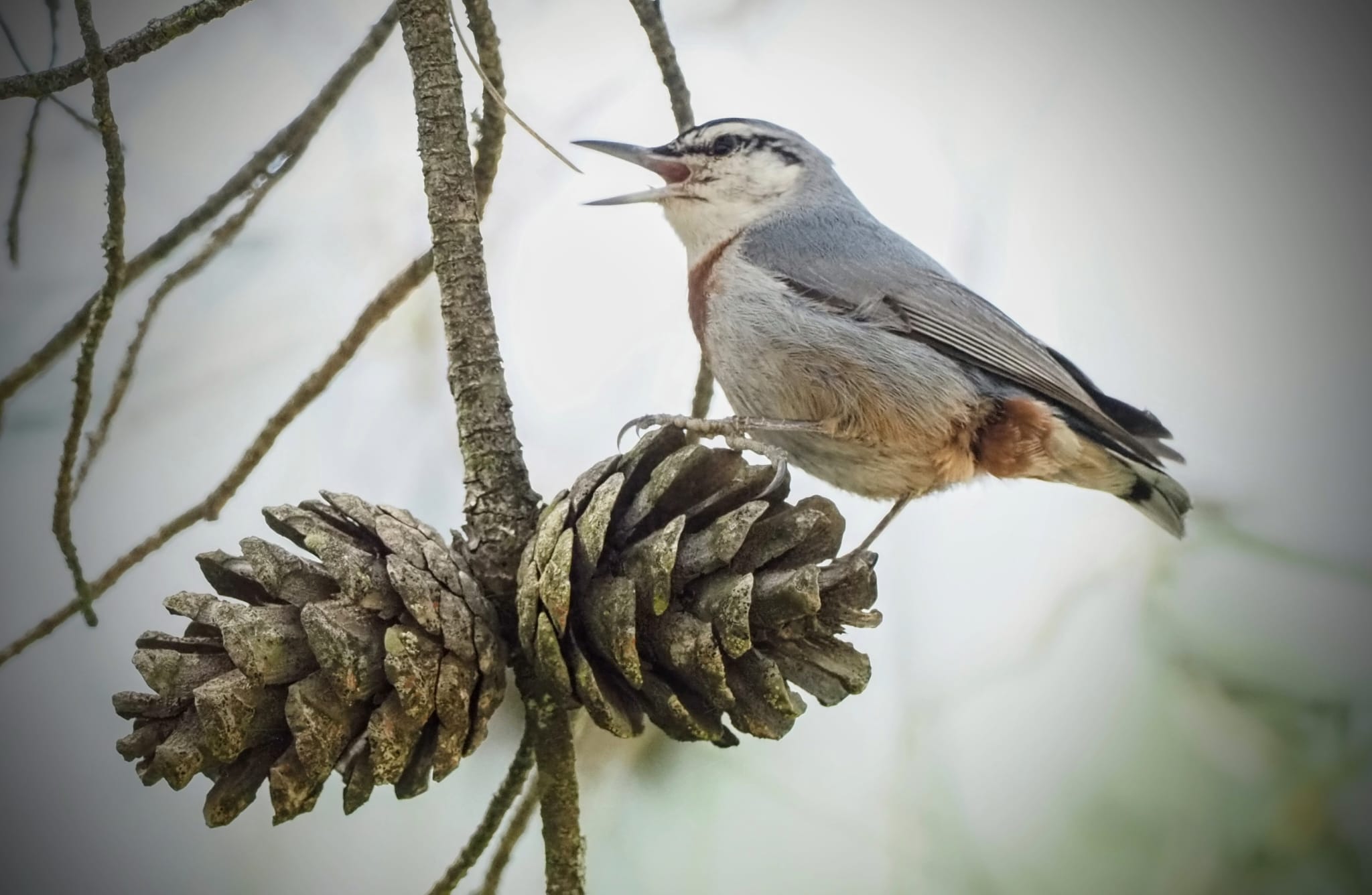
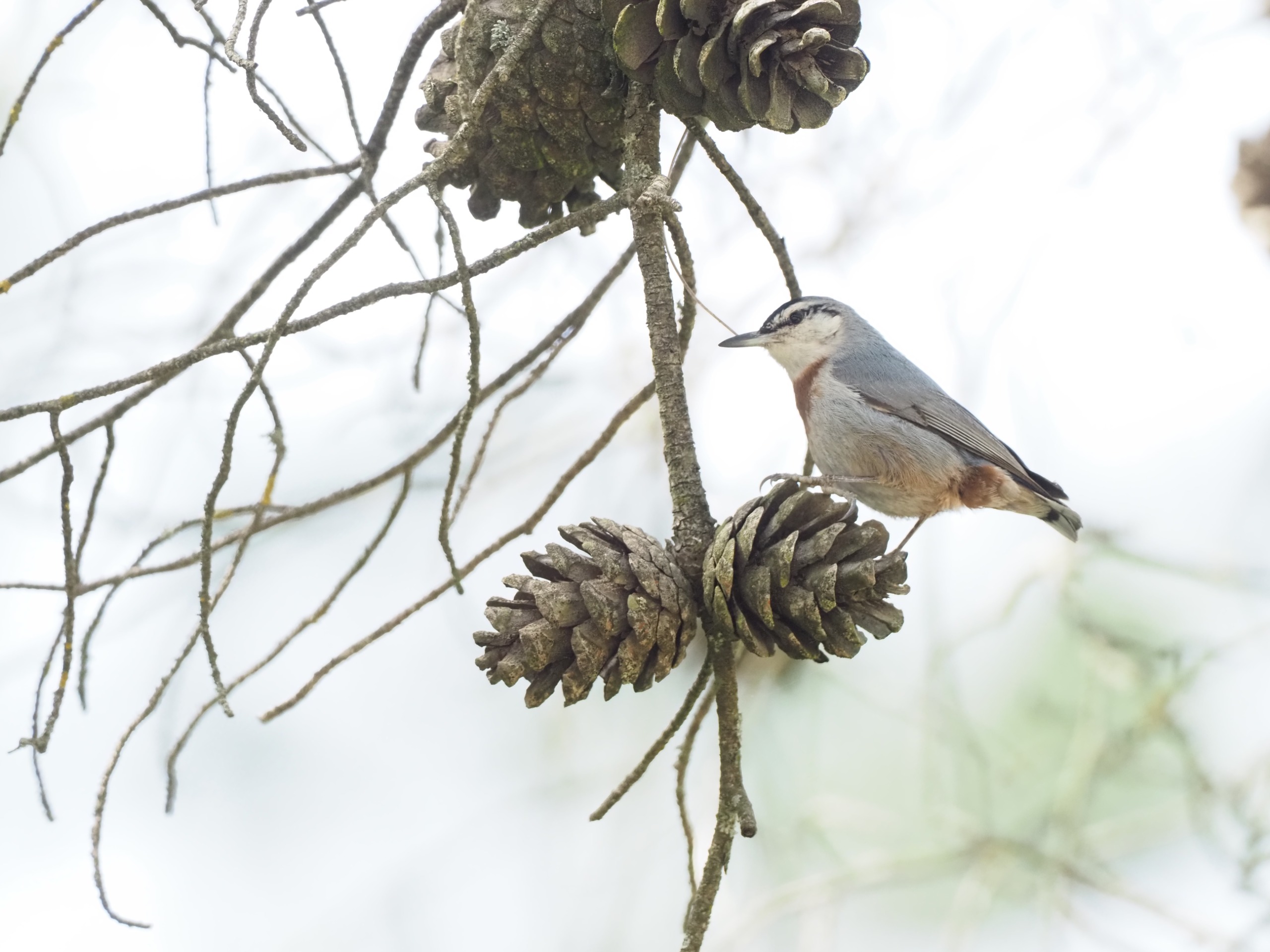
- Some good birds, including White-throated Kingfisher, Kruper’s Nuthatch, and Rock Nuthatch
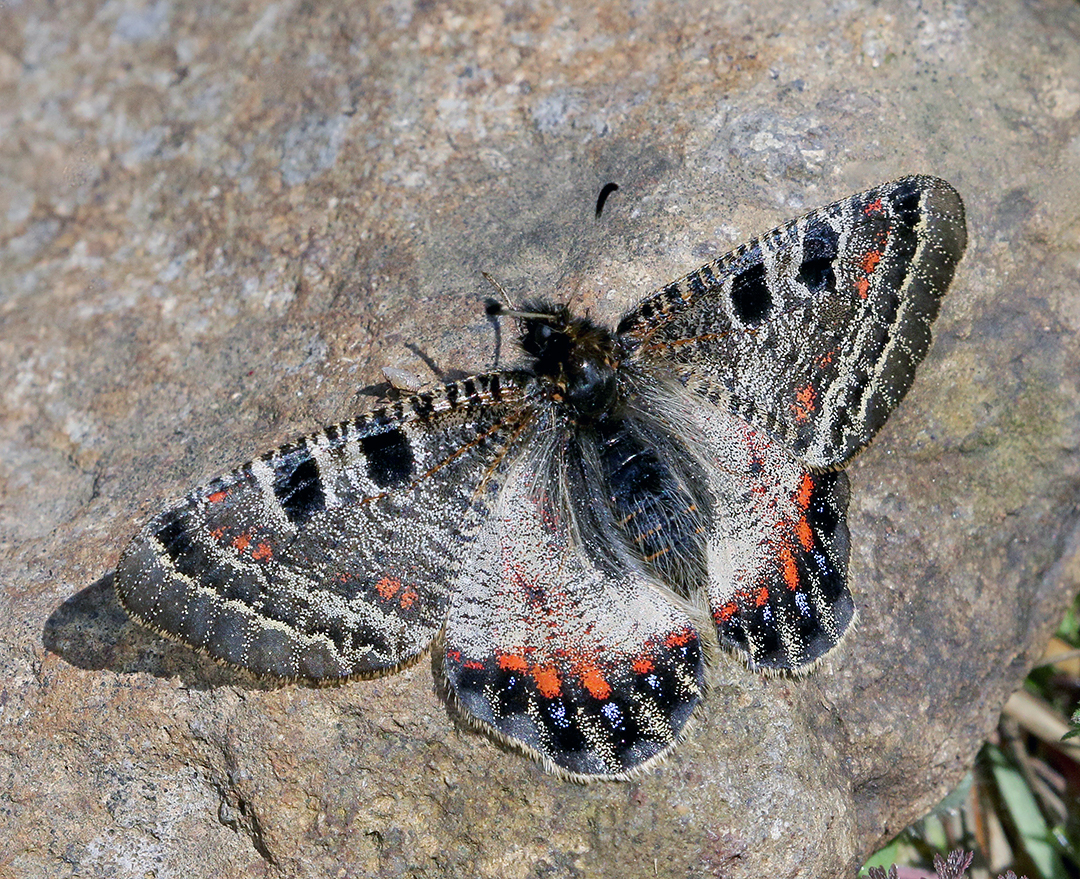
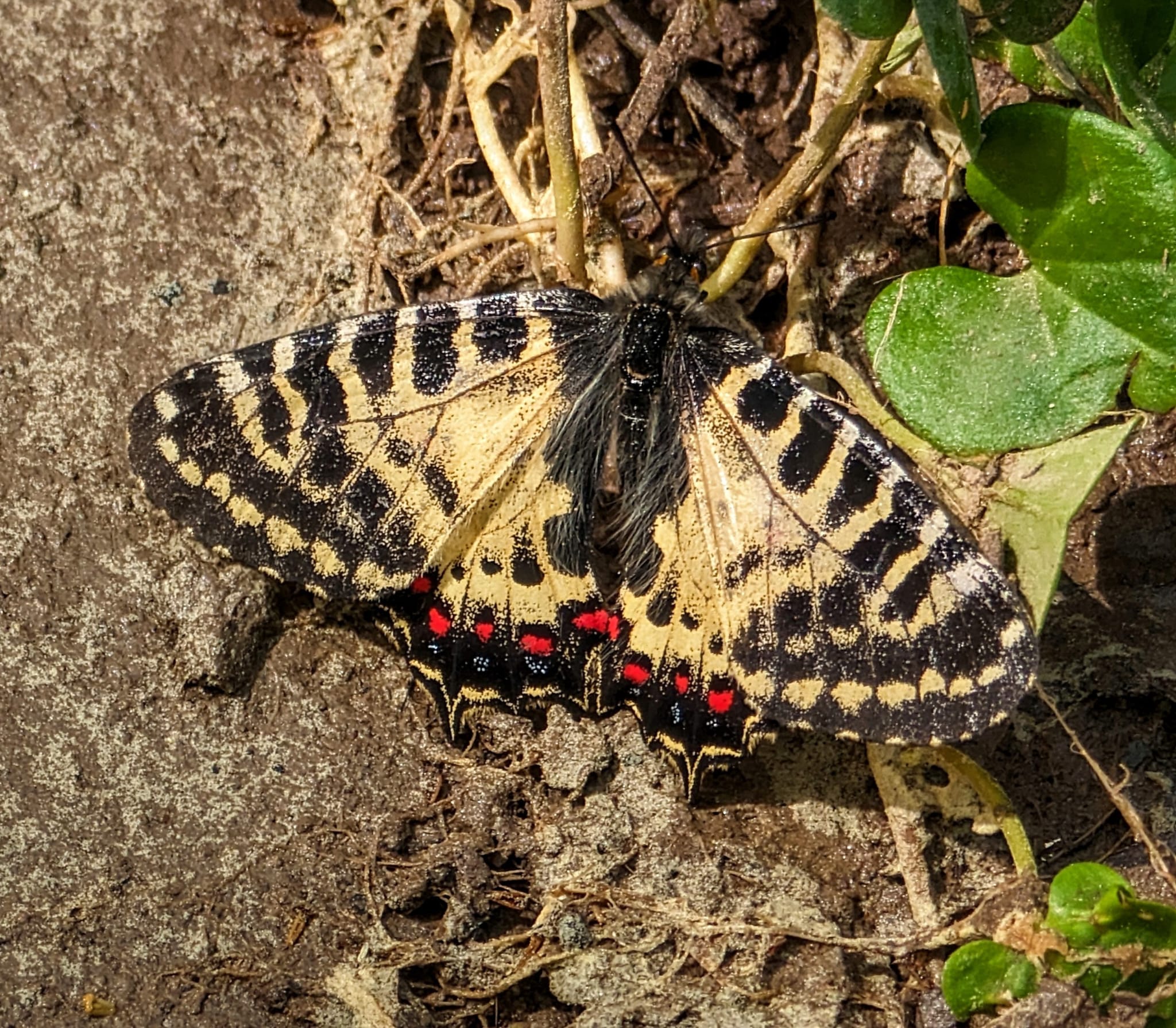
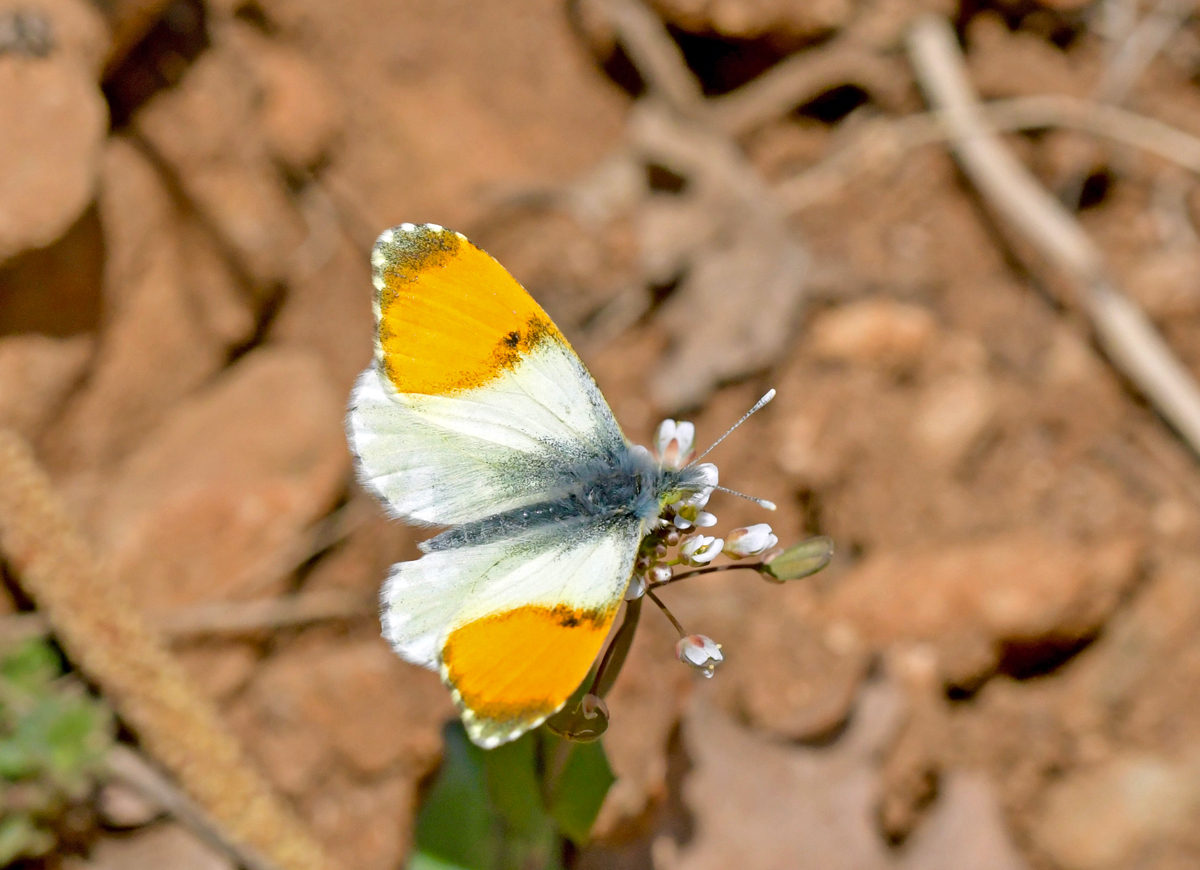
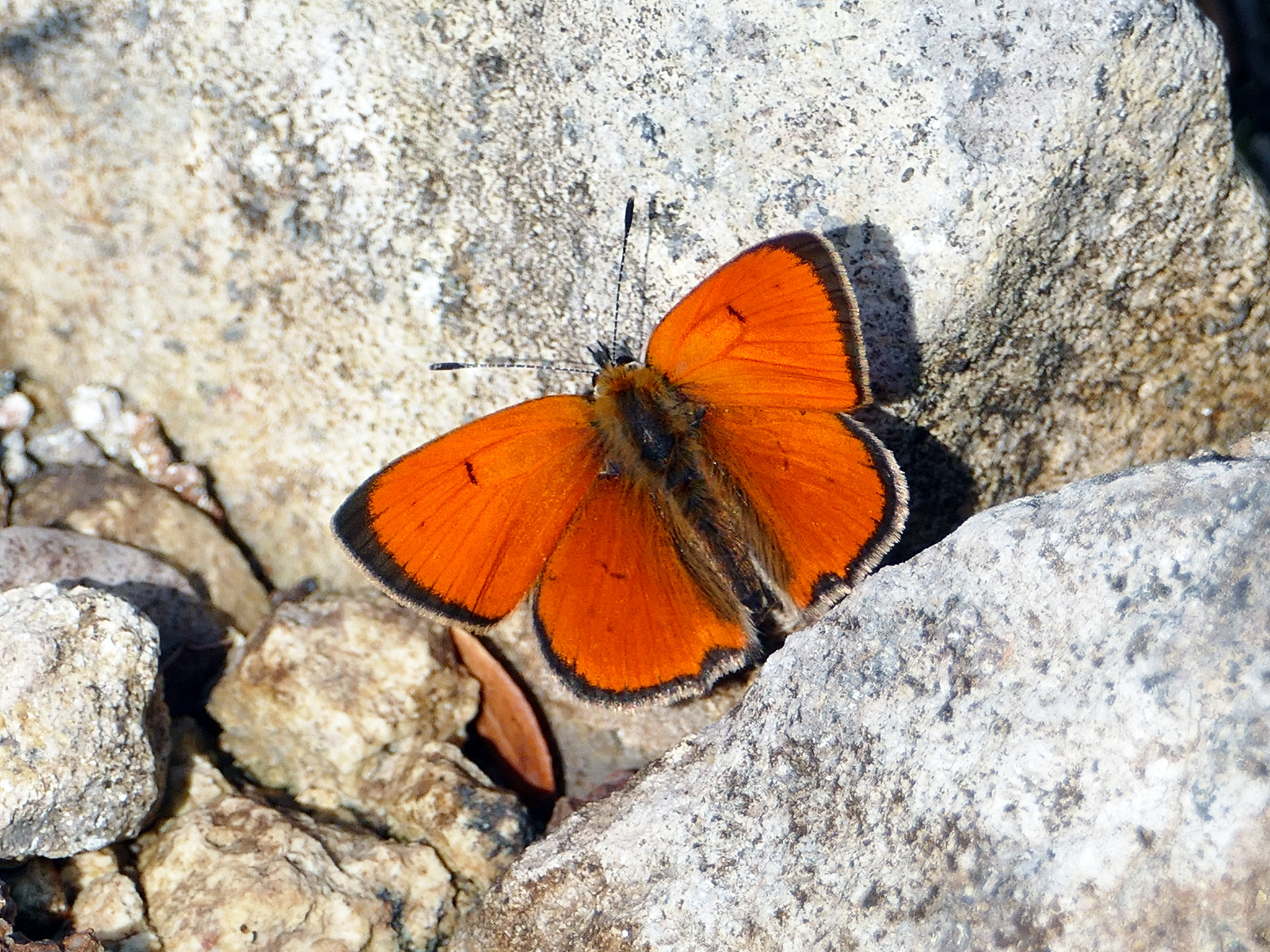
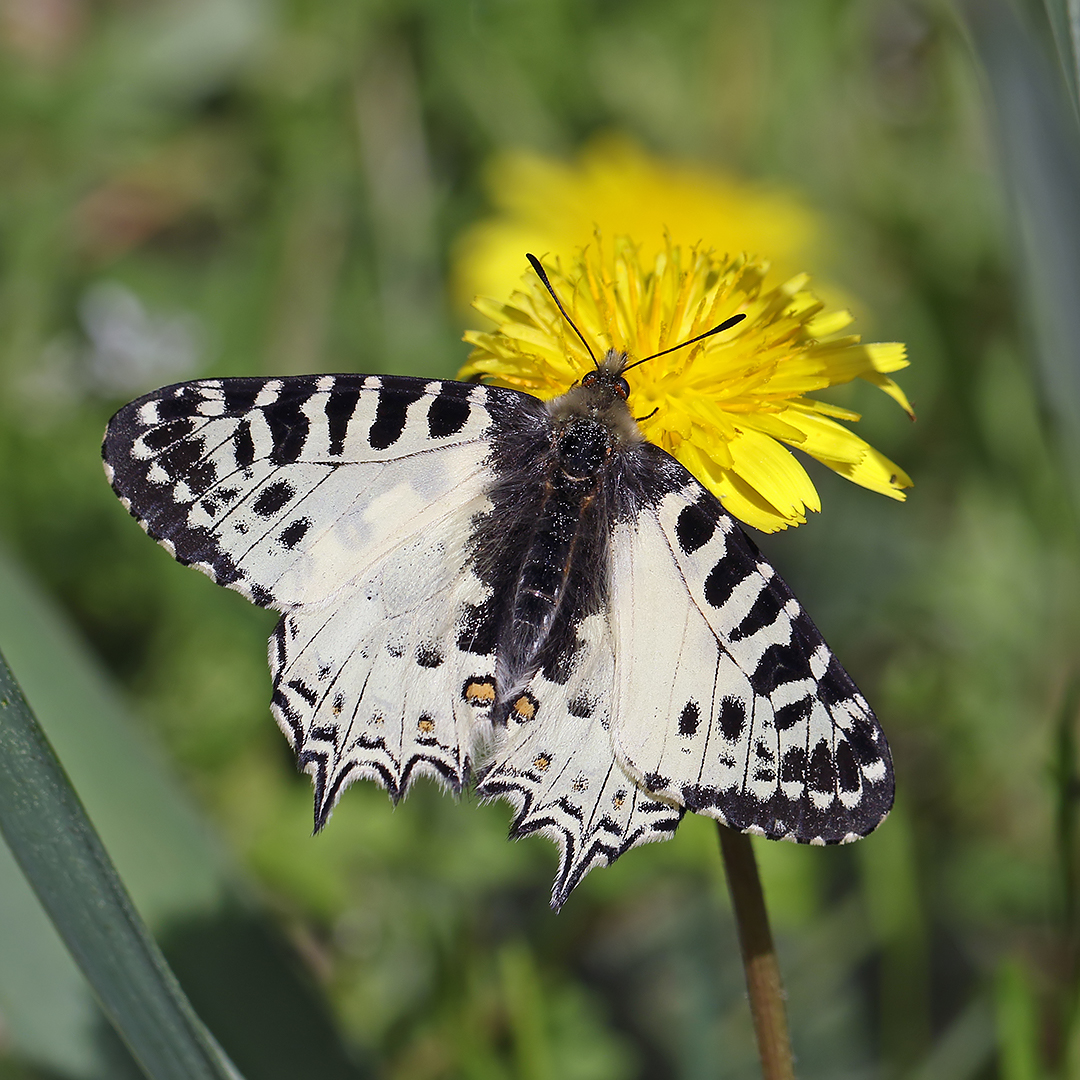
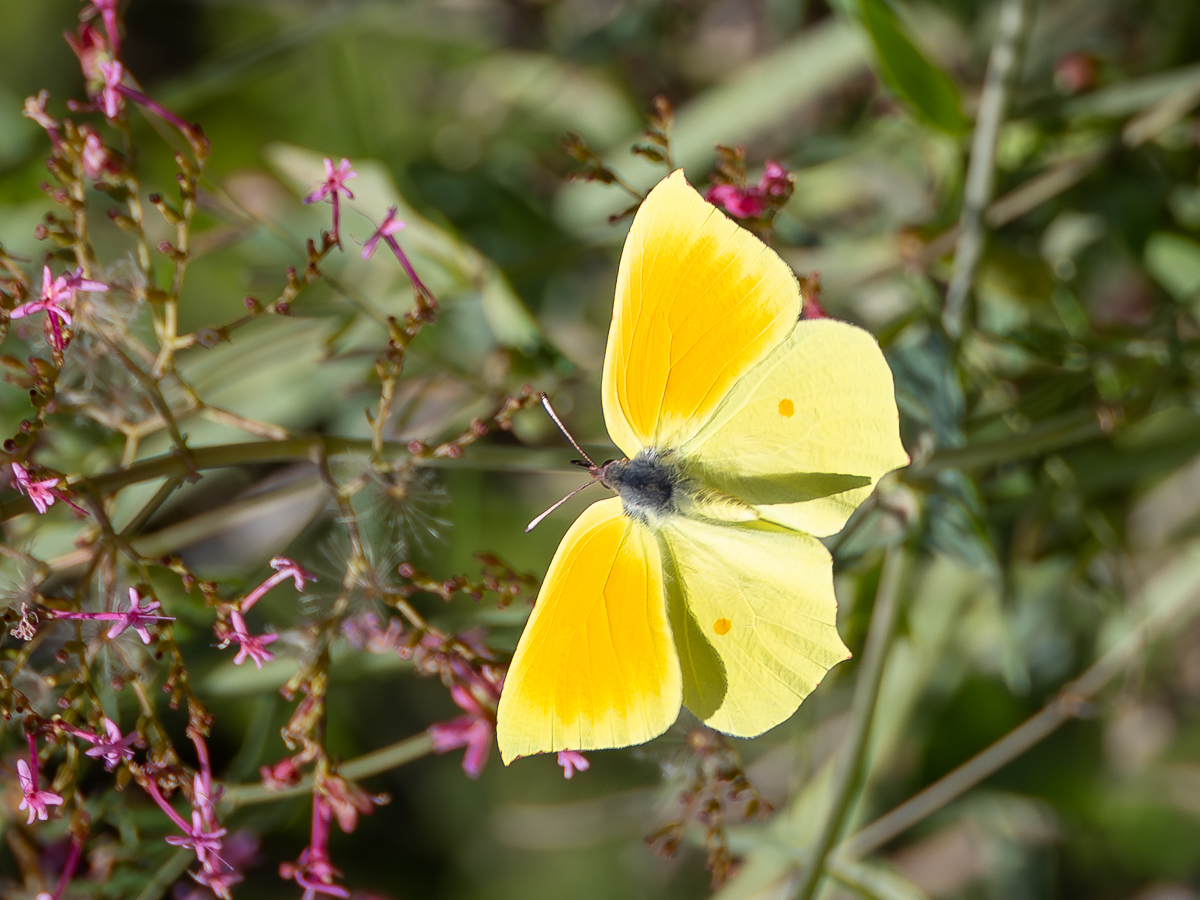
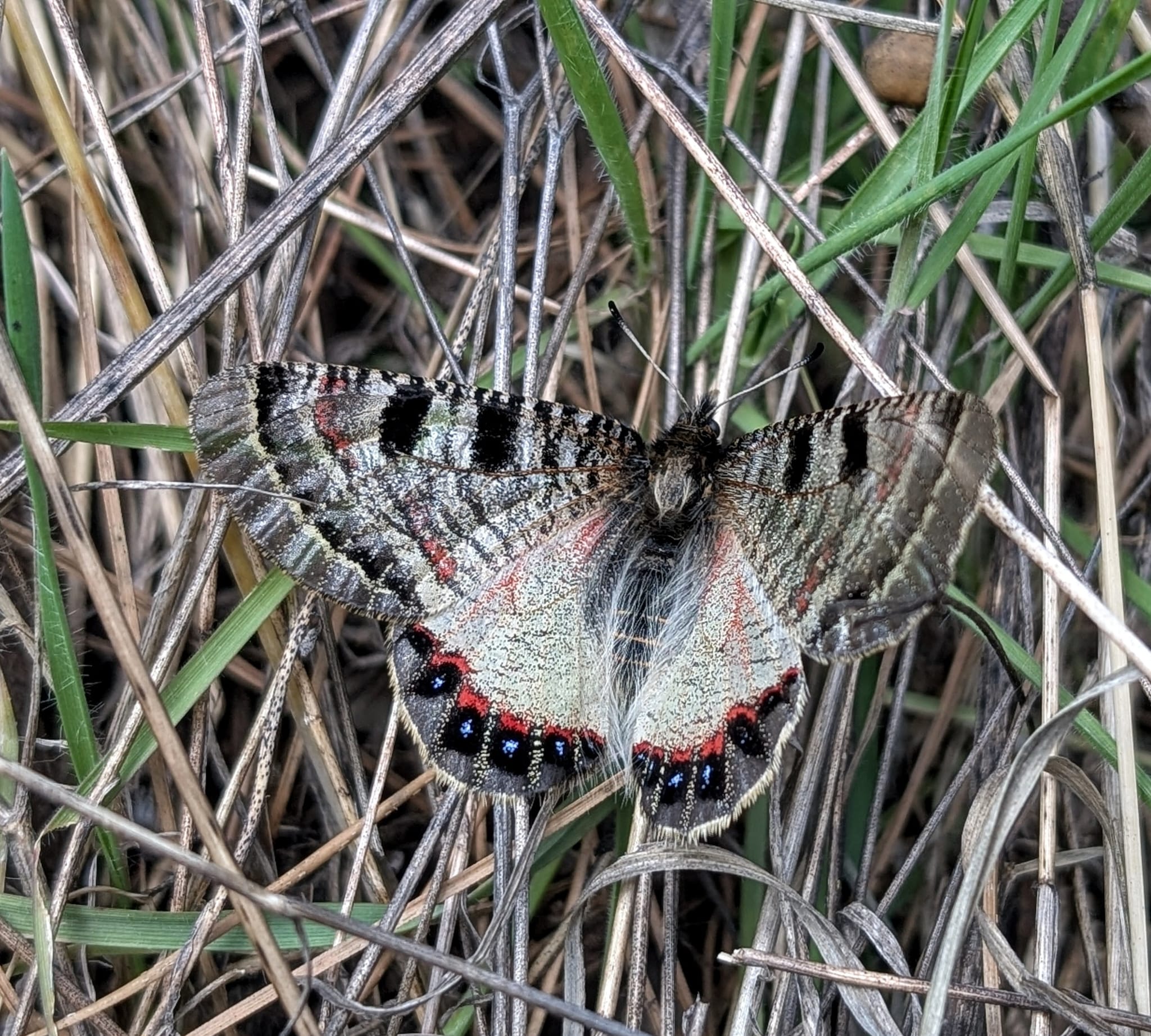
- Spring butterflies such as False Apollo, Eastern Festoon, Nogel’s Hairstreak, Grecian Copper & more!
An exciting orchid focused tour to the Turkish Riviera region of Antalya in Southwest Turkey!
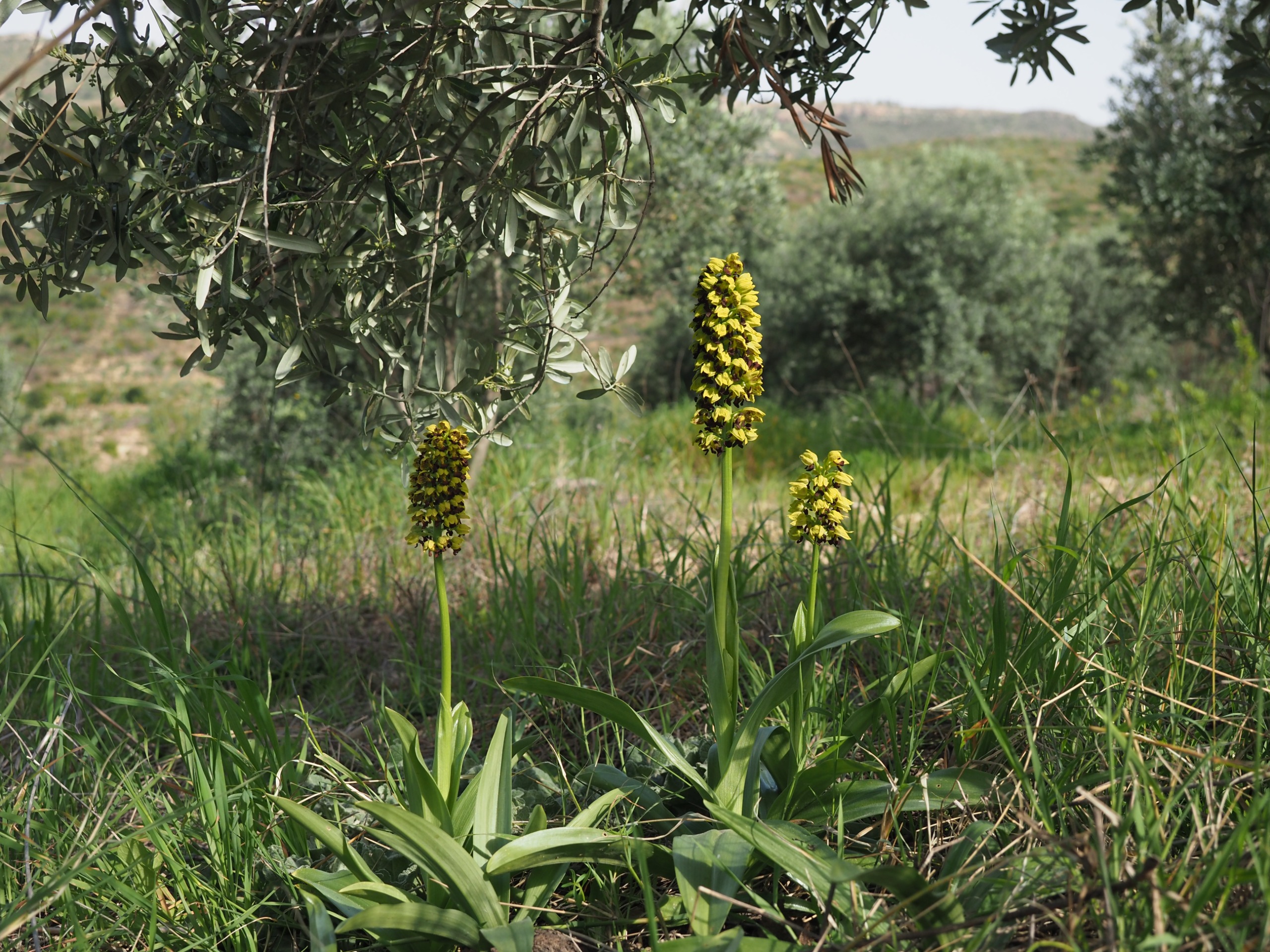
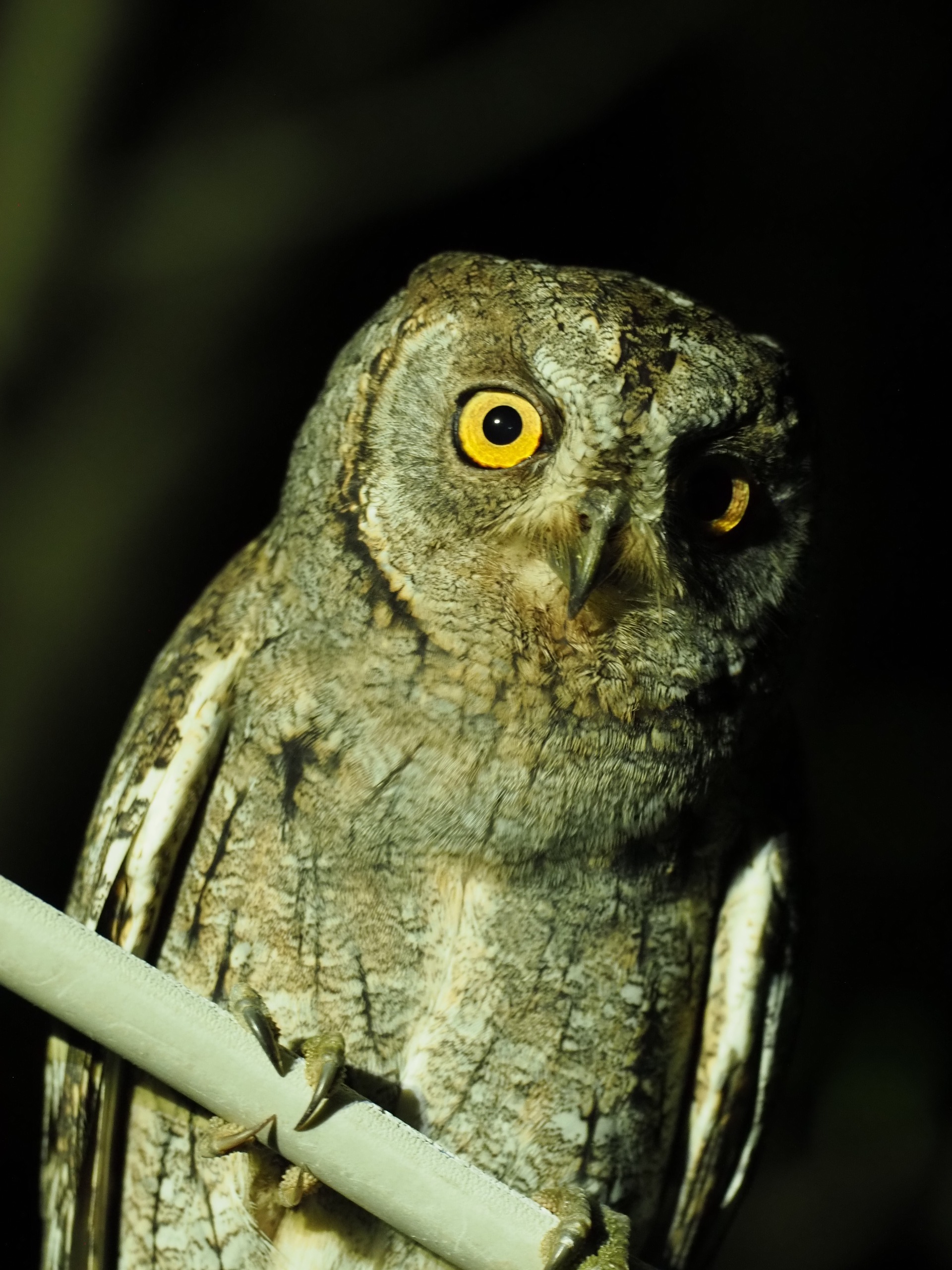
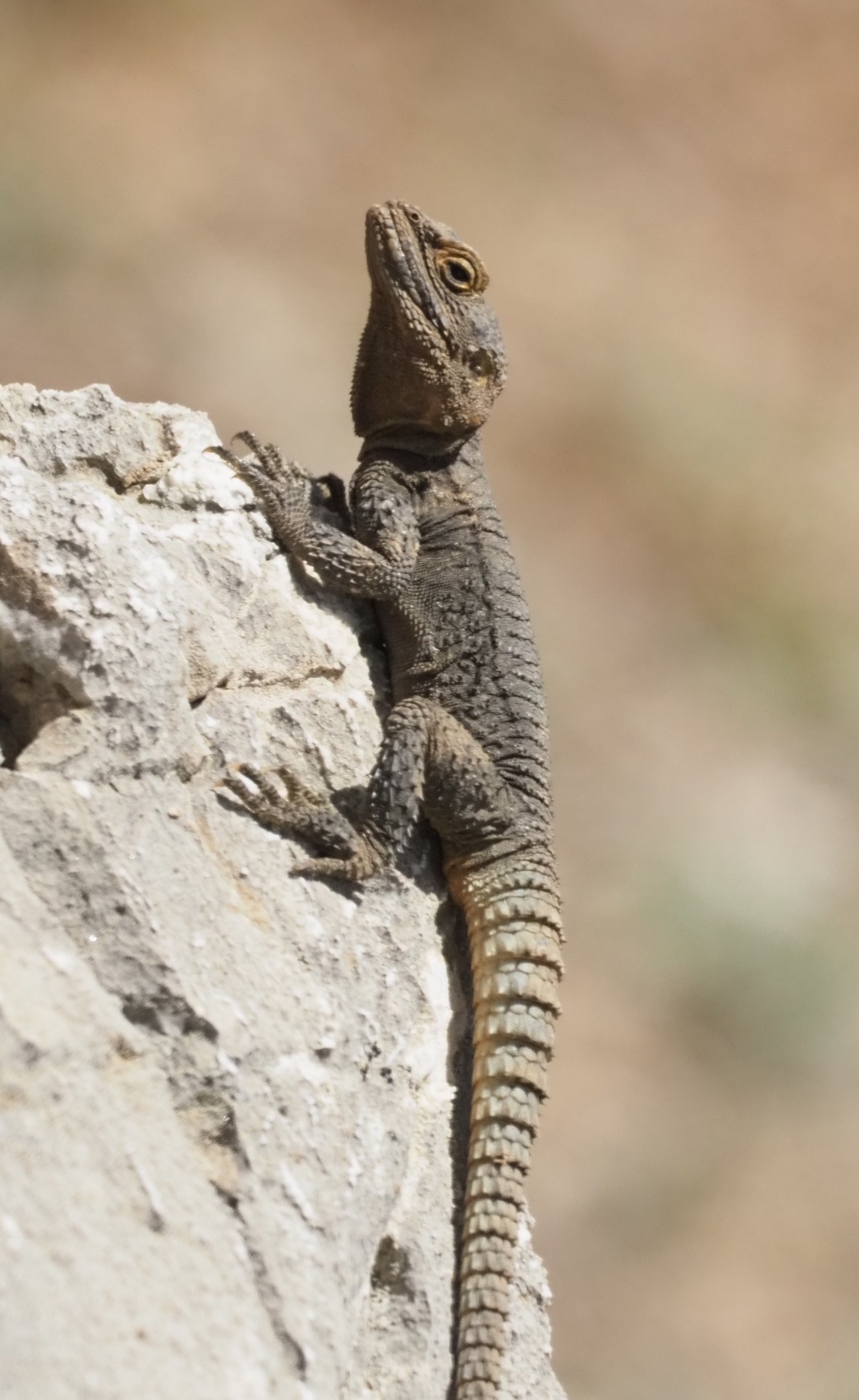
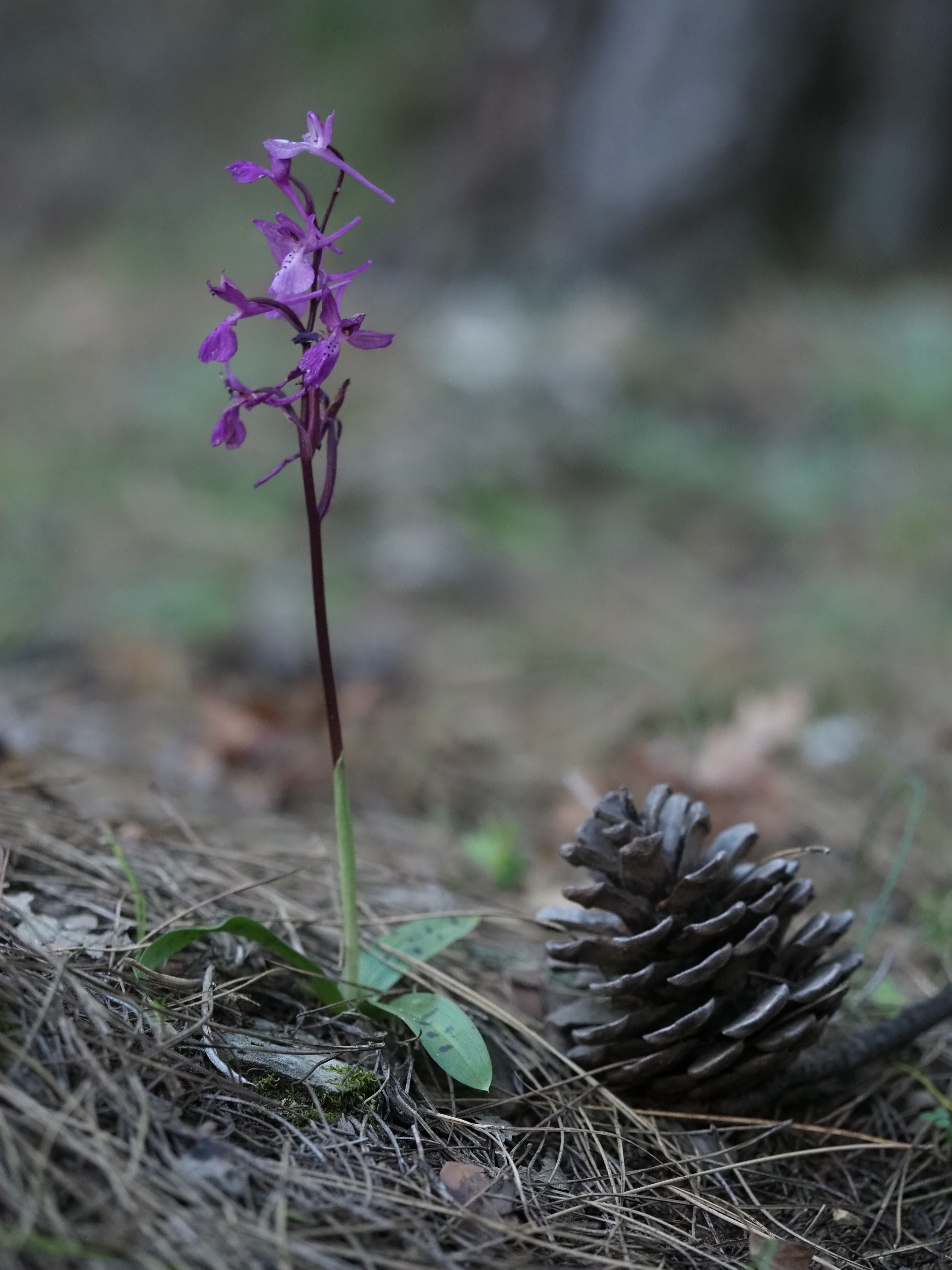
The Western Taurus Mountains form an arc around the Gulf of Antalya. It has numerous peaks rising above 3,000m, with Mt. Kizlarsivrisi, at 3,086m the highest peak. At lower elevations, the predominant vegetation is forest and woodland of evergreen oaks and Turkish pine (Pinus brutia), and areas of maquis shrubland. Once one climbs above 1,200 metres the habitat changes to montane forests of black pine (Pinus nigra), Lebanon cedar (Cedrus libani), Taurus fir (Abies cilicica), and juniper (Juniperus spp.). The high peaks are home to alpine meadows. The Turkish Riviera (or Turquoise Coast) is an area of southwest Turkey encompassing the provinces of Antalya and Muğla. The overall area is an attractive mixture of a favourable climate, warm sea, mountainous scenery, fine beaches along more than a 1,000 km of shoreline, and an abundance of natural and archaeological features. Our main botanical target is the beautiful stately “Queen of Turkish orchids”, Orchis punctulata, a species in serious decline in the region due to development and collection. Last year, our guides, Hamza Soyden & Sean Cole, saw hundreds of these beautiful orchids across several sites, mostly found by themselves. In addition, we aim, subject to the timings of the season, to see several other local and special orchids, such as Ophrys lucis (Rhodian Horseshoe Orchid), Ophrys climacis (Kemer Oprhys), Ophrys pallidiconi (Pallidoconi Late-spider Orchid), and Cephalanthera kurdica (Kurdish Helleborine). As well as orchids and other wildflowers we will target key birds, such as White-throated Kingfisher, Kruper’s Nuthatch (which is common in the forests of the area), Rock Nuthatch, Ruppell’s Warbler and Sombre Tit. One night we can opt to go out into the mountains with an experienced guide in the hope of seeing the ultra-rare Brown Fish Owl, found in only a few sites in southern Turkey, and strictly nocturnal. (additional cost for this trip). We will also take time to search for some butterflies. Although it’ll be quite early in the flight season we should still be able to see some interesting species, such as the beautiful False Apollo and Eastern Festoon, Gruner’s Orange-Tip, Nogel’s Hairstreak, Cleopatra, Grecian Copper, and others. During our days in the field, we hope to see (and hear!) mating tortoises, plus there’ll be the ubiquitous Starred Agama & other lizards for some additional herpetological interest. The area includes a number of interesting and important archaeological locations, some of which we plan to include in our exploration – especially those which are also home to a range of significant flora & fauna of interest. This tour provides a wide variety of wildlife, alongside our main orchid targets, and promises to be a popular spring tour – we recommend enquiring and booking early!
Day 0 (22nd March): Arrival and overnight near Antalya airport.
Day 1: Kemer
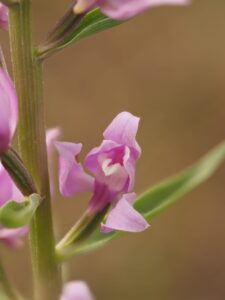
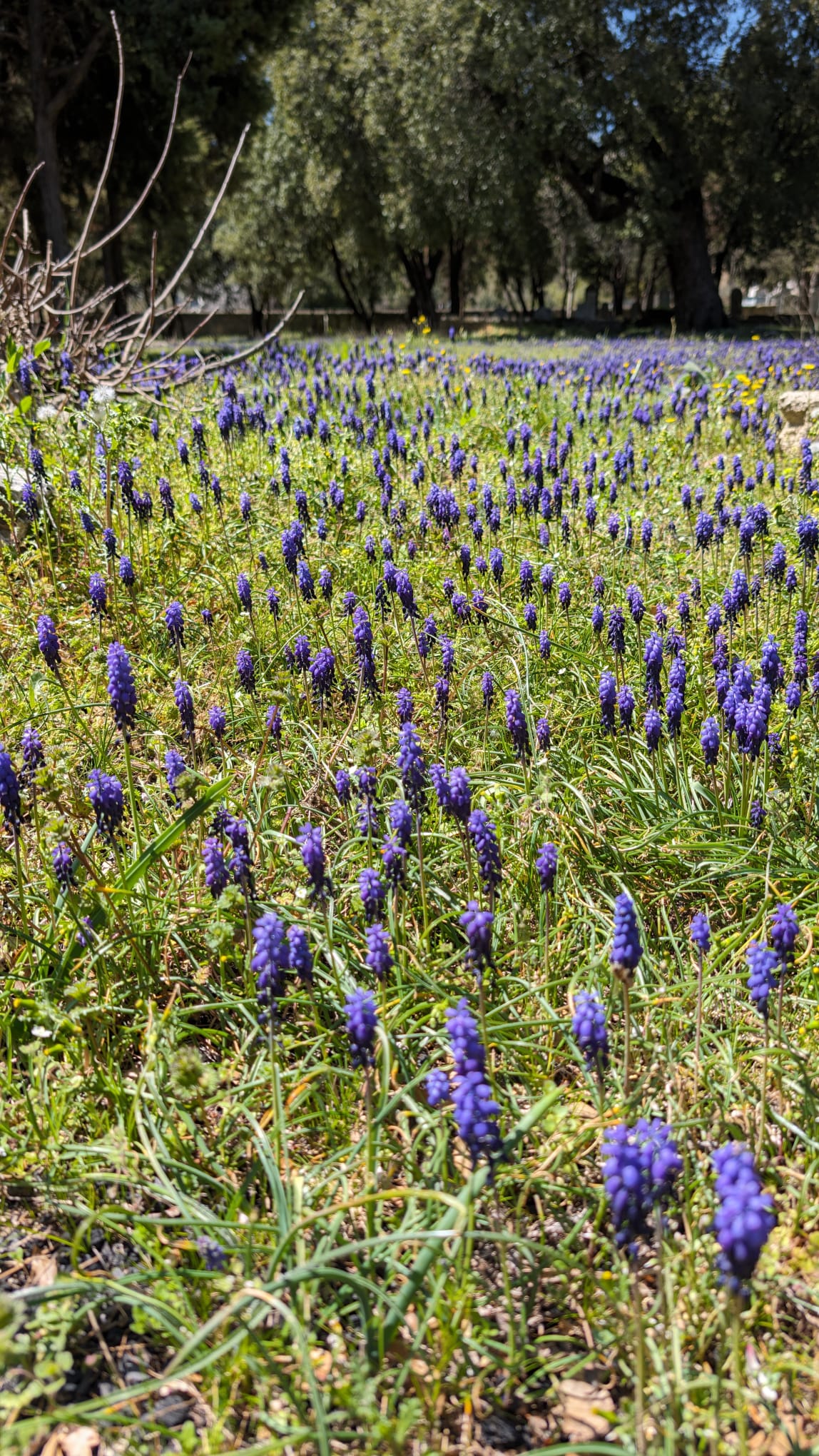
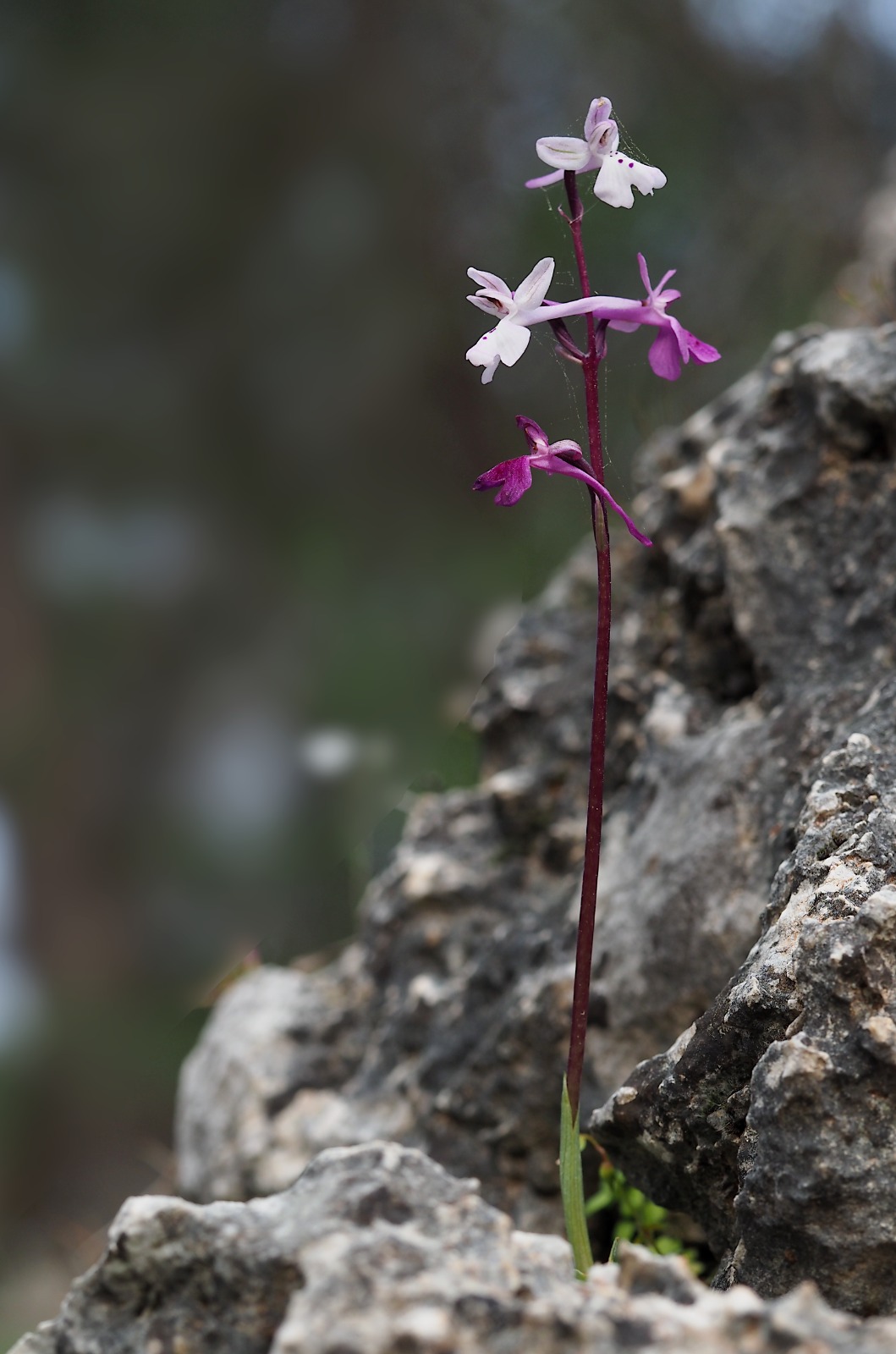
We will begin by searching the forest areas around a local cemetery, where we hope to find Anacamptis syriaca and Ophrys heterochila. We will then travel west to a small forest near Beydağları Sahil Millî Parkı, just inland from Kemer. Here, we will search the roadsides and woodland for Ophrys osmanica, Cephalanthera kurdica, Orchis italica and Orchis anatolica. Other plants that can be seen in the area include Limodorum abortivum and Cyclamen maritimum (not in bloom).
Further up the road, in the forested areas, we may find Ophrys heterochila, Anacamptis syriaca, Ophrys reinholdii, Ophrys lyciensis, Ophrys sicula, Himantoglossum robertianum, Serapias sp. and Orchis anatolica. Other species seen here include milkvetches and Cyclamen maritimum (not in bloom).
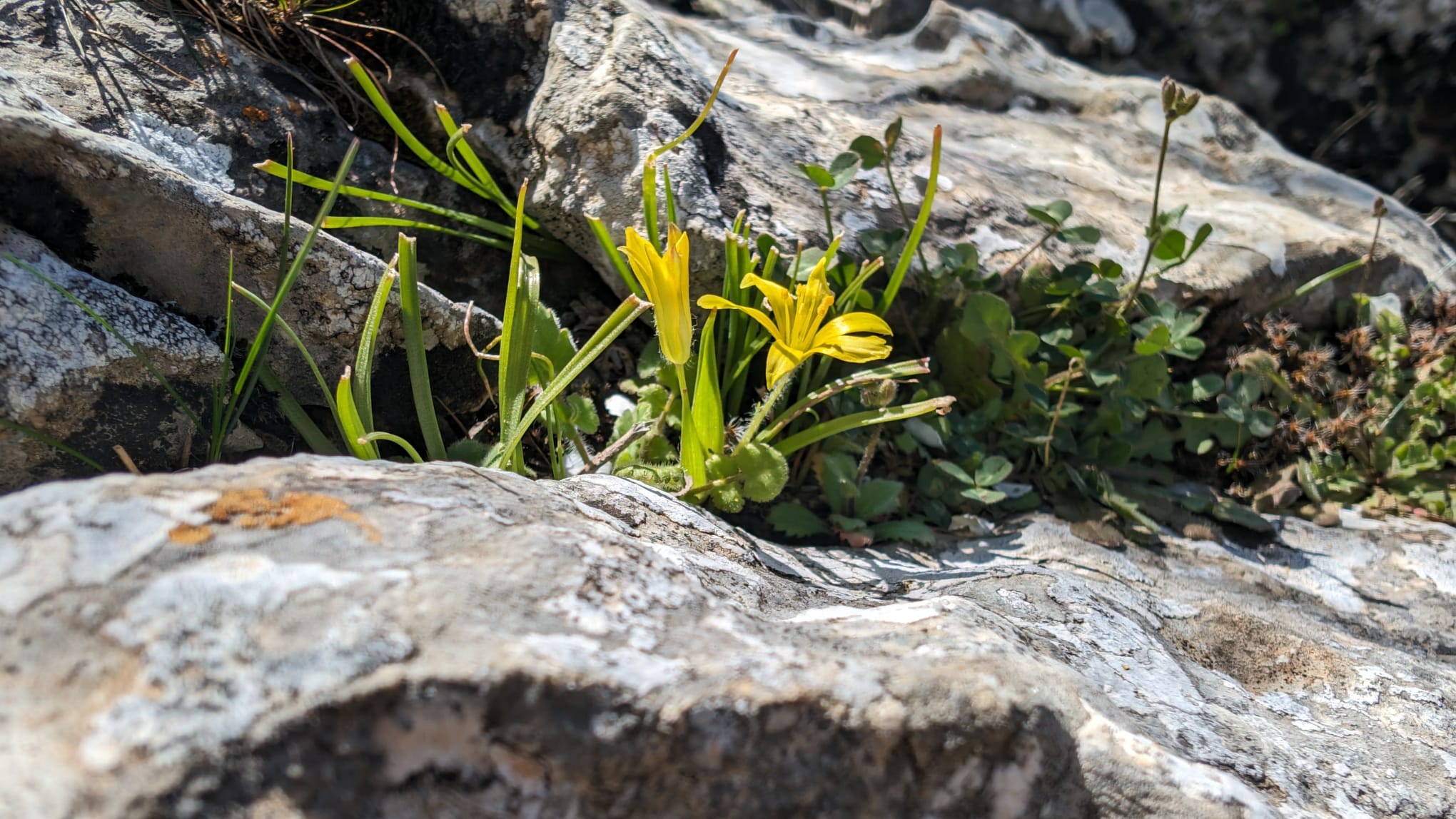
We will also travel up to Gedelme Castle, a 9th-century Byzantine fortress. Although the site itself is closed, the area outside is home to a number of enormous Platanus orientalis, some of which are thought to be between 2,000 and 2,700 years old. We may also see Cyclamen alpinum and Ornithogalum nutans in bloom.
We will then return to our hotel for an evening meal locally, giving us the opportunity to share our sightings and get to know each other.
Day 2: Kemer & Mount Chimaera
Another area close to the hotel is Mount Chimaera, famed for its natural vents, which sometimes produce flames directly from the ground.
The walk up to Chimaera is quite steep, but there will be opportunities to see orchids along the route. On the road up, we should find Orchis italica, while higher up at Chimaera we may see Anacamptis syriaca, Orchis italica, Orchis anatolicaand Neotinea maculata.
Depending on the success of this area, we can travel further south to search for more of the region’s specialities.
Day 3: Güllük Dagi National Park
Today we will travel to Güllük Dagi National Park, where we will look for Krüper’s Nuthatch, a speciality of the area. These birds are very territorial at this time of year, so they should show well. There will be opportunities to see orchids along the way too, as well as mating tortoises if we are lucky!
For those who prefer butterflies to birds, we can instead concentrate on searching for False Apollo. We’ll also have an opportunity to explore an ancient Greek site set in the heart of the mountains, making this a particularly rewarding destination for anyone interested in history and archaeology.
We can also explore some of the surrounding forest areas, which should provide further opportunities for wildlife.
Day 4: Travel to Side
We will depart Kemer and head east towards Side, which is roughly 2½ hours away.
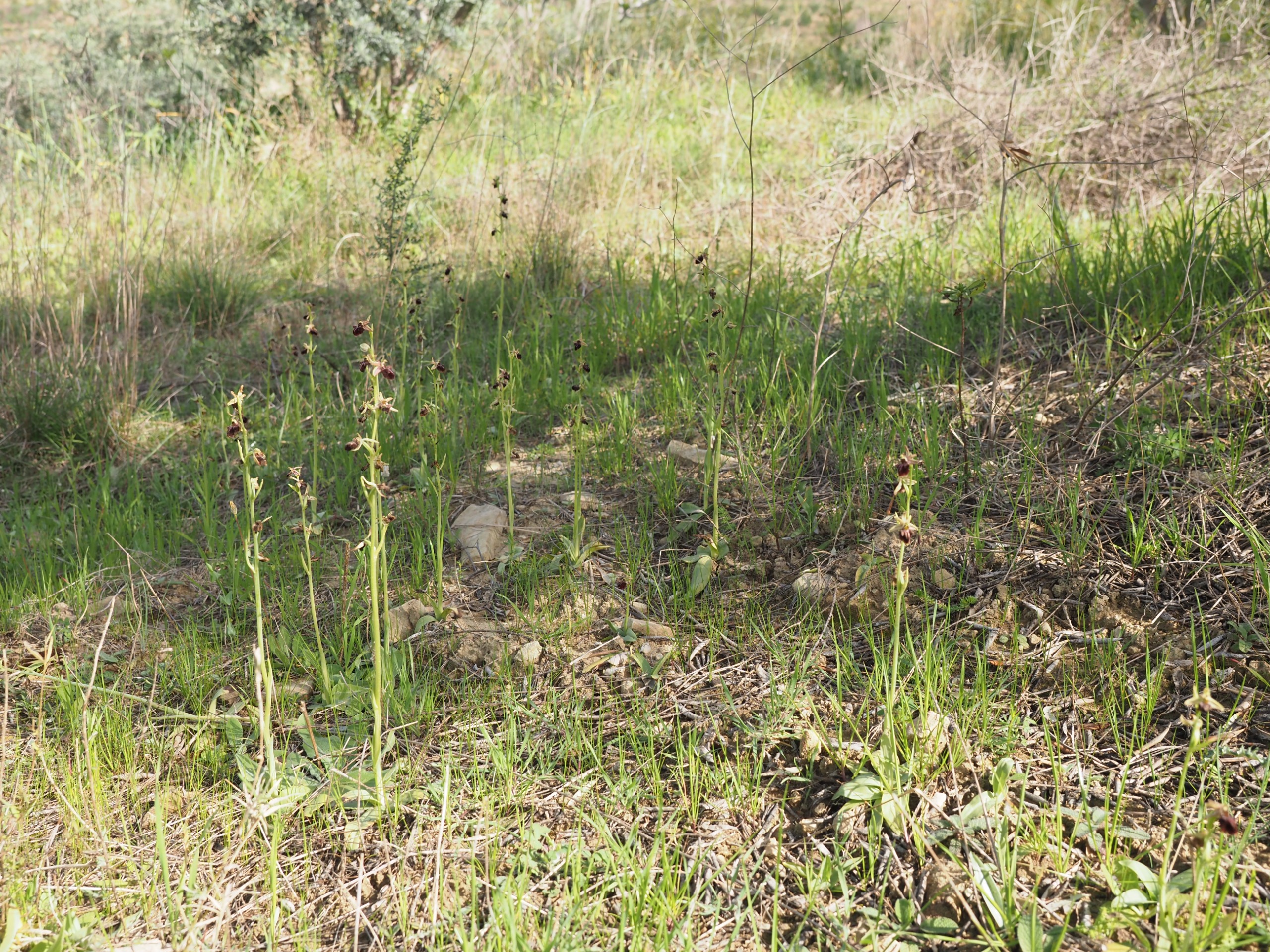
En route, we can travel west of Side, near Antalya, where there is a cemetery offering the chance to find Ophrys mammosa, Ophrys speculum, Ophrys sicula, Himantoglossum robertianum and the endemic member of the Ophrys fuciflora group, Ophrys pallidoconi.
We will also explore other nearby areas to see what species we can find. If people are interested, we could also travel into Antalya to look for White-throated Kingfisher, right on the edge of its range.
We will have our evening meal in Manavgat.
Day 5: Manavgat – Green Canyon
Today we will search an olive grove as well as farmland for Orchis punctulata.
We will then head to the famous Green Canyon, a beautiful lake surrounded by hills just north of Manavgat. There are many areas to explore here, with our main targets being the extremely rare Ophrys pamphilica, along with O. mammosa, O. tenthredinifera, O. osmanica, O. herae and other species.
There are several tourist and historical sites in the area too. We could visit the ancient city of Lyrbe, with its necropolis, ancient baths and floor mosaics, or alternatively explore the Green Canyon and enjoy its beautiful viewpoints overlooking the lake and surrounding mountains.
Day 6: Manavgat – Akseki
Today we will drive up to Akseki, a town in a wildlife-rich mountainous region of Anatolia. The area is famed among wildlife enthusiasts for its exceptional biodiversity, while the cemeteries around the town are particularly well known for their wildflowers, including numerous orchids.
We will spend the entire day exploring the area. On the way, we will search cemeteries and forest edges for Ophrys osmanica, Ophrys heterochila, Orchis anatolica and Orchis simia, as well as looking for the rare Aristolochia lycica.
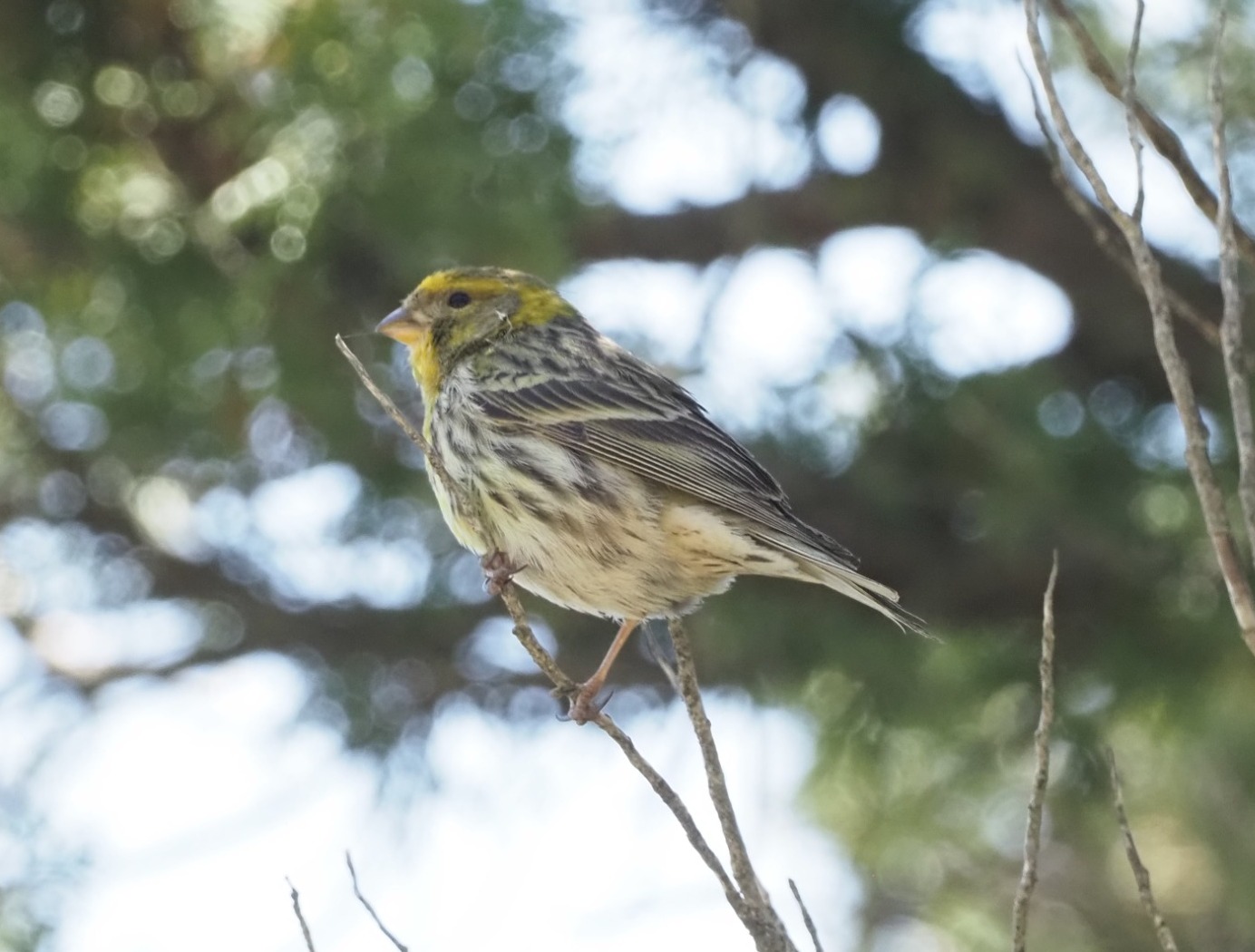
Birds we may encounter include Krüper’s Nuthatch, Sombre Tit, Ortolan Bunting, Serin, Rüppell’s Warbler, Red-fronted Serin and various birds of prey.
Herpetological highlights include Greek Tortoise and Starred Agama. Orchid species include Ophrys lucis, Epipactis helleborine and Himantoglossum comperianum (not in flower), as well as Cephalanthera kurdica and other, more common species.
There is also a meteor crater site nearby for those interested in geology and unusual landscapes. The location and variety of habitats mean that this area should provide plenty of opportunities for interesting wildlife throughout the day.
Day 7: Manavgat – Antalya
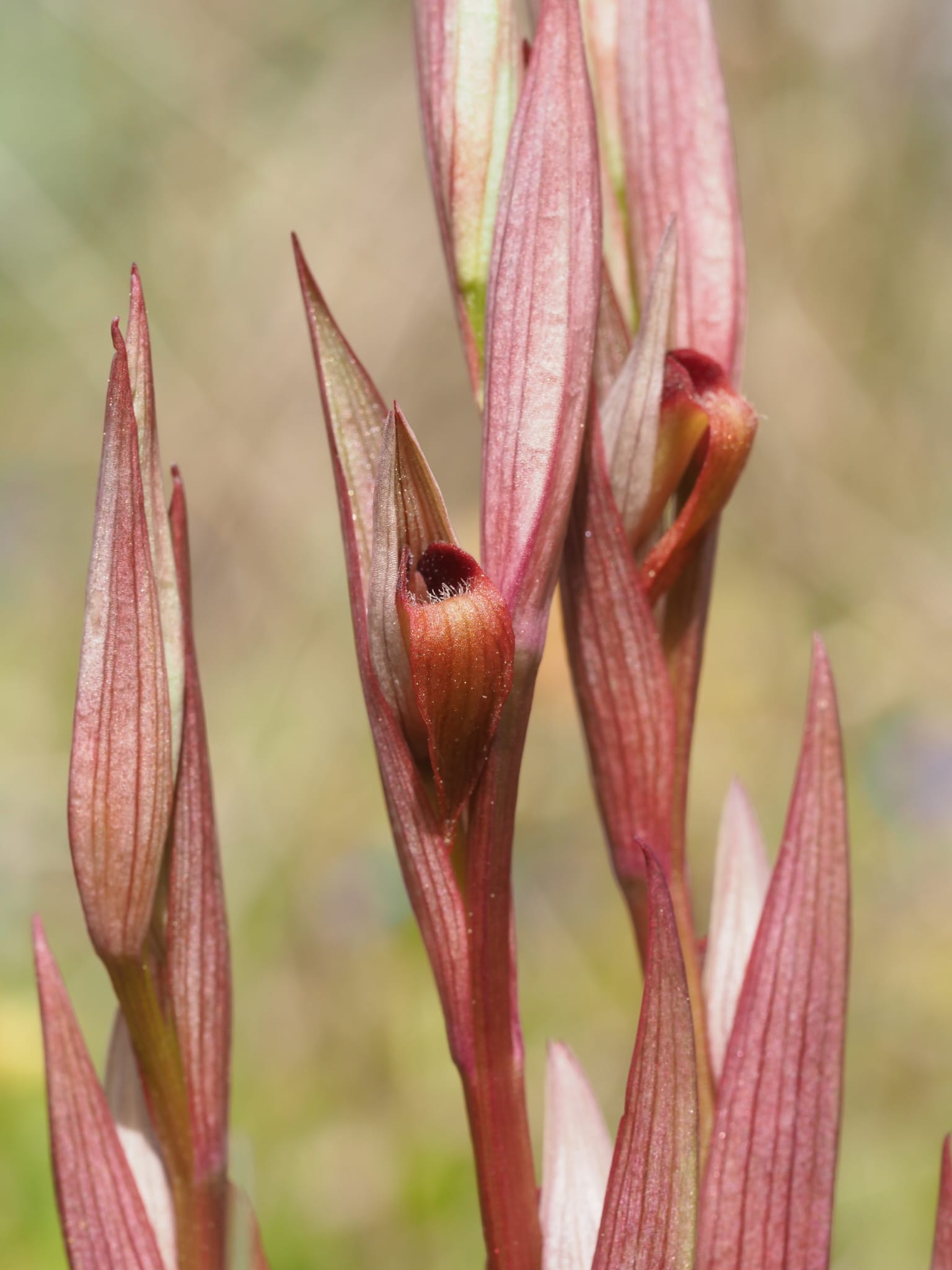
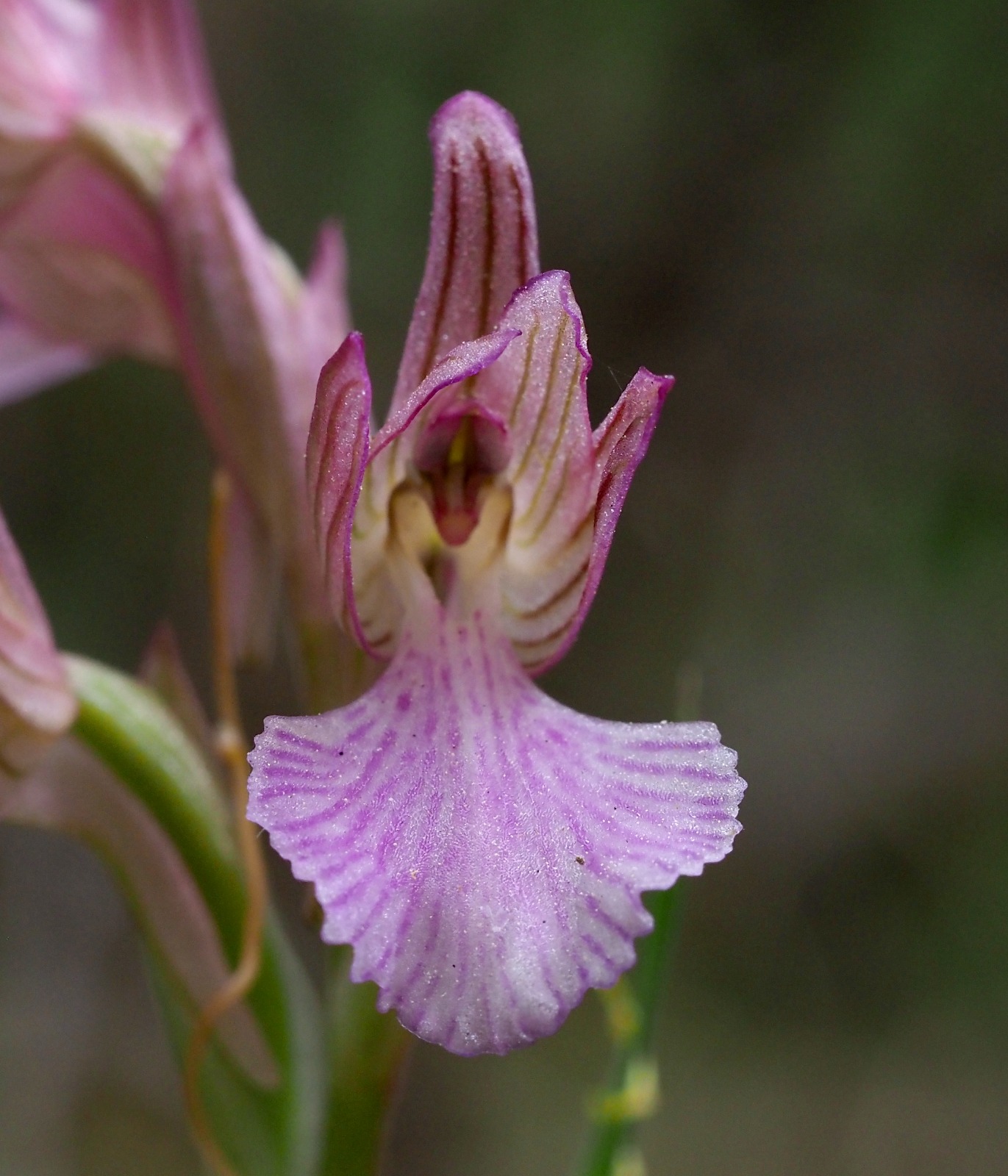
Depending on people’s departure times, we can take a final walk from the hotel down towards the beach. Along the way, we may find numerous Serapias bergonii, as well as a variety of birds.
We will then travel to Antalya Airport for our return journeys.




To follow
To follow