


Dates & Prices |
BOOK NOW |
Dates: 3rd – 10th June 2027
Price: £1,895 1 places available
Single Room Supplement: £150
Deposit: £200 per person
Price Includes: Accommodation, all meals, ground transport, services of guides & tour report
Not Included: International travel, travel insurance, drinks, & other personal items
Conservation Donation: Butterfly Conservation Europe
Leader(s): Lajos Nemeth
Group Size: Minimum 3 & maximum 6 guests + 1 leader
Grade: Generally easy walking at a gentle pace
Holiday Highlights
- An exclusive tour designed to see Danube Clouded Yellow (DCY) + 5 more Colias species – a ‘cloud of yellows’!
- The best timed tour you’ll find & could be a record-breaking number of species seen – easily 125+
- Genuine small group tour with 6 guests, which means you get a high quality experience & sensitive habitats get protected
- This small group size will suit those into photography perfectly too!
- Butterfly highlights also include Scarce Fritillary, Spinose Skipper, Zephyr Blue, Fenton’s Wood White, Clouded Apollo, Poplar Admiral, Freyer’s & Lesser Purple Emperor, and many more!
- Led by one of the best butterfly guides in Europe, with decades of experience of leading similar tours in Europe & worldwide
- Plenty of birds and other flora & fauna to enjoy too
- Contribute to conservation, as always with Greenwings, with a donation to Butterfly Conservation Europe
An exclusive specialist butterfly tour in Romania, for the rare Danube Clouded Yellow, 5 more Clouded Yellow species, Scarce Fritillary & many more!
An exclusive specialist butterfly tour in Romania, for the rare Danube Clouded Yellow, 5 more Clouded Yellow species, Scarce Fritillary & many more!
We’ve worked hard to craft what is undoubtedly the best timed Romania tour and itinerary for offering a superb range of exciting butterfly species. If the season and weather are kind this could easily be a record-breaking trip and 125+ species are very possible!
On this exceptional journey we explore some of the finest butterfly habitats in Europe, set within the authentic villages, unspoiled rural landscapes, and dramatic mountains of Romania. Bordered on three sides by the Carpathian Mountains, Transylvania encompasses nearly a third of the country and remains one of Europe’s last great strongholds for traditional land use—and for butterflies now rare or declining elsewhere.
Romania supports an impressive 202 butterfly species, making it one of the richest butterfly countries in Eastern Europe. Sixteen designated Prime Butterfly Areas, covering around 120,000 hectares, protect a remarkable variety of habitats. Northern and western Romania retain a Central European character, while the south and east display steppe and Mediterranean influences. Because agriculture remains largely traditional, many species threatened elsewhere in Europe still maintain viable—if often local—populations here.
For eight magical days we deliberately lose ourselves in a Europe unfamiliar to most travellers. Beyond the outstanding wildlife, this is a journey into the heart of real Transylvania: medieval towns, quiet valleys, flower-rich meadows, and proud village communities where traditional architecture, dress, and customs still thrive. Along the way we enjoy hearty local cuisine, fresh regional produce, and wines served by welcoming hosts. Charcoal burners, shepherds, and cheese makers are still part of everyday life, and many days end with relaxed butterfly walks and picnic lunches in idyllic meadows.
Apuseni Mountains – Rimetea (Days 1–3)
After arrival in Cluj, we travel to the beautiful village of Rimetea, dramatically set beneath the towering Szekler Rock. If time allows, we explore Turda Gorge, a spectacular limestone canyon nearly 3 km long and home to over 1,000 plant species. It is also an important site for Danube Clouded Yellow, Lesser Clouded Yellow, and Eastern Pale Clouded Yellow, as well as Scarce Fritillary.
The Apuseni Mountains host a mosaic of lightly grazed meadows, woodland edges, and steppe-like slopes—prime habitat for one of Europe’s last strongholds of the Danube Clouded Yellow, now extinct in much of Central Europe. Other highlights include Spinose Skipper, Zephyr Blue, Fenton’s Wood White, Clouded Apollo, Poplar Admiral, Marsh and Lesser Marbled Fritillaries, Osiris Blue, and a full range of Coppers, Hairstreaks, and Blues. Under good conditions, more than 80 species in a single day are possible.
Birdlife is equally rich, with Rock Thrush, Alpine Swift, Red-rumped Swallow, Rock and Ortolan Bunting, Scops Owl, and Golden Eagle.
Iron Gates & Baile Herculane (Days 4–7)
We continue south to Baile Herculane, once the legendary entomological centre of the Victorian era. Set in the dramatic Cerna Valley beneath the Domogled Mountains, and within Iron Gates National Park, the area offers superb habitats supporting more than 150 butterfly species.
Over three full days we explore the Danube valley, forested slopes, and remote villages. Target species include Iolas Blue, Amanda’s Blue, Freyer’s and Lesser Purple Emperor, Cardinal, Southern White Admiral, Twin-spot and Freyer’s Fritillaries, Lattice Brown, Russian Heath, and rarities such as Balkan Marbled White, Great Sooty Satyr, and False Comma.
We also visit Armeniș, where a successful European Bison rewilding project has returned around 190 free-roaming bison to the nearby Țarcu Mountains.
Day 8 – Departure
Return to Cluj Airport, with optional final butterfly stops depending on flight times.
We expect places to go quickly on this tour so please register your interest or book soon to avoid disappointment!




Travel
Best flights are with Wizz Air between London Luton and Cluj. Therefore, the tour meeting & transfer times will match them.
5th June
08:15 LTN – 13:10 CLJ
12th June
19:55 CLJ – 21:05 LTN
Day 1 – Arrival in Cluj & Turda Gorge → Rimetea
Arrive at Cluj Airport and transfer by minibus to Rimetea.
If time permits, we will stop at Turda Gorge, the second-largest gorge in Romania. Carved into Jurassic limestone, the canyon stretches nearly 3 km, with sheer walls rising up to 300 m. Covering 324 ha, it is a true botanical mecca, hosting over 1,000 plant species—around one third of Romania’s entire flora—including six endemics.
This is one of the most spectacular karst landscapes in the country and supports a small but important population of Danube Clouded Yellow (DCY), alongside Lesser Clouded Yellow and Eastern Pale Clouded Yellow. We will also search for Scarce Fritillary.
A short drive brings us to Rimetea village, nestled in the eastern foothills of the Apuseni Mountains beneath the striking Szekler Rock. The steep, south-facing slopes create a unique microclimate where typically high-mountain species occur at unusually low altitudes.
We end the day enjoying generous and delicious traditional local cuisine.
Overnight: Rimetea
Days 2–3 – Apuseni Mountains & Steppe Landscapes
These two days are dedicated to exploring the surroundings of Rimetea and the northern and eastern Apuseni Mountains, including Colțești Fortress Hill, Cheile Runcului, Vălișoara, and several northern Apuseni sites. We will also visit extensive steppe habitats east of Aiud, home to rare species such as Orsini’s Viper and the endemic Mehely’s Blind Mole Rat.
Our prime target is the Danube Clouded Yellow, once widespread but now in dramatic decline. It is extinct in Slovenia and Hungary, likely gone from Slovakia and Poland, and Transylvania may represent its last major stronghold, with one of the two remaining larger colonies located in our study area.
The species thrives in vast mesophilous to meso-xerophilous meadows with shrubs and scattered trees—habitats reminiscent of sylvicol steppe. Optimal sites are moderately grazed, rich in Cytisus food plants, and form a mosaic of open slopes and varying shrub density.
We will also dedicate time to Lesser Clouded Yellow and Eastern Pale Clouded Yellow, while Clouded, Pale Clouded, and Berger’s Clouded Yellow are generally common.
This is among the best butterfly regions in Transylvania, with species such as Spinose Skipper, Zephyr Blue, Fenton’s Wood White, Clouded Apollo, and Poplar Admiral. Additional targets include Woodland Brown, Marsh Fritillary, Lesser Marbled Fritillary, Osiris Blue, all Short-tailed Blues, a full array of Coppers, Hairstreaks, Fritillaries, and Blues, plus Yellow-legged Tortoiseshell, Yellow-banded Skipper, and Marbled Skipper.
In previous years, up to 84 species in a single day have been recorded here.
Birding opportunities include Grey Partridge, Rock Thrush, Alpine Swift, Red-rumped Swallow, Crag Martin, Rock and Ortolan Bunting, Sombre Tit, and the charming Scops Owl. We will also see the impressive 60-year-old Golden Eagle nest, with birds often soaring overhead.
Overnights: Rimetea
Day 4 – Rimetea → Baile Herculane
A longer drive today takes us south to the legendary but now remote Baile Herculane, set along the Danube. En route, we will break the journey with stops at scenic habitats and historic landmarks, including the imposing Deva Fortress.
Overnight: Baile Herculane
Days 5–7 – Baile Herculane & Iron Gates National Park
Baile Herculane—known historically as Herkulesfürdő—was the undisputed Mecca of Victorian and Edwardian entomology. In the late 19th and early 20th centuries, it attracted collectors and naturalists from across Europe, many arriving by boat along the Danube from Vienna and Budapest.
Renowned entomologists such as Margaret Fountaine, Sheldon, Rose, Gurney, Nicholson, Cooke, Lang, and Jones vividly documented the area in The Entomologist. Situated at the eastern frontier of the Austro-Hungarian Empire, the town was known as the “Porta Orientalis” – the Gate to the East, offering access to Balkan fauna otherwise unreachable.
Today, the town remains a living time capsule, dramatically set in the Cerna River Valley beneath the Domogled Mountains. Historic collecting sites include the White Cross trail, once famed for Lesser Lattice Brown (now extinct) and Lattice Brown.
Over three full days, we will explore:
-
Domogled Mountains
-
Cerna Valley
-
Orșova region
-
Remote Danube villages within Iron Gates National Park, Romania’s second-largest national park
The area hosts over 150 butterfly species in exceptionally well-preserved habitats. Target species include Iolas Blue, Amanda’s Blue, Freyer’s Purple Emperor, Lesser Purple Emperor, Cardinal, Southern White Admiral, Twin-spot Fritillary, Balkan Green-veined White, Tufted Marbled Skipper, Russian Heath, and Lattice Brown.
Country rarities such as Southern Marbled White, Great Sooty Satyr, False Comma, and Yellow-legged Tortoiseshell also occur here.
We will also visit Armeniș village, where a major European Bison rewilding project is underway. After their extinction in the late 18th century, bison were bred in captivity from Polish stock. Thanks to WWF and Rewilding Europe, around 190 free-roaming bison now live in the nearby Țarcu Mountains.
Birdlife is equally rich, with species such as Cirl Bunting, Levant Sparrowhawk, Spanish Sparrow, Sombre Tit, Bee-eaters, and Hoopoes.
Overnights: Baile Herculane
Day 8 – Return to Cluj
Depart Baile Herculane and transfer to Cluj Airport for departure flights. Depending on timing, we may make one or two final butterfly stops en route.
-

- Danube Clouded Yellow

-

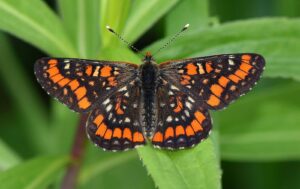
- Scarce Fritillary

-

- Small Pearl-bordered Fritillaries

-

- Freyer’s Purple Emperor

-

- Eastern Pale Clouded Yellow

-

- Eastern Baton Blue

-

- Iolas Blue

-

- Lesser Clouded Yellow

-

- Woodland Brown

-

- Freyer’s Purple Emperor

-

- Turquoise Blue

-

- Danube Clouded Yellow

-

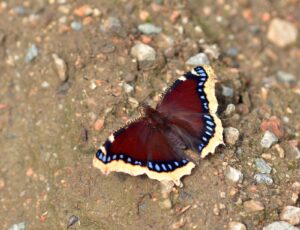
- Camberwell Beauty

-

- Freyer’s Fritillary

-

- Large Chequered Skipper

-

- Chapman’s Blue

-

- Danube Clouded Yellow

-

- Cardinal

-

- Silver-washed Fritillary f. valezina

-

- Rimetea

-

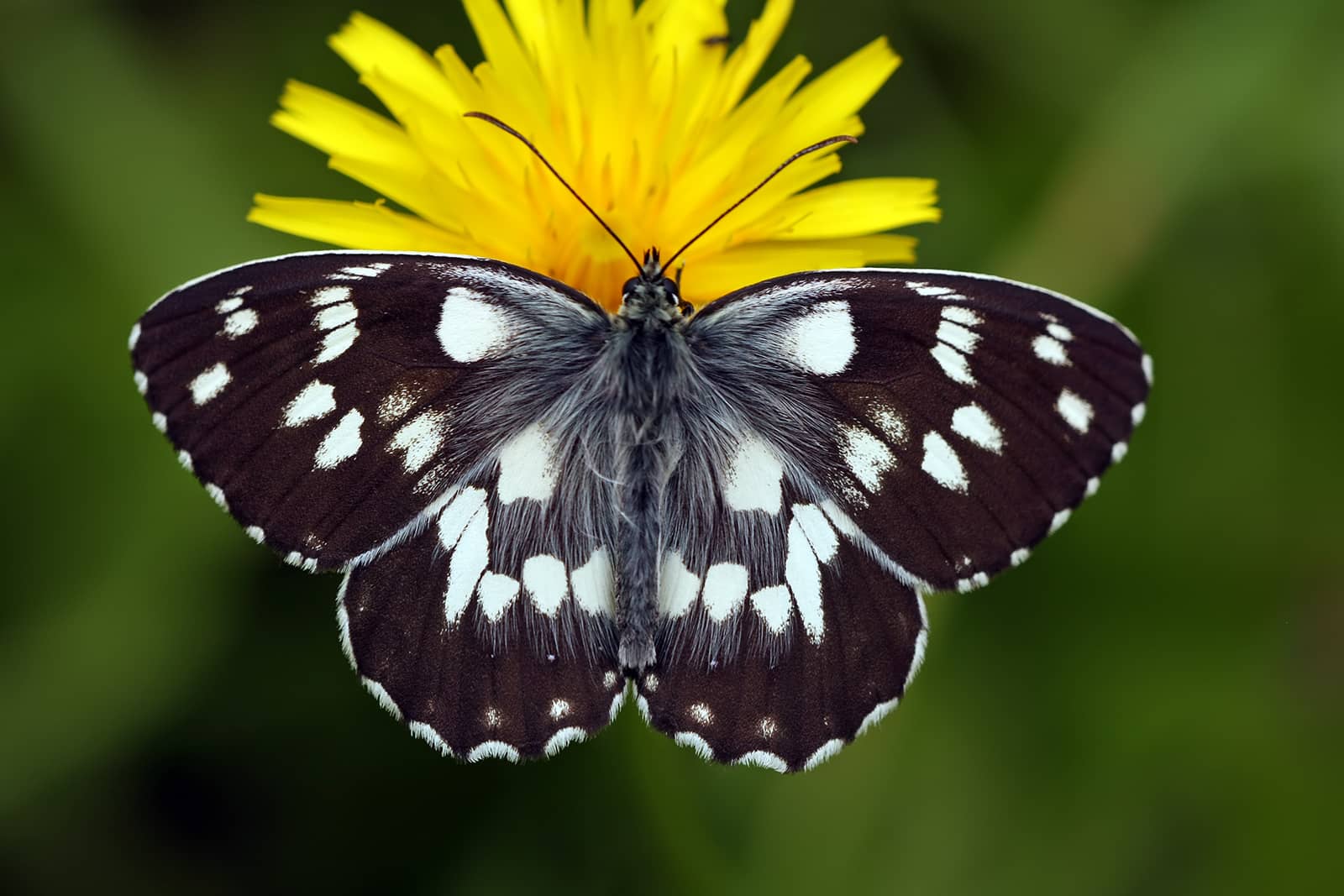
- Marbled White f. procida
-

- Common Glider

-

- Pearly HeathLar

-

- Amanda’s Blue

-

- Large Blues

-

- Balkan Zephyr Blue

-

- Purple Emperor

-

- Small Tortoiseshells

-

- Yellow-banded Skipper

-

- Lattice Brown

-

- Tufted Marbled Skipper

-

- Southern Festoon

-

- Twin-spot Fritillary

-

- Golden Oriole

-

- Woodland Ringlet

-

- Iron Gates National Park

-

- Puddling Fritillaries

-

- Marbled Fritillary

-

- Balkan Zephyr Blues

-

- Lesser Purple Emperor

-

- Iron Gates National Park

-

- Puddling Wood Whites

-

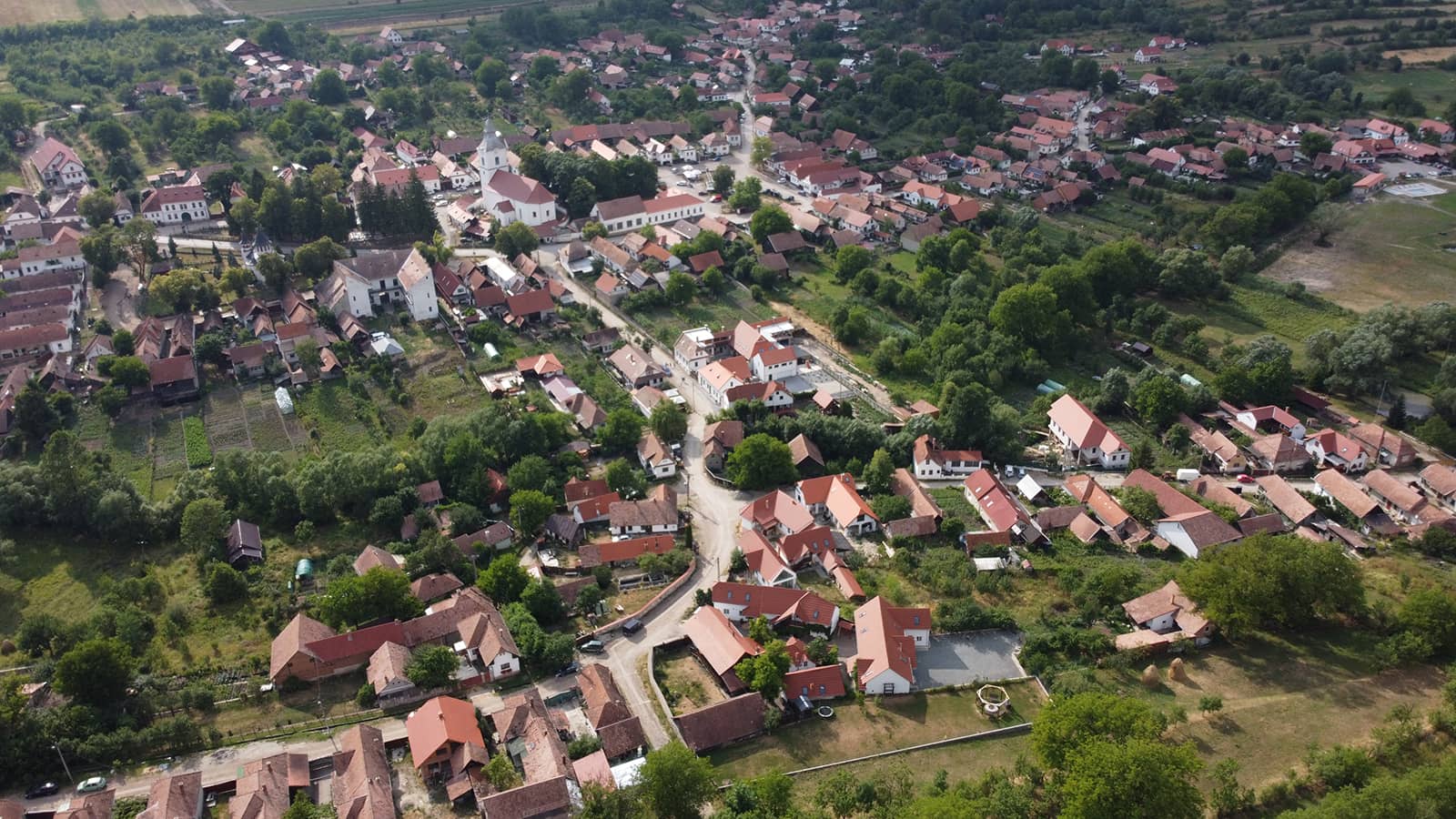
- Rimetea
-

- Rufous-tailed Rock Thrush

-

- Lesser Purple Emperor

-

- Rimetea

-

- Bee Eater

-

- Baile

-

- Baile

-

- Baile

-

- Baile

-

- Baile

-

- Fenton’s Wood White

New tour – reviews to follow
to follow later