


Description
We invite you to join us for a unique & exciting tour at the very end of Greece!
Straddling the borders of Greece, Albania and the North Macedonia, the Prespa Lakes are one of the most unique and bio-diverse places in all of Europe. The two ancient lakes – Great and Lesser Prespa – are encircled by high mountains, and the basin hosts a remarkable range of habitats for the many species we’ll see during our time in northern Greece.
Prespa National Park is part of the first transboundary protected area in the Balkans, It was established on 2nd February 2000, World Wetlands Day.
The home of the largest colony in the world of the threatened Dalmatian Pelican, hosting around 1,400 pairs, Prespa is renowned for its water birds – including seven species of heron, white pelicans and a rare colony of Pygmy Cormorants.
But what makes the lake region so magical is the rich mingling of nature and culture. An extraordinary variety of bird, butterfly, wildflower and mammal species live side by side with centuries-old Byzantine churches and hermitages, and stunning views over the lakes and mountains are complemented by traditional and welcoming stone villages. It’s a mesmeric place that will linger with you long after leaving.
Be inspired and informed more about Prespa by reading the brilliant ‘Lifelines’ written by Julian Hoffman.
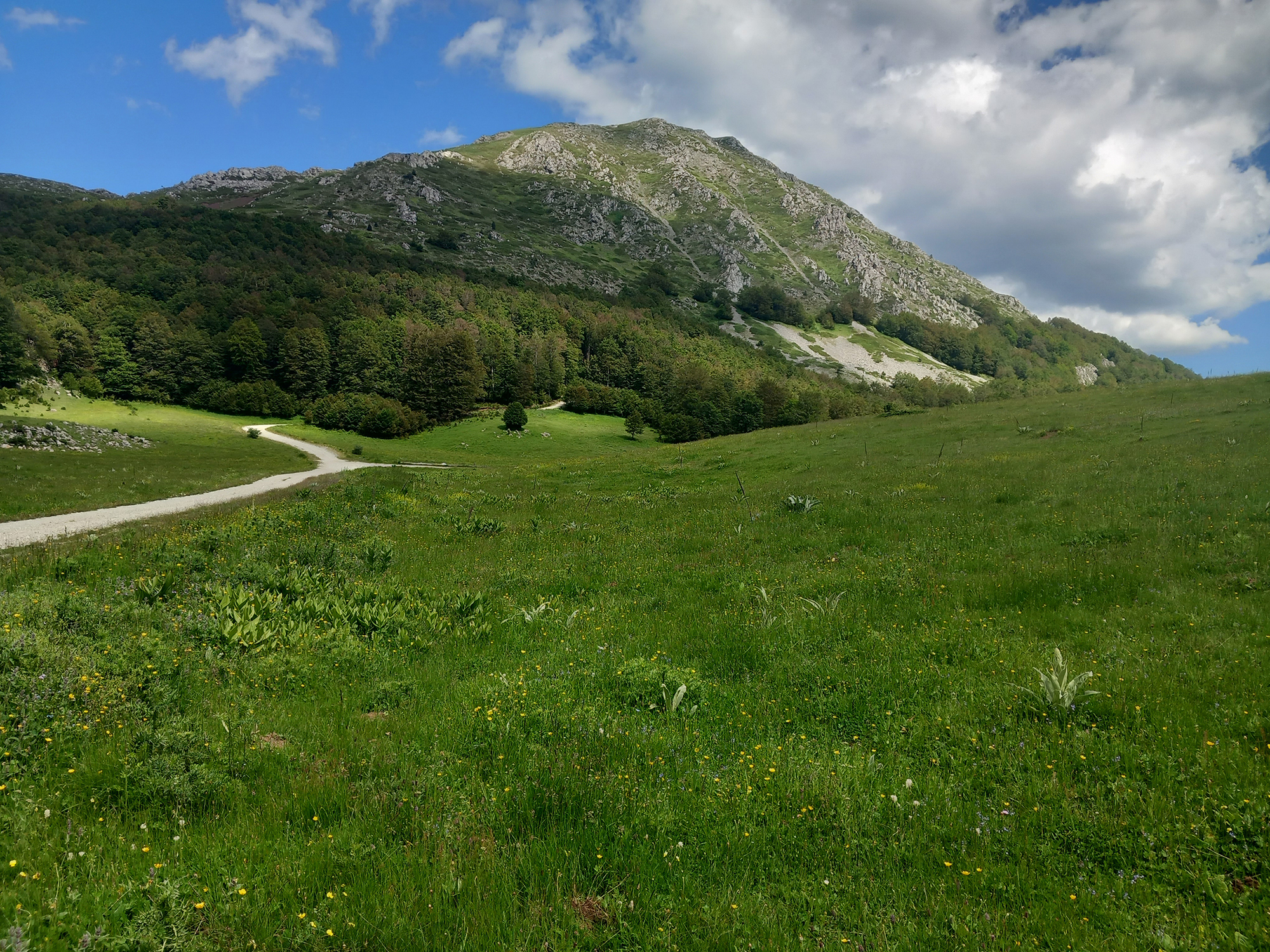
We will explore Mount Grammos, which straddles the border between Greece and Albania and geographically speaking is part of the north Pindos mountain range. It is the 4th highest mountain in Greece, peaking at 5,520m.
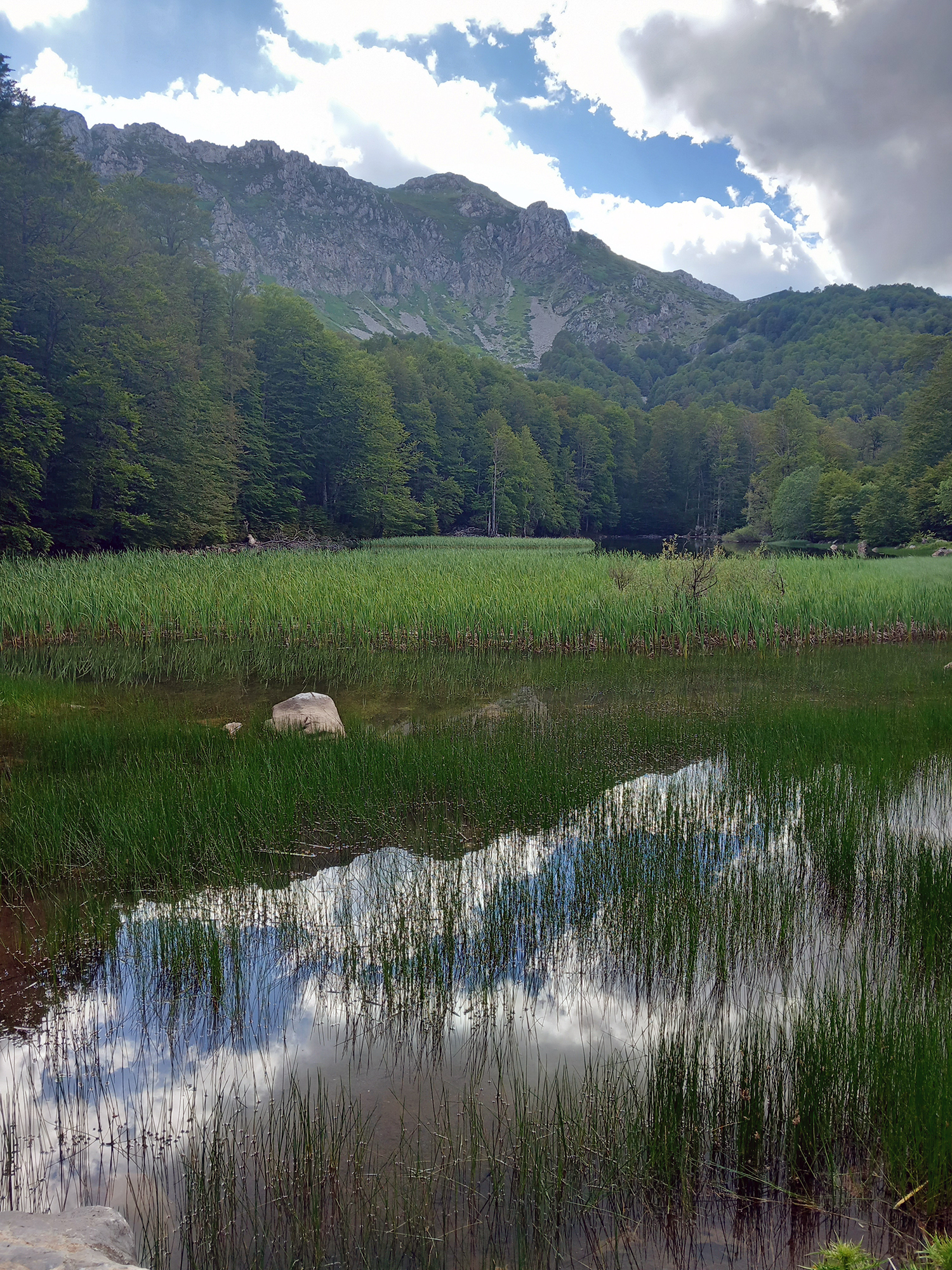
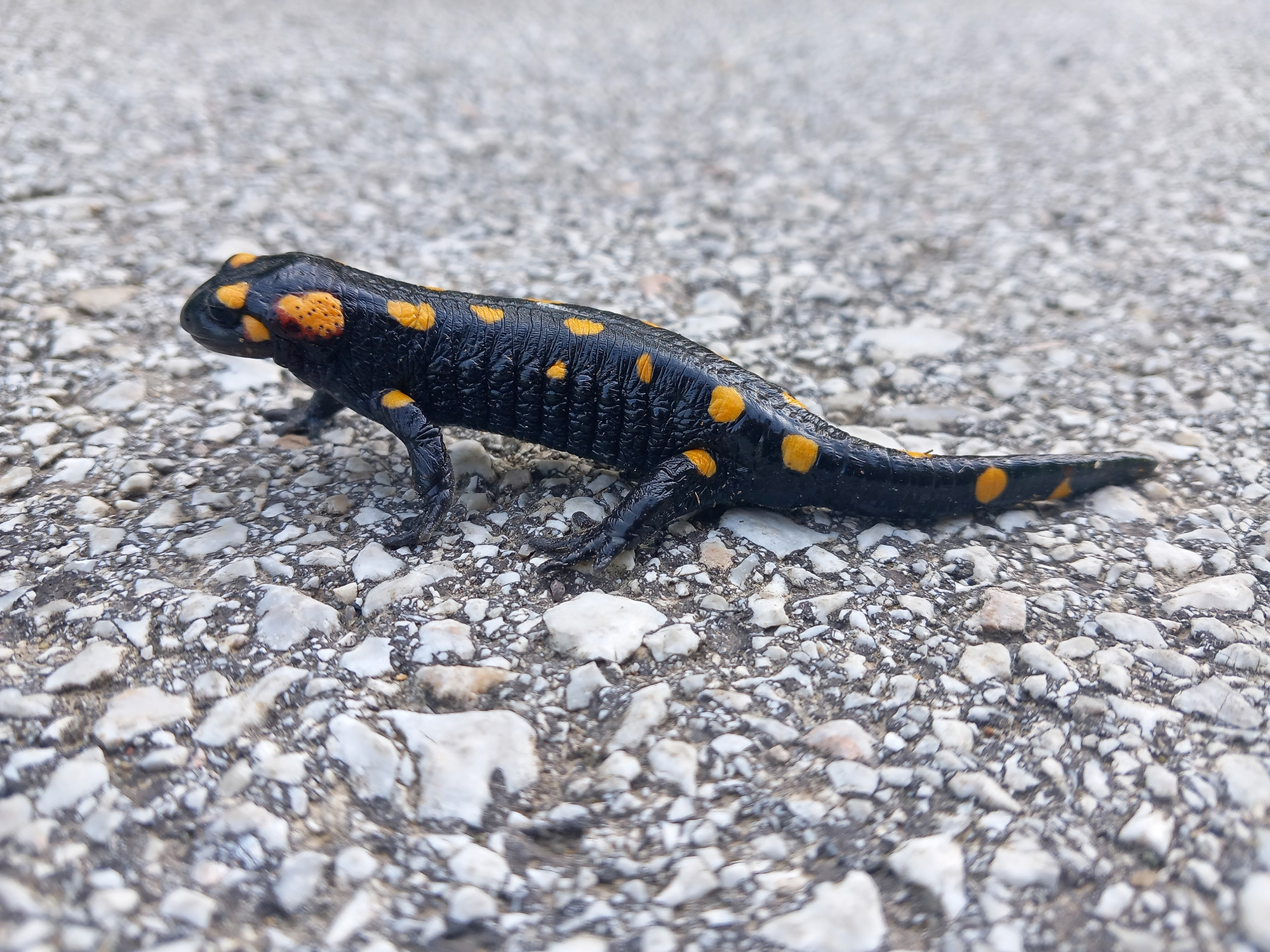
This wild and beautiful place is characterized by alpine meadows and lakes, lush beech and conifer forests. The Aliakmonas River (Greece’s longest river) also crosses its gorges and slopes. We will enjoy a variety of flora and fauna during our time here and due to the wilderness of this place there is a chance of seeing bears and wolves, though most likely is to find signs of their presence rather than actual sightings – but you never know! We may also be lucky to see some of the areas important birds, such as Golden Eagle, Rufous-tailed Rock-thrush, and Tawny Pipit. We will also look out for Fire Salamanders and Alpine Newts, which can both be found here.
We then head north-east to the Prespa Lakes, and we will be staying in the village of Agios Germanos, a few kilometres from the lakes. It is the only village in the Prespes region that has preserved all of the old stone houses, including the traditional style hotel where we will be based. The Byzantine church at the heart of the present village dates to the beginning of the 11th century and features very interesting frescos.
Through a combination of walking, driving and a boat trip, we’ll explore a karstic plateau, ancient juniper woods, a 13th century hermitage in the lake cliffs, and open grasslands and wet meadows, among many other landscapes and habitats. We will also take time to visit the island on Little Prespa Lake. As well as the beautiful ruins of a 10th century basilica, the island is encircled by reed beds where herons, egrets, pelicans and water rails nest. There’ll be plenty of time to just sit and soak up the magical atmosphere of the mountains and lakes as well, to quietly enjoy this marvellous place at the very end of Greece.
Of Prespa’s rich birdlife, we will see Dalmatian and Great White Pelican and we should also see Bee-eater, Woodchat and Red-backed Shrike, Penduline and Sombre Tit, Bearded Reedling, Golden Oriole, Squacco Heron, Little Bittern and Levant Sparrowhawk, among many others.
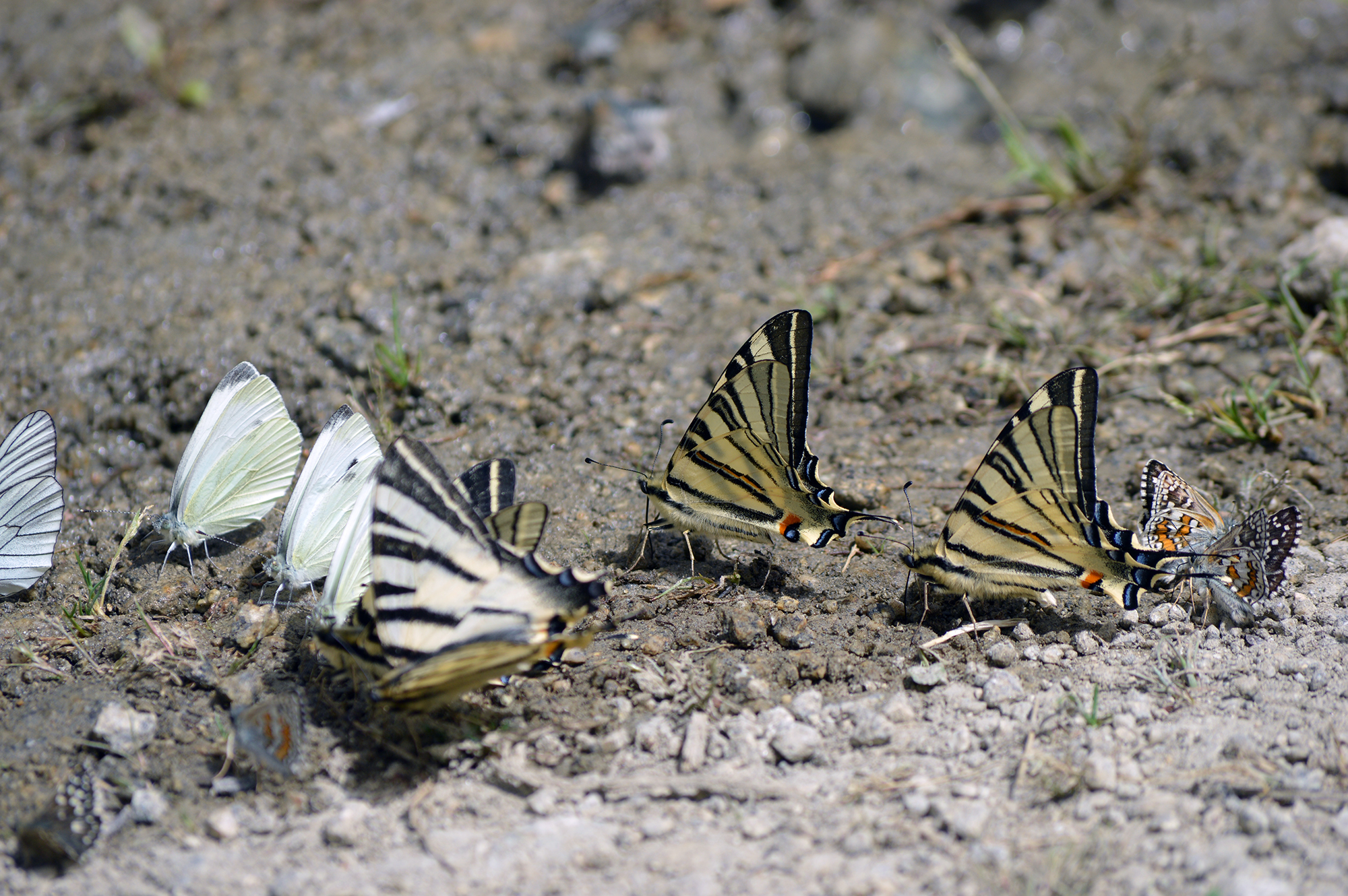
Prespa is also the perfect place for butterfly lovers, hosting 172 of Greece’s 234 species. Some of those we’ll be looking for during the week include Clouded Apollo and Berger’s Clouded Yellow, Nettle-tree Butterfly, Eastern Festoon, Scarce and Common Swallowtails, Eastern Bath White, Queen of Spain Fritillary, Freyer’s Fritillary, Balkan Marbled White, Camberwell Beauty and Southern White Admiral, Chequered Blue, Green-underside Blue, Geranium Argus, Balkan Zephyr Blue and Blue Argus.
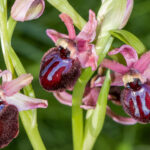
We will of course take time to enjoy a host of interesting and beautiful plants during our time in the area. This will include orchids, including Cephalanthera rubra, Dactylorhiza cordigera, Epipactis helleborine, Himantoglossum jankae, Ophrys zeusii, Ophrys epirotica, Orchis purpurea, Gymnadenia conopsea, Platanthera bifolia and Platanthera chlorantha.
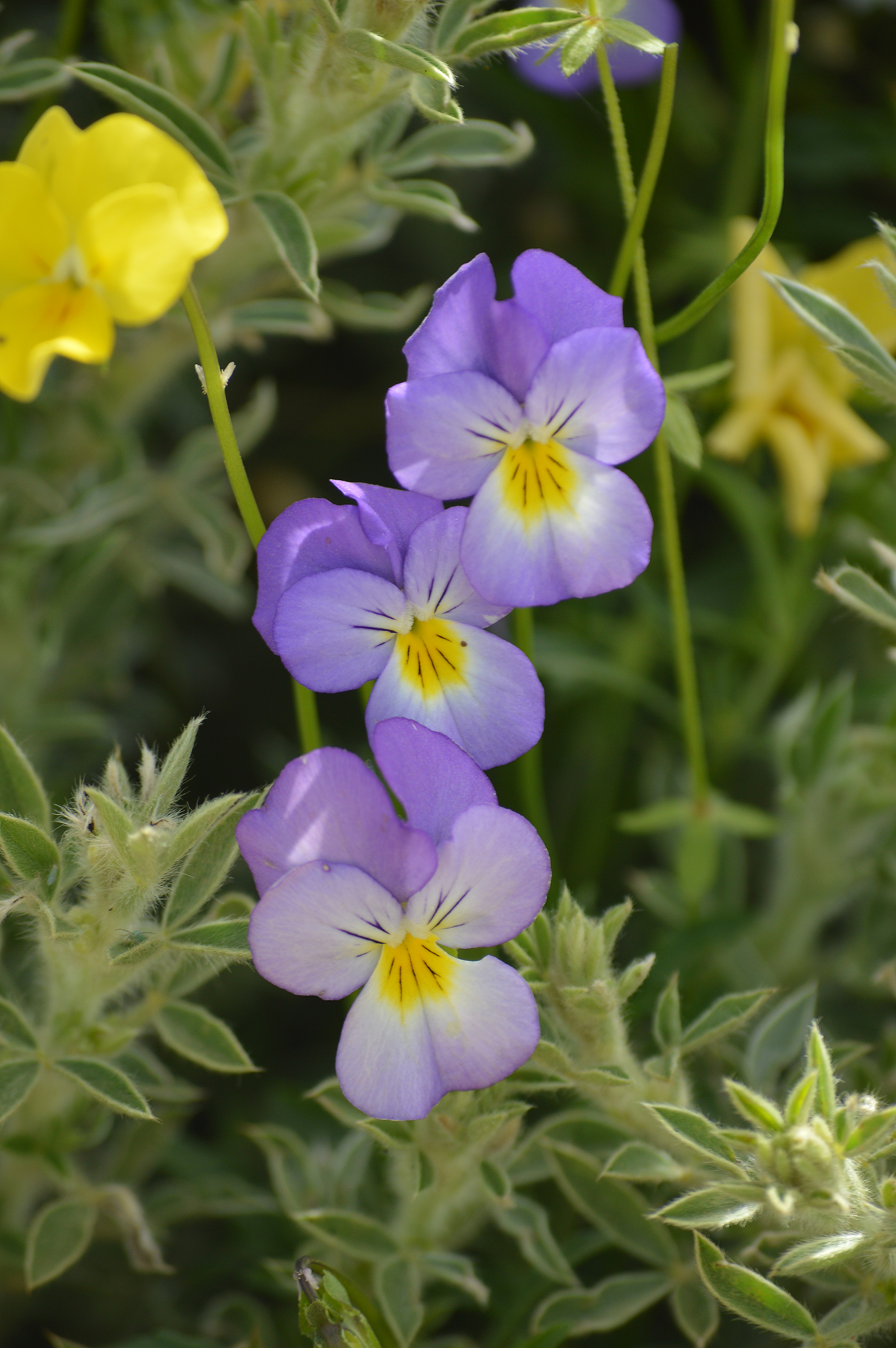
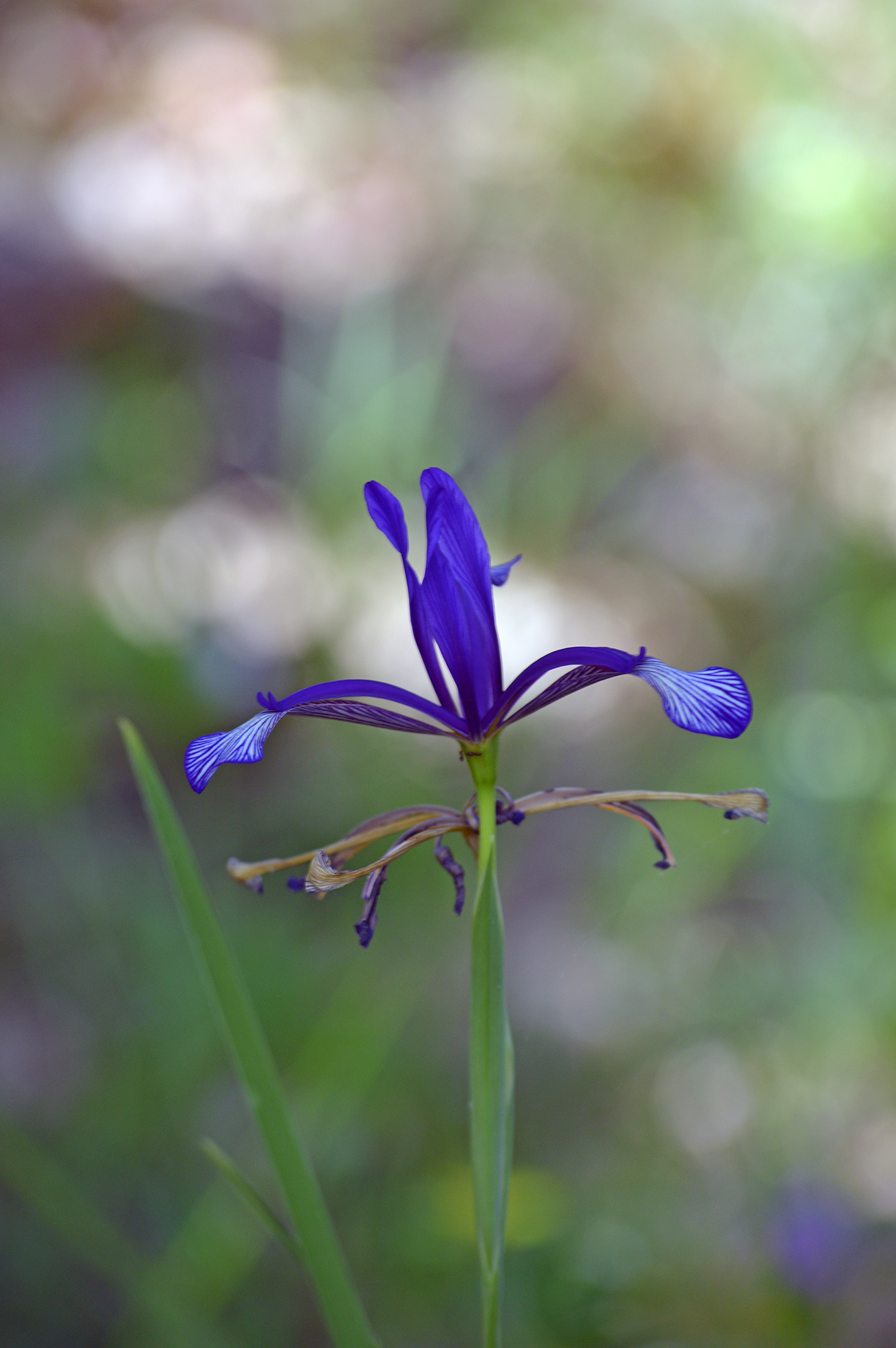
Other notable plants include Aquilegia vulgaris, Alkanna pindicola, Campanula glomerata, Campanula sparsa, Centaurea adamii, Centaurea graeca, Centaurea spruneri, Goniolimon tataricum, Iris sintenisii, Lactuca intricate, Lilium candidum, Onosma heterophylla, Quercus trojana, Scutellaria columnae, Tephroseris integrifolia, Viola orphanidis, and Viola velutina.
These are just a few of the many memorable wildlife moments awaiting us in what promises to be a fascinating and inspiring time in one of the least visited corners of Greece!
READ FULL HOLIDAY DETAILS




Reviews
There are no reviews yet.