

Dates & Prices |
BOOK NOW |
 Dates: 9th – 16th July 2027
Price: £2,095* places available
Single Room Supplement: £TBA
Deposit: £200 per person
* Price will be confirmed end of August 2026
Price Includes: Accommodation, all meals, ground transport, services of guides & tour report
Not Included: International travel, travel insurance, drinks & other personal items
Conservation Donation: Butterfly Conservation Europe
Leader(s): Lajos Nemeth
Group Size: Minimum 4 & maximum 7 guests + 1 leader
Grade: Generally easy walking at a gentle pace
Seamless Travel to Slovenia: For guests joining us on our consecutive Slovenia tour, we are delighted to offer a complimentary transfer. En route, we will stop to explore the historic charm of Dubrovnik and capture the breathtaking Adriatic seascapes for which Croatia is rightly famous. Accommodation & meals for 16, 17, 18 July not included.
Holiday Highlights
- A unique 2 centre tour to explore marvellous Montenegro
- Approximately 200 butterfly species recorded with the real possibility of adding something new to the country data
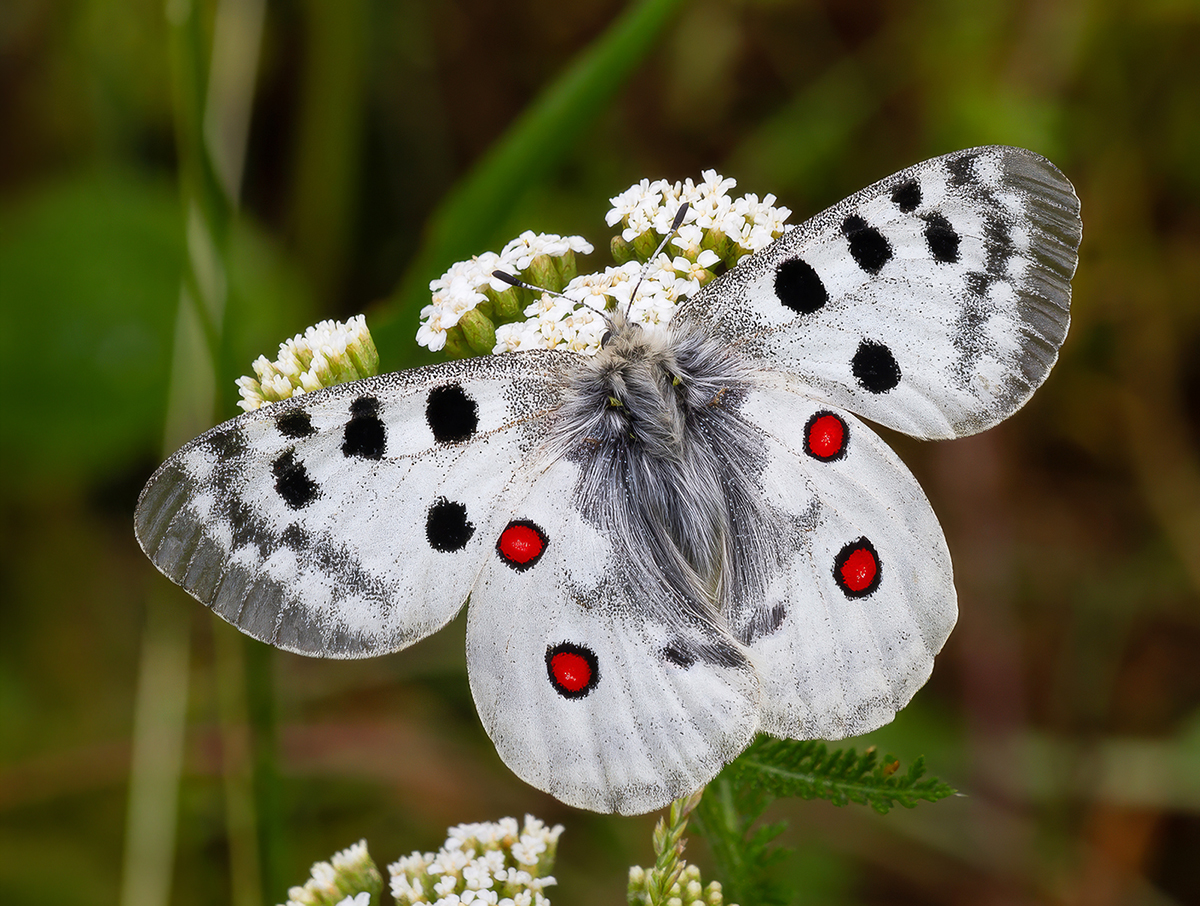
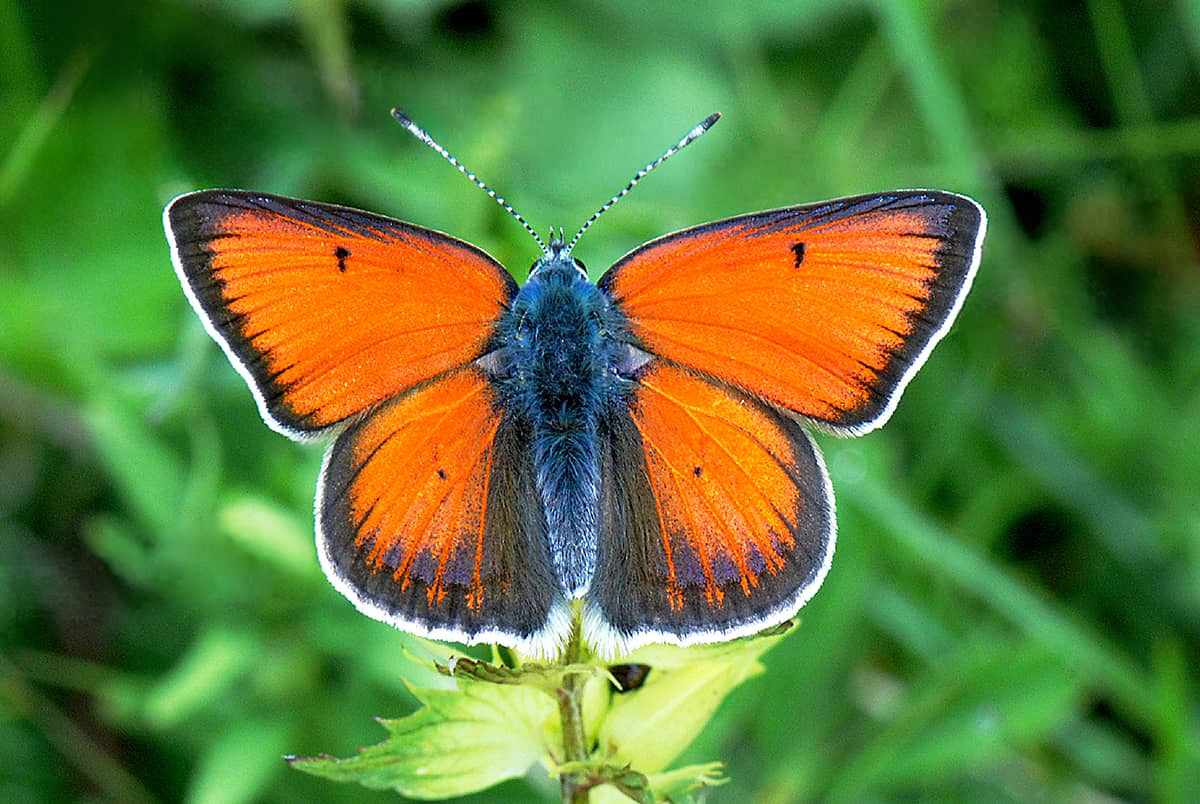
- Potential butterfly highlights include Two-tailed Pasha, Balkan Clouded Yellow, Balkan Copper, Lesser Fiery Copper, Large & Dusky Large Blue, Poplar Admiral, Lesser Purple Emperor, Cardinal, Camberwell Beauty, Fenton’s Wood White, Apollo, numerous Erebia species (16 on the country list) & many more!
- Lots of great birds to enjoy too including Rock Partridge, Dalmatian Pelican, Griffon Vulture, Golden Eagle, Bonelli’s Eagle, Short-toed Eagle, Eleonora’s Falcon, Scops Owl, Alpine Swift, Bee-eater, Alpine Accentor, Black-eared Wheatear, Blue Rock Thrush, Rock Thrush, Rock Nuthatch, Wallcreeper, Nutcracker, Alpine Chough, & Golden Oriole
- Montenegro is also one of the top European destinations for reptiles so we will look out for those too!
- Stunning scenery in one of the most beautiful and undiscovered countries of the Balkans and the whole continent!
- Genuine small group tour with 7 guests
- Led by one of the best butterfly guides in Europe, with decades of tour leading experience
A Journey to a remote & undiscovered realm of the Balkans for butterflies, birds & breathtaking landscapes ranging from fjords to high peaks
A Journey to a remote & undiscovered realm of the Balkans for butterflies, birds & breathtaking landscapes ranging from fjords to high peaks!
Surprisingly overlooked by many UK wildlife enthusiasts, Montenegro offers some of the most pristine and biodiverse habitats in Europe. We are thrilled to introduce you to this hidden gem and can’t wait to help you discover its rich natural treasures! Our main focus will be on the butterflies and birds, but like all our tours we won’t overlook anything else of interest and beauty!
It is one of the hidden pearls of the Adriatic, the smallest state of former Yugoslavia which gained its independence in 2006. In the words of the Lonely Planet guide to Eastern Europe: “Imagine a place with sapphire beaches as spectacular as Croatia’s, rugged peaks as dramatic as Switzerland’s, canyons nearly as deep as Colorado’s, palazzo as elegant as Venice’s and towns as old as Greece’s and then wrap it up in a Mediterranean climate and squish it into an area 2/3 the size of Wales and you start to get a picture of Montenegro”.
Montenegro is a land of spectacular contrasts, where grand, pristine peaks rise sharply above the Adriatic Sea. Home to just 600,000 people, its vast, untouched wilderness remains one of Europe’s best-kept secrets. This unique blend of dramatic geography and preserved habitats creates an idyllic, sun-drenched haven – perfect for a rewarding exploration for butterflies and lots of other wildlife.
Montenegro has an incredibly diverse geography and climate (including the wettest location of Europe with 4,600 mm rainfall in a year) which accommodates lush vegetation (2,880 species with 22 endemics) and a very diverse and largely unknown butterfly fauna. Very little butterfly research has been undertaken in Montenegro, which makes our tour not only fun, but also important from a scientific and conservation viewpoint. The fact that Montenegro declared itself an “ecological state” in 1991 should be emphasized because it made the protection of natural resources one of the priorities of the state.
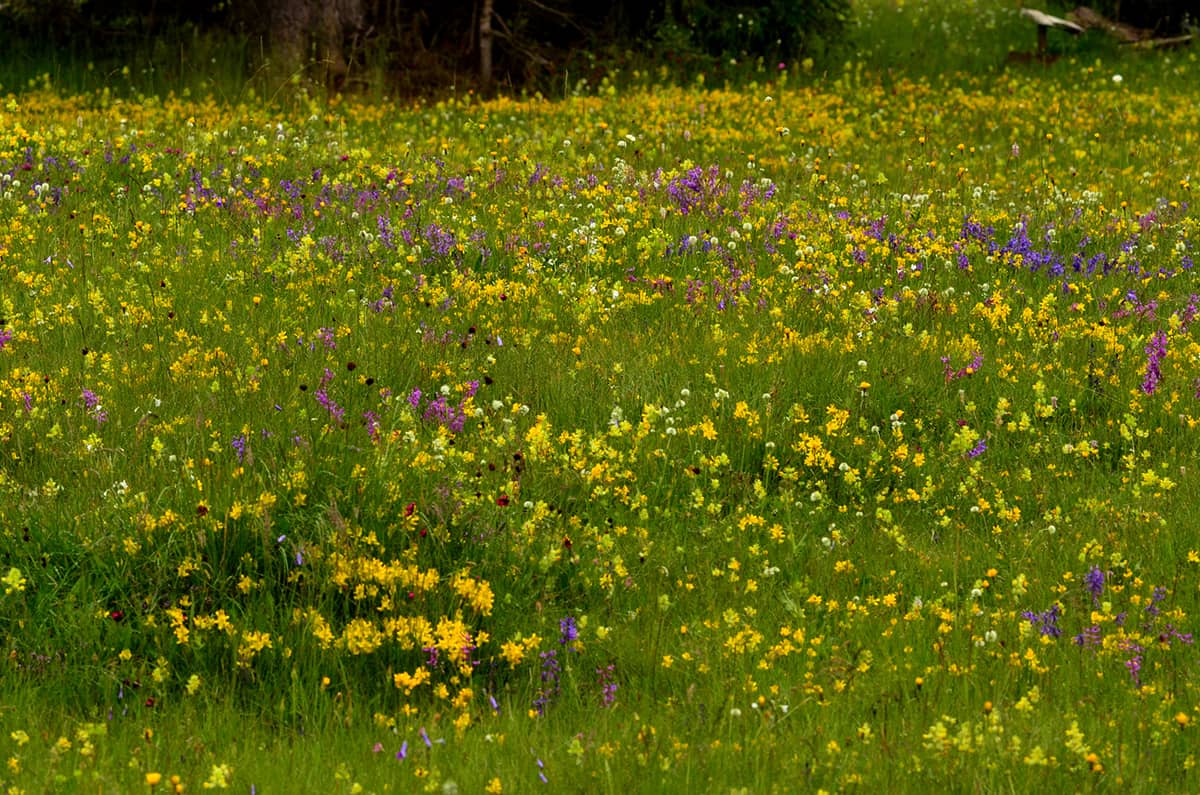
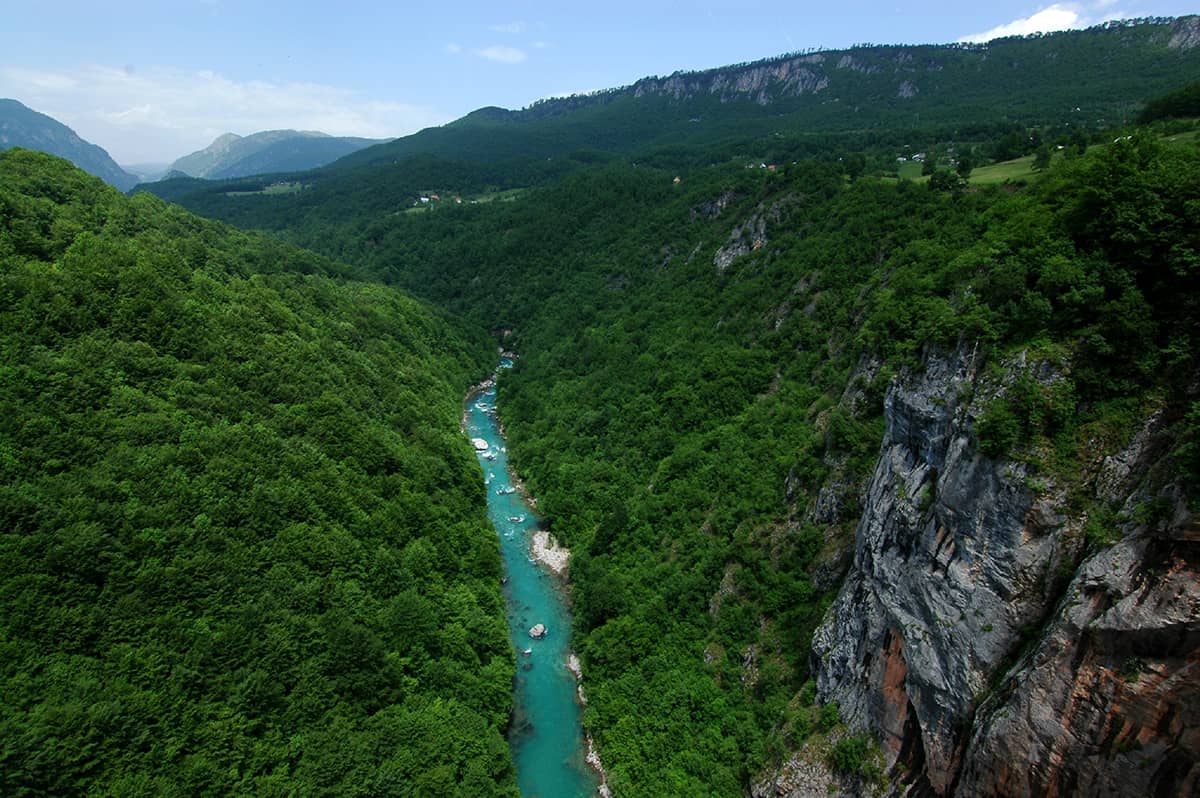
The plan for our tour is to split most of our time between two national parks. Durmitor National Park is huge covering 39,000 ha and includes Tara Canyon which is the deepest in Europe (2nd largest Canyon after Grand Canyon/USA). The whole area is a world heritage site with 48 mountain peaks over 2000m and a rich flora and fauna. It boasts of one of the greatest variety of butterflies in all of Europe with over 140 species so far recorded.
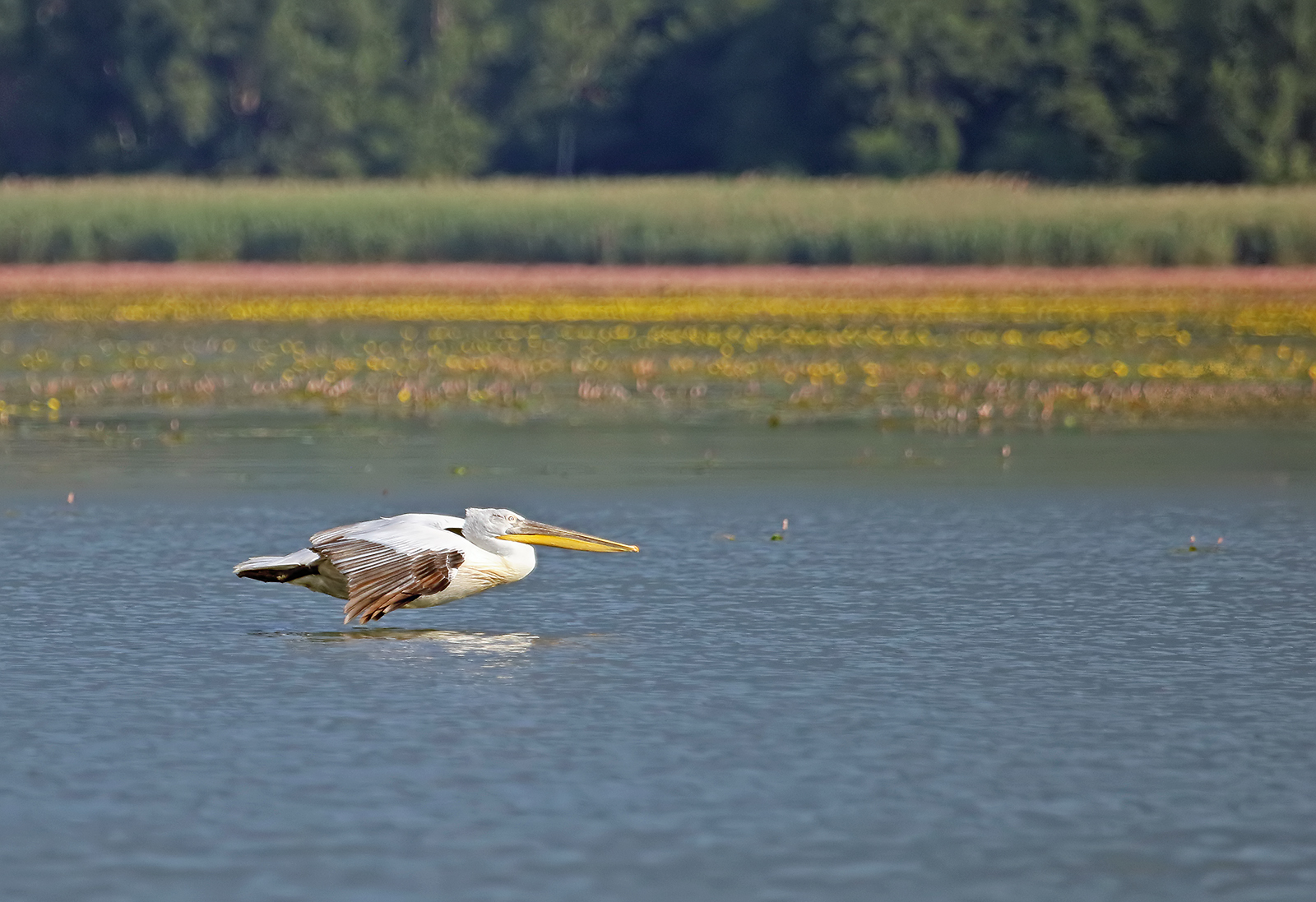
We shall spend several days here exploring some of the alpine meadows and limestone valleys before moving on midweek to Lake Skadar National Park in the east. The largest lake on the Balkan Peninsula and which is renowned for its birdlife with 264 species recorded, including one of the largest concentrations of Dalmatian Pelicans in all of Europe.
The surrounding hills and forests bordering Albania are teeming with wildlife, all protected within a national park established in 1983. We will base ourselves at a comfortable hotel in the Virpazar area at the head of the lake, spending a few unforgettable days exploring the region before returning here at the end of the tour for our homeward journey.
We will also enjoy some time on the lake by boat, experiencing beautiful places such as the gorgeous Rijeka Crnejovica Gorge, before driving up to Mount Lovćen, and going to see Kotor Bay, the largest fjord of Southern Europe with breathtaking scenery.
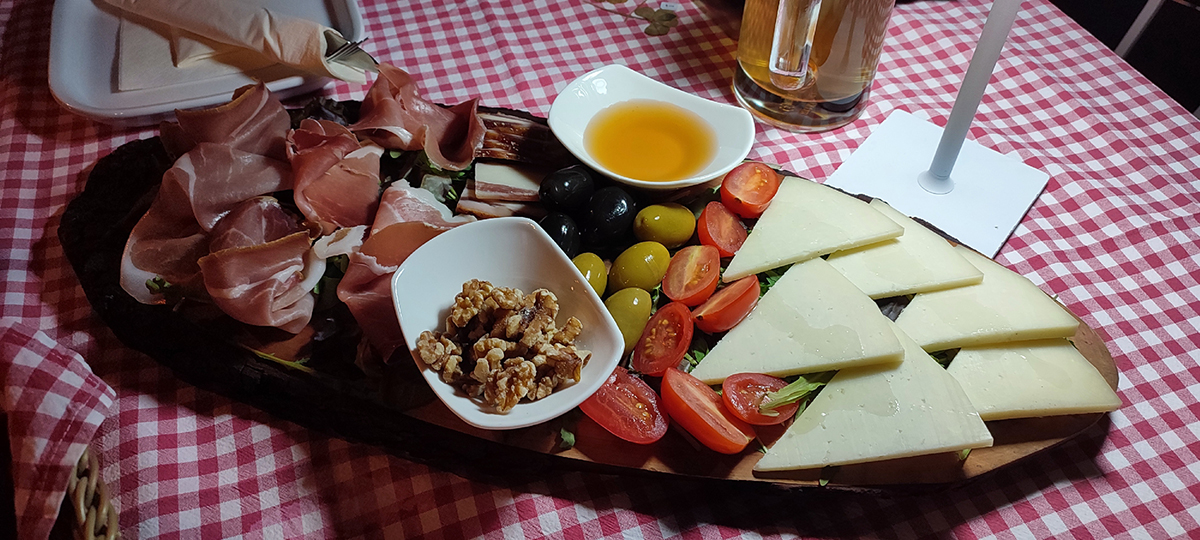
If you love breathtaking Balkan scenery, lush mountain meadows, and capturing stunning photography of diverse wildlife, this tour is for you. Montenegro is a place to slow down and savour the moment, renowned for its rich culinary heritage, excellent wines, local cheeses, and prosciutto. We invite all true nature connoisseurs to join us!


Day 1 – Arrival
After landing we drive directly to Durmitor NP, our base for the next few days, to our mountain resort of Zabljak village (1450 metres).
Overnight in Zabljak.
Day 2, 3 – Durmitor NP: Tara Canyon.
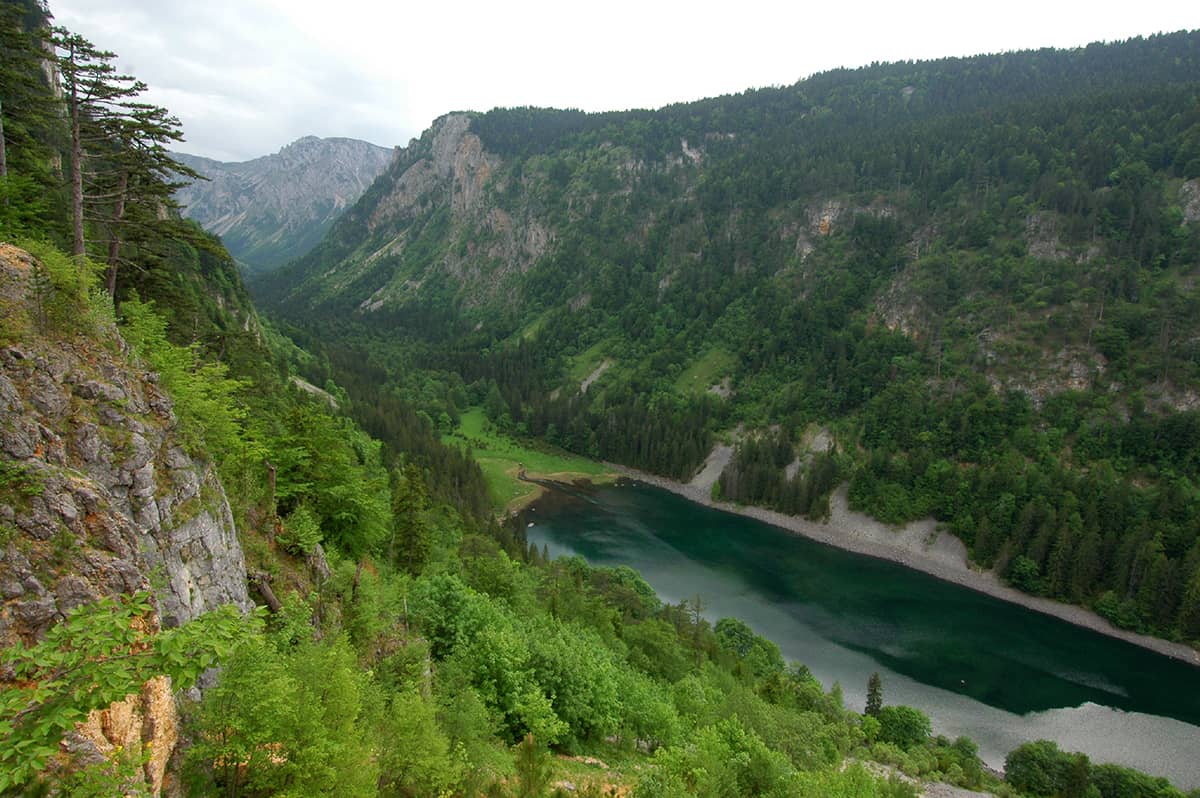
Full day exploration of the surrounding Durmitor National Park. We visit several well-known parts of this gorgeous area, incl. the so-called Black Lakes, which gets its name from the surrounding dark pine forests.
The lake and the surrounding area is of glacial origin, made up of Quaternary and Jurassic formations. Typical habitats and biomes are mostly coniferous forest of boreal type, pastures, snow-patches and avalanches of Alpine and High-Nordic type. Durmitor massif is bordered by the many narrow and deep canyon valleys of the Tara, Piva, Susica and Komarnica rivers and is surrounded by many high plateaus with more than 30 peaks rising above 2000 meters, Bobotov Kuk being the highest at 2522 meters. One special feature of the national park is its 12 lakes known as “Mountain’s Eyes”.
We also cover the meadows and several viewpoints over the Tara River, which is 144 km long, the longest river of Montenegro, a fact reflecting the small size of the country. Its canyon is 78 km long and 1300 metres deep.
The whole area was proclaimed a national park covering 32,000 hectares and is included in the Unesco World Heritage List. Butterfly-wise the area is virtually unknown, so we can have high hopes for unexpected species.
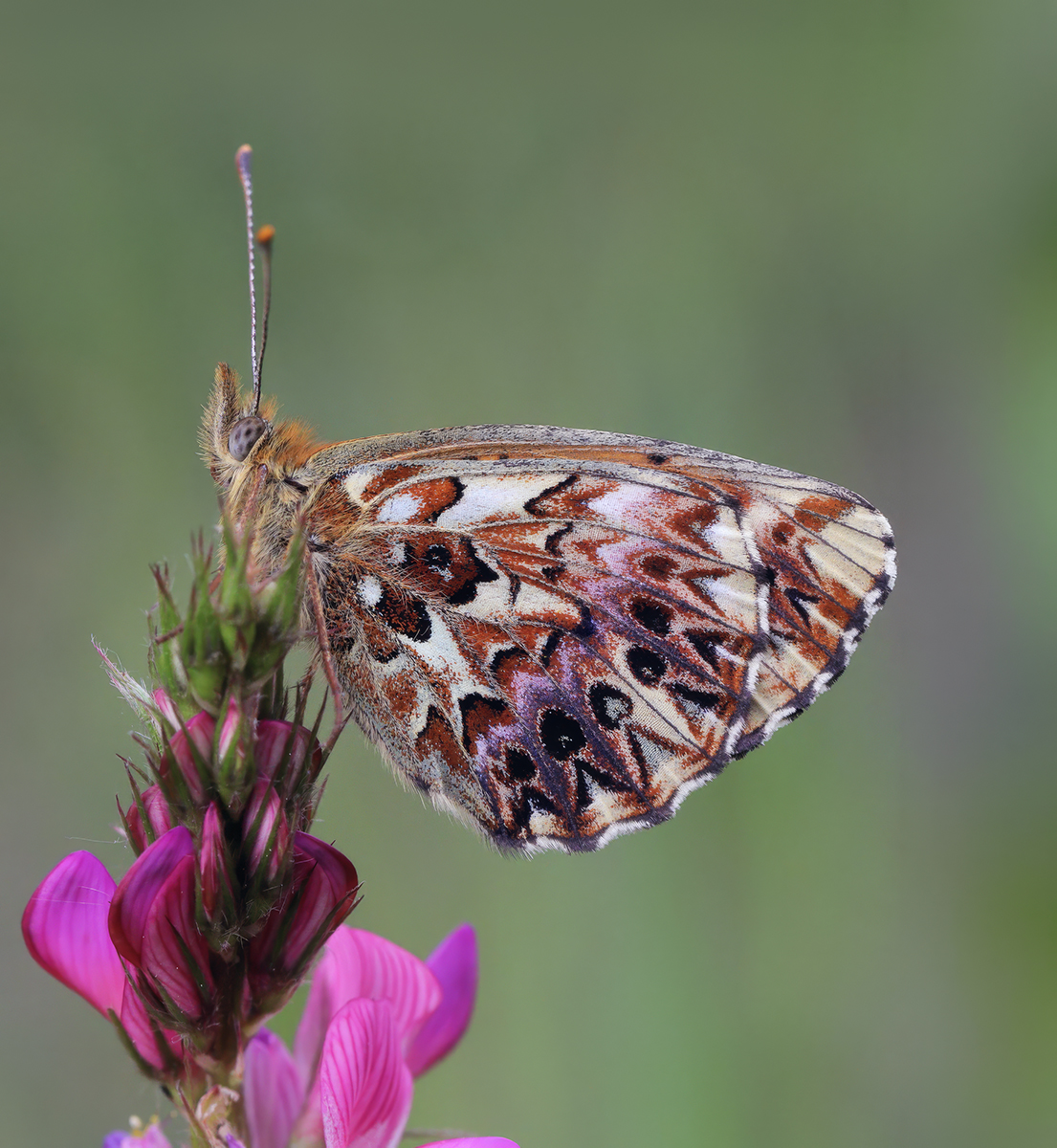
We should look for Olive Skipper, Apollo, Balkan Clouded Yellow, Clouded Apollo, Eastern Dappled White, Poplar Admiral, Titania’s and Shepherd’s Fritillaries, Marsh Fritillary, Large Blue, Alcon Blue, Blue Argus, Damon Blue, Balkan Copper, Eros Blue, Oriental Heath, Eastern Large Heath, Balkan Marbled White, Bright-eyed and Woodland Ringlets, Common and Ottoman Brassy Ringlets, just to name a few.
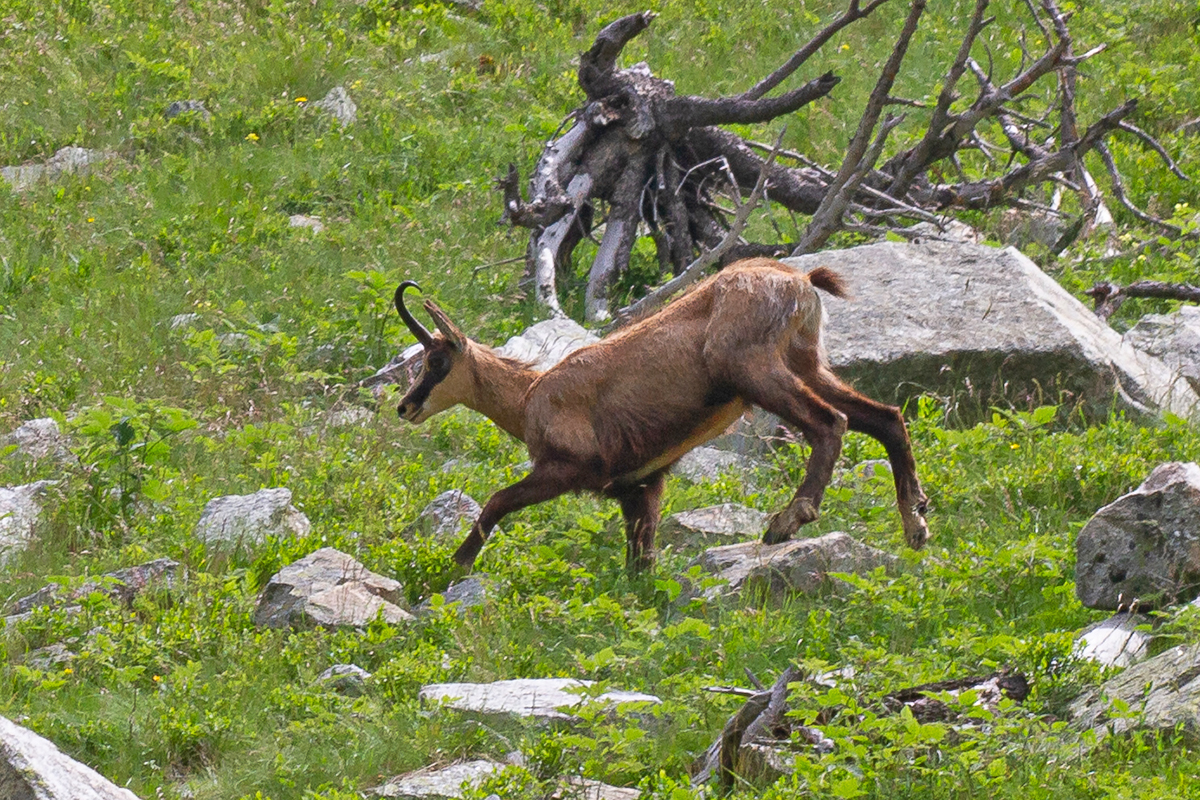
For the birders the National Park offers many coniferous-forest’ birds, including Eastern Bonelli’s Warbler, Crested Tit, Firecrest, Nutcracker and Common Crossbill, or Three-toed Woodpecker if lucky. The dwarf pine area should provide Ring Ouzel and Alpine Chough, while the high alpine regions are home to Shore Lark, Water Pipit, Alpine Accentor. Raptors also represented well, including Goshawk, Golden Eagle, Short-toed Eagle and Peregrine. Red-backed and Lesser Grey Shrikes are common in the region, too. On previous tours we were often lucky to see Chamois on the roadside as well.
Overnight in Zabljak.
Day 4 – To Lake Skhodra
A longer drive takes us today to the shore of Lake Skhodra, our next base. En route we are passing gorgeous mountain scenery, and we make several roadside stops to add some fun for the day.
Finally, we arrive at our base in Virpazar, which is the most important port and fishing village of the lake, located at an important crossroads between the shore and inland.
Overnight in Virpazar
Day 5 – Lake Skhodra exploration with the coastal Rumija Mts.
Lake Skhodra is the biggest lake in the Balkans, divided between Albania and Montenegro. The living world here is very rich both in aquatics (22 species of fish) and birdlife (279 recorded so far). The lake sits in a so-called crypto depression, because the lake basin is 28 meters below sea level, and the surface is 6 m above. The lake is part of a national park which covers 44,000 hectares and included in the Ramsar List of important wetlands.
Today we plan to follow the mountainous lakeshore towards the south till the Albanian border and back, passing incredibly old oak and horse-chestnut forests, some of them surely older than 500 years.
The whole rocky area – forested inland sides and barren lakesides – are mainly Palaeogene and Cretaceous with lots of mediterranean evergreen woodlands and machair of Oak and Ilex.
Target butterflies for today are Lang’s Short-tailed and Short-tailed Blues, Purple Hairstreak, Mediterranean Skipper, Pygmy Skipper, Sage Skipper, Grecian Copper, Southern Comma, High Brown and Niobe Fritillaries, Mountain Small White, Delattin’s Grayling, Nettle-tree butterfly and many more.
Amongst the birds we might see Levant Sparrowhawk, Eleonora’s Falcon, Rock Partridge, Olive-tree Warbler, Sombre Tit, Woodchat Shrikes, Spanish Sparrow, Black-headed Bunting, Cirl and Rock Buntings, Rock Nuthatch, Blue Rock Thrush, and many Alpine Swifts.
Overnight in Virpazar.
Day 6 – Rijeka Crnojevica Gorge, Mt. Lovcen, Kotor Bay
This day will be feature some of the best, if not the best scenic part of Montenegro and the whole of the Balkans.
This morning we do a boat trip from Cvirpazar up to the majestic Rijeka Cronejovica river-gorge for more breathtaking scenery. The steep rivershore make this landscape unforgettable, especially on rainy days, when myriads of colours reflect on the lake – the only place in Europe which uniquely resembles some of the great Chinese river gorges.
During the boating we are looking for Dalmatian Pelicans, the endangered Pygmy Cormorants, and we also might see Glossy Ibis, Squacco Heron, Black-necked Grebes, Ferruginous Duck, herons and egrets, Spoonbills, Whiskered Terns and Red-rumped Swallows.
Then we will drive to and pass Cetinje, the royal town of the former Montenegrin Kingdom, before we continue our scenic drive to the high meadows of Mt. Lovcen. From the high craggy pass of Mt. Lovcen we obtain an incredible view over Kotor Bay, the southernmost “fjord” in all Europe. It looks exactly like a giant fjord, however with a different origin, being an enormous, flooded river estuary.
This is one of the most heart stopping and magnificent landscapes in the whole world, also on the list of UNESCO World Heritage Sites. There are about 80 species of butterflies know from the area, which is surely a much lower number than it should be, so we might see some surprises here.
There is some debate here about the occurrence of Fenton’s Wood White, which definitely could be the butterfly of the trip. Cleopatra, Two-tailed Pasha, Southern Small White, Cardinal, Hungarian Glider, Twin-spot Fritillary, Large Blue, Alcon Blue, Escher’s Blue, Balkan Copper, Great Sooty Satyr, Balkan Marbled White and Alpine Grizzled Skipper are all possible.
Amongst the birds, the place holds some Blue Rock Thrush, Rock Thrush, Rock Nuthatch, Black-eared Wheatear, Cirl and Rock Buntings, and Golden Eagle are all possible here.
After our arrival to Kotor, we will enjoy a dinner in the Old Town, which is probably the most beautiful coastal town of the Adriatic, tucked in the embrace of high mountains and bent over a deep bay of the Mediterranean Sea, rivalling Dubrovnik in its beauty.
The old city is again part of a UNESCO World Heritage Site with a backdrop of rocky coastal mountains. Kotor’s Old Town is a maze of white houses with red tiled roofs and beautifully shuttered windows that glisten in the sparkling light. Many stately orthodox and catholic churches—some dating back to the twelfth century— occur and the sunlit fortress high above the town will also catch our eye.
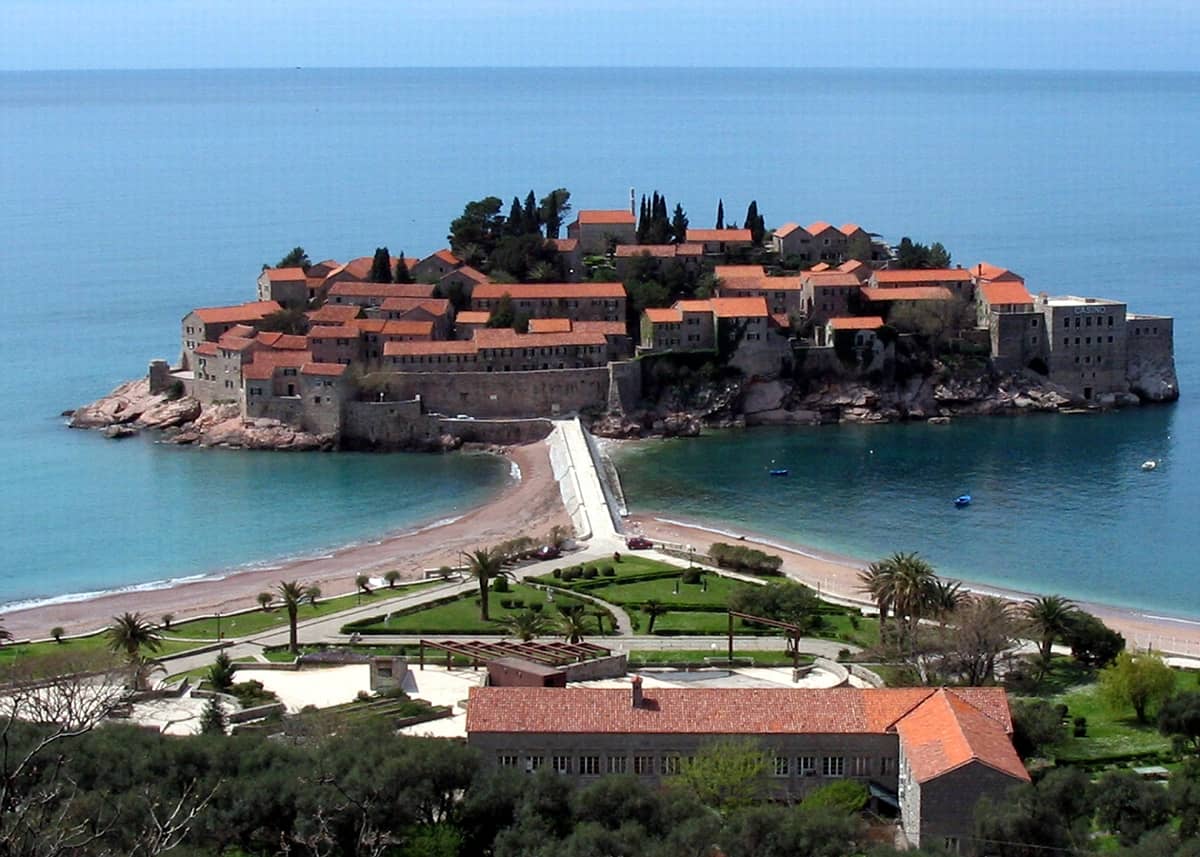
After dinner we will drive back on the shore (different road) to Virpazar, stopping above Sveti Stefan island.
Overnight in Virpazar.
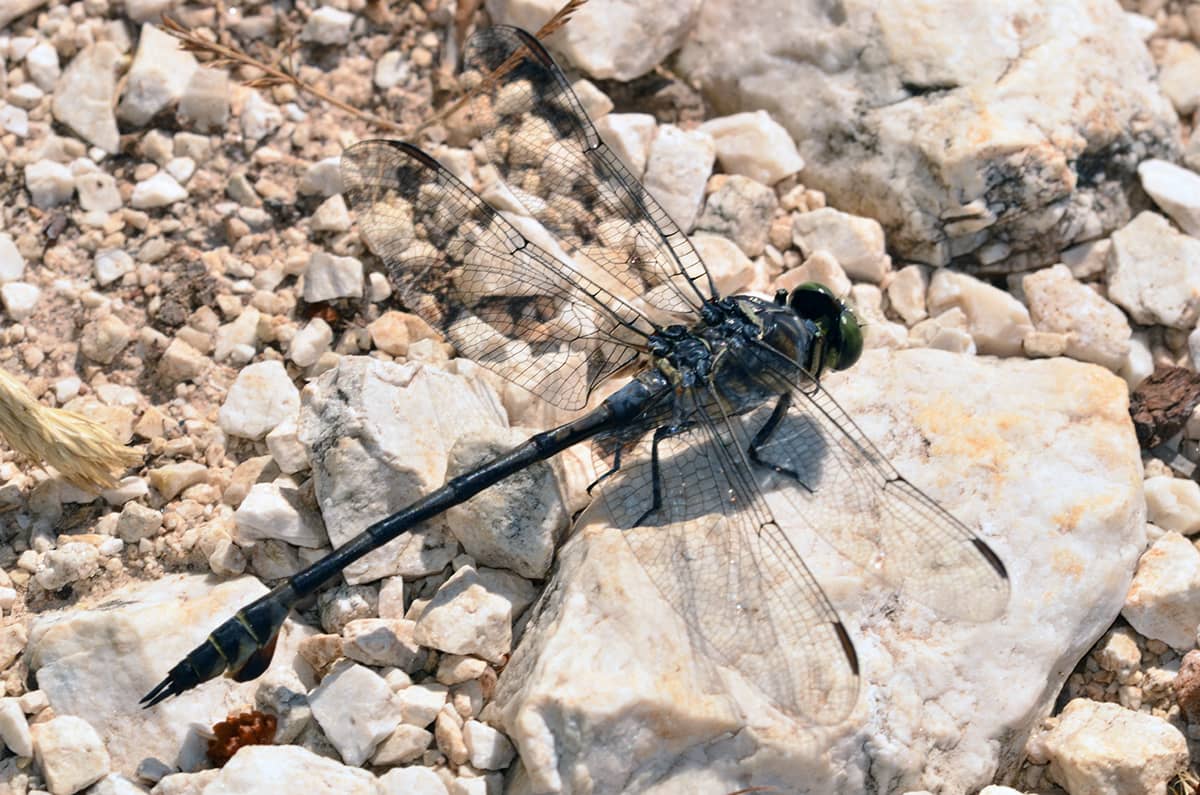
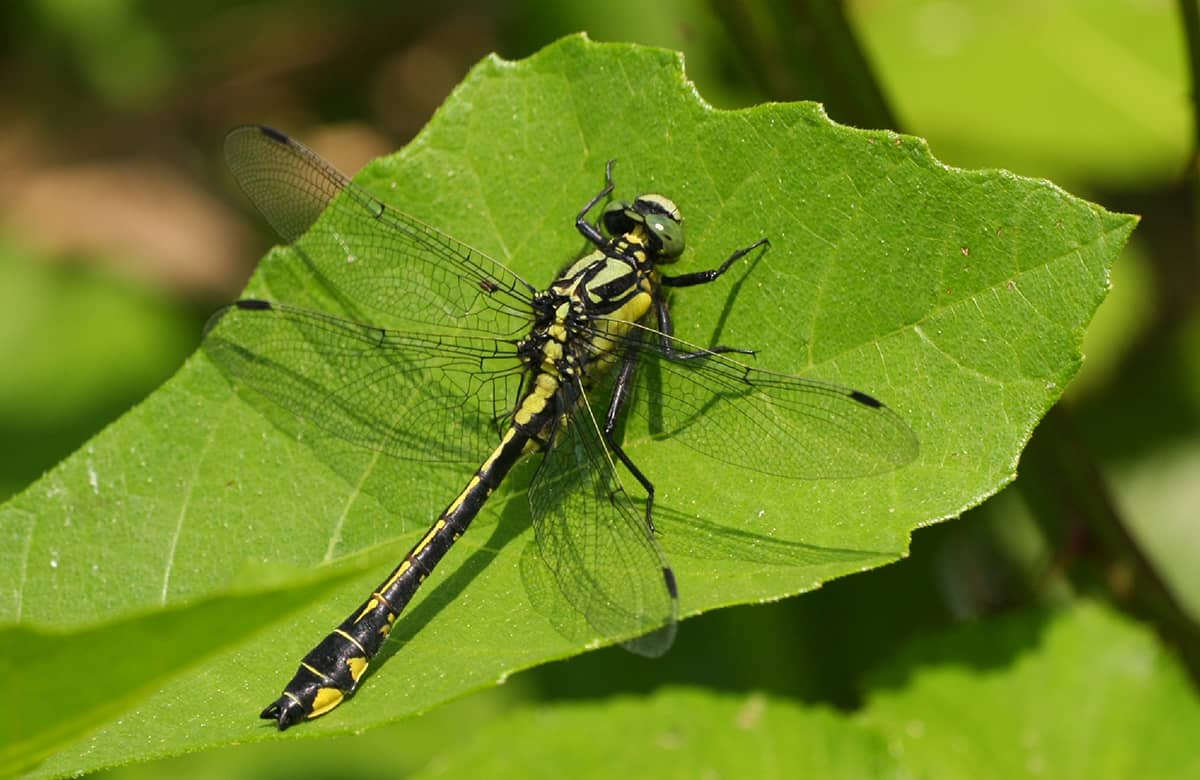
Day 7 – Photography day around VirpazarWe make today a leisurely day, driving only short distances around Virpazar, and try to catch up with the vibrant variety of butterfly, dragonfly and reptile fauna of the area. Apart from previously mentioned species in the area, we will look for Bladetail, one of the most unusual dragonflies found in Europe.
Overnight in Virpazar.
Day 8 – Departure day
After a final morning around our accommodation, we drive to Podgorica Airport to take our flight back to the UK.
















Provisional species list:
Very little research done in Montenegro, and the fact that Montenegro has a very large altitudinal range, northern slopes with a cold climate, southern slopes with a very hot microclimate, can mean many unexpected species at unexpected timings.
Here is a Red List for the Butterflies of Montenegro
Papilionidae:
Scarce Swallowtail (Iphiclides podalirius), European Common Swallowtail (Papilio machaon), Clouded Apollo (Parnassius mnemosyne), Apollo (Parnassius apollo).
Pieridae:
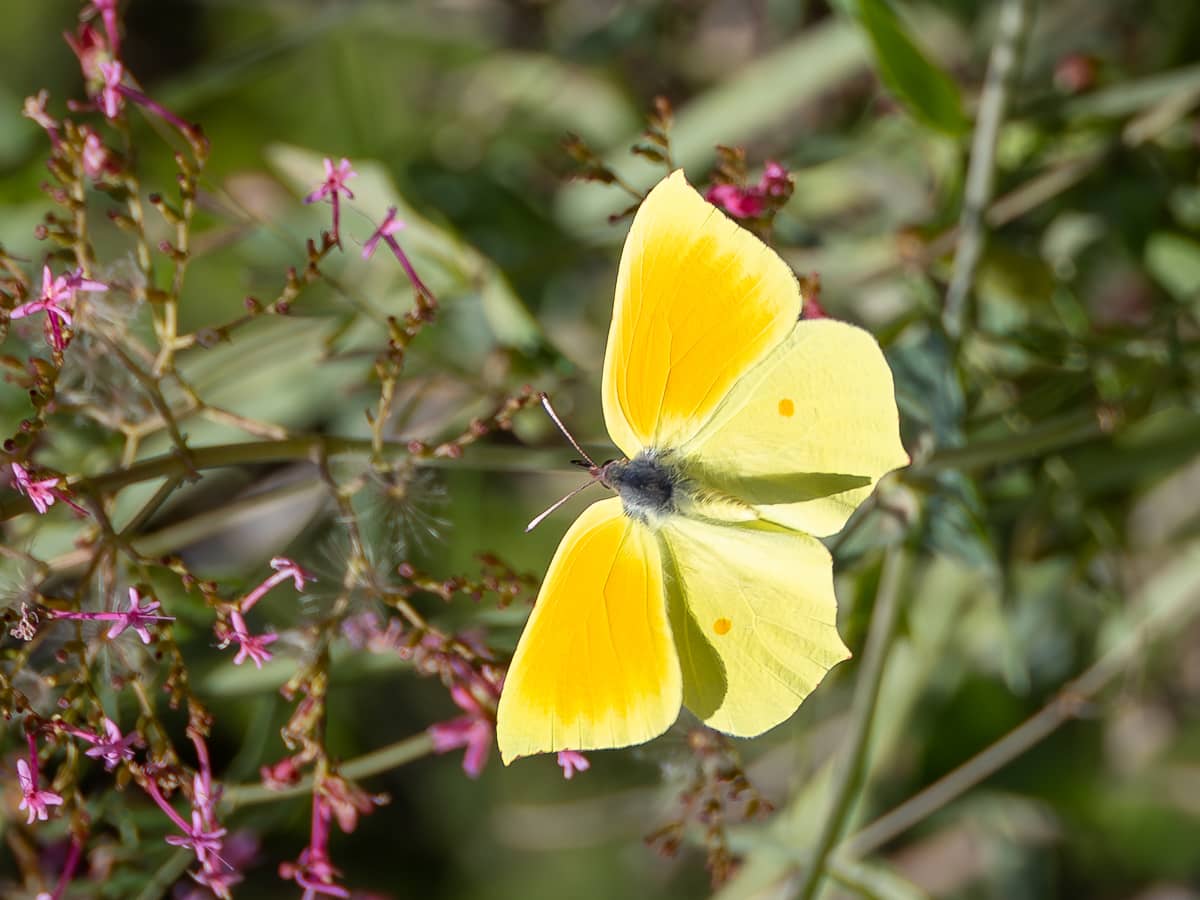
Black-veined White (Aporia crataegi), Eastern Wood White (Leptidea duponcheli), Real’s Wood White (Leptidea reali), Wood White (Leptidea sinapis), Large White (Pieris brassicae), Balkan Green-veined White (Pieris pseudorapaea), Green-veined White (Pieris napi), Southern Small White (Pieris manni), Mountain Small White (Pieris ergane), Brimstone (Gonepteryx rhamni), Cleopatra (Gonepteryx cleopatra), Balkan Clouded Yellow (Colias caucasia), Berger’s Clouded Yellow (Colias alfacariensis), Pale Clouded Yellow (Colias hyale), Clouded Yellow (Colias crocea), Eastern Bath White (Pontia edusa).
Libytheidae:
Nettle-tree Butterfly (Libythea celtis).
Riodinidae:
Duke of Burgundy Fritillary (Hamearis lucina).
Nymphalidae:
Lesser Purple Emperor (Apatura ilia), Purple Emperor (Apatura iris), Queen of Spain Fritillary (Issoria lathonia), Southern Comma (Polygonia comma), Two-tailed Pasha (Charaxes jasius), White Admiral (Limenitis camilla), Southern White Admiral (Limenitis reducta), Poplar Admiral (Limenitis populi), Hungarian Gilder (Neptis rivularis), Comma Butterfly (Polygonia c-album), Large Tortoiseshell (Nymphalis polychloros), Small Tortoiseshell (Aglais urticae), Cardinal (Argynnis pandora), Silver-vashed Fritillary (Argynnis paphia), High Brown Fritillary (Argynnis adippe), Dark Green Fritillary (Argynnis aglaja), Niobe Fritillary (Argynnis niobe), Marsh Fritillary (Euphydryas aurinia), Shepherd’s Fritillary (Boloria pales), Spotted Fritillary (Melittaea didyma), Nickler’s Fritillary (Melittaea aurelia), Lesser Spotted Fritillary (Melittaea fascelis), Knapweed Fritillary (Melittaea phoebe), Glanville Fritillary (Melittaea cinxia), Heath Fritillary (Melittaea athalia), Weaver’s Fritillary (Boloria dia), , False Heath Fritillary (Melittaea diamina), Marbled Fritillary (Brenthis daphne), Small Pearl-bordered Fritillary (Boloria selene), Pearl-bordered Fritillary (Boloria euphrosyne), Titania’s Fritillary (Boloria titania), Twin-spot Fritillary (Brenthis hecate), Lesser Marbled Fritillary (Brenthis ino).
Lycaenidae:
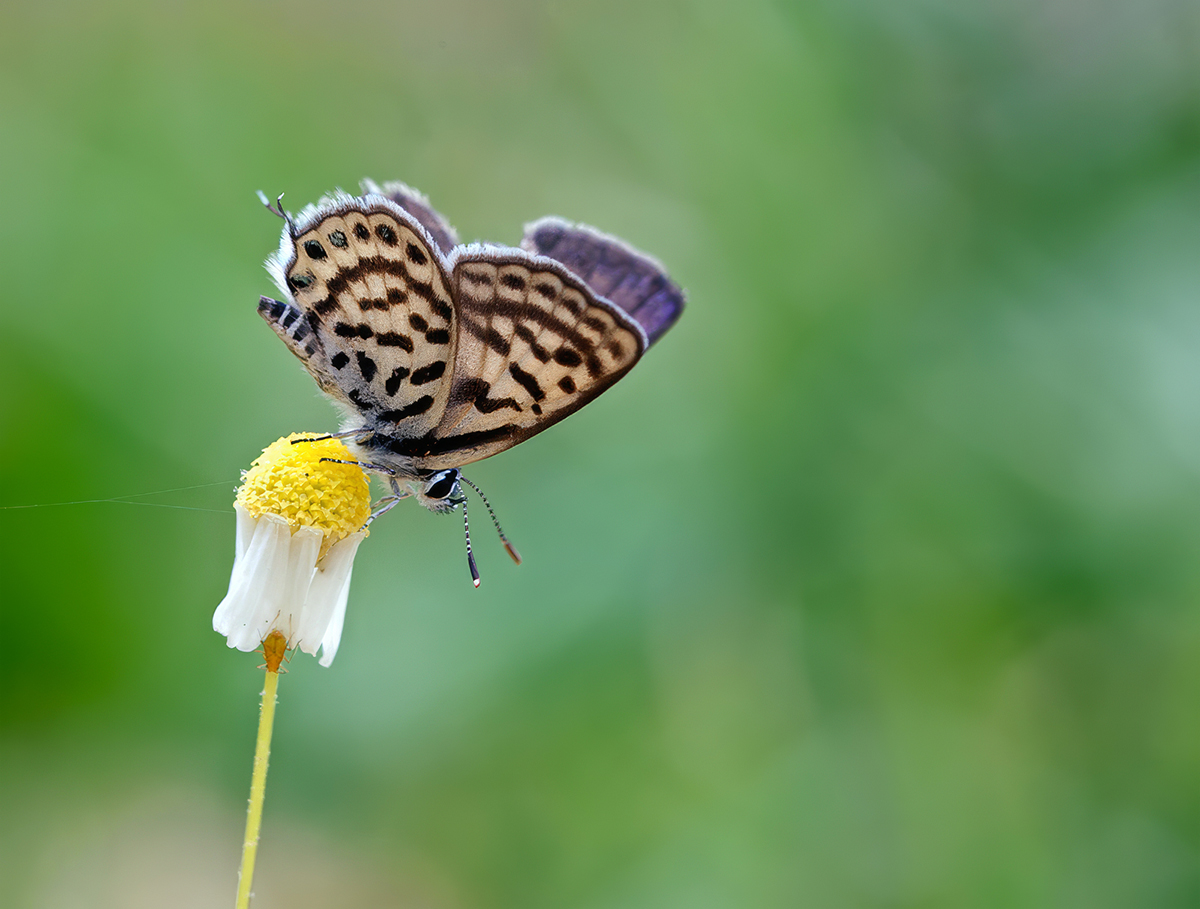
Little Tiger Blue (Tarucus balcanicus), Lang’s Short-tailed Blue (Leptotes pirithous), Long-tailed Blue (Lampides boeticus), Holly Blue (Celastrina argiolus), Green-underside Blue (Glaucopsyche alexis), Alpine Mountain Argus (Aricia artaxerxes), Brown Argus (Aricia agestis), Blue Argus (Aricia anteros), Chequered Blue (Scolitantides orion), Idas Blue (Plebejus idas), Reverdin’s Blue (Plebejus argyrognomon), Mazarine Blue (Cyaniris semiargus), Large Blue (Maculinea arion), Balkan Alcon Blue (Maculinea alcon tolistus), Ripart’s Anomalous Blue (Polyommatus ripartii), Amanda’s Blue (Polyommatus amandus), Escher’s Blue (Lycaena escheri), Adonis Blue (Polyommatus bellargus), Chapman’s Blue (Polyommatus thersites), Short-tailed Blue (Everes argiades), Eastern Short-tailed Blue (Everes decoloratus), Osiris Blue (Cupido osiris), Small Blue (Cupido minimus), Blue-spot Hairstreak (Satyrium spini), Purple Hairstreak (Neozephyrus quercus), White-letter Hairstreak (Satyrium w-album), Ilex Hairstreak (Satyrium ilicis), Sloe Hairstreak (Satyrium acaciae), Turquoise Blue (Polyommatus dorylas), Silver-studded Blue (Plebejus argus), Balkan Copper (Lycaena candens), Sooty Copper (Lycaena tityrus), Grecian Copper (Lycaena ottomana), Small Copper (Lycaena phlaeas), Lesser Fiery Copper (Lycaena thersamon), Scarce Copper (Lycaena virgaureae), Purple-shot Copper (Lycaena alciphron), Meleager’s Blue (Meleageria daphnis).
Satirydae:
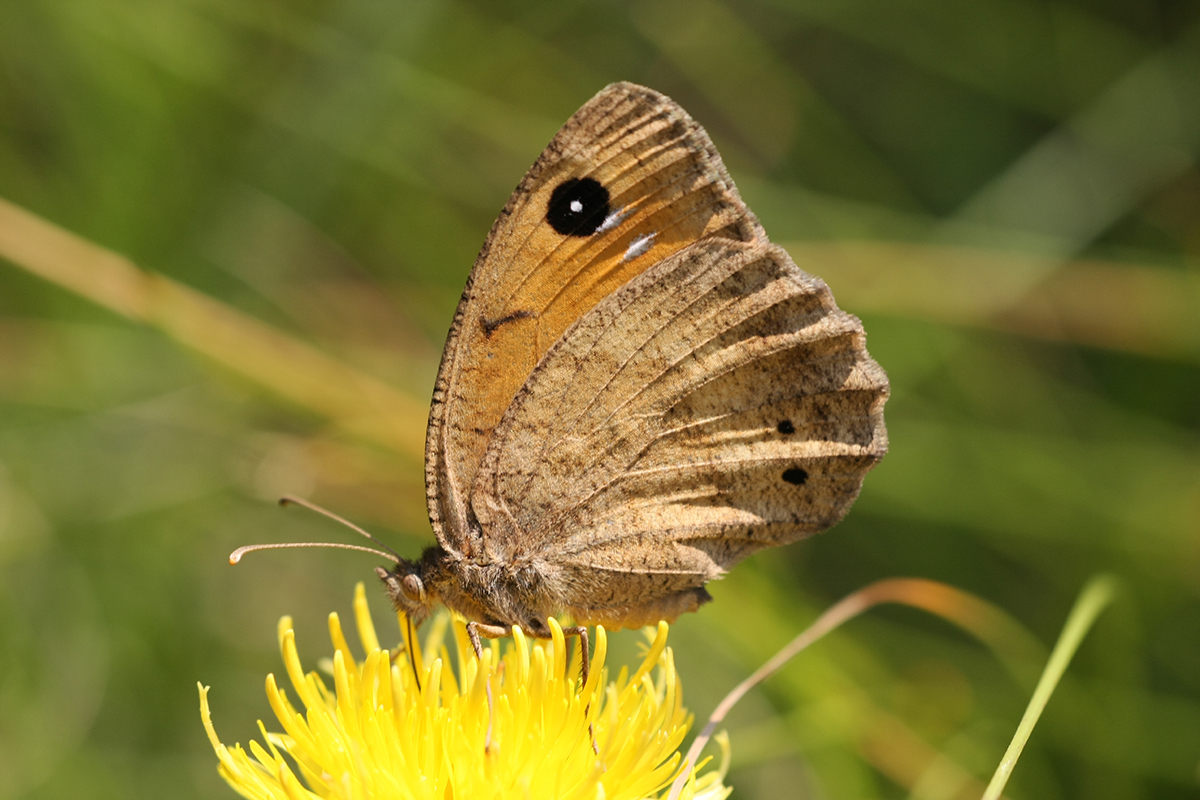
Wall Brown (Lasiommata megera), Large Wall Brown (Lasiommata maera), Northern Wall Brown (Lasiommata petropolitana), Meadow Brown (Maniola jurtina), Dusky Meadow Brown (Hyponephele lycaon), Ringlet (Aphantophus hyperanthus), Speckled Wood (Pararge aegeria), Woodland Brown (Lopinga achine), Grayling (Hipparchia semele), Woodland Grayling (Hipparchia fagi), Eastern Rock Grayling (Hipparchia syriaca), Small Heath (Coenonympha pamphilus), Southern Gatekeeper (Pyronia cecilia), Chestnut Heath (Coenonympha glycerion), Eastern Large Heath (Coenonympha rhodopensis), Pearly Heath (Coenonympha arcania), Marbled White (Melanargia galathea), Balkan Marbled White (Melanargia larissa).
Potential Erebias: Yellow-spotted Ringlet (Erebia manto), Woodland Ringlet (Erebia medusa), Water Ringlet (Erebia pronoe), Silky Ringlet (Erebia gorge), Scotch Argus (Erebia aethiops), Ottoman Brassy Ringlet (Erebia ottomana), Mountain Ringlet (Erebia epiphron), Large Ringlet (Erebia euryale), Dewy Ringlet (Erebia pandrose), Common Brassy Ringlet (Erebia cassioides), Bright-eyed Ringlet (Erebia oeme), Black Ringlet (Erebia melas), Arran Brown (Erebia ligea), Almond-eyed Ringlet (Erebia alberganus), Nicholl’s Ringlet (Erebia rhodopensis).
Hesperiidae:
Dingy Skipper (Erynnis tages), Mallow Skipper (Charcharodrus alceae), Marbled Skipper (Charcharodrus lavatherae), Tufted Marbled Skipper (Charcharodrus flocciferus), Small Skipper (Thymelicus flavus), Lulworth Skipper (Thymelicus actaeon), Silver-spotted Skipper (Hesperia comma), Safflower Skipper (Pyrgus carthami), Alpine Grizzled Skipper (Pyrgus andromedae), Grizzled Skipper (Pyrgus malvae), Yellow-banded Skipper (Pyrgus sidae), Large Grizzled Skipper (Pyrgus alveus), Olive Skipper (Pyrgus serratulae), Oberthür’s Grizzled Skipper (Pyrgus armoricanus), ), Hungarian Skipper (Spialia orbifer), Persian Skipper (Spialia phlomidis), Large Skipper (Ochlodes venatum), Large Chequered Skipper (Heteropterus morpheus), Essex Skipper (Thymelicus lineola), Chequered Skipper (Carterocephalus palaemon), Mediterranean Skipper (Gegenes nostrodamus), Pygmy Skipper (Gegenes pumilio), Sage Skipper (Muschampia proto).
Bird highlights:
Dalmatian Pelican, Pygmy Cormorant, Little Bittern, Squacco Heron, Little Egret, Grey Heron, Purple Heron, Glossy Ibis, Ferruginous Duck, Griffon Vulture, Golden Eagle, Bonelli’s Eagle, Short-toed Eagle, Eleonora’s Falcon, Rock Partridge, Scops Owl, Alpine Swift, Pallid Swift, Hoopoe, Kingfisher, Bee-eater, Crag Martin, Red-rumped Swallow, Dipper, Alpine Accentor, Black-eared Wheatear, Blue Rock Thrush, Rock Thrush, Ring Ouzel, Orphean Warbler, Sardinian Warbler, Subalpine Warbler, Zitting Cisticola, Cetti’s Warbler, Melodious Warbler, Olive-tree Warbler, Olivaceous Warbler, Bonelli’s Warbler, Sombre Tit, Rock Nuthatch, Wallcreeper, Woodchat Shrike, Nutcracker, Alpine Chough, Golden Oriole, Spanish Sparrow, Hawfinch, Crossbill, Ortolan Bunting, Cirl Bunting, Black-headed Bunting and Rock Bunting.
On request