

Dates & Prices |
BOOK NOW |
Dates: 18th – 25th June 2026 Confirmed departure
Price: £1,495 Places available
Single Room Supplement: £150
Deposit: £150 per person
Price Includes: All meals, accommodation with private facilities, ground transport, services of guides, holiday report, donation to Butterfly Conservation
Not Included: Flights, travel insurance, drinks & any other personal items
Conservation Donation: Butterfly Conservation Europe
Leader: Alice Hunter & Sotiris Alexiou
Group Size: Minimum of 4 and a maximum of 12 guests plus 1-2 leaders
Grade: Gentle pace in a variety of terrains. Ideally suited to photography
Holiday Highlights
- Visit two butterfly & flower rich mountains in southern Greece – Mt. Chelmos in the Peloponnese & Mt. Parnassos on the mainland
- 80-100+ butterfly species in a week are possible, including several which are special and local to the area
- Butterflies you won’t want to miss include – Chelmos Blue, Balkan Zephyr Blue, Odd-spot Blue, Pontic Blue, Grecian Anomalous Blue, Greek Clouded Yellow, Two-tailed Pasha, Grass Jewel, Clouded Apollo, Blue Argus & many more!
- Explore the centre of the classical Greek world at Ancient Delphi and visit the Temple of Apollo
- Optional heritage railway journey through Vouraikos Canyon – most beautiful train trip in the Balkans
- Contribute to Butterfly Conservation Europe
Explore the ancient world and wander upon some of the most celebrated butterfly mountains in southern Greece!
A selection of stand out species include Two-tailed Pasha Charaxes jasius, Odd-spot Blue Turanana endymion, Pontic Blue Neolysandra coelestina, Balkan Zephyr Blue Kretania sephirus, Greek Mazarine Blue Cyaniris semiargus helena, Greek Clouded Yellow Colias aurorina, Clouded Apollo Parnassius mnemosyne, Grecian Anomalous Blue Polyommatus aroaniensis, and Grecian Copper Lycaena ottomanus. We will of course hope to see the aptly named Chelmos Blue Polyommatus iphigenia, which in Europe is only found on Mount Chelmos, at the margin of the global distribution area for the species, which extends to Türkiye and the Caucasus. It isn’t an easy one to find in recent years but we will do our best. We’ll enjoy a wide range of other beautiful butterflies, including Southern White Admiral, Amanda’s Blue, Turquoise Blue, Escher’s Blue, Sooty Copper, Purple-shot Copper, Cleopatra, Lattice Brown, Cardinal, Spotted & Lesser Fritillary. Overall, we usually observe between 80-100 overall on this tour, and sometimes 1 or 2 more. Our wildlife watching won’t be restricted to butterflies, although that is our main focus. We’ll also be on the lookout for flowers of which there are some lovely species; including endemics such as Peloponnese Toadflax and Balkan Lizard Orchid. We often see some good birds too, such as Red-backed Shrike, Black-eared Wheatear and Sombre Tit. Other smaller wildlife include some nice dragonflies, such as Violet Dropwing, Small Pincertail & Greek Goldenring. In addition, we usually see reptiles such as Hermann’s Tortoise and the endemic Peloponnese Wall Lizard. We begin our adventure in Athens, from which we’ll head west to cross the spectacular engineering marvel of the Corinth Canal, which joins the Greek mainland to the Peloponnese Peninsula. Our destination is Kalavryta (at 765m asl), a historically significant small town lying on the north-west slopes of Mount Chelmos, which rises to 2,355m above sea level. The town is marked by traditional stone-built houses, charming alleys, quaint squares, and picturesque cafés and tavernas tucked beneath shady plane trees. It’s the perfect place to relax after our daily excursions. Kalavryta is also famous as the starting point for the Odontotos Rack Railway. This 22km route to Diakopto is celebrated as one of Greece’s most scenic train journeys. The unforgettable ride takes passengers through the dramatic Vouraikos Gorge, its path harmoniously integrated with nature. The journey culminates spectacularly at the shores of the Corinthian Gulf. It’s an optional trip that can be taken during our stay. We will spend the next few days exploring Chelmos and numerous other locations in the area. We’ve been visiting the area since 2010 and running this tour since 2013, and our guide Sotiris has his families village close and thus has known & loved the area since birth – so we know it intimately and can take you to many special spots & hidden glades to find a whole host of special butterflies. The second part of our tour takes us off the peninsula, over the impressive Rio Antirio bridge, and onto the mainland. We’ll head east along the coast, towards Galaxidi, before going inland to reach our next base, Delphi. The village is nestled in the foothills of Mount Parnassos, a place legendary amongst lepidopterists for its treasure trove of butterflies. Delphi, at 600m asl, makes a convenient base from which to explore the mountain for the last days of our tour. We’ll venture out at various altitudes on Mount Parnassos (which at its highest peak is approx. 2,250m). Some of the species we will be looking out for include Southern Comma, Large Tortoiseshell, Grecian Copper, Blue Argus, Chapman’s Blue, Osiris Blue, Balkan Marbled White, Zephyr Blue and the Parnassos subspecies of Mazarine Blue. In alpine meadows of higher altitudes, we may find Greek Clouded Yellow, Clouded Apollo, Purple-shot Copper, and Lesser Fiery Copper, amongst others. On one morning and before the crowds arrive, we will visit the World Heritage Site of Ancient Delphi. Once regarded as the centre of the world, the magnificent historical site is well worth a wander on its own. Nature knows no boundaries of course and we should enjoy some as we explore among the ruins. We often see Western Rock Nuthatch & Blue Rock Thrush and butterflies should be present, including the diminutive and gorgeous Grass Jewel – the smallest species in Europe. The warm Greek weather and hospitality, a wealth of wildlife, breathtaking natural scenery, a hint of history and a bonanza of butterflies make for a truly memorable holiday! Book your place today!




Day 1: Arrival in Athens and transfer to Kalavryta in the Northern Peloponnese
Note: If you are interested in travelling to Athens from the UK over land by train please see this helpful guide.
Arrival times rather dictate the order of the day on this first transfer day but we will make at least one stop to stretch our legs and get refreshments on our way to Delphi as the journey is several hours driving. We begin on the motorway network which skirts the city and make a stop to take in the extraordinary feat of engineering that is the Corinth Canal. This offers us a brief chance at some wildlife observation too with a few butterflies having been spotted in the car park previously and Lesser Kestrels frequently seen over the canal itself.
Once we leave the motorway, we head directly into the mountains. We may well be able to spot some species from the vehicle, not only birds such as Short-Toed Eagle and Crag Martin but also some of the more characteristic butterflies such as Cleopatra can be identified at a reasonable speed! Having settled into our hotel there may be time for a walk nearby before dinner in a local restaurant.
Day 2 – 4: Explore Mount Chelmos and the surrounding area
The following days are often subject to some change depending on the cloud cover at higher altitudes, but are generally spent exploring a variety of sites at varying altitudes on the slopes of Mount Chelmos. We will spend some time looking for Odd-Spot and Chelmos Blues, both of which are limited to this single mountain. We will visit some meadows where we are likely to find Meleager’s Blue, Chequered Blue, Ripart’s and Grecian Anomalous Blues, Cardinal Fritillary and many more. We are likely to find a number of Burnet moth species here too and if we are lucky, we may find some Balkan Lizard Orchids flowering among other summer wildflowers.
On another day, we will visit a site at a lower altitude nearer the coast to look for Two-tailed Pashas. There are often a variety of Skippers here too, and a good number of Dragonflies by the nearby river which we can enjoy.
Guests will have the option at this point to take the rack and pinion railway from Diakopto on the coast as their return journey to Kalavryta. The rest of the group may visit the grounds of Mega Spilaio monastery or another stop on the way back to Kalavryta before rejoining as a group for the remainder of the day.
If desired, there is also the option while here for an early morning walk to the memorial garden above Kalavryta. This allows for some good birding opportunities with species like Wryneck, Middle-spotted Woodpecker, Sombre Tit and Rock Sparrow noted on previous occasions. The early hour also provides the perfect moment for some macro photography of roosting butterflies and other insects, not to mention an excellent spot to watch the sun come up over the valley below.
Day 5: Transfer to Delphi in the foothills of Mount Parnassos
Our first stop of the day will be a spot on the way to the coast that is particularly rich and often good for Lesser Fiery Copper, a variety of Skippers, Silver Washed Fritillaries, Ilex and Sloe Hairstreaks, Grecian Anomalous Blue and Holly Blue among many others. From here, we head down to Diakopto and on along to coast to cross the impressive Rio Antirrio bridge.
We’ll make a stop in the coastal town of Galaxidi for a spot of lunch and a bit of a walk around the headland. There are often Freyer’s Graylings in good numbers here, Marbled Skipper, Geranium Bronze and various other butterflies to be seen. We have sometimes stumbled on Tortoises (not literally) in the woods and had good views of Hoopoes here too. The harbour also boasts an extraordinary diversity of small fish that can be easily seen through the crystal clear waters.
After lunch we have a short drive to our final stop of the day where we will search for Europe’s smallest butterfly, the Grass Jewel. This is also a good spot for finding the endemic plant, Daphne jasminea, and seeing Rock Nuthatches.
From here it is a stone’s throw to Delphi and our second base for the trip. We’ll check in and rest before walking out to dinner in a local restaurant. If there’s time and desire, there may also be a walk around the local area beforehand.
Day 6: Explore Mount Parnassos and surrounding areas
We make the most of our first day on the mountain with a journey that takes us to progressively higher altitudes with a variety of stops to take in flowery meadows, damp flushes, scrubby patches and forest glades on our way up to the alpine pasture at our highest point. We can expect to find some nice endemic plants and see a mixture of familiar species such as Common Blue, Silver-studded Blue, Small Copper, Meadow Brown as well as some less so including Idas and Escher’s Blues, Ilex and Sloe Hairstreaks, Grecian Copper and Grecian Clouded Yellow. We should see and hear some interesting birds too, possibly including Red-backed Shrike, Corn Bunting, Wood Lark and Alpine Chough as we climb higher.
Day 7: A morning visit to Delphi, followed by further exploration of Mount Parnassos
With the stunning archaeological site of Delphi on our doorsteps we can’t pass up the opportunity to explore this extraordinary place. We will take our own pace through the ruins and keep our eyes out for the wildlife that share the space such as Marginated Tortoise among the stones, Kotschy’s Gecko on the ancient walls and the noisy Rock Nuthatches that nest in the reconstructed Treasury building. There are also likely to be Blue Rock Thrush here, Hoopoe calling and Crag Martins overhead. Meanwhile, depending on the season, there could be a good variety of butterfly species here too including Southern Small White, Scarce Swallowtail, Southern Comma, Lattice Brown, Freyer’s Grayling, Southern White Admiral and others. There are often some interesting other invertebrates among the ruins too, so we will look at any that appear and admire some of the plants here too.
In the afternoon we will head back up the mountain to explore a particularly rich, damp glade in the pine forest where we hope to see species like Clouded Apollo, Camberwell Beauty, Nettle-tree Butterfly, Greek Clouded Yellow and many more, with a good possibility of finding large aggregations of puddling butterflies. There are often wild Gladioli flowering here along with several species of Helleborine and lots of other flowers. If the weather is kind we will spend the whole afternoon exploring this glorious spot at leisure.
Day 8: Transfer to Athens
Our final day is once again dictated somewhat by our flight times but time permitting we will have one last walk around the local area before departing. There’s always the hope of finding a Ladybird Spider, or seeing a Southern Comma or Geranium Bronze, all of which are perfectly possible in the middle of Delphi! We will leave in plenty of time to dodge any possible traffic though, and avoid the stresses of travelling as much as possible.
-

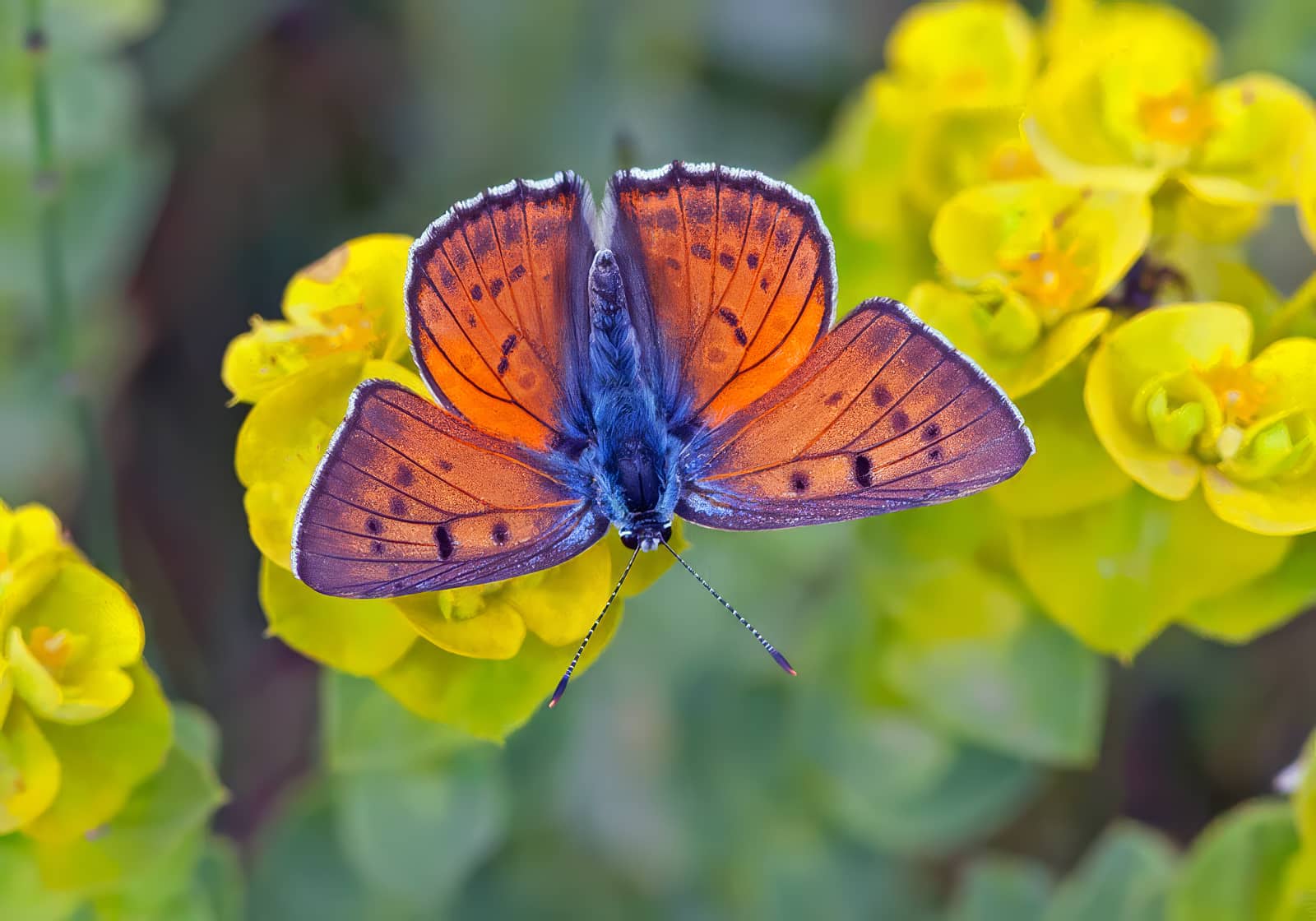
- Purple-shot Copper (Lycaena alciphron)
-

- Odd-spot Blue (Turanana endymion)

-

- Two-tailed Pasha (Charaxes jasius)

-

- Balkan Zephyr Blue (Kretania sephirus)

-

- Greenwingers butterflying

-

- Grass Jewel (Freyeria trochylus)

-

- Greek Clouded Yellow (Colias aurorina)

-

- Grecian Copper (Lycaena ottomanus)

-

- Anomalous Blue (Polyommatus admetus)

-
- Ancient Delphi

-

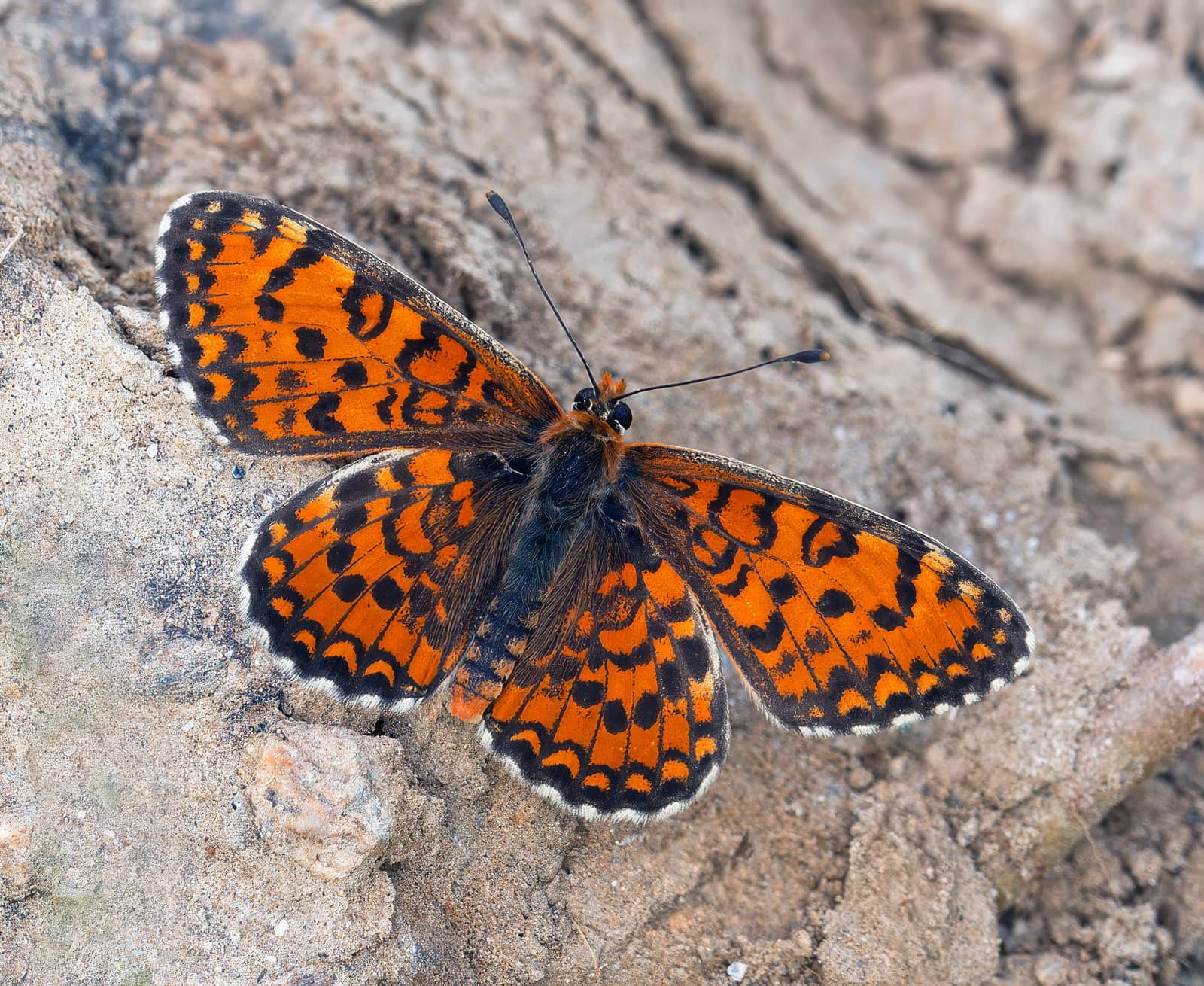
- Lesser Spotted Fritillary (Melitaea trivia)
-

- Clouded Apollo (Parnassius mnemosyne)

-

- Chelmos Blue (Polyommatus iphigenia)

-

- Balkan Zephyr Blue (Kretania sephirus)

-

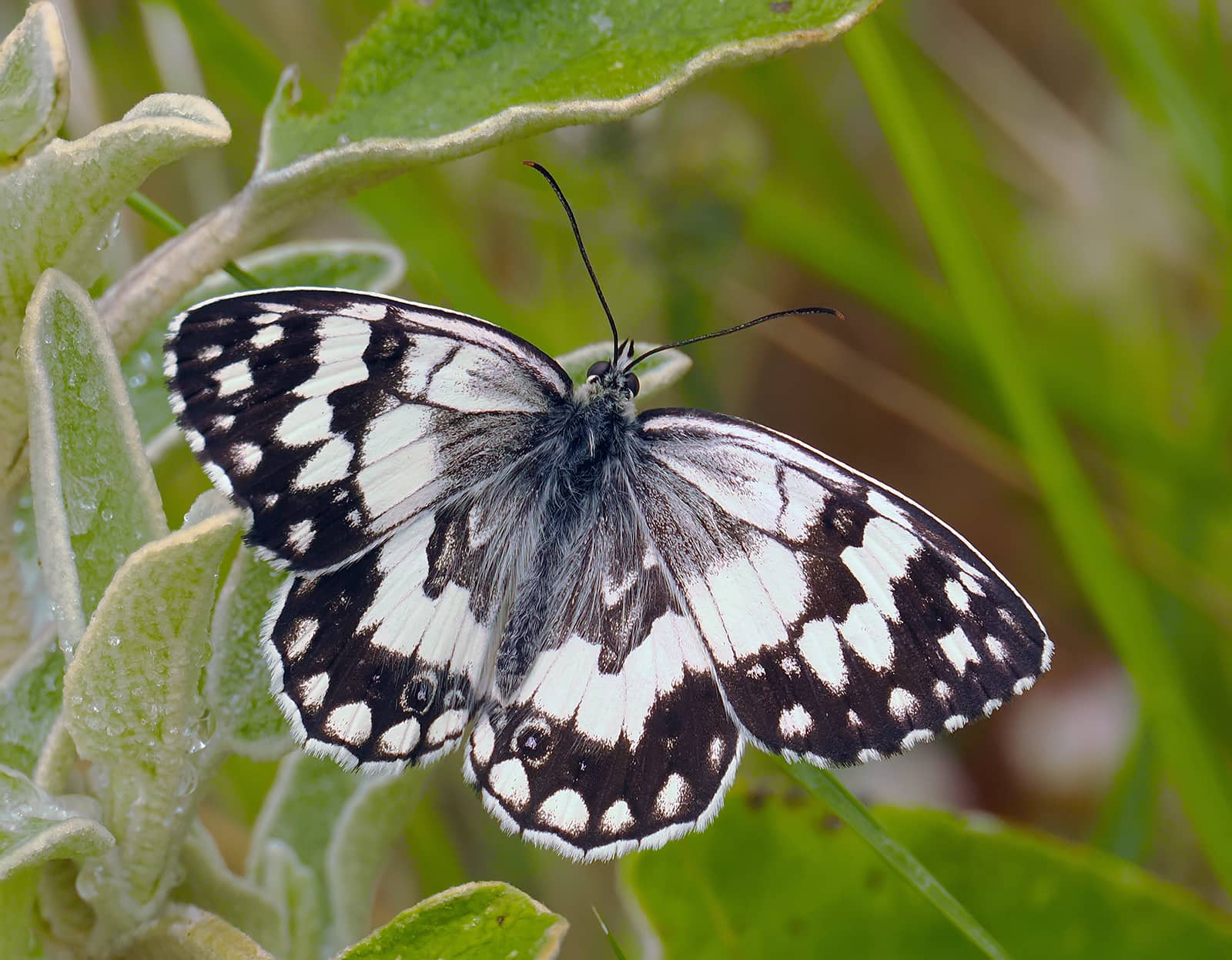
- Balkan Marbled White (Melanargia larissa)
-

- Greenwings in a Gorge

-

- Lattice Brown (Kirinia roxelana)

-

- Grecian Copper Female (Lycaena ottomanus)

-

- Cleopatra (Gonepteryx cleopatra)

-

- Corinth Canal

-

- Dark Green Fritillary (Speyeria aglaja)

-

- Persian Skipper (Spialia phlomidis)

-

- Idas Blue (Plebejus idas)

-

- Black-veined White (Aporia crataegi)

-

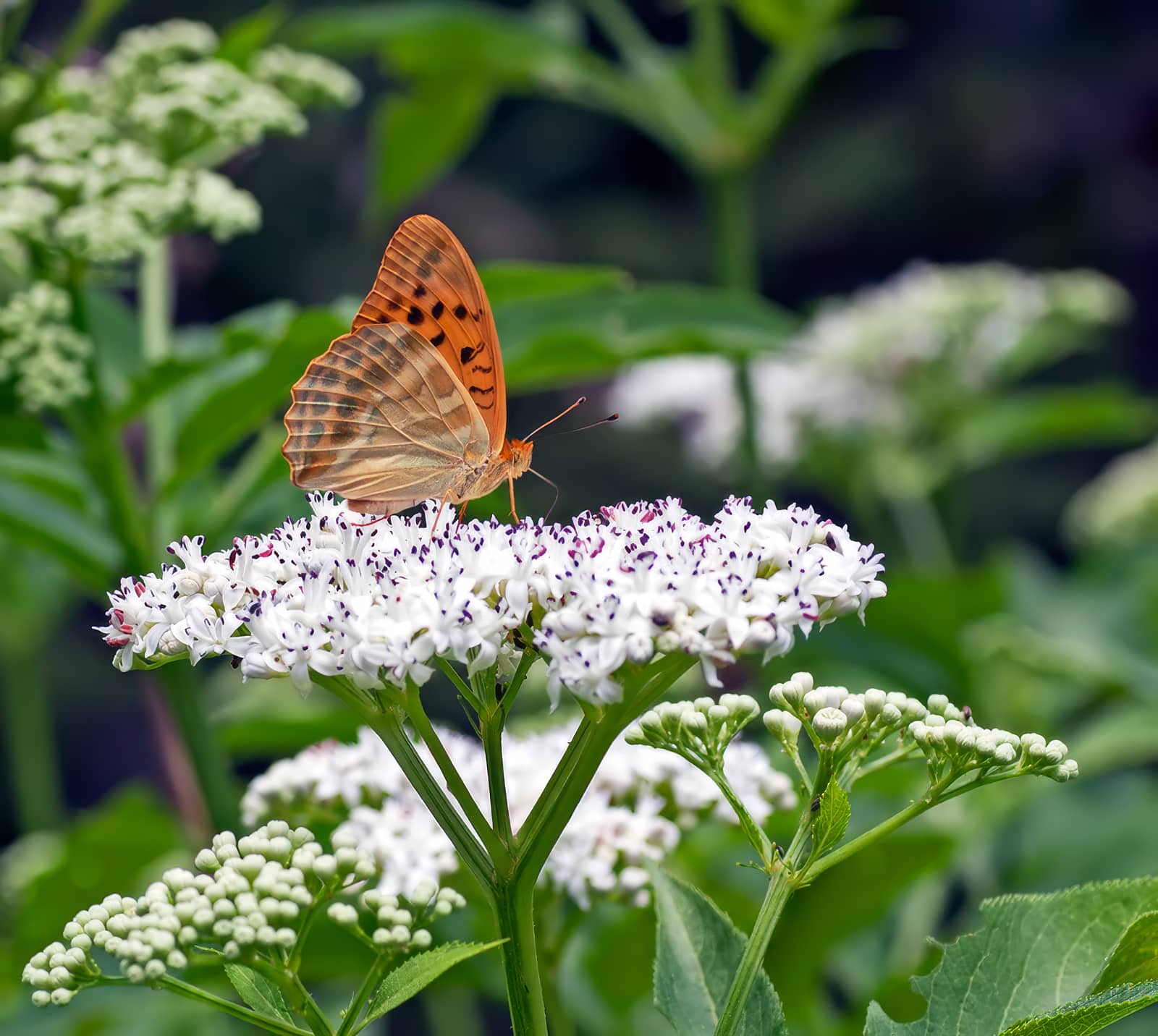
- Cardinal (Argynnis pandora)
-

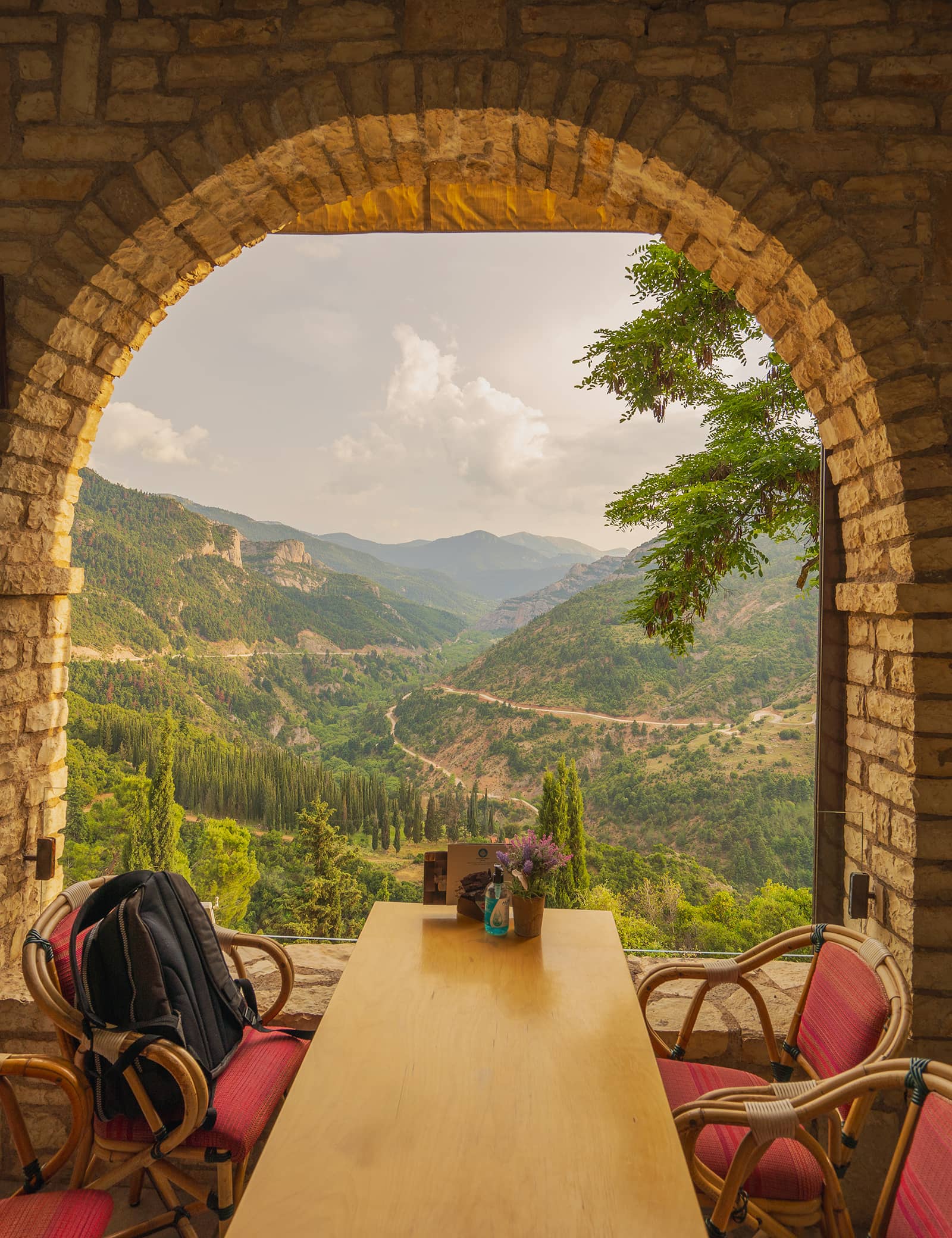
- Lunch with a view
-

- Southern Swallowtail (Papilio alexanor)

-

- Turquoise Blue (Polyommatus dorylas)

-

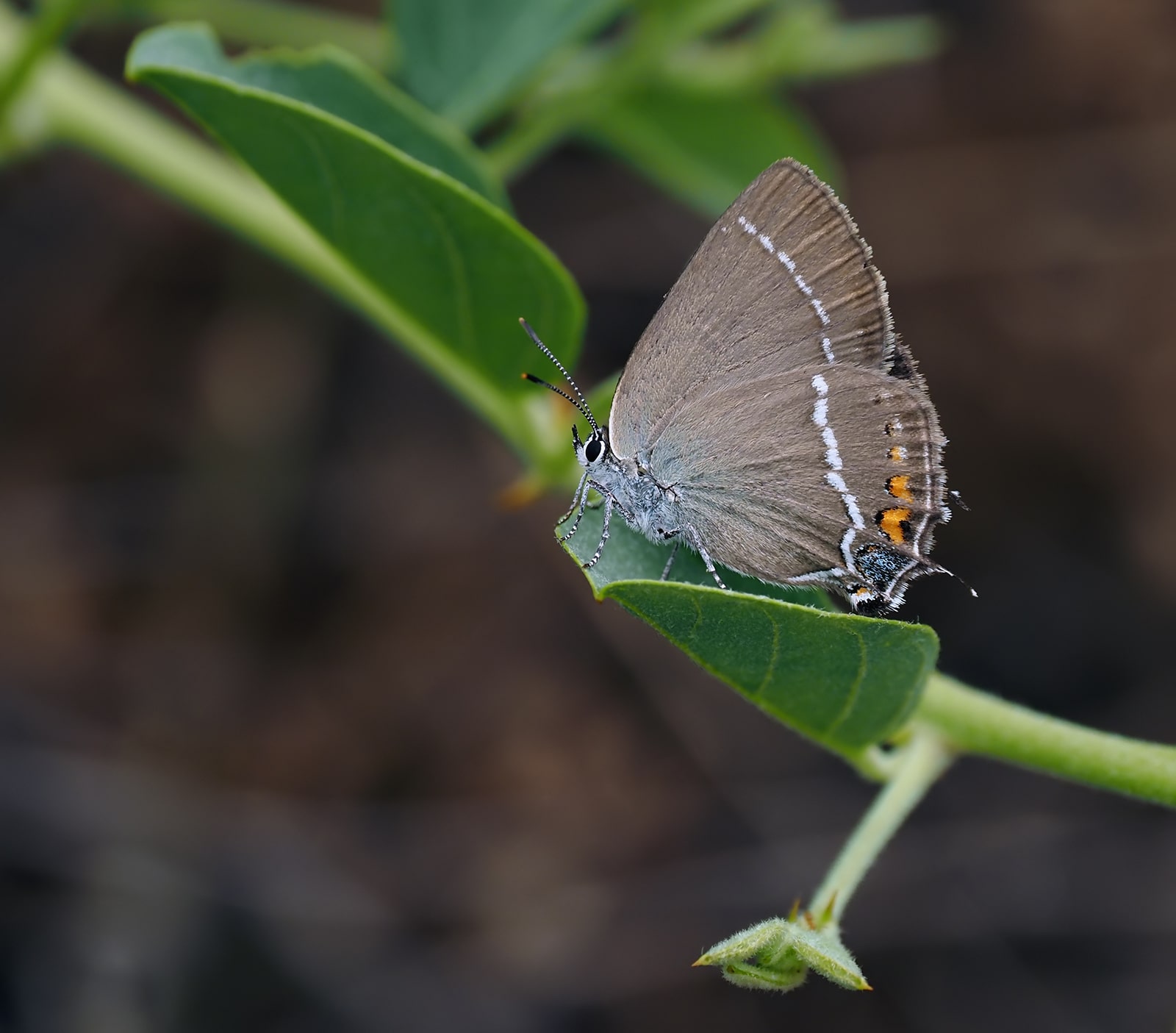
- Blue-spot Hairstreak (Satyrium spini)
-

- Scarce Swallowtail (Iphiclides podalirius)

-

- Odd-spot Blue (Turanana endymion)

-

- Black-eared Wheatear

-

- Greek Clouded Yellow (Colias aurorina)

-

- Heath Fritillary (Melitaea athalia)

-

- Grecian Anomalous Blue (Polyommatus aroaniensis)

-

- Pontic Blue (Neolysandra coelestina)

-

- Southern White Admiral (Limenitis reducta)

-

- Spotted Fritillary (Melitea

-

- Spotted Fritillary (Melitaea didyma)

-

- Blue Rock Thrush (Monticola solitarius)

-

- Peloponnese Wall Lizard (Podarcis peloponnesiacus)

-
- Ripart’s Anomalous Blue (Polyommatus ripartii)

-

- Sooty Copper (Lycaena tityrus)

-

- Hermann’s Tortoise (Testudo hermanni)

-

- Western Rock Nuthatch (Sitta neumayer)

2024 “The butterflies of Greece tour was a trip of a lifetime. So many species to see and in amazing settings. Didn’t want the week to end!” Graeme D
2023 “The guides were fantastic and the making of the trip. The season was very unusual, everything was late and therefore a big effort was made to enable us see things on the list and the itinerary flexed accordingly.” Dee C
2022 “For extremely knowledgeable guides and top locations you should look no further than Greenwings for your next wildlife viewing holiday. I can thoroughly recommend them.” Martin P
“Great at finding the butterflies – 5 lifers in 1 day!. Many thanks for a super looking trip report!” Ken B
“Great fun, very focused, intent on helping and pleasing clients. The holiday was very educational, helpful with photography and a good choice of interesting locations. Loved the holiday report!!” Tom & Chris
“Excellent leaders, knowledgable, friendly and helpful. The holiday was very well organised and visits were to a very nice range of good, interesting sites. It was a most enjoyable holiday with a very friendly group. We visited wonderful places and each day was very full but never too tiring. The visits were never rushed, with plenty of time to admire the scenery and take photos. We thought the trip report was absolutely excellent and a super reminder of a wonderful holiday!” Lynn & Tim
Butterflies of Greece Holiday Report 2024
Butterflies of Greece Holiday Report 2023
Butterflies of Greece Holiday Report 2022
Reports from 2013 – 2019 available on request