


Dates & Prices |
BOOK NOW |
Dates: 21st – 27th May 2027
Price: £1,595 places available
Single Room Supplement: £95
Deposit: £150 per person
Price Includes: All meals, accommodation with private facilities, ground transport, services of guides & holiday report
Not Included: Flights, travel insurance, entry to archaeological sites, drinks & any other personal items.
Conservation Donation: Botanical Society of Britain & Ireland (BSBI)
Leader: Sotiris Alexiou & Marinos Gogolos
Group Size: Minimum of 5 and a maximum of 10 guests plus 2 leaders
Grade: Gentle paced walks in a variety of terrains.
Holiday Highlights
- A new & unique late spring itinerary, covering some less explored areas of Crete for a rich diversity of flora
- Gentle paced walks in dramatic & beautiful scenery
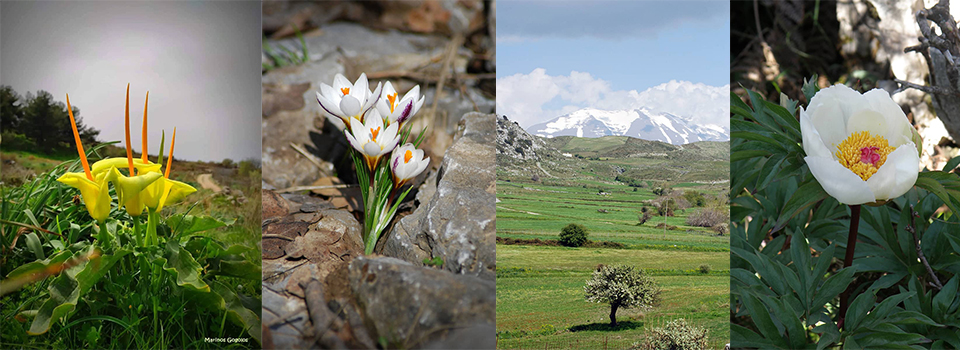
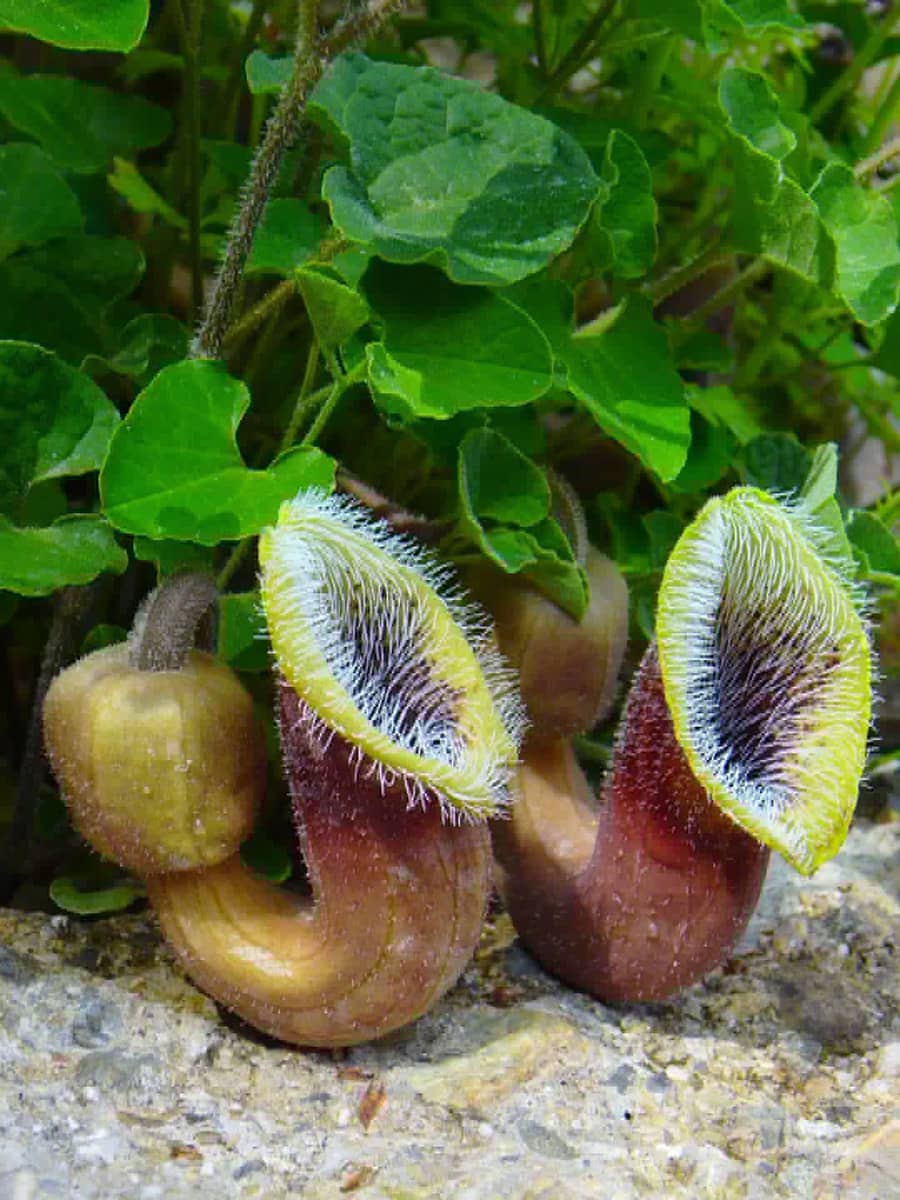
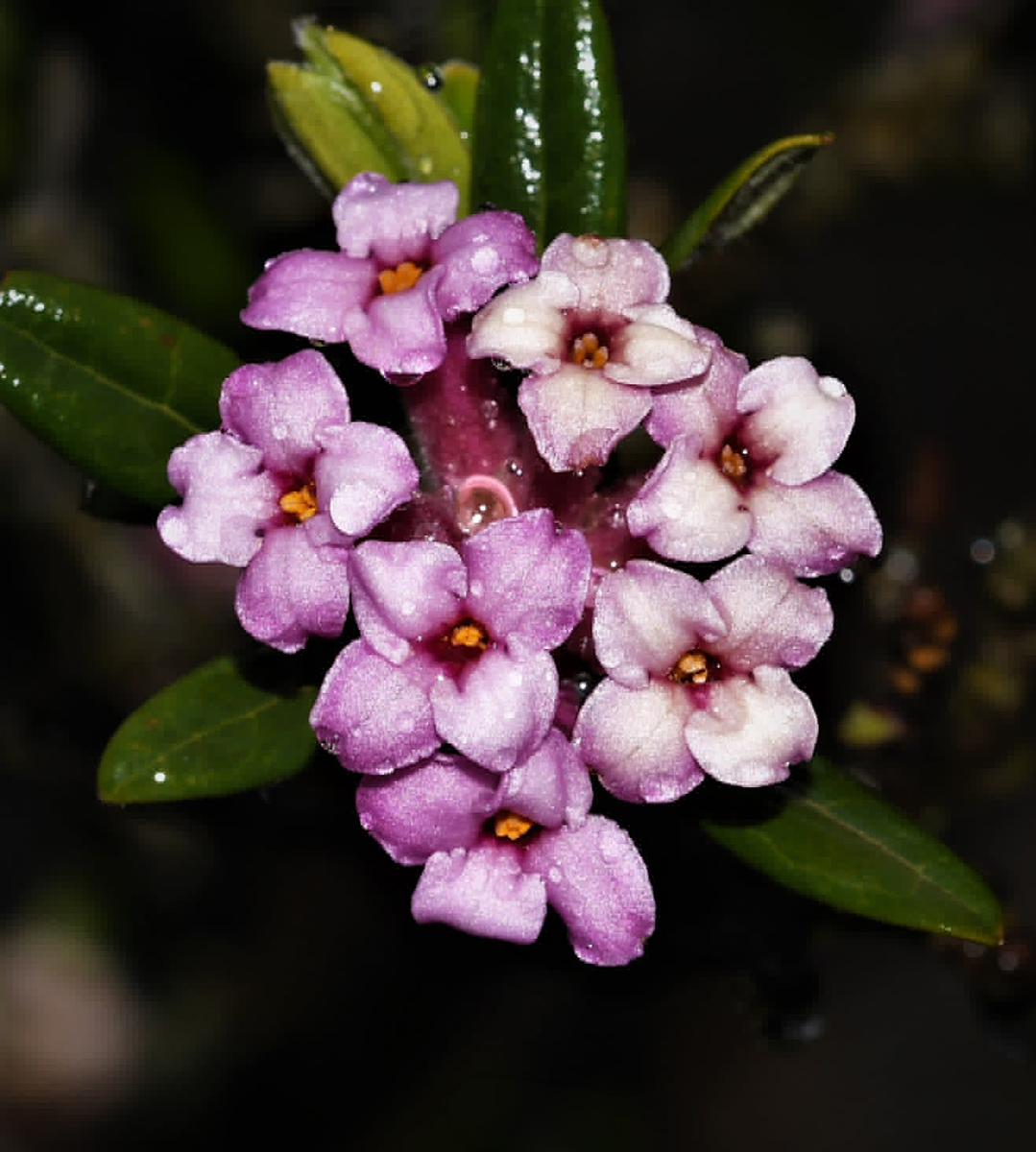
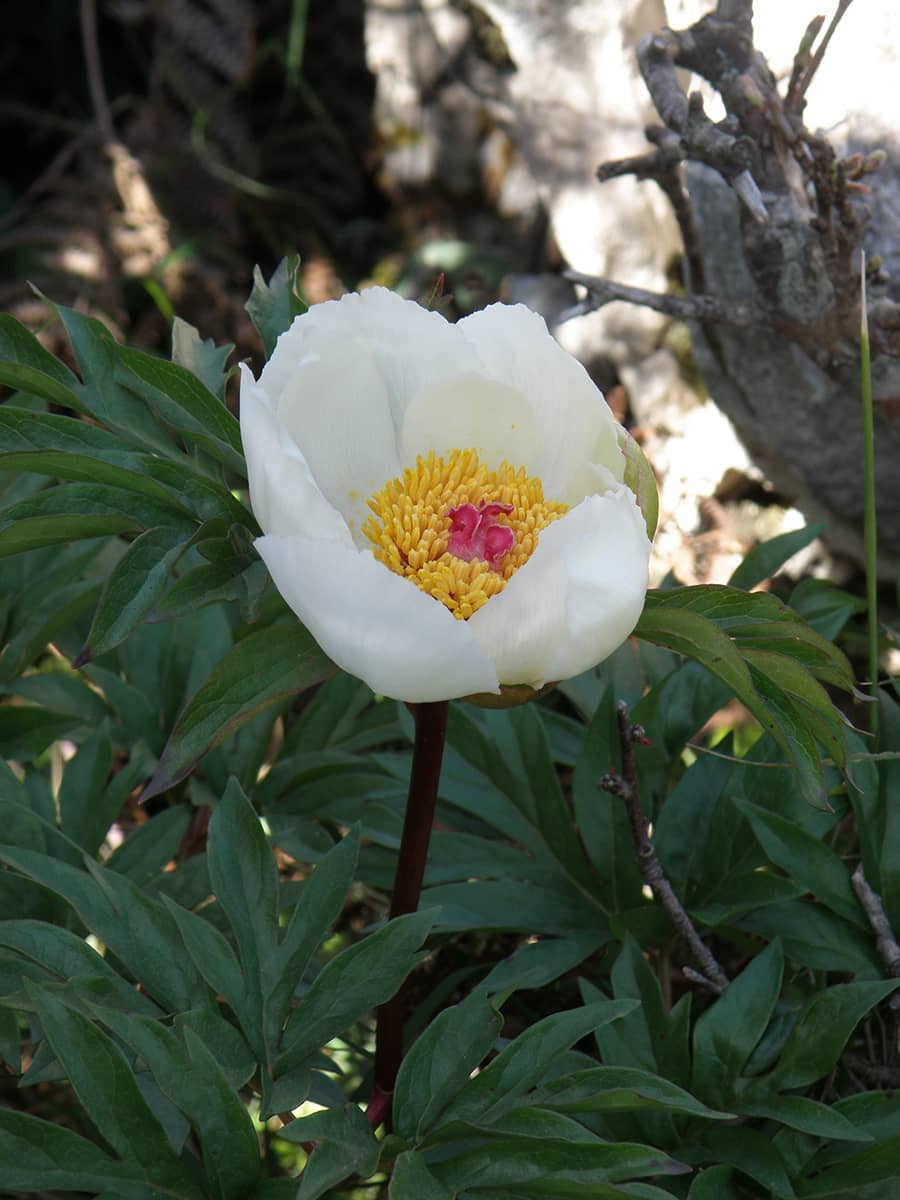
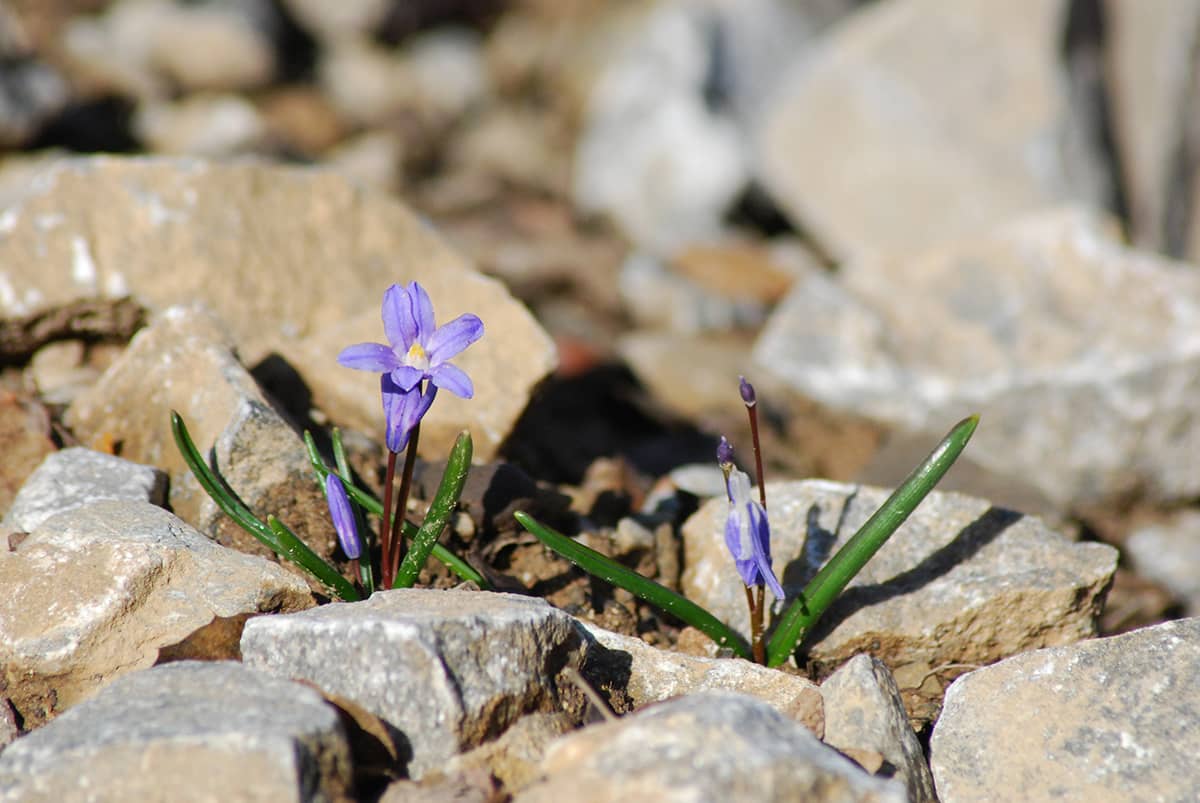
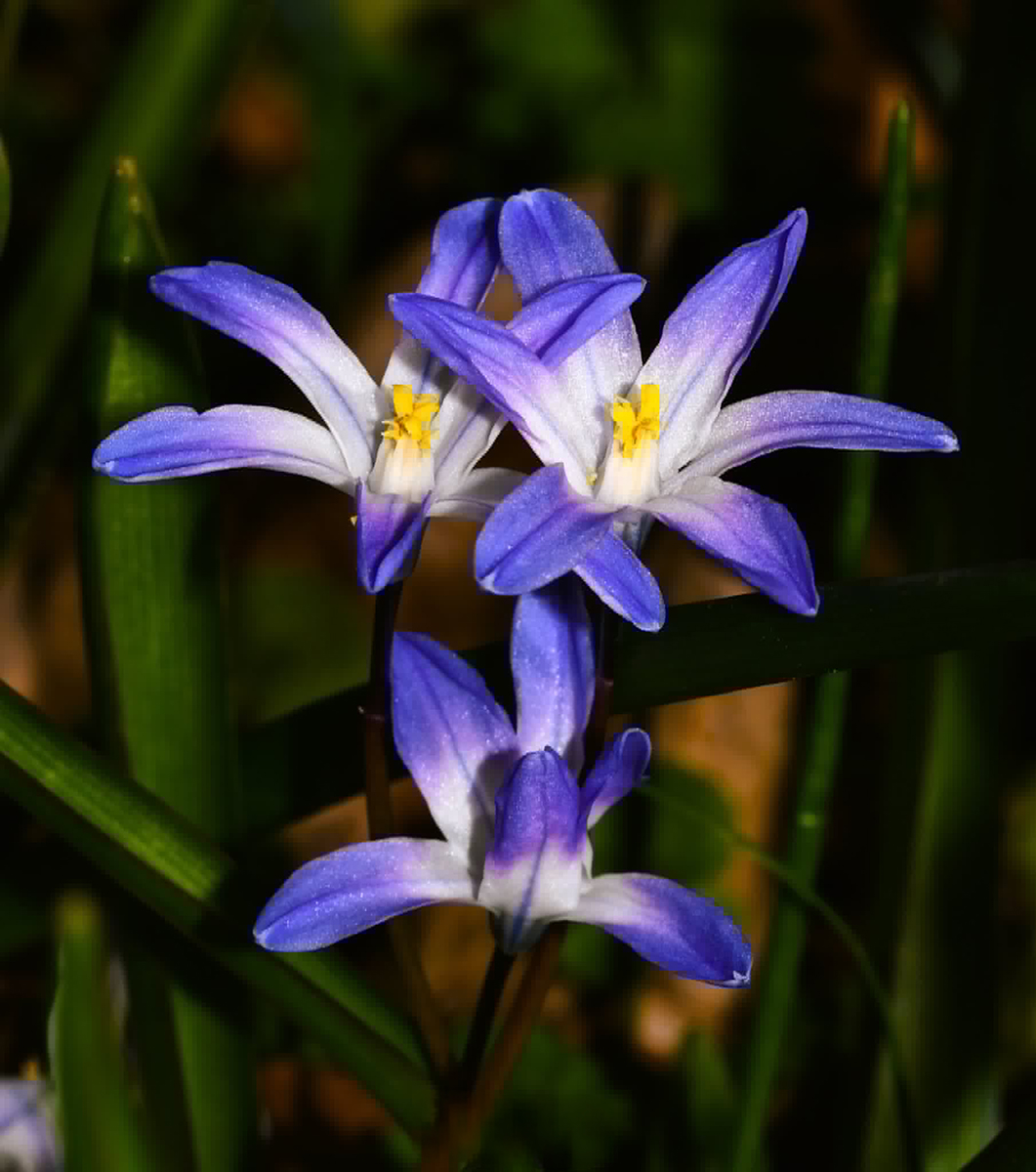
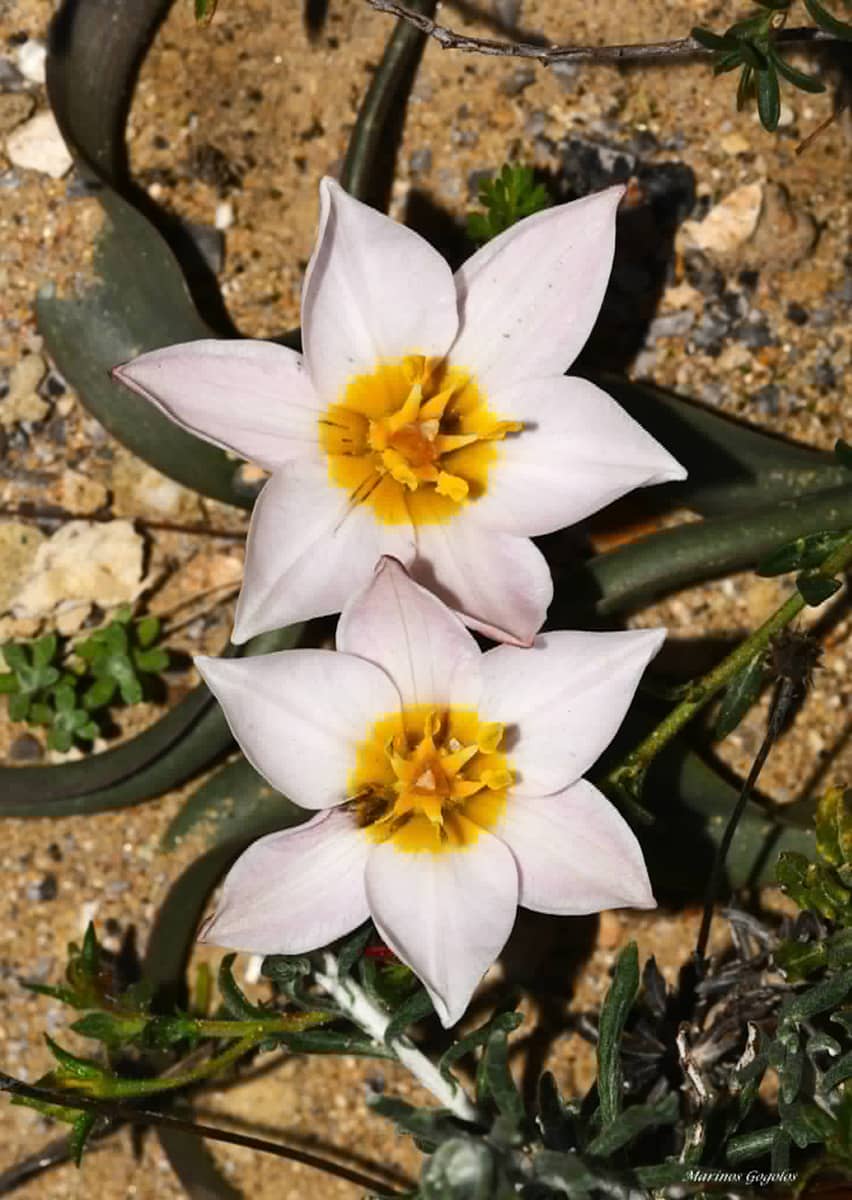
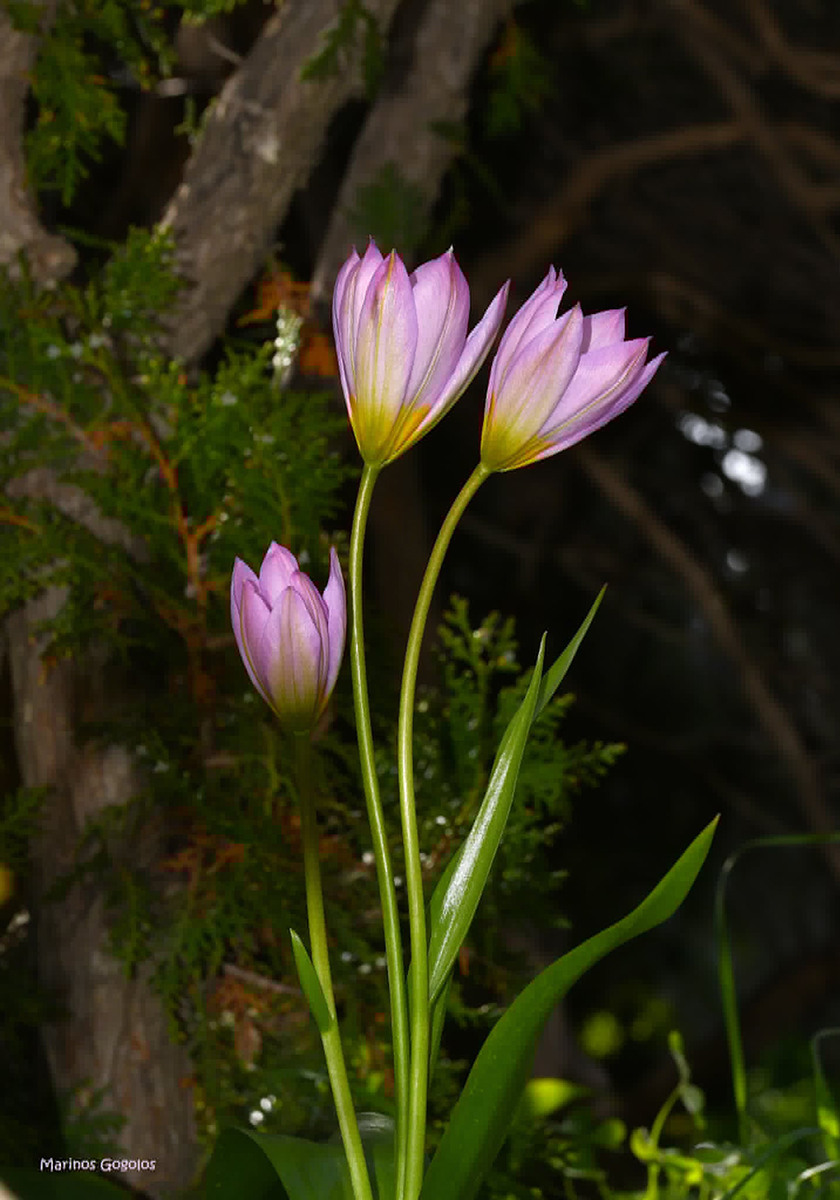
- Flora highlights include Arum creticum, Tulipa saxatilis, Cyclamen creticum, Dianthus juniperinus, Crocus sieberi, Tulipa cretica, Scilla nana, Epipactis cretica, Campanula tubulosa, Campanula aizoon, Anthemis ammanthus, Campanula hierapetrae, Campanula creutzburgii, Campanula pelviformis, Muscari spreitzenhoferi, Aristolochia cretica, Paeonia cretica, Daphne sericea, Tulipa bakeri.
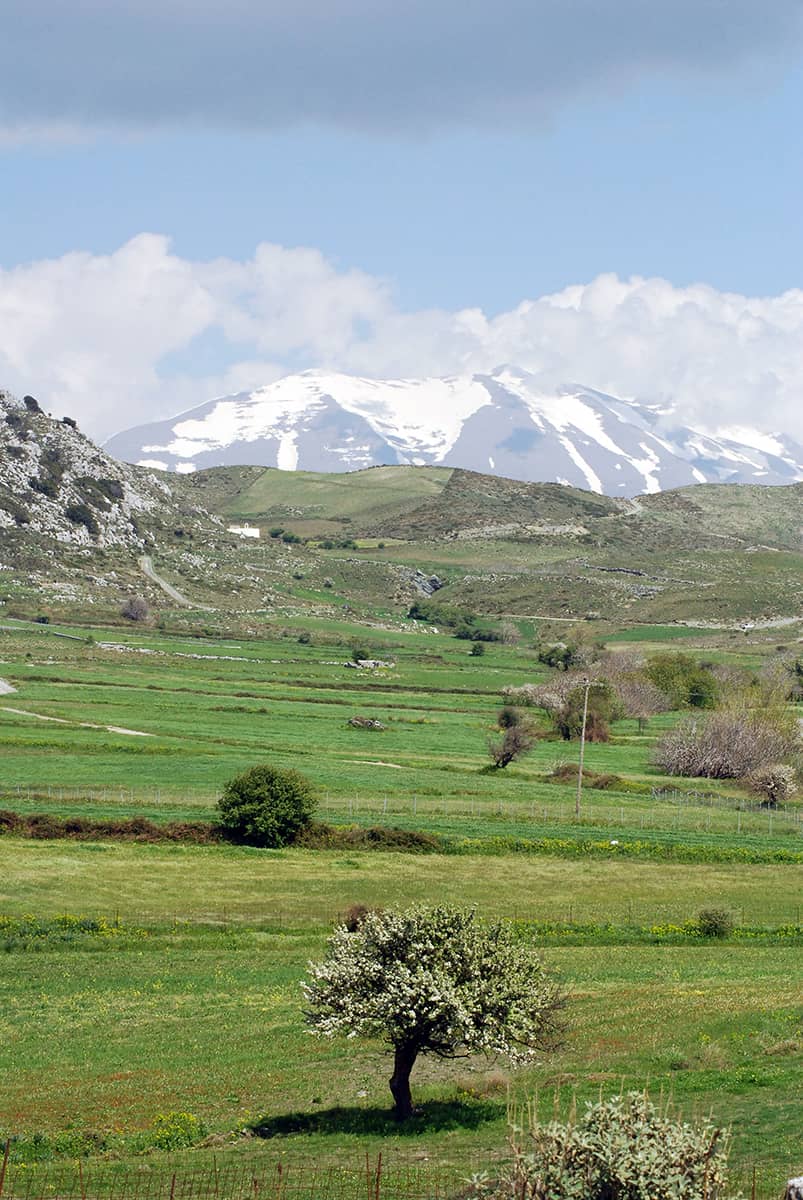
- Explore numerous & varied locations such as the White Mountains, Mount Psiloritis, Thripti and Dikti mountain ranges, various gorges, and interesting cultural towns of Rethymno & Agios Nikolaos
- Led by locals! Knowledgable, friendly, & experienced guide Sotiris Alexiou with Marinos Gogolos
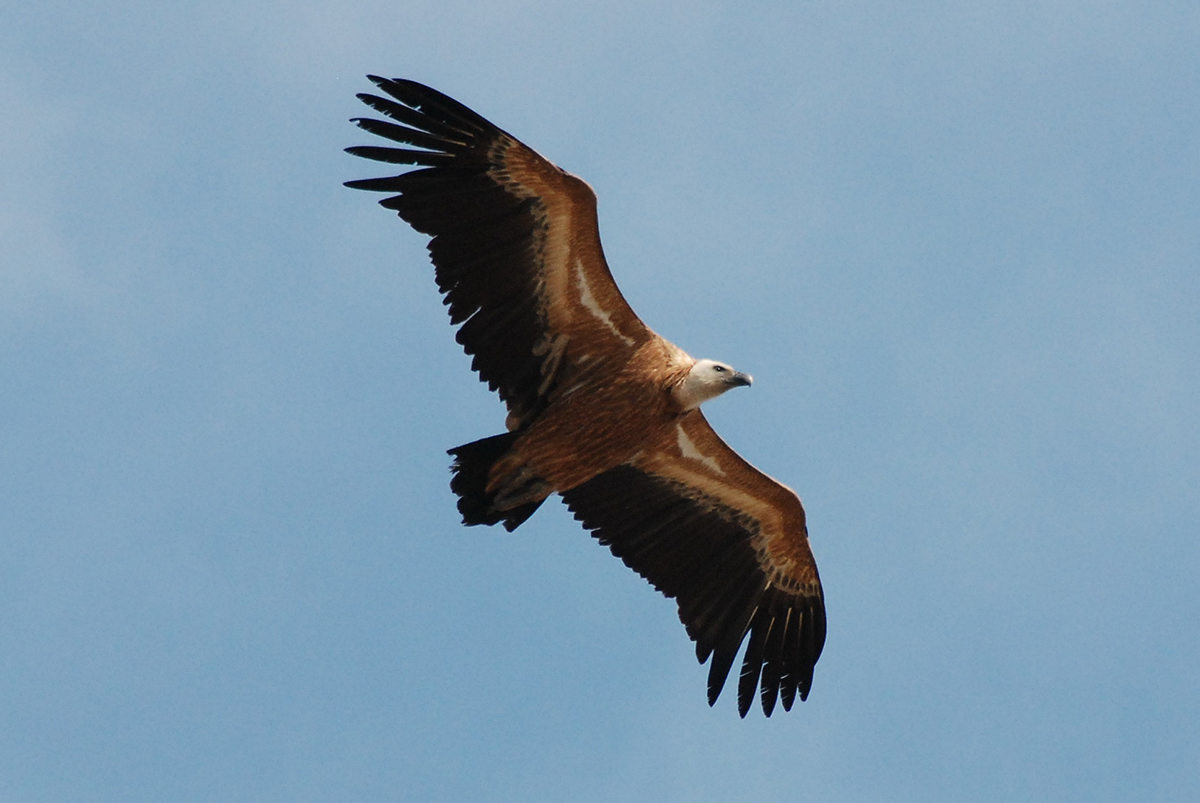
- Chance of some interesting birds, including Griffon Vulture, Red-billed Chough, Golden Eagle, Bonelli’s Eagle, and Lammergeier
- Several good butterflies possible too, including endemic Cretan Grayling, Cretan Argus, Cretan Festoon & Cretan Small Heath
Join us on the island of Crete for a unique late spring look at a plethora of fascinating and beautiful wildflowers!
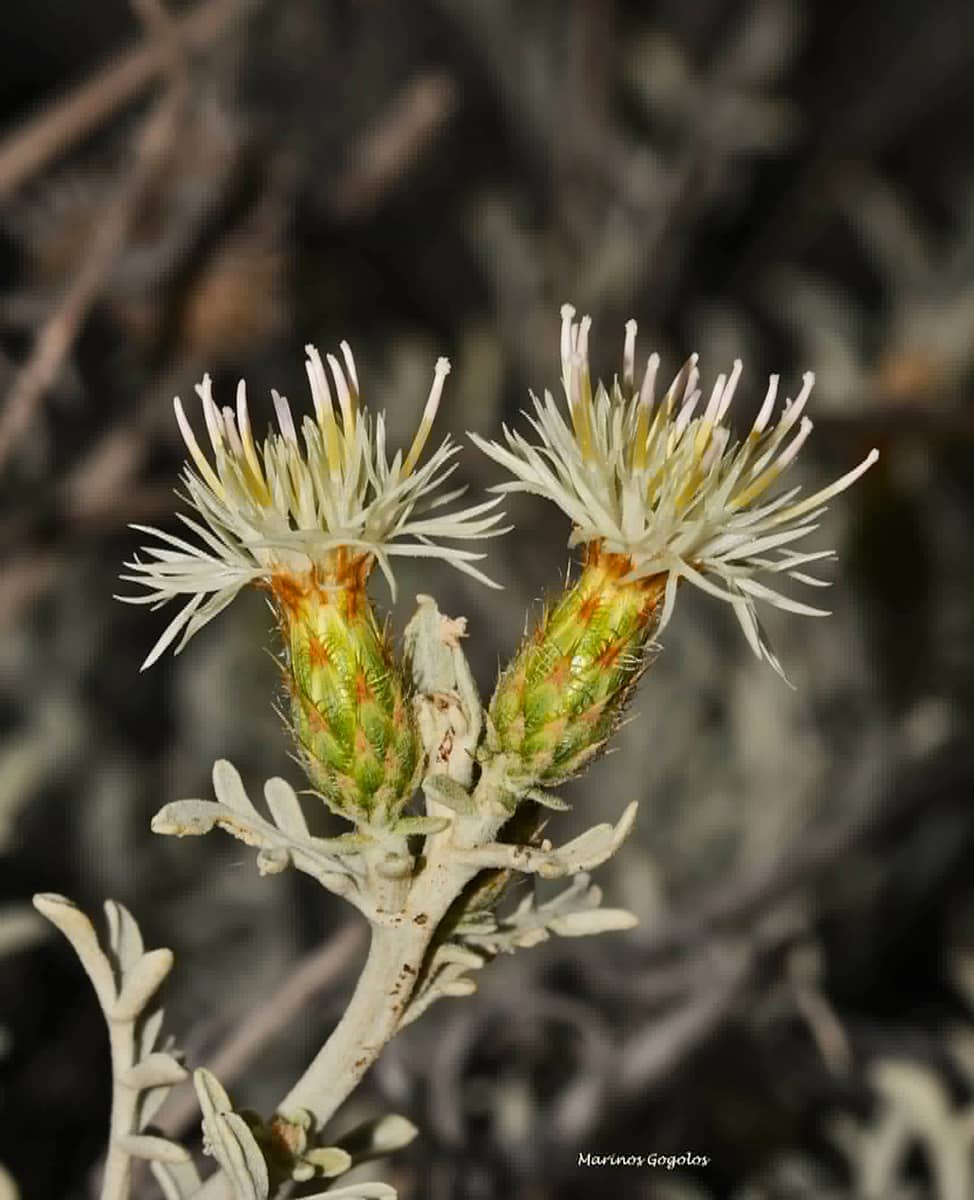
Join us on the island of Crete for a unique late spring journey to discover a plethora of fascinating and beautiful wildflowers! Crete is one of Greece’s most botanically diverse islands. Nestled within its rugged limestone mountains—some of the island’s most stunning landscapes—are rare and remarkable plant species waiting to be uncovered. Above 1,000 meters, Crete’s rocky slopes, screes, and karst terrain host specialized endemic plants found nowhere else on Earth. While many botanical tours visit earlier in April for peak orchid season, Crete’s high-country flora blooms later. May offers a delightful climate with warm sunshine, pleasant temperatures, and access to alpine species that are missed earlier in the year. Alongside the remarkable flora, May is a fantastic time for wildlife. We can expect to see a good variety of butterflies on the wing, including endemics like the Cretan Festoon (Zerynthia cretica), Cretan Small Heath (Coenonympha thyrsis), Cretan Grayling (Hipparchia cretica) and depending on flight season the Cretan Argus (Kretania psylorita). Looking to the skies, we may also spot impressive raptors and mountain birds, including Griffon Vultures, Lammergeiers, Bonelli’s Eagles, Golden Eagles, and Red-billed Choughs. Part 1: Rethymno & The Western Ranges (4 Nights) Our adventure begins in Rethymno, a remarkably preserved medieval city on Crete’s northern coast between Chania and Heraklion. Situated between Mount Psiloritis and the sea, Rethymno seamlessly blends a charming, atmospheric old town with a lively, café-lined beachfront. At its heart, a Venetian harbor with an iconic Egyptian lighthouse sits beneath the historic Fortezza fortress overlooking the Aegean. From this base, we will explore the White Mountains, Imbros Gorge, and Crete’s highest peak, Mount Psiloritis. Botanical Highlights of the West: Arum creticum, Tulipa saxatilis, Cyclamen creticum, Dianthus juniperinus, Crocus sieberi, Tulipa cretica, Scilla nana, Epipactis cretica, Campanula tubulosa, Campanula aizoon, and many more. Part 2: Agios Nikolaos & The Eastern Peaks (2 Nights) For our final two nights, we head east to Agios Nikolaos on Mirabello Bay. Built around the famous Lake Voulismeni—a deep, dramatic lagoon linked to the sea by an 1870 canal—the town is steeped in local folklore claiming the lake is bottomless. Surrounded by eastern Crete’s dramatic mountains and gorges, it is the perfect hub to experience exceptional local cuisine and warm Cretan hospitality. We will be exploring the nearby Thripti and Dikti mountain ranges, searching for a fantastic range of localized eastern flora. Botanical Highlights of the East: Anthemis ammanthus, Campanula hierapetrae, Campanula creutzburgii, Campanula pelviformis, Muscari spreitzenhoferi, Aristolochia cretica, Paeonia cretica, Daphne sericea, Tulipa bakeri, and Centaurea idaea. Join Us in Crete! Ready to witness the breathtaking spring flora and wild landscapes of high Crete? Book your spot on the holiday today!


Day 1. Arrival at Heraklion airport and transfer to our base at Rethymno, where we will stay for 4 nights.
Day 2. We drive to the famous White Mountains, heading to the Kallergi refuge. From there we will explore the surrounding peaks. Beautiful mountain endemics will be seen, like Anchusa caespitosa, Campanula aizoon, Centaurea baldaccii, Arum creticum, Cynoglossum sphacioticum, Dianthus sphacioticus, Lomelosia albocincta, Tulipa saxatilis, Nepeta sphaciotica, Lactuca alpestris, Iris unguicularis, Phlomis cretica, Cyclamen creticum, Origanum microphyllum and many more.
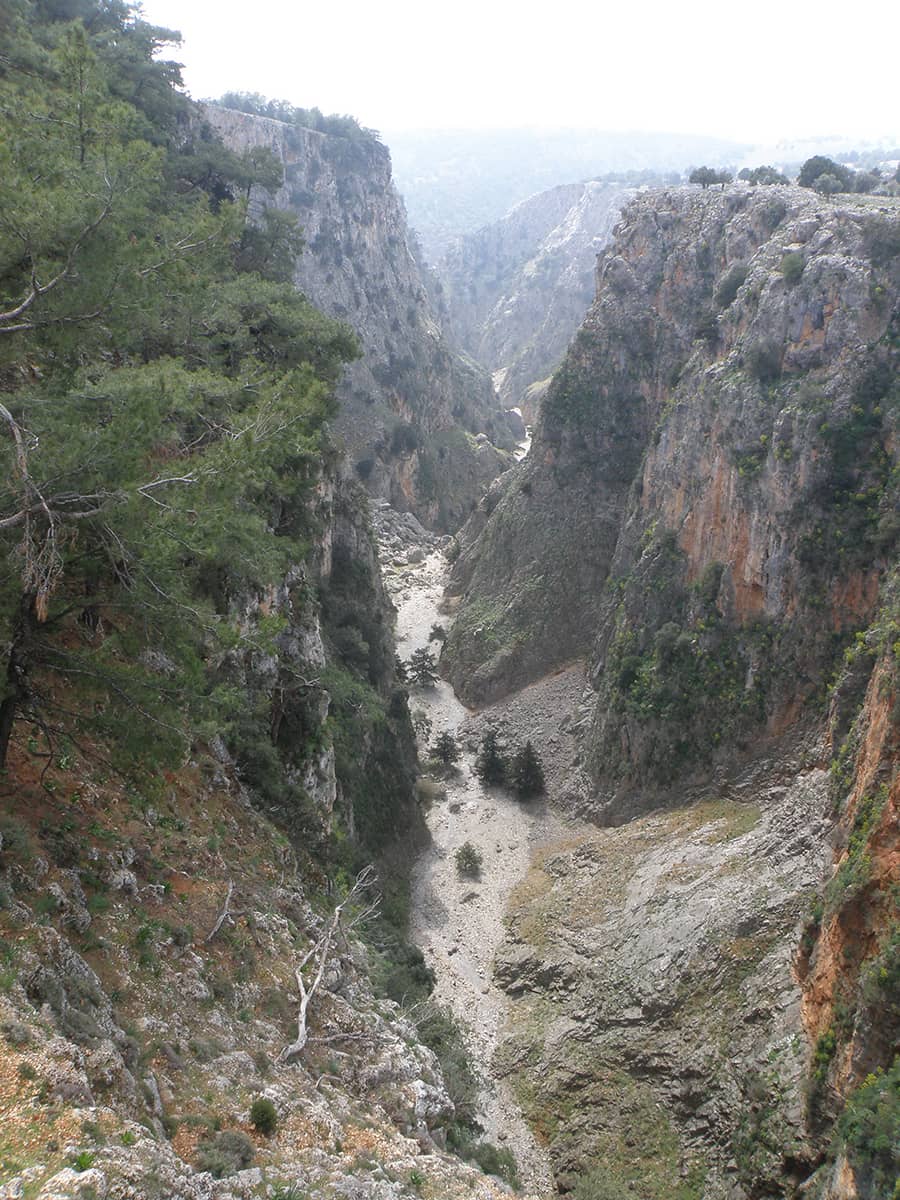
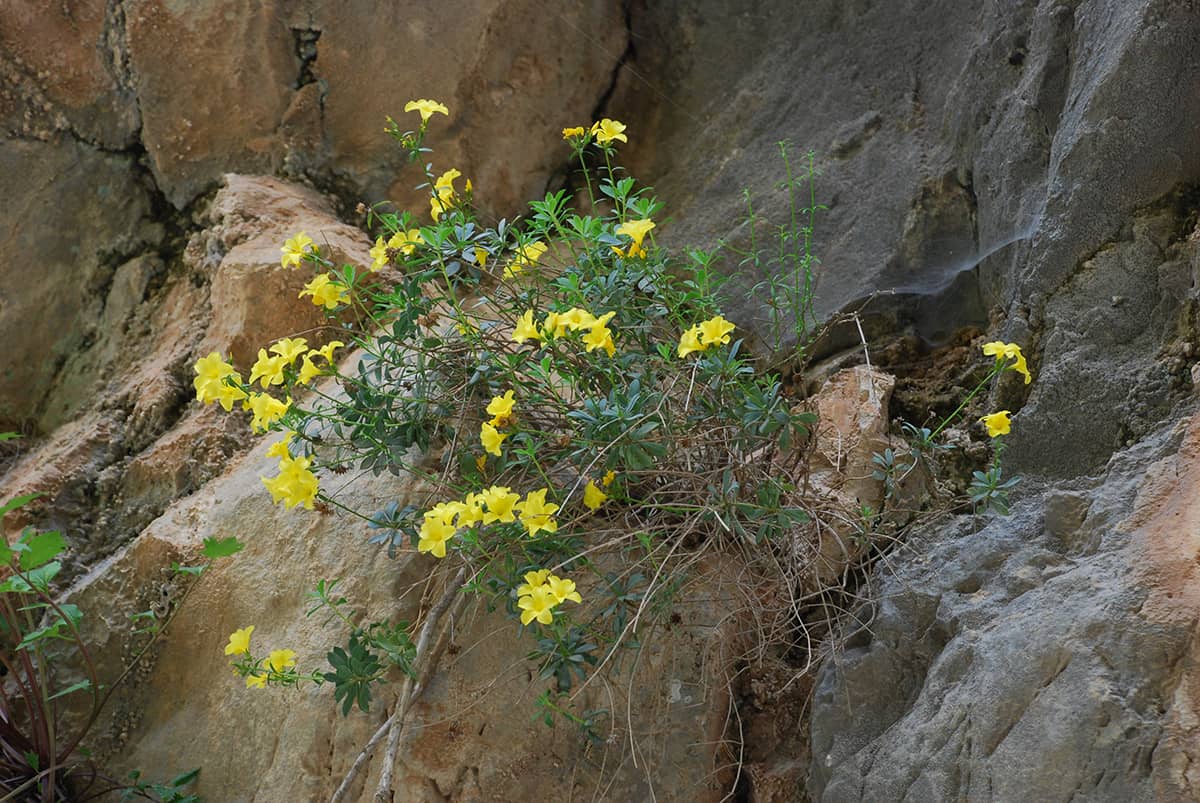
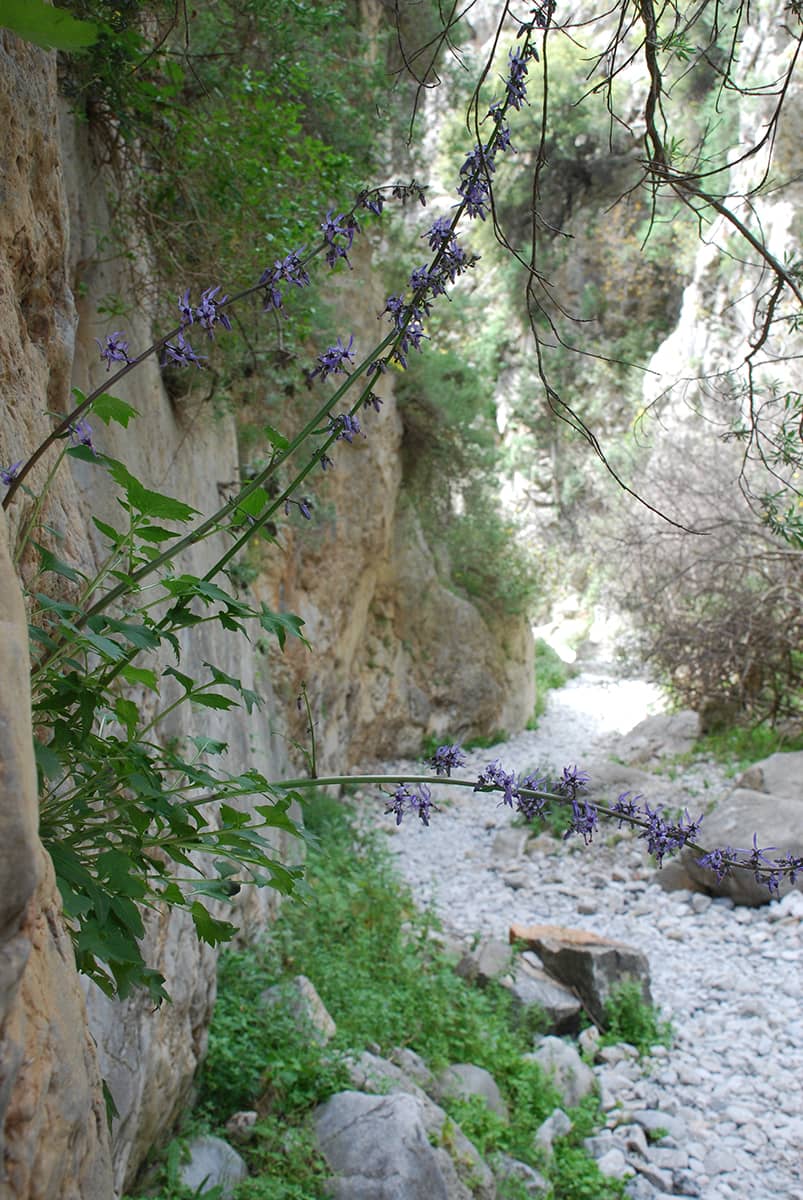
Day 3. The day is dedicated to crossing the Imbros gorge. Interesting plants to see include Dianthus juniperinus, Ebenus cretica, Ricotia cretica, Centaurea argentea, Onosma erecta, Linum arboreum, Scorzonera cretica, Solenopsis minuta, Scutellaria sieberi, and Verbascum macrurum.
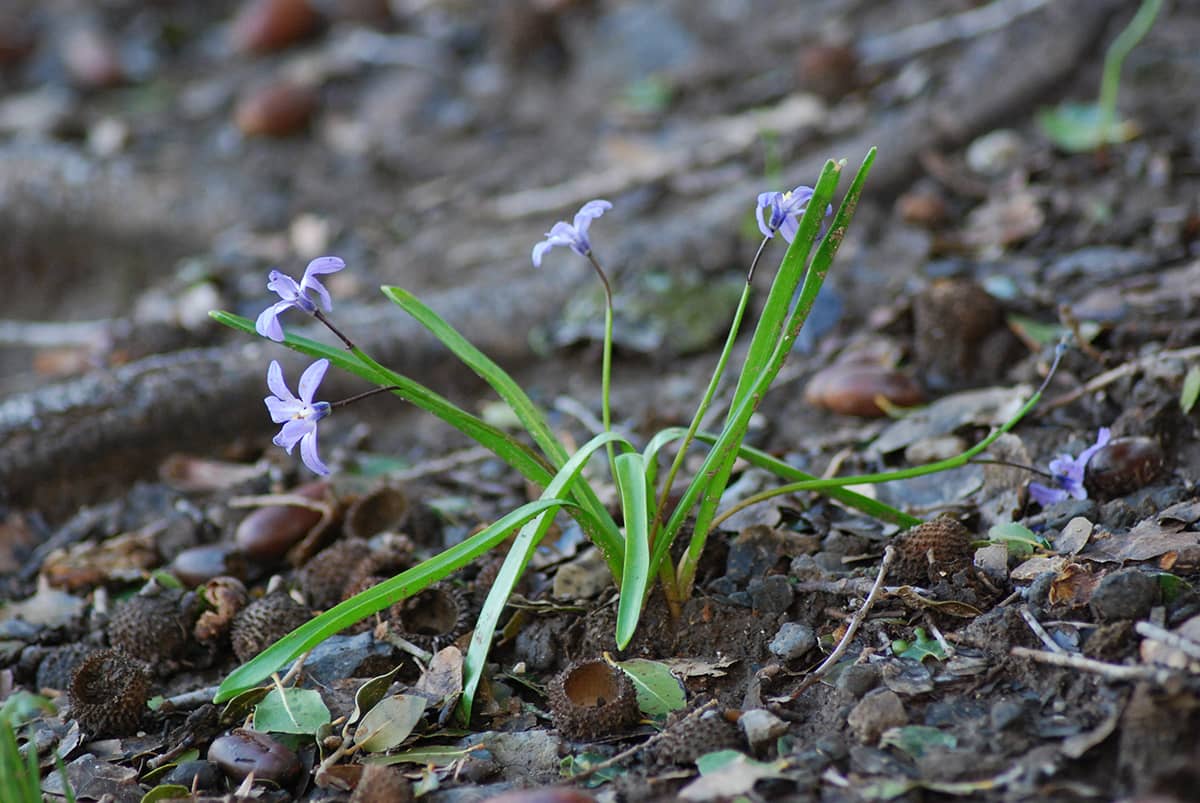
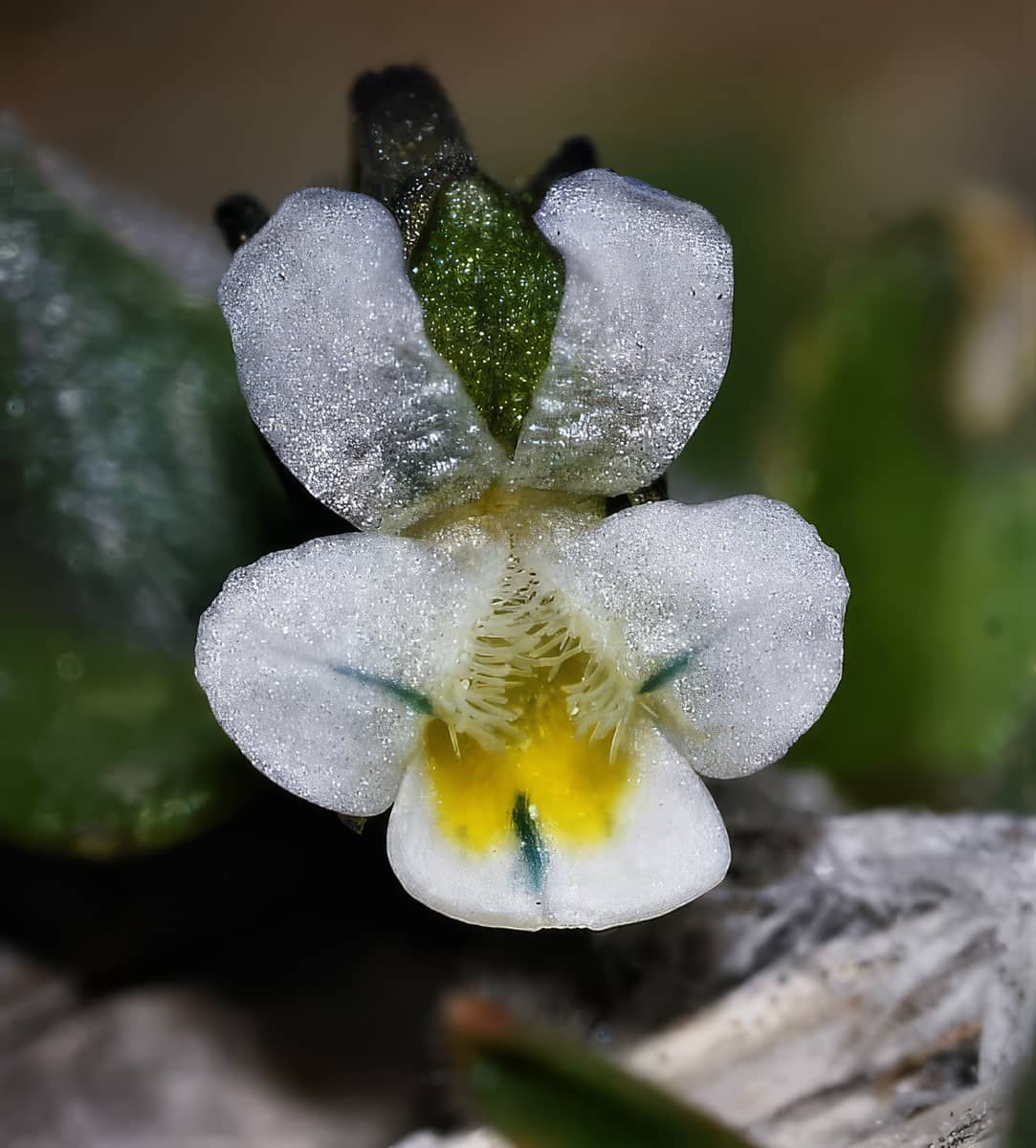
Day 4. Today we will drive to Psiloritis Mountain, up to Nida plateau and from there we will reach the higher peaks. We can expect to see Arum idaeum, Inula candida, Campanula tubulosa, Origanum dictamnus, Petromarula pinnata, Scilla nana, Epipactis cretica, Crocus sieberi, Tulipa cretica, Viola cretica, Viola rauliniana, Valeriana asarifolia, Zelkova abelicea and many more.
Day 5. Transfer day to Agios Nicolaos. Exploration of Mountain Thripti. Here we are aiming to see Anthemis ammanthus, A. tomentella, Campanula hierapetrae, Campanula creutzburgii, Campanula pelviformis, Muscari spreitzenhoferi, Phlomis lanata, Inula pseudolimonella, Stachys spinosa, Aristolochia cretica, Phoenix theophrasti and Centaurea aegialophila.
Day 6. Exploration of Dikti Mountain. Our main target species here are Paeonia cretica, Daphne sericea, Lomelosia minoana, L. sphaciotica, Sideritis syriaca, Tulipa bakeri, Viola fragrans, Bellis longofolia, Lutzia cretica, Tragopogon lasithicus, Anthemis abrotanifolia, and Centaurea idea.
Day 7. Transfer to Heraklion airport.









To follow
Reports to follow