

Dates & Prices |
BOOK HOLIDAY NOW |
Dates: 1st – 16th April 2026 Confirmed departure
Price: £3,195 3 places
Single Room Supplement: £300
Deposit: £350 per person
Price Includes: All meals, accommodation, ground transport & transfers, services of guides & holiday report
Not Included: Flights, travel insurance, entry to archaeological sites, drinks & any other personal items.
Conservation Donation: Botanical Society of Britain & Ireland (BSBI)
Leader: Sotiris Alexiou & Rachael Alexiou-Ayrton
Group Size & Travel: Minimum of 4 and a maximum of 12 guests plus 2 leaders
Grade: Gentle pace and generally easy walks in a variety of terrains
Holiday Highlights
- A new, extended 16 day tour of Rhodes & Crete for fantastic flowers, other wildlife, plus an amazing mix of history & culture!
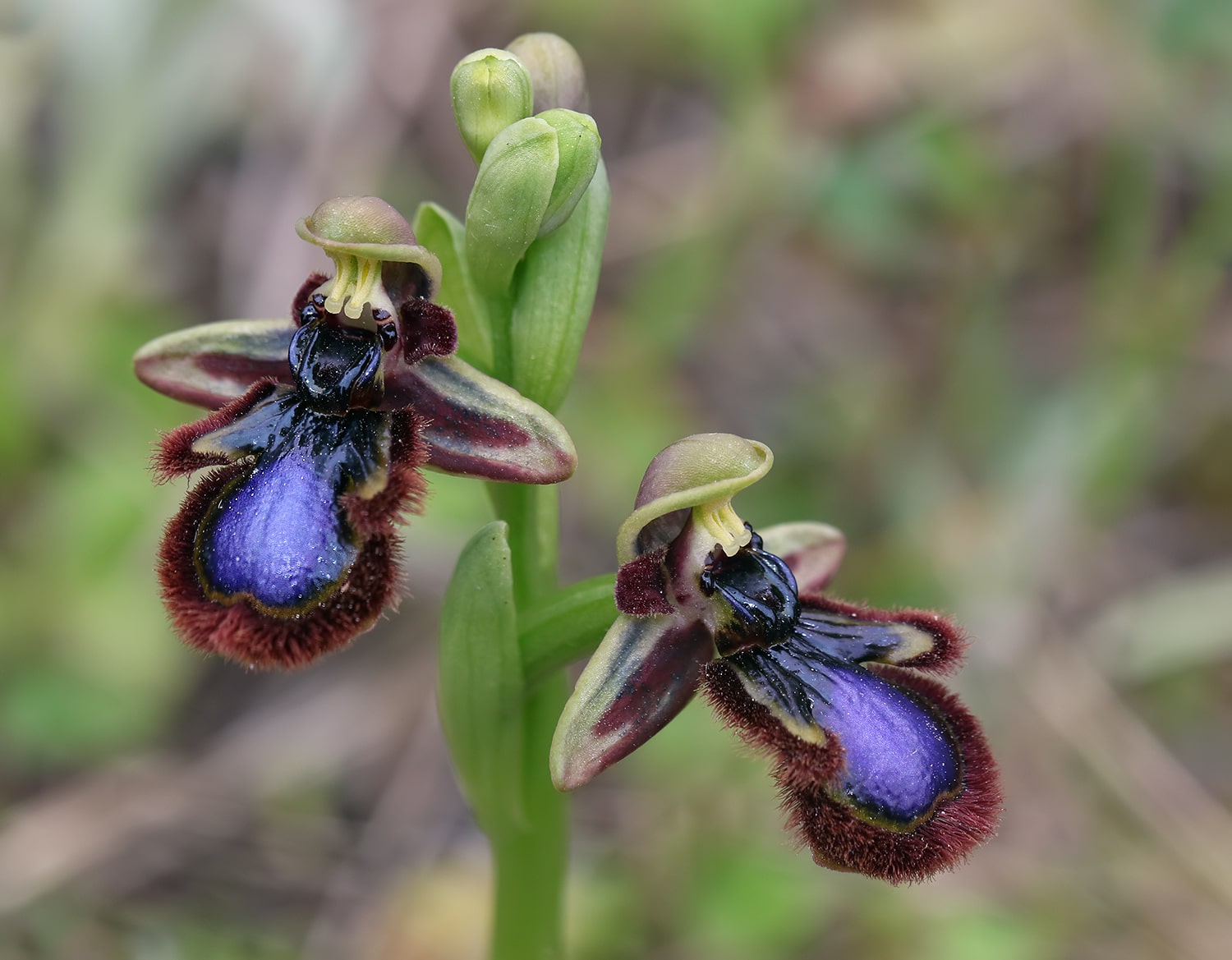
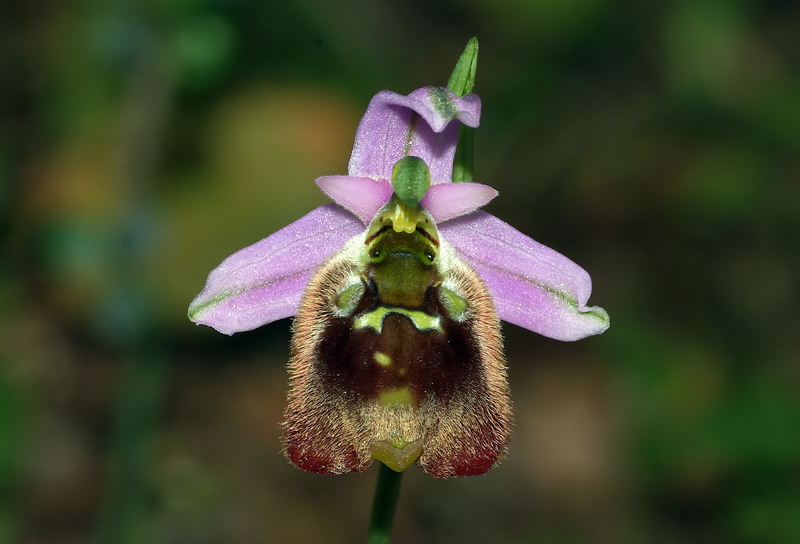
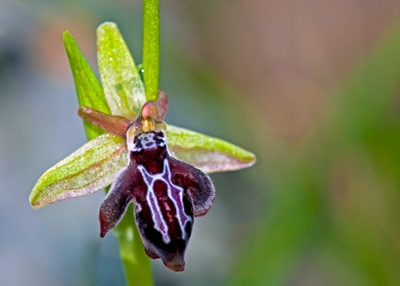
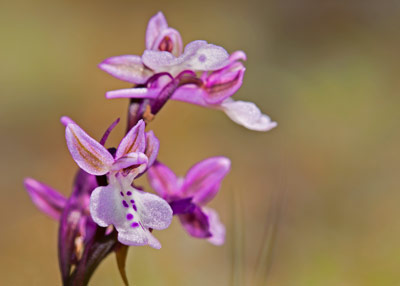
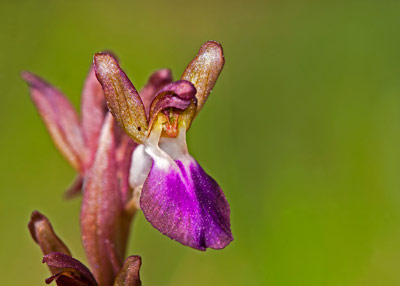
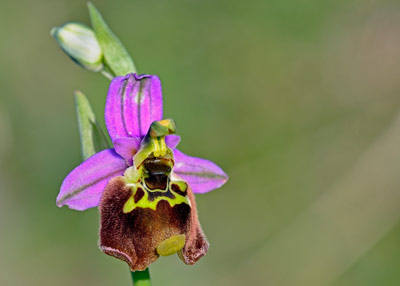
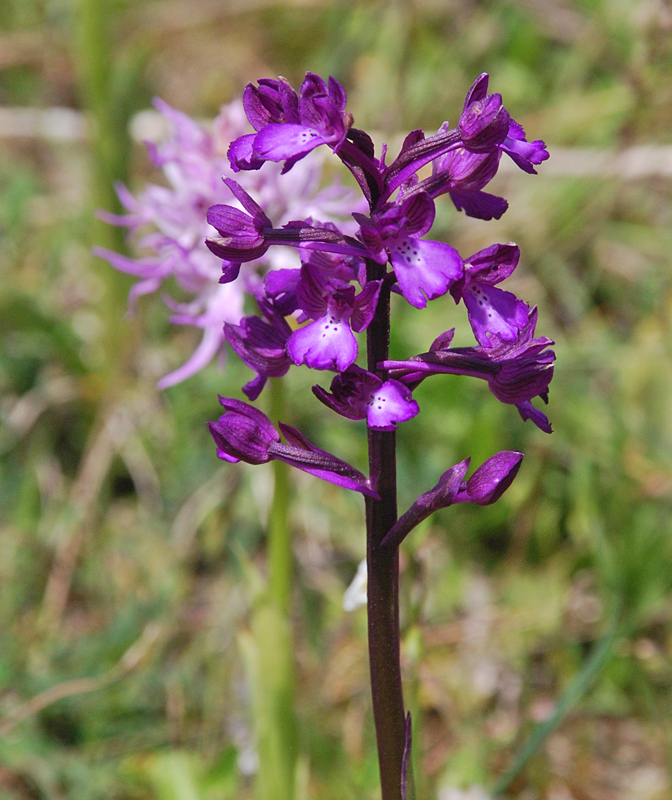
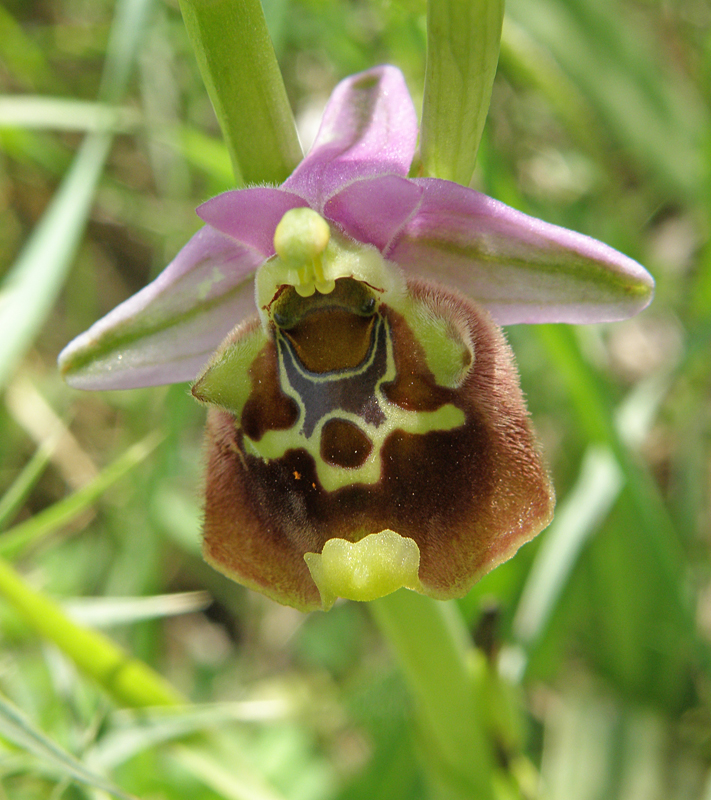
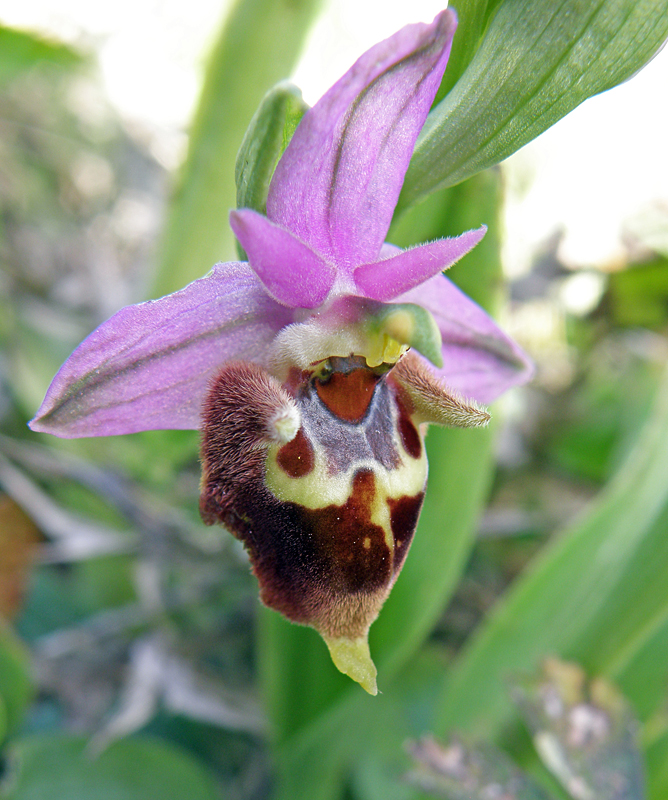
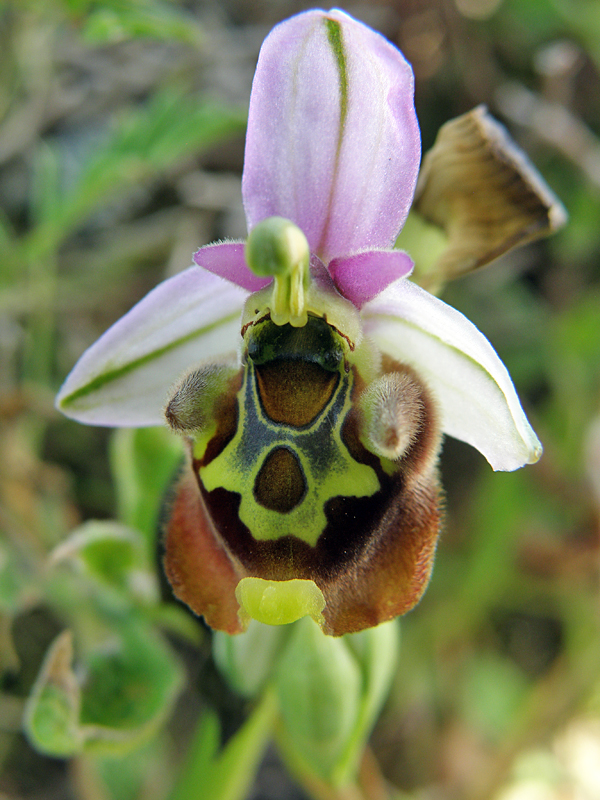
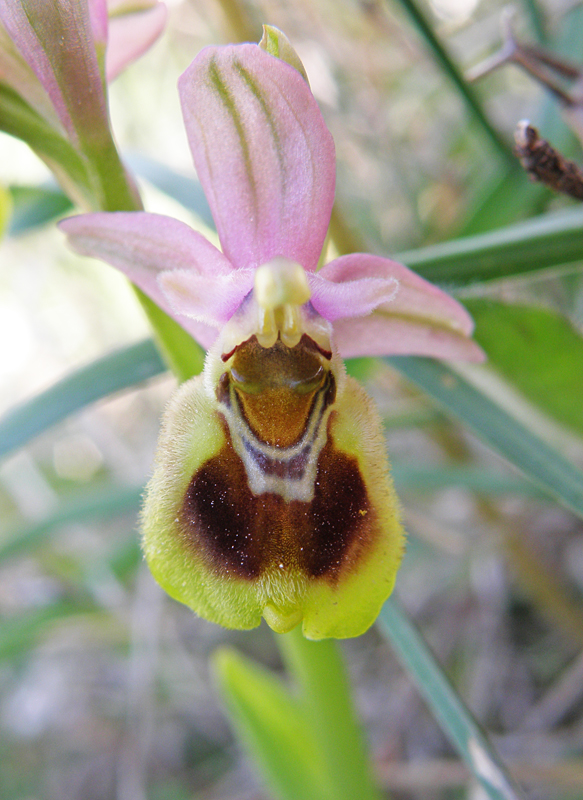
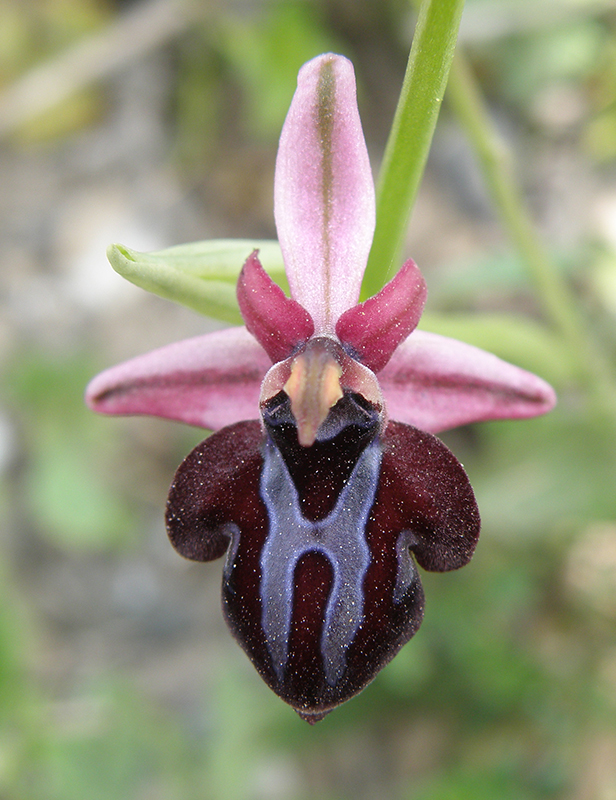
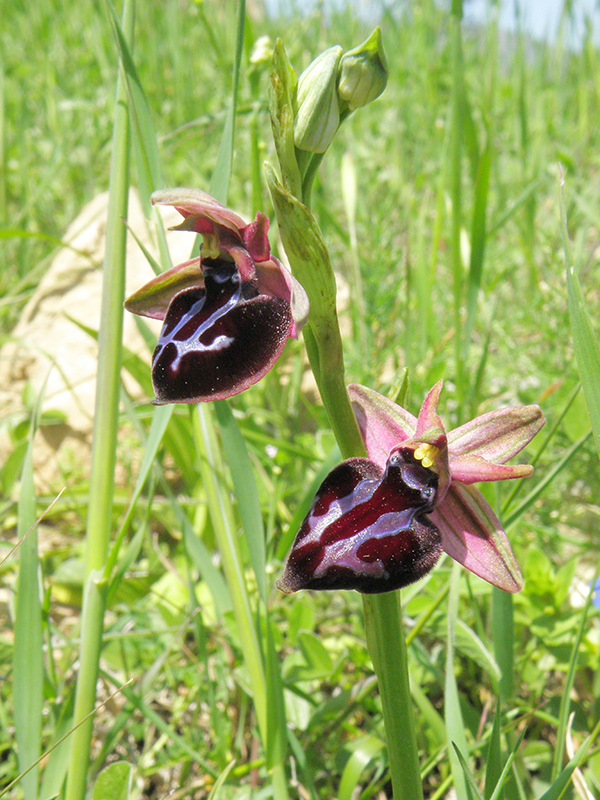
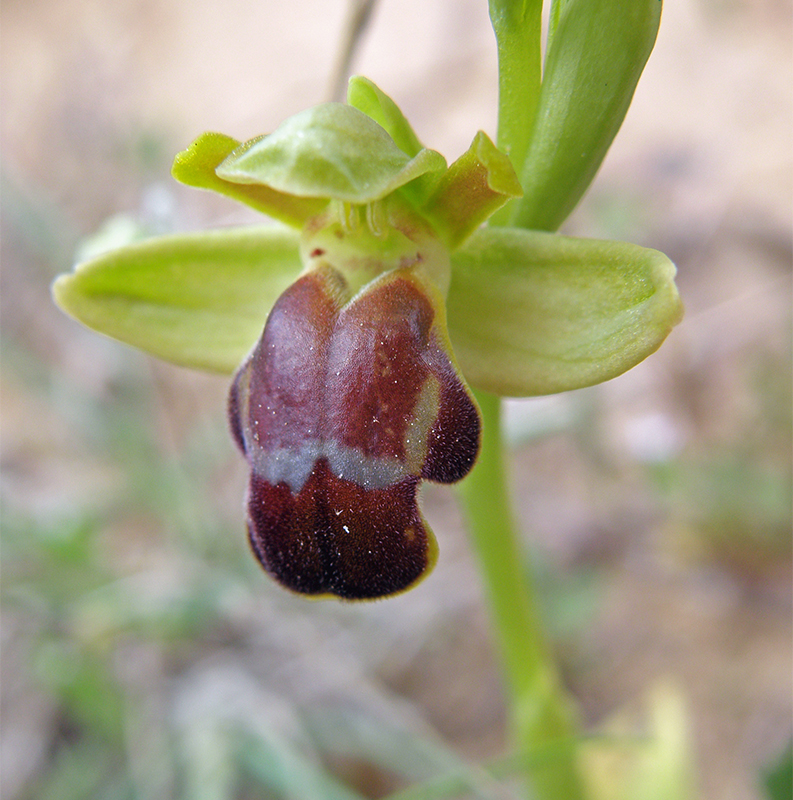
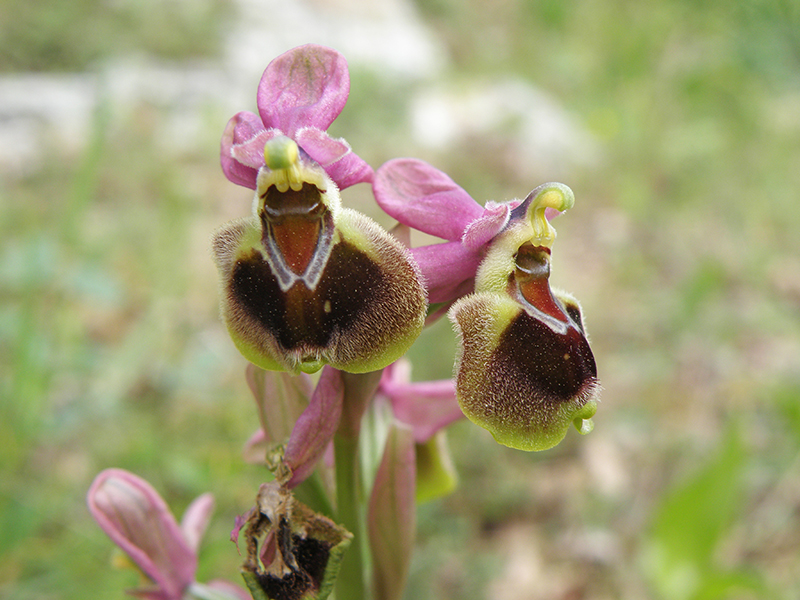
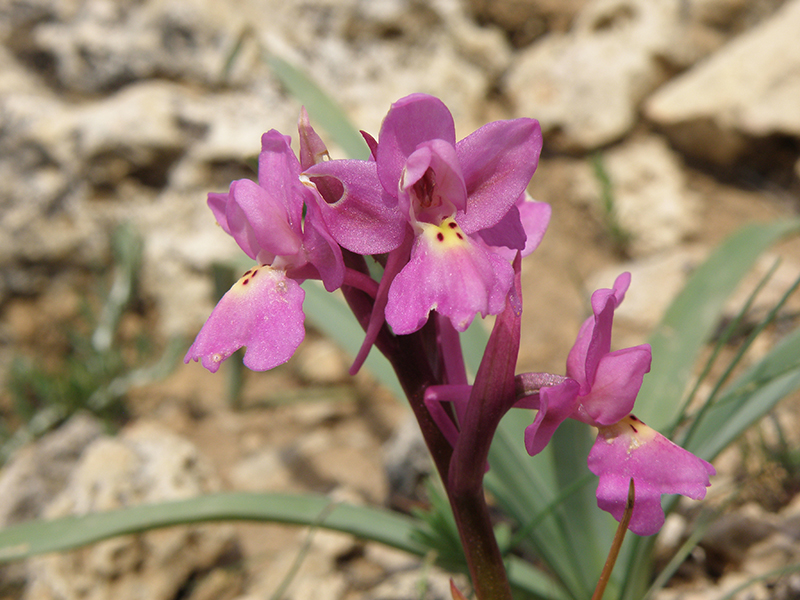
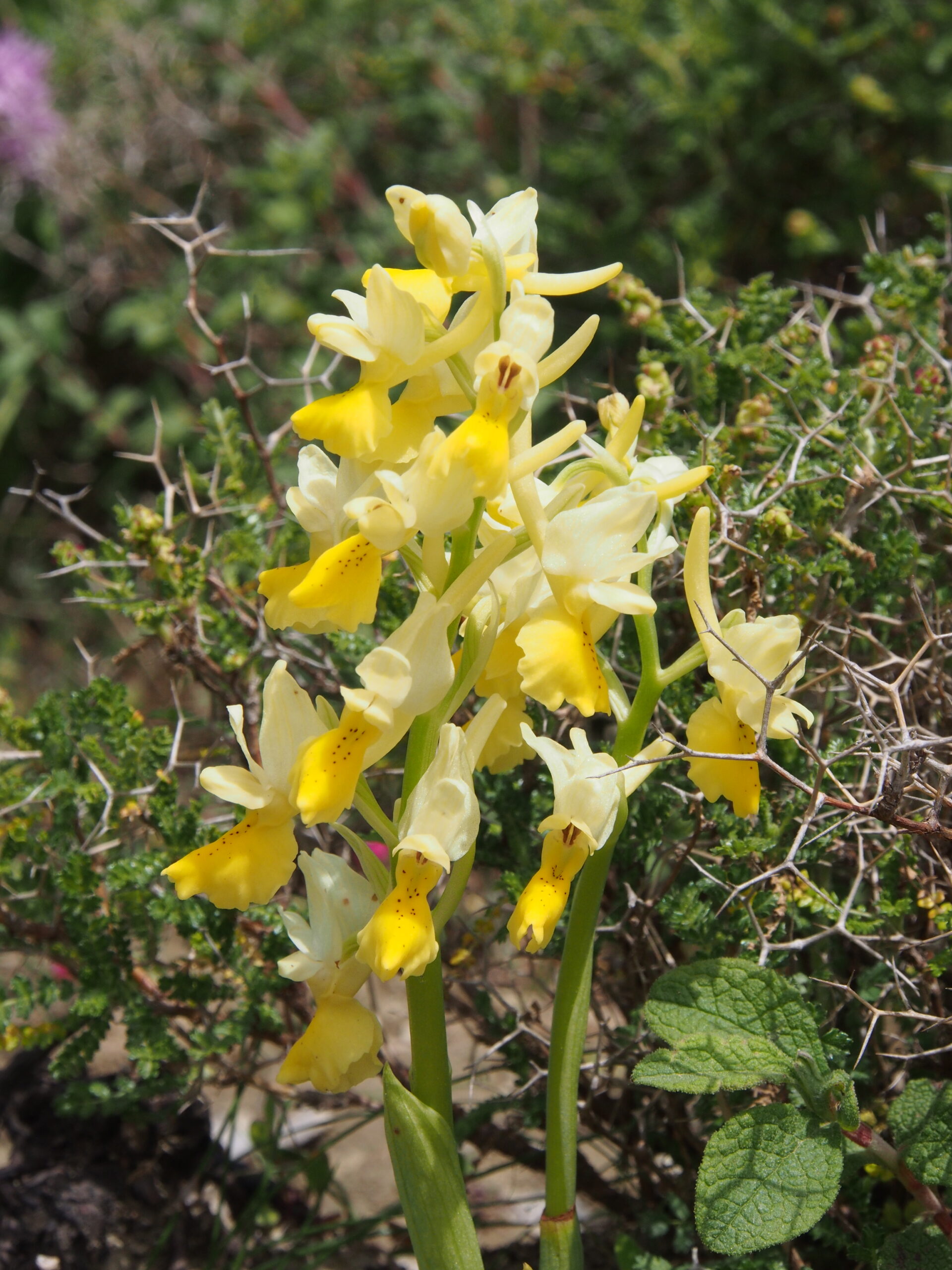
- Orchids galore, including Ophrys colossaea, Ophrys lucis, Ophrys reinholdii, Ophrys cretica, Orchis prisca, and Orchis anatolica
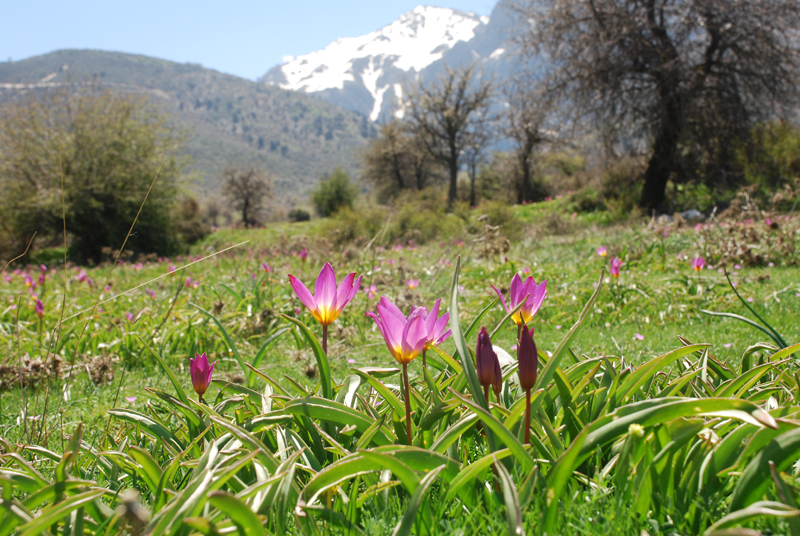
- Flowers in abundance, including Paeonia clusii & clusii ssp rhodia, Fritillaria rhodia, Tulipa doerfleri, Tulipa cretica, Iris cretensis
- Led by locals! Knowledgable & friendly, & experienced husband & wife team Sotiris Alexiou & Rachael Alexiou-Ayrton
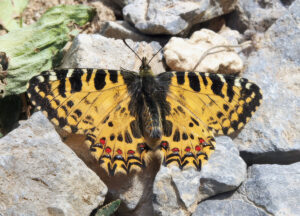
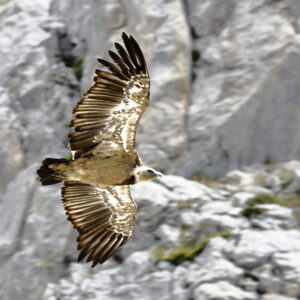
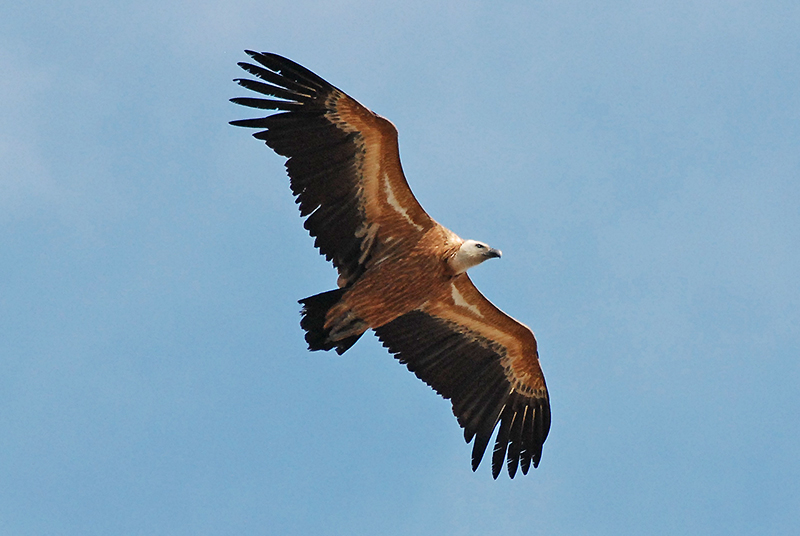
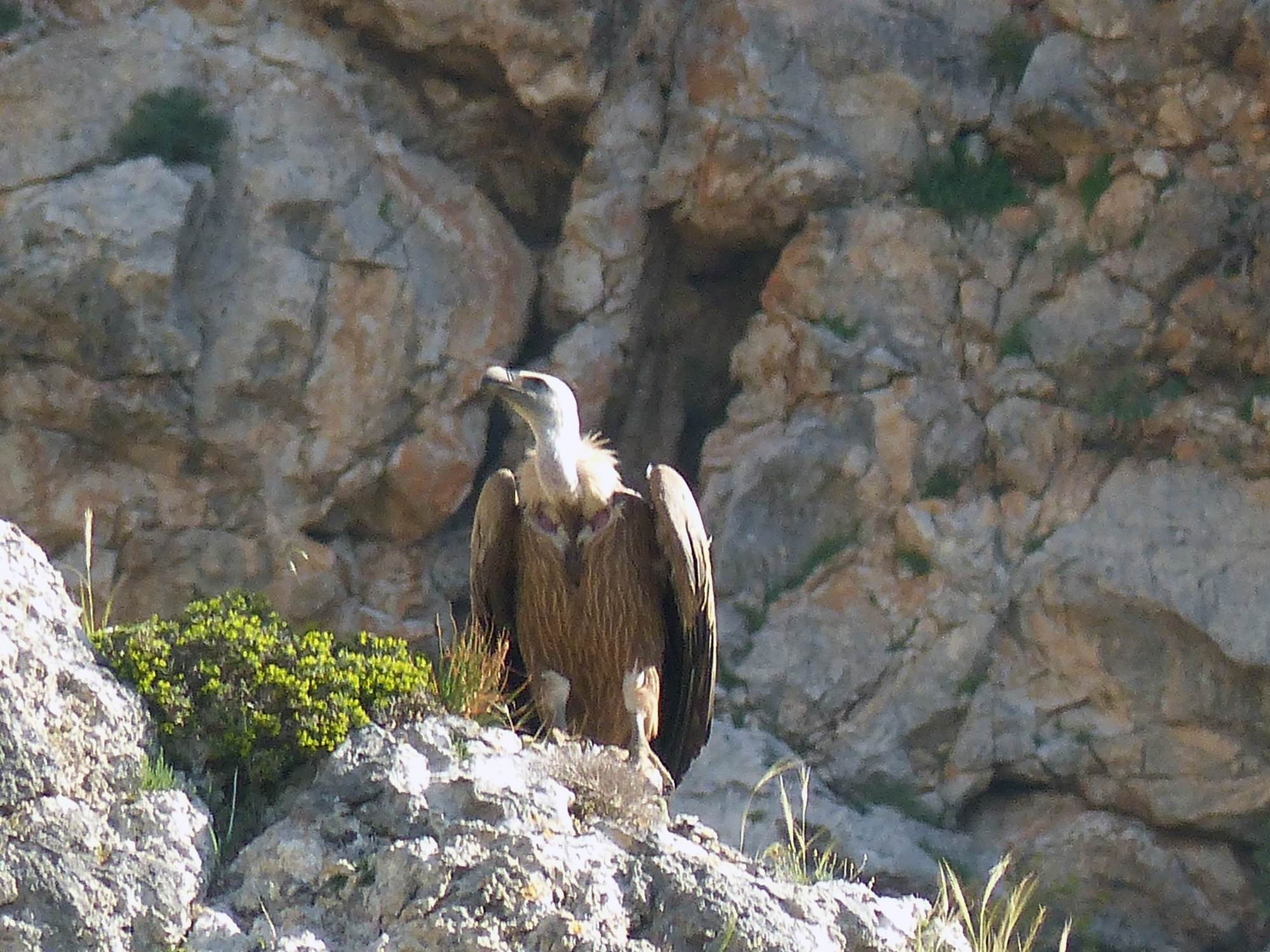
- Other wildlife highlights possible include Cretan & Eastern Festoon butterflies, Griffon & Bearded Vultures, various interesting reptile & more!
- Archaeological & historic sites such Rhodes Medieval Old Town & Chania Old Town, Lindos Acropolis, ancient stadiums & temples
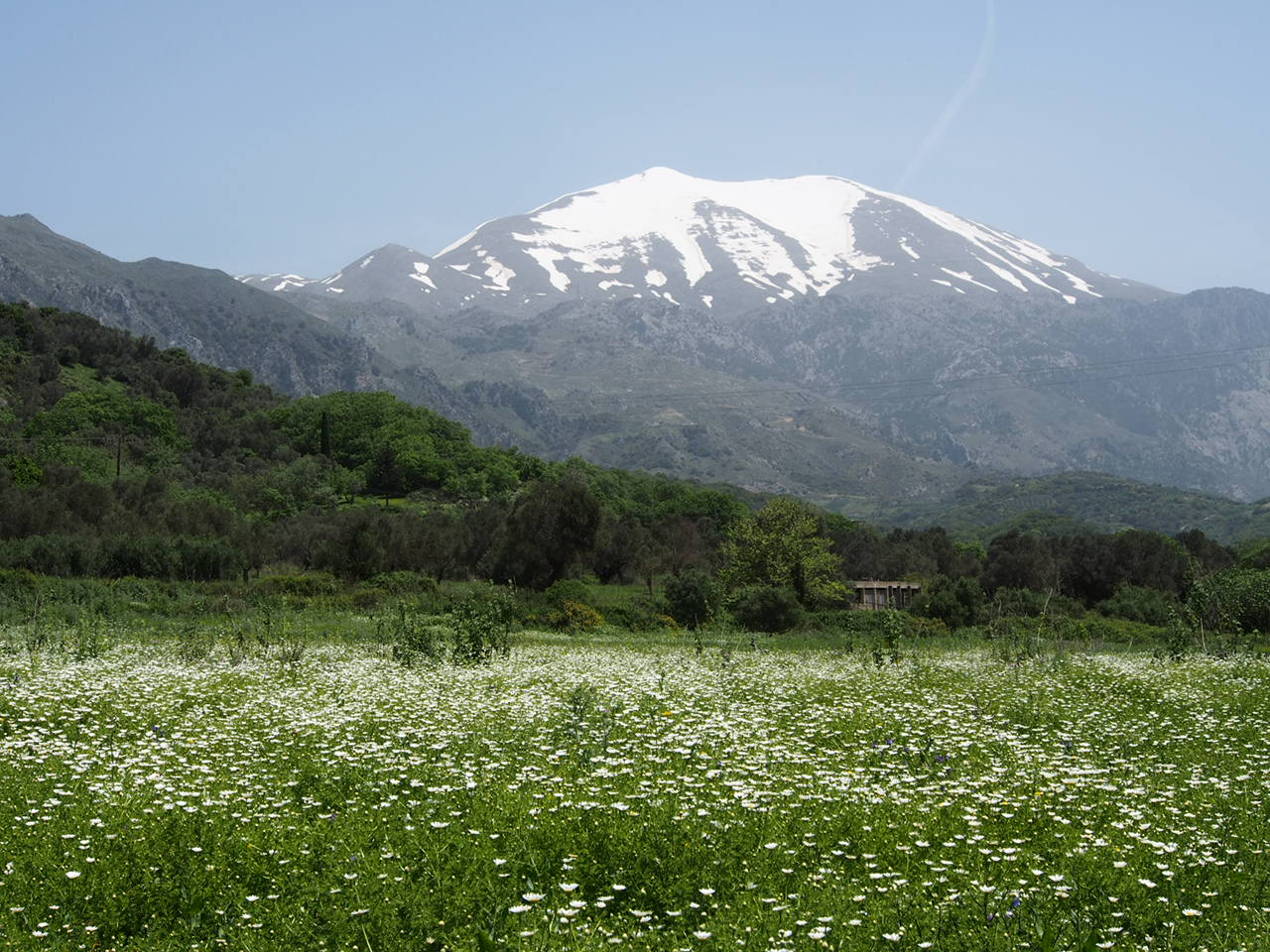
- Explore numerous & varied locations such as the White Mountains, vast areas of phyrgana, various gorges, ancient cypress forests, and Omalos plateau
Enjoy an extended tour of two iconic Greek islands for a rich array of spring flora & other wildlife!
Take an extended 16 day tour of two iconic Greek islands with us this spring!
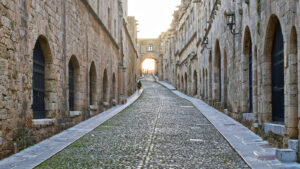
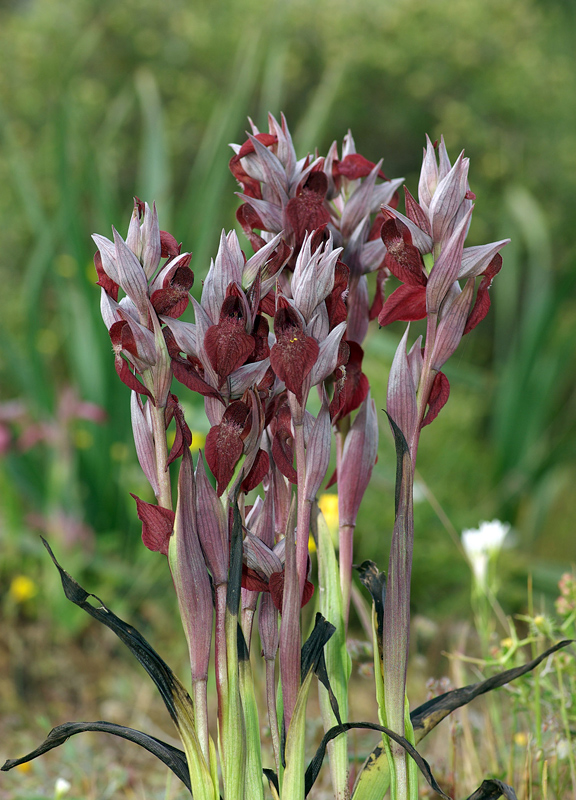
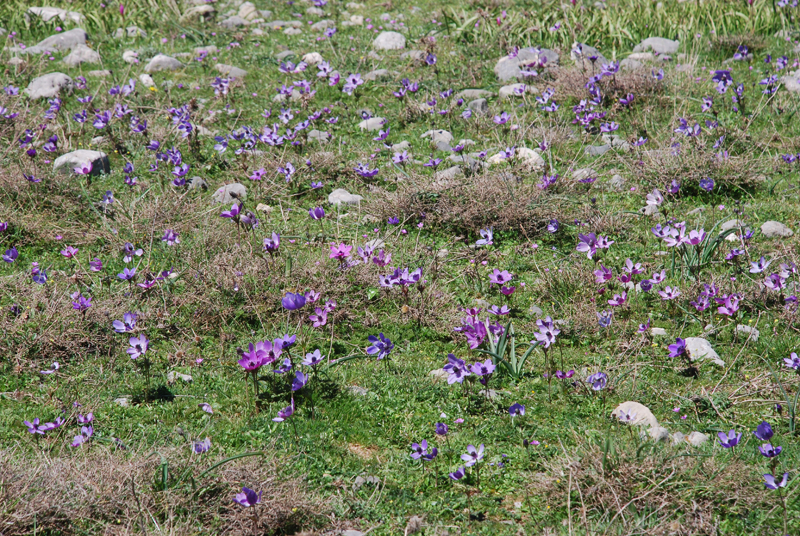
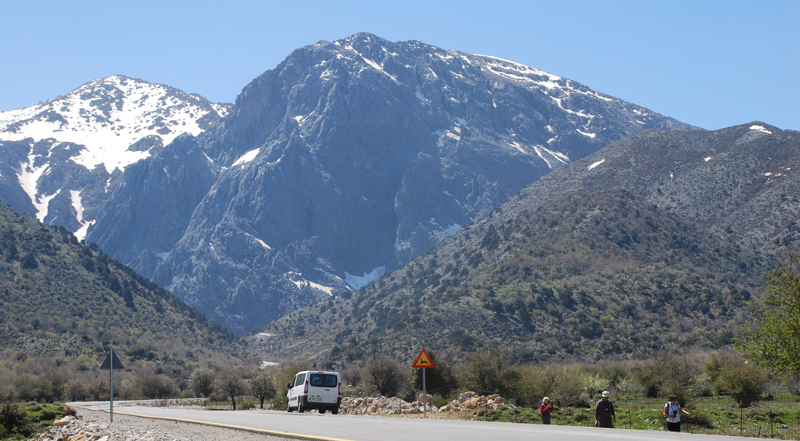
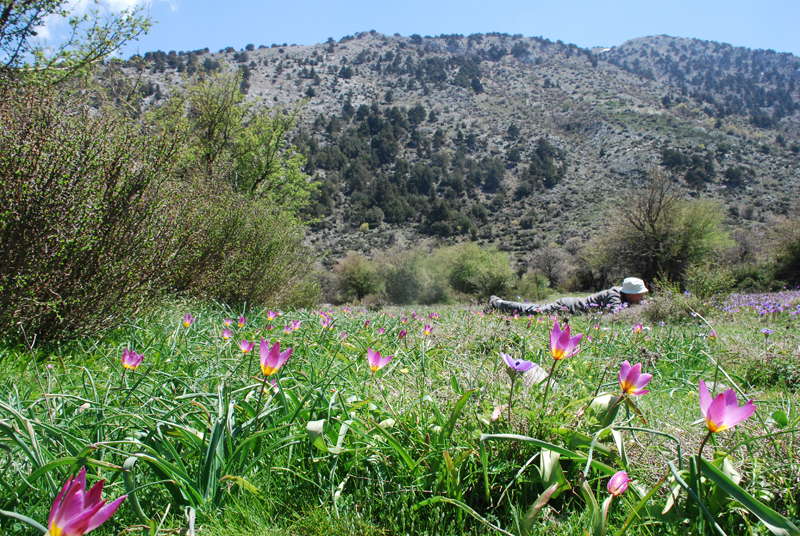
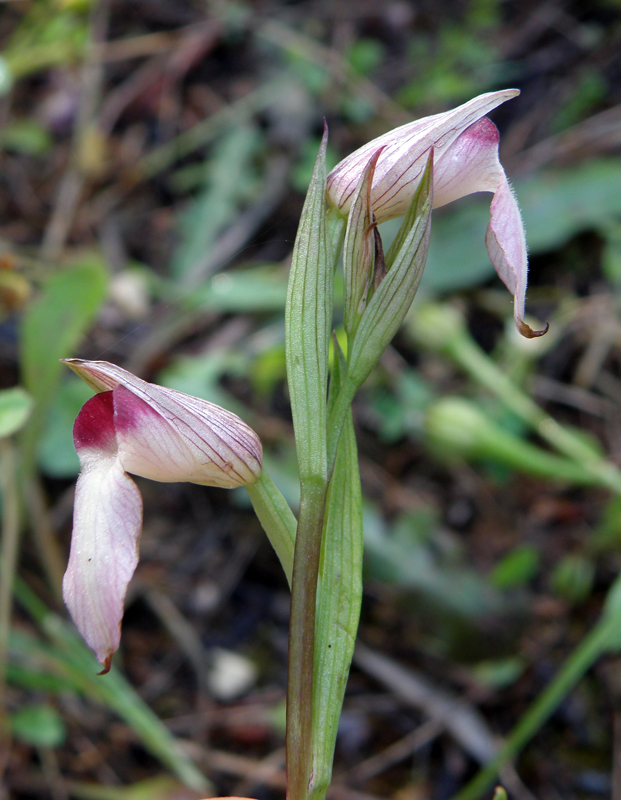
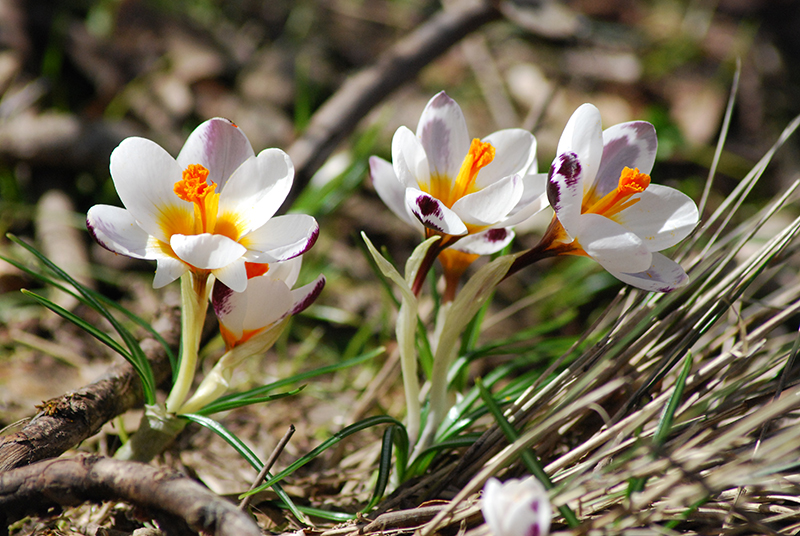
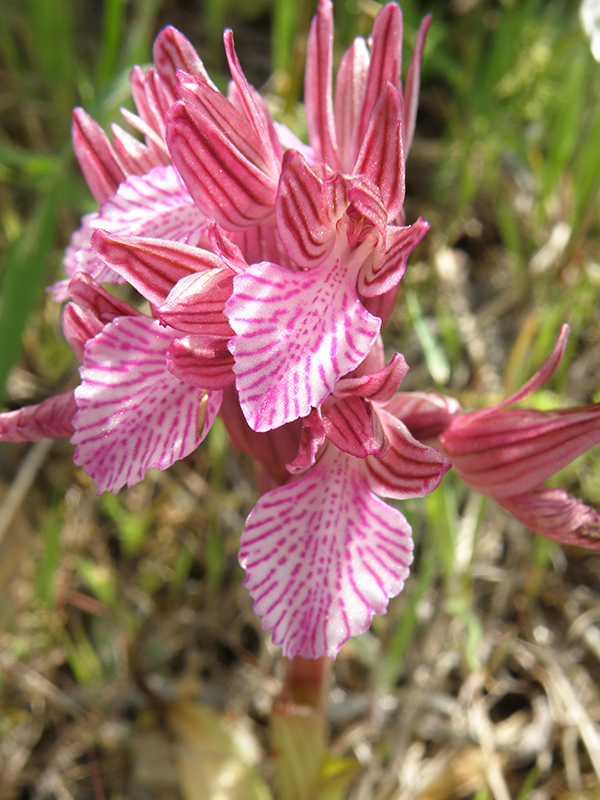
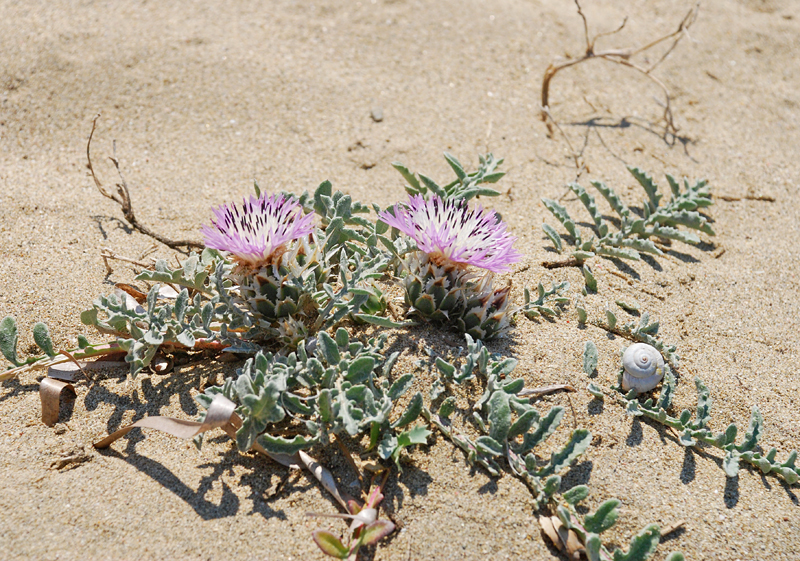
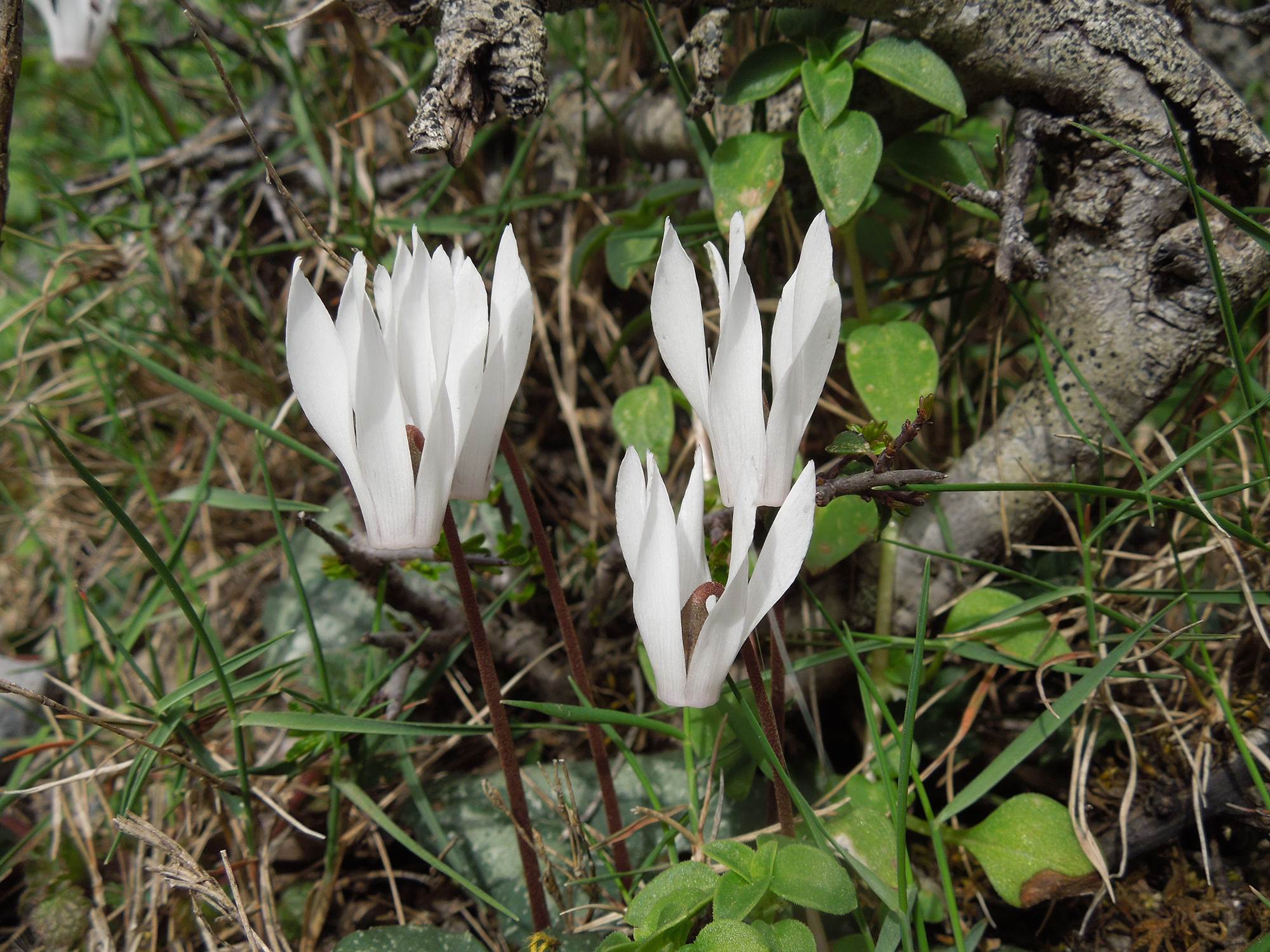
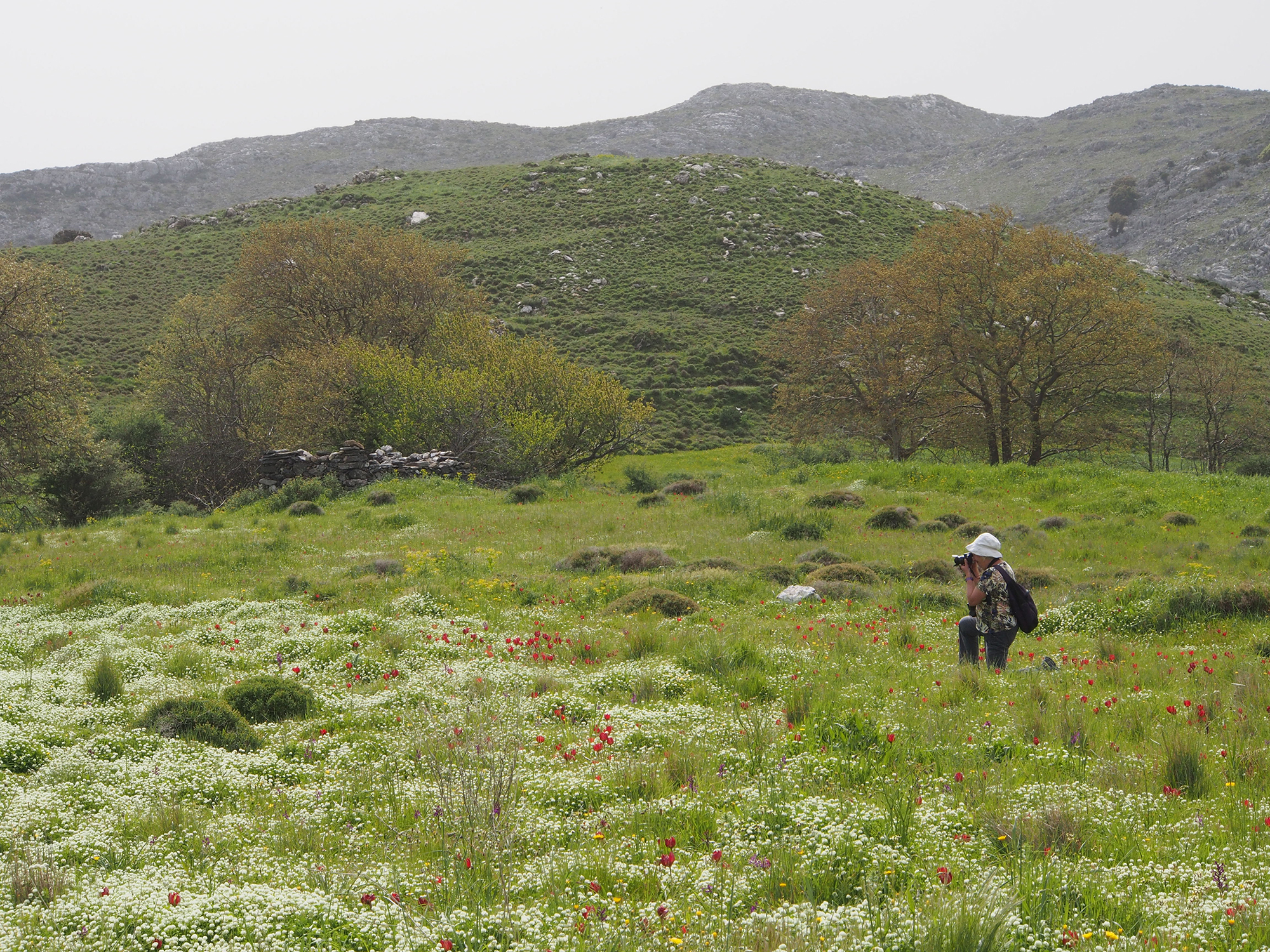
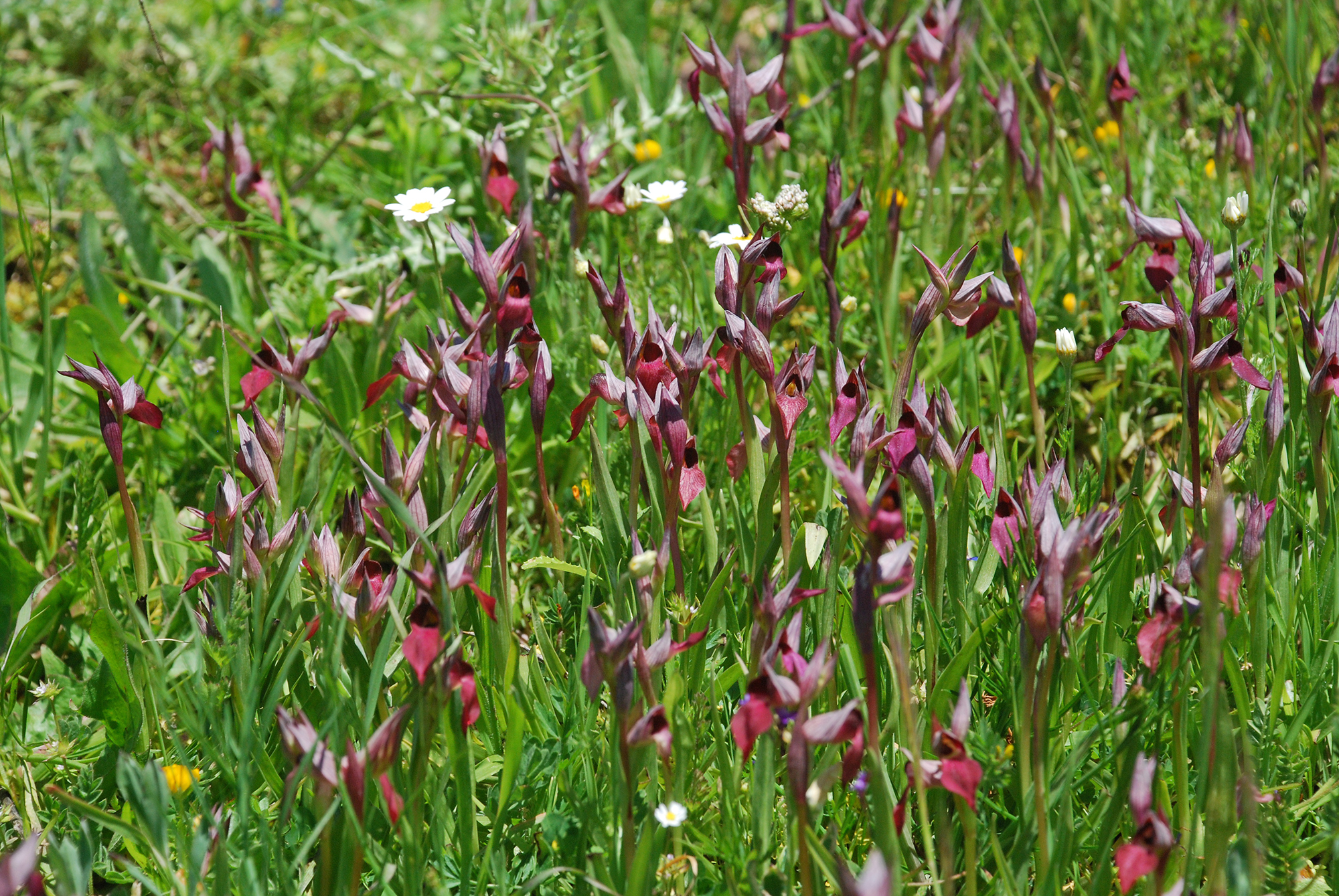
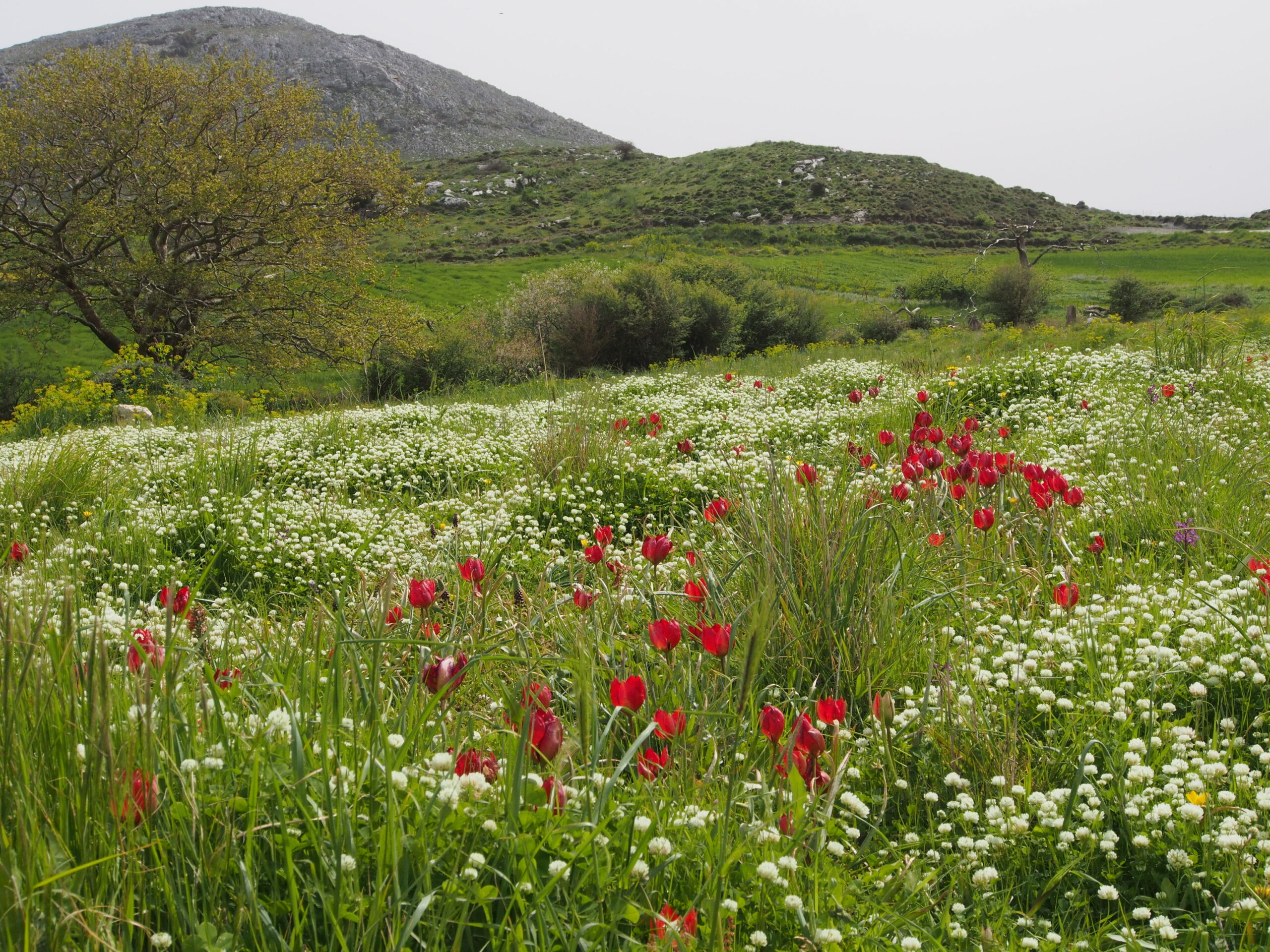
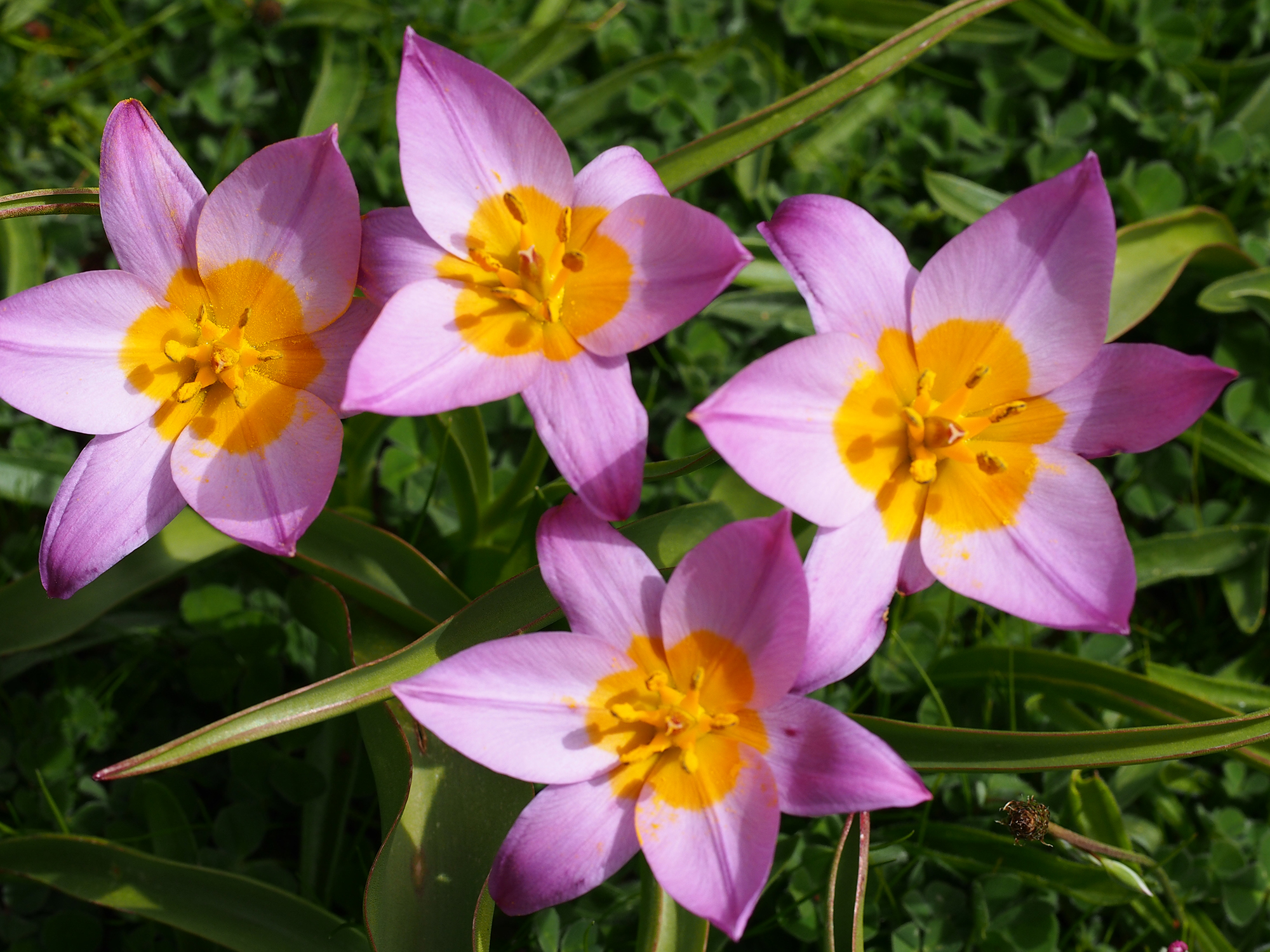
Although famous for its beaches and sunshine, Rhodes holds a world of hidden treasures waiting to be discovered. Our exclusive tour, first launched in 2013, has become one of our company’s flagship nature experiences. Designed and led by passionate local naturalists, this adventure offers a truly authentic encounter with the island’s landscapes, wildlife, and culture. As locals — both Greek nationals and long-term residents — we know the island intimately. Our team has spent years exploring its diverse habitats and cataloguing its fascinating flora and fauna. We have added to scientific knowledge of the island’s orchids, for example, finding & recording 2 new species of Ophrys Samia and Ophrys chiosica. We have a year round presence on the island, as well as access to a network of naturalists who share their latest field observations with us, which helps keep our knowledge up to date & extremely accurate. This helps ensure that our tour adapts to seasonal changes and thus maximizes your chances of seeing the best available plants and blooms. Rhodes boasts over 1,500 recorded plant species, including more than 50 species of orchids. For an island only 80 km long and 30 km wide, that is an impressive number! The island’s gently hilly terrain, dominated by Mount Attavyros at 1,215 meters, provides ideal habitats for orchids to flourish. You’ll encounter a wide variety of Ophrys species, such as Ophrys colossaea, O. saliarisii, O. halia, O. rhodia, O. oreas, O. lucis, O. regis-ferdinandii, O. candica, O. cretica ssp. beloniae, O. attaviria, and O. reinholdii. Hybrid orchids are also a thrilling possibility — nature often surprises us with unexpected finds! In other genuses we can hope to find the first flowers of Limadorum abortivum, alongside others which are more certain to be in flower including Anacamptis laxiflora, Neotinea lactea, Neotinea maculata, Orchis provincialis, Orchis anatolica, Orchis italica, Anacamptis morio, Anacamptis papilionacea, Anacamptis collina, Serapias carica, and more! Depending on the season we may also see Anacamptis sancta in flower, as well as A. fragrans and the hybrid between the two, A. x kallithea. Our tour is about much more than orchids and celebrates all aspects of the island’s flora. You’ll see several endemic species unique to Rhodes, including the Rhodes Paeony (Paeonia clusii ssp. rhodia), whose sweet scent fills the forests, and the graceful Rhodes Fritillary (Fritillaria rhodia). Beneath tall cypress trees, carpets of Cyclamen (Cyclamen rhodium) add vibrant colour, while the cliffs of Mount Attavyros are home to the rare Star Thistle (Centaurea lactucifolia), found only on Rhodes and the nearby island of Halki. Plus some local Eastern Aegean species such as Large Rhodian Bellflower (Campanula hagielii), Rhodian Wallflower (Erysimum rhodium), and Rhodian Catchfly (Silene salamandra). Your base for most of the week will be a family-run hotel in a charming traditional village. Each day, we’ll set off on new adventures to explore the island’s most beautiful and biodiverse sites. During our outings, you’ll enjoy fresh picnic lunches, featuring homemade dishes prepared by our founder’s family. Evenings are spent relaxing in welcoming tavernas, sampling local Rhodian cuisine and classic Greek flavours. To conclude this unforgettable week, we’ll spend our final part of the trip in Rhodes itself, including a private tour of the medieval Old Town, a UNESCO World Heritage Site. In early spring, its cobbled streets and historic architecture set behind high walls & a deep dry moat, offer a peaceful & unique retreat. You’ll have time to explore, soak up the atmosphere, and enjoy a few final floral discoveries before bidding farewell to this enchanting island. Our odyssey continues in Crete! Witness the majesty and beauty of the island in spring with orchids & other flowers providing carpets of colour, set against backdrops of dramatic scenery and historical sites! Our home for the first part of the week on Crete is in the heart of Chania, the most beautiful city in Crete and for some in the whole of Greece. The setting provides a perfect base for what will be a relaxing holiday filled with a feast of flowers for which the island is famous for, along with an interesting range of other wildlife. The Chania prefecture is the greenest part of the island, thanks to all the rainfall provided by the White Mountains (Lefka Ori). These limestone guardians of the landscape dominate the region, and we’ll be ideally located for exploring some of the best sites in the area, without having to venture too far, perfect for those that wish to maximise the time they can enjoy being amidst the nature they’ve come to see. For the second part of the week we will relocate further south, to a relaxing coastal retreat. From this base we’ll be closer to some other wildlife rich locations and so we can have more time outside and spend less time spent travelling. Upon our arrival it won’t be long before we’re amongst the rich tapestry of plants which cloth the mountainous scenery, which include between 30-40 species of orchid, various Tulips, Anemones, Fritillaries, Campanulas, Cyclamens and many more! During the week there will be many special and endemic plant species to enjoy, such as the impressive Cretan Arum, the rare and bright red coloured Tulipa doerfleri, the endemic Tulipa cretica & Crocus sieberi, soft pink Tulipa saxatilis, delightful Iris cretensis and what is undoubtedly one of the most beautiful flowers on Crete, the White Peony Paeonia clusii. Orchids will be one of our main target groups and we’ll enjoy a wealth of species, including endemics such as Orchis prisca & Orchis sitiaca. Other highlights include Ophrys heldreichii, the colourful Rainbow Ophrys Ophrys iricolor, the Cretan Bee orchid Ophrys cretica and several forms of Ophyrs fusca such as the subspecies creberrima along with creticola and cressa. We’ll also take breaks from looking down at the flora and spend some time observing the varied bird species on the island. These can include Griffon Vulture, Bearded Vulture, Golden Eagle, Peregrine, Buzzard, Cetti`s Warbler, Sardinian Warbler, Blue Rock Thrush, Fan-tailed Warbler, Crested Lark and Italian Sparrow. In higher ground and at the gorges and plateaus we may also find Alpine & Red-billed Chough, Woodlark, Cirl Bunting and Black-eared Wheatear. On and close to water we’ll look out for Little Bittern, Little Crake, Purple Heron, Squacco Heron, Night Heron, Egrets and more. There will also butterflies to hold our interest, including the endemic Cretan Festoon Allancastria cretica. Amongst the magnificent grandeur of the White Mountains, we’ll also zoom in on small treasures such as the Snow or Cretan Crocus Crocus sieberi and mats of the bright blue Anchusa caespitose. The Imbros and Aradena Gorges also provide dramatic landscapes, where we’ll walk in wonder of our surroundings, whilst finding plenty of flowers of interest, such as Paeonia clusii. On the high Omalos plateau we’ll look for the Lammergeiers that inhabit the area and try to see the Cretan Wild Goats too. Here we’ll also be dazzled by the swathes of Tulips, Anemones and Orchids. It is also possible to do each tour separately, here are links to to the individual pages for Rhodes and Crete.




Please note: the itinerary is subject to changes in terms of the daily running order and content. We take the local weather conditions into account, along with how the flowering season is progressing and make appropriate adjustments to provide you with the best daily excursions possible.
Day 1 (1st April): On arrival at Rhodes Airport you will be met by your guides, who will accompany you throughout the trip. From the airport we head south (journey time approximately 45 – 60 mins) down the western side of the island, towards our base for the week. We will be staying at a family run hotel nestled at the base of one of the islands three mountains in a traditional Rhodian village.
Depending on time we may make one or two stops on our journey to view our first orchids, or to look at any other wildlife of interest. Once checked we will (depending on the time) have a local wander, followed by dinner together & an introductory talk about the week ahead.
Day 2: For our first full day will focus on exploring various locations in the ‘deep south’ of the island in some well-preserved phrygana habitat. The orchids we can expect to find are numerous and include Ophrys regis-fernandii, Ophrys cretica ssp. beloniae, Ophrys parvula, Ophrys iricolor, Serapias carica, Ophrys calypsus, Ophrys blitopertha, Ophrys halia and cornutula. We shall also look out for the endemic Fritillaria rhodia & Campanula rhodia.
Day 3: Today we will be orchid hunting on Mount Attavyros and some other nearby locations. It won’t be long before we are among orchids and our finds should include some or all of Ophrys reinholdii, Ophrys dodekanensis, Ophrys lucis, Ophrys omegaifera, Orchis anatolica, Neotinea lactea, Ophrys umbilicata, Ophrys ferrum-equinuum and Ophrys candica.
In Greek mythology Althaemenes (son of Catreus, king of Crete) founded an altar to Zeus on the mountain. He was said to have chosen the site as the only point on Rhodes from which his homeland of Crete could be seen. The remains of the sanctuary can be seen near the summit. Upon the mountain there were, it is said, brazen bulls which roared when anything extraordinary was going to happen – we must listen out for them during our visit!
Day 4: Our destination today is a mountain top in southern Rhodes – a location that is invariably extremely productive for both orchids and other wildlife besides. We will make several stops at various elevations, before our arrival at the top, on which we will spend much of the day. All stops should yield good orchids, and more plants besides. Our orchid finds are likely to include Ophrys tenthredinifera, Ophrys phryganae, Ophrys bombyliflora, Ophrys oreas, and Ophrys sitiaca. We may also find swathes of Orchis anatolica and Anacamptis papilionacea.
Day 5: The mountain slopes of Profitis Ilias will be our destination and plant hunting playground today. The orchids usually come thick and fast as soon as we start to search the slopes and the forest floor, which is decorated with Anenome blanda & Cyclamen rhodium at this time of year.
We should find a good variety of orchids in flower, including Ophrys oreas, Ophrys cinereophila, Ophrys Persephone, Ophrys lucis, Ophrys reinholdii, Orchis provincialis, Neotinea maculata, Neotinea lactea, Anacamptis morio and Orchis anthropophora.
Of course, the week isn’t entirely about the orchids, and it is impossible to ignore the lush white flowers and scent of Paeonia clusii ssp. rhodia, the Rhodes peony. Depending on the season we hope to see it with fresh flowers.
Day 6: Our destination today is the east coast. We will drive through the centre of the island with interesting landscapes en route & a stop for orchids such as Anacamptis laxiflora & Ophrys bombyliflora. We will explore sites close to the coast as well as drive a short way inland, to look for orchids in olive groves and similar habitats. Orchids we will look for today include Ophrys colossaea, Ophrys rhodia, Ophrys calypso, Ophrys polyxo, Ophrys blitopertha, Ophrys attaviria, Serapias bergonii and Serapias carica.
After our picnic lunch we will head north, about as far north as we can on the island without getting wet, to the town of Rhodes. We’ll check in to our hotel and either visit a local site or relax for the remainder of the day.
Day 7: Our final full day in Rhodes will be a combination of nature & culture. We’ll take a private tour of the medieval old town and visit some northern sites outside of Rhodes, for a final foray to find orchids and other flora and fauna. We’ll return in time to rest & prepare for departures the next day, and to enjoy one last evening together.
Day 8 (8th April): Day of departure. We bid our farewells to our hosts at the hotel and head to the airport, with the possibility of a stop or two on the way, depending on our schedule. We’ll take internal flights in the afternoon, via Athens to Chania in Crete and transfer to our hotel.
Day 9 (9th April): We’ll collect anyone arriving today from Chania airport and transfer to our hotel near Chania. We’ll also venture out to have a look at some of our first Cretan flora and fauna. Later, we’ll either eat at the hotel or perhaps take a stroll along the pretty Venetian harbour of Chania and dine in one of the many waterfront restaurants.
Day 10: The White Mountains “Lefka Ori” and Omalos plateau (1,000m above sea level). Beautiful flowers are expected here against the backdrop of some stunning views. Plant species on the menu for the day include the endemic Orchis prisca and several other orchids, Anchusa caespitosa, Crocus sieberi, Scilla nana, Cupressus trees, Paeonia clusii, Tulipa bakeri and many more. We can also see the endemic kri-kri or Agrimi (Cretan or Wild Goat) here.
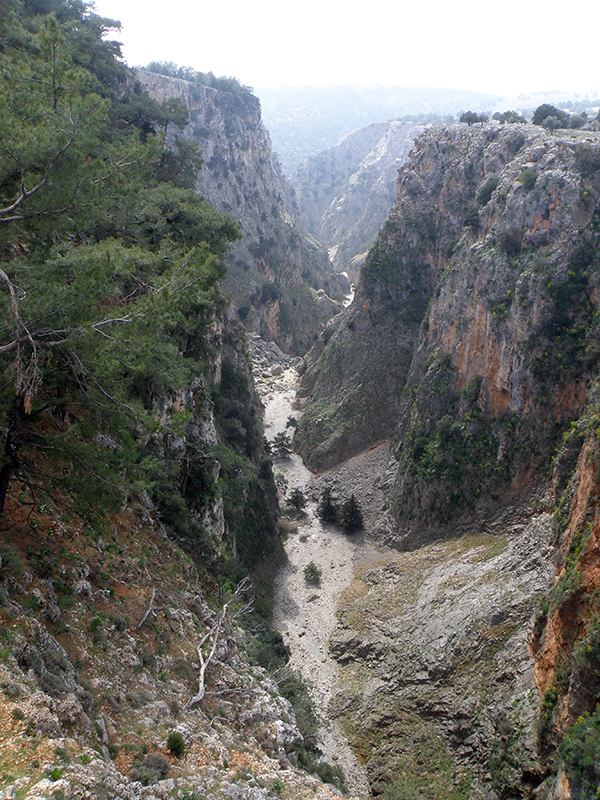
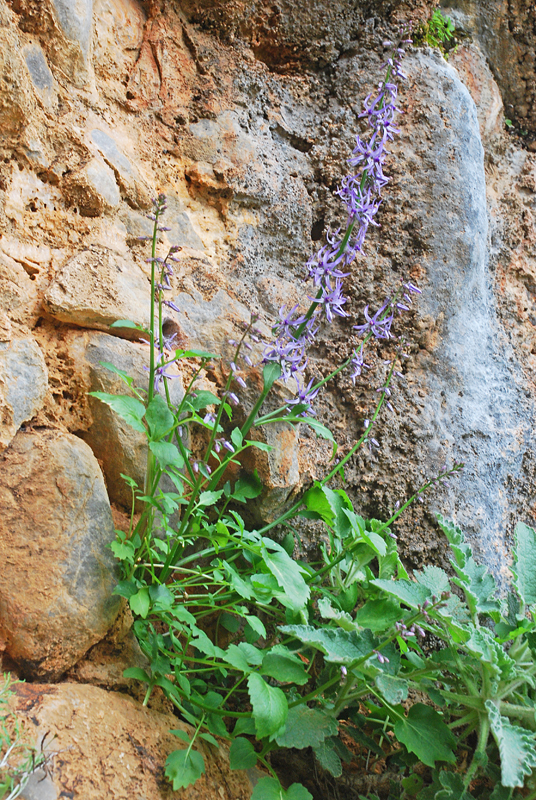
Day 11: Gorges day! There are around 50 gorges in the White Mountains. We will drive through the east foothills of Lefka Ori down to the south of the island, to see the Imbros and Aradena gorges. The dramatic scenery of these wonderful places makes for some pleasurable botanizing. There are some beautiful endemic plant species to look for, mostly chasmophytes, such as Campanula laciniata, Stahaelina petiolata Origanum dictamus and Petromarula pinnata.
Day 12: A visit at Akrotiri peninsula to visit two remarkable Orthodox monasteries-castles and botanize in the surrounding rocky terrain.
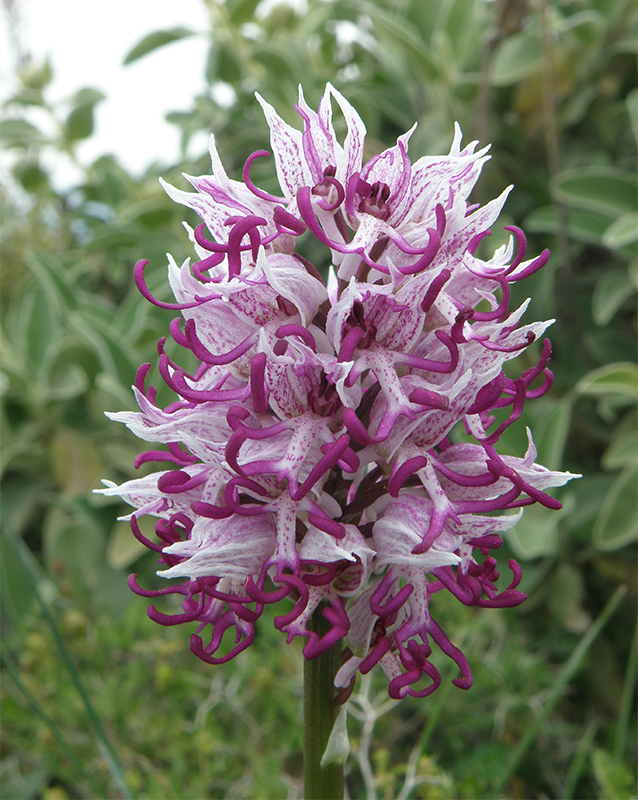
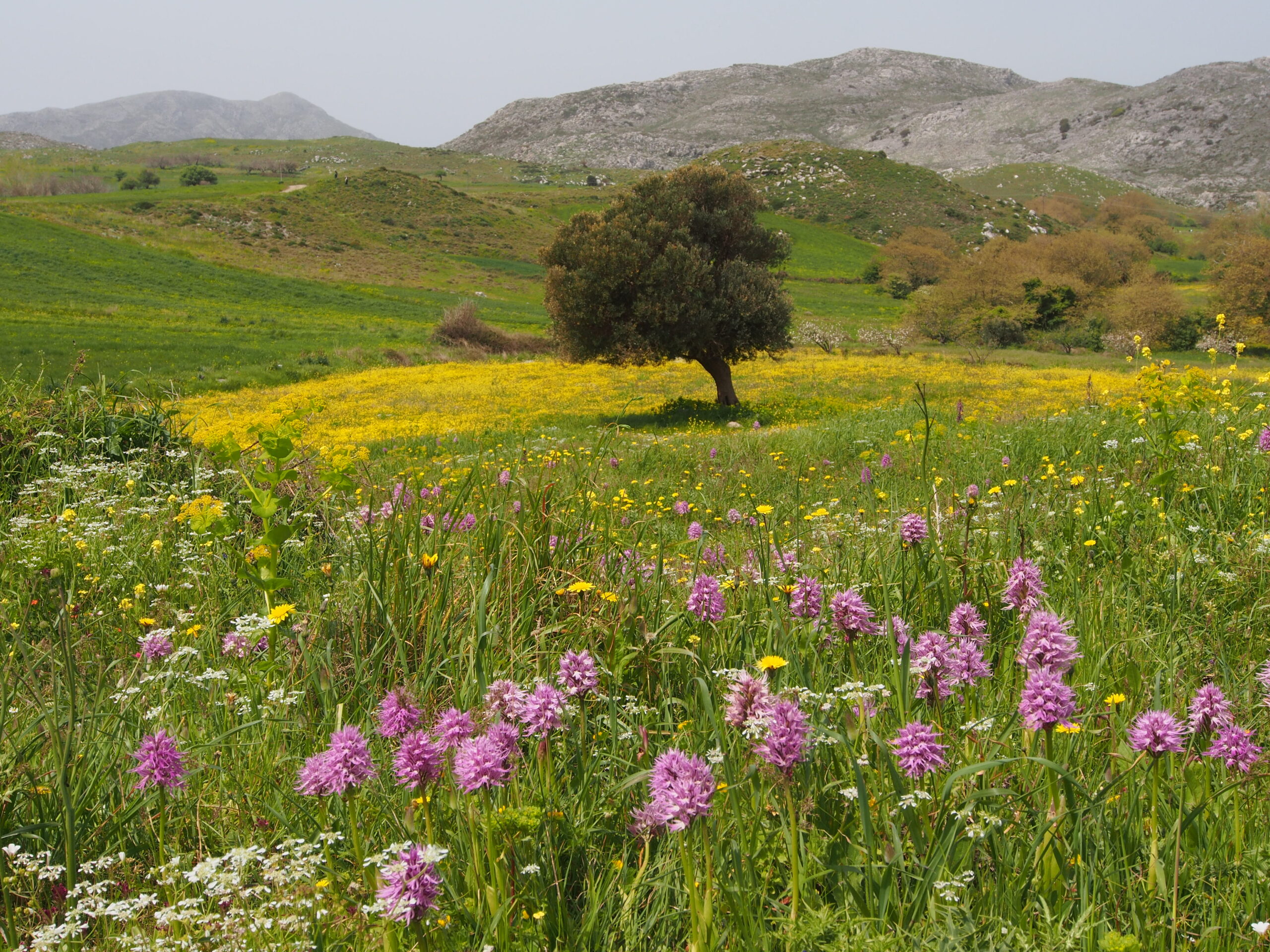
Day 13: Spili and the famous meadows above, the most orchid-rich area of the entire island! We can expect to see: Anacamptis pyramidalis, Ophrys creberima, Ophrys cressa, Ophrys creticola, Ophrys episcoplalis, Ophrys gortynia, Ophrys heldreichii, Ophrys iricolor, Ophrys omegaifera, Ophrys spruneri, Orchis boryi, Orchis italica, Orchis quadripunctata, Orchis pauciflora, Orchis provincialis, Orchis simia, Serapias bergonii and Serapias lingua. Of course, the area is also rich in other flora, such as Anemones, Cyclamen creticum, Fritillaria messanensis, Iris cretensis, Origanum dictamus, Ranunculus asiaticus, Tulipa doerfleri, Tulipa saxatilis, Viola cretica and so on.
Day 14: We drive through Topolia gorge, an impressive 1.5 km long, very narrow and deep gorge, full of smaller and bigger caves. We will visit one of them, the Agia Sophia cave, with a small chapel inside! We will also visit the Palaeochora area in SW Crete.
Day 15: Visit Αgathes Mountain and botanize above 1000m, around Askifou and Asfendos.
Day 16 (16th April): Transfer to airport and departure. If time permits, we’ll have a final excursion beforehand.
-

- Anacamptis laxiflora & Serapias

-

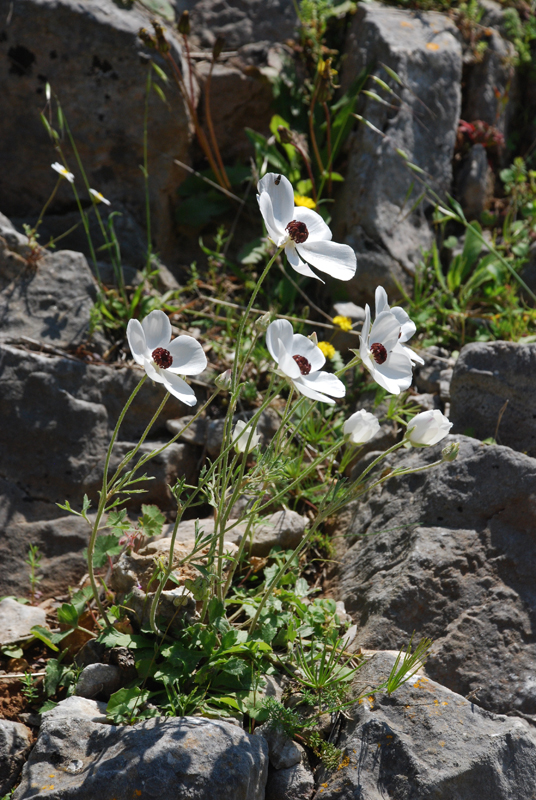
- Ranunculus asiaticus

-

- Ophrys candica

-

- Acacamptis pyramidalis

-

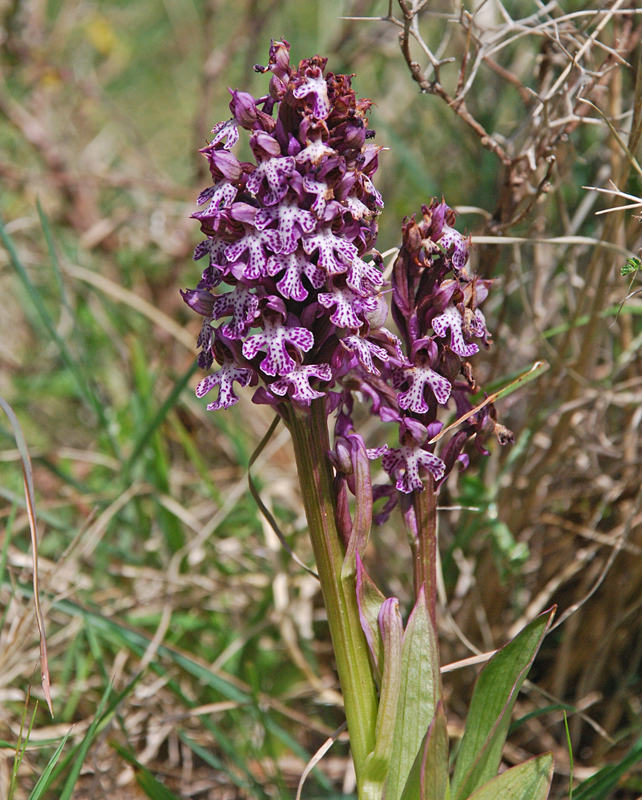
- Orchis provincialis

-

- Paeonia clusii subsp. rhodia

-

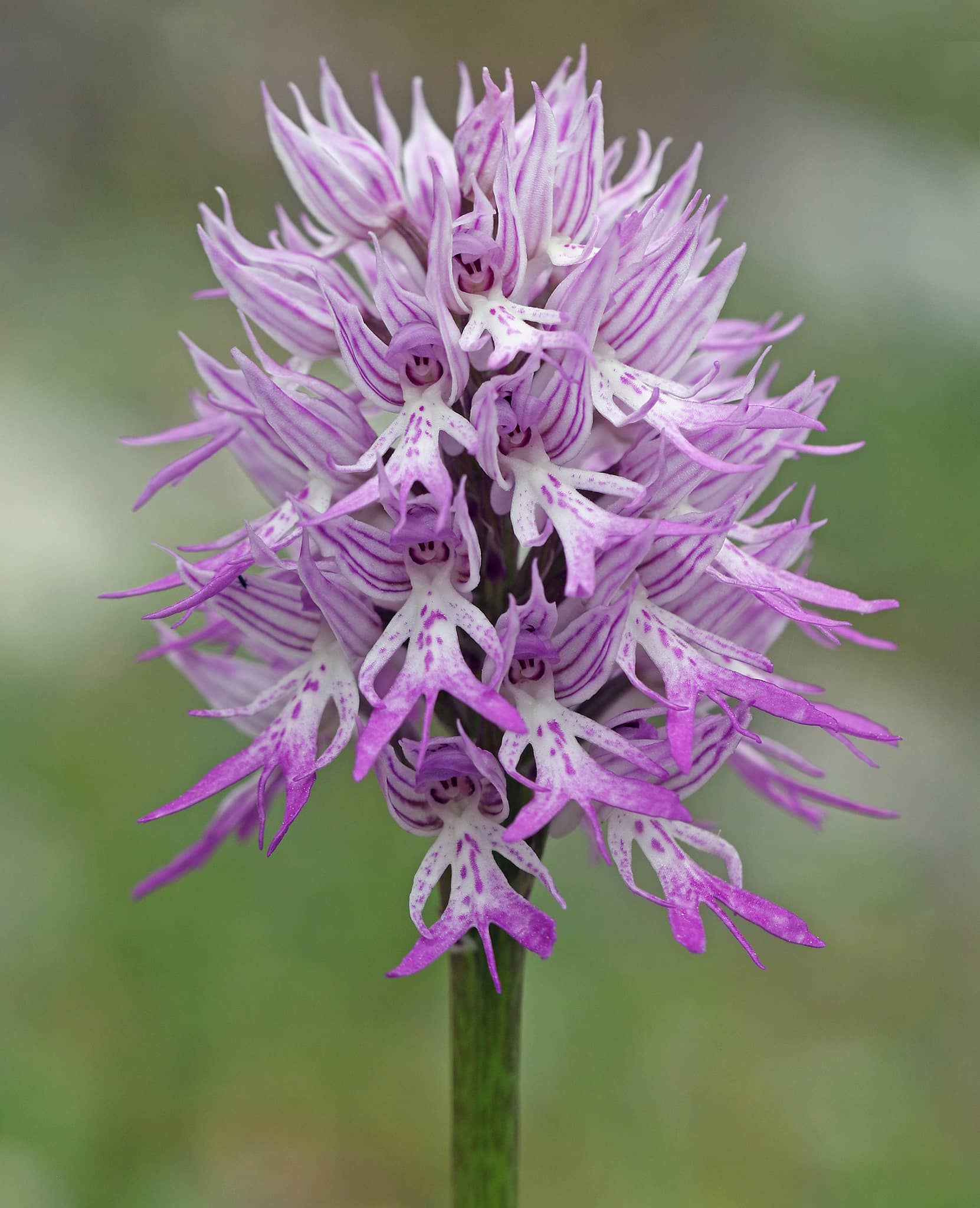
- Orchis anatolica


-

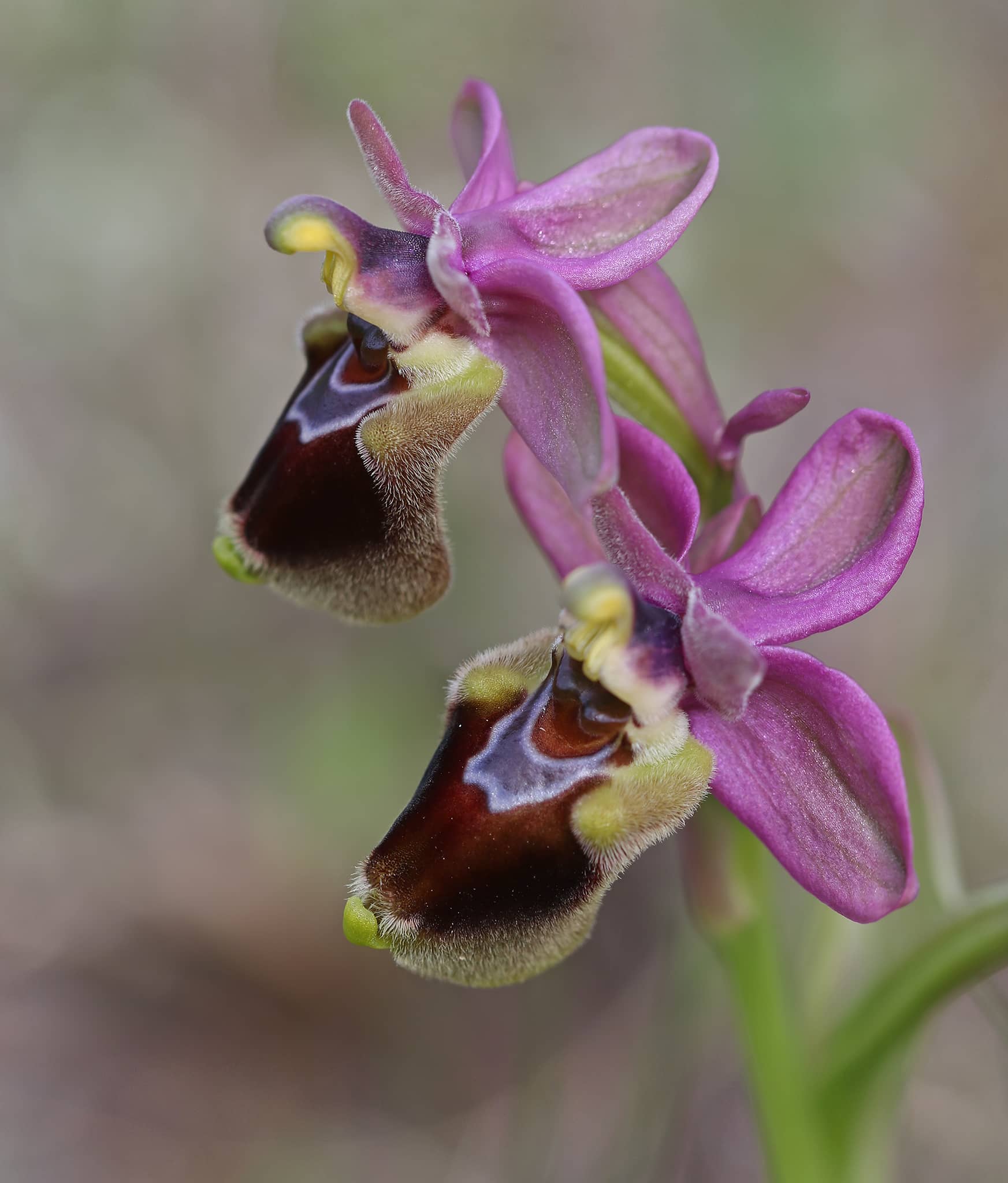
- Ophrys colossaea

-

- Ophrys reinholdii

-

- Ophrys regis-ferdinandii

-

- Ophrys omegaifera

-

- Ophrys mammosa x reinholdii

-

- Ophrys lucis


-

- Oprhys iricolor


-

- Ophrys bombyliflora

-

- Oprhys blitopertha

-

- Ophrys attaviria x polyxo


-

- Muscari commutatum

-

- Large Wall Brown

-

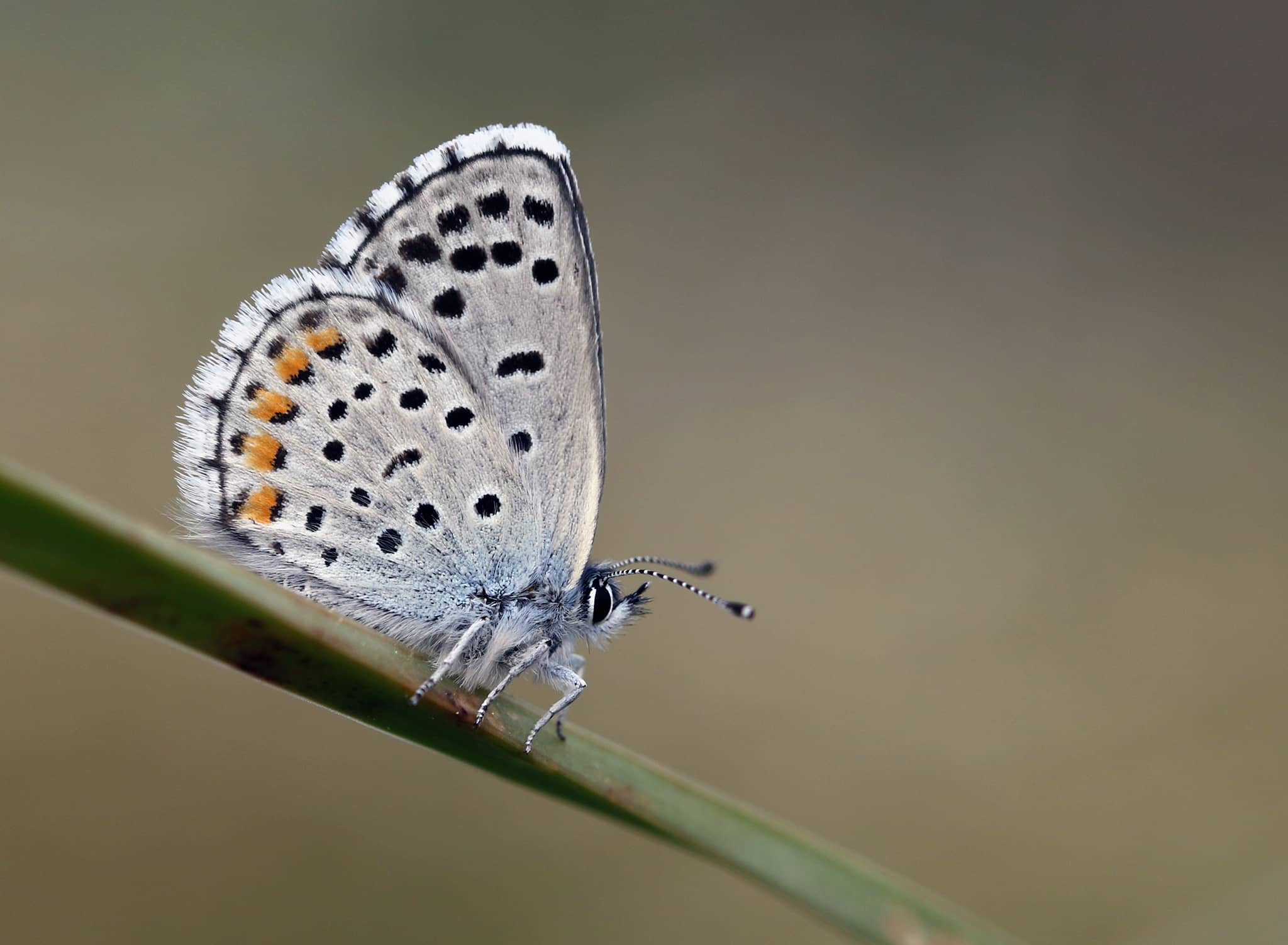
- Green-underside Blue

-

- Fritillaria rhodia

-

- Eastern Festoon

-

- Cytinus hypocistus ssp. clusii

-

- Cytinus hypocistis ssp. hypocistis

-

- Centaurea lactucifolia

-

- Campanula rhodensis


-

- Campanula hagielia

-

- Anemone blanda


-

- Anacamptis morio

-

- Anacamptis collina







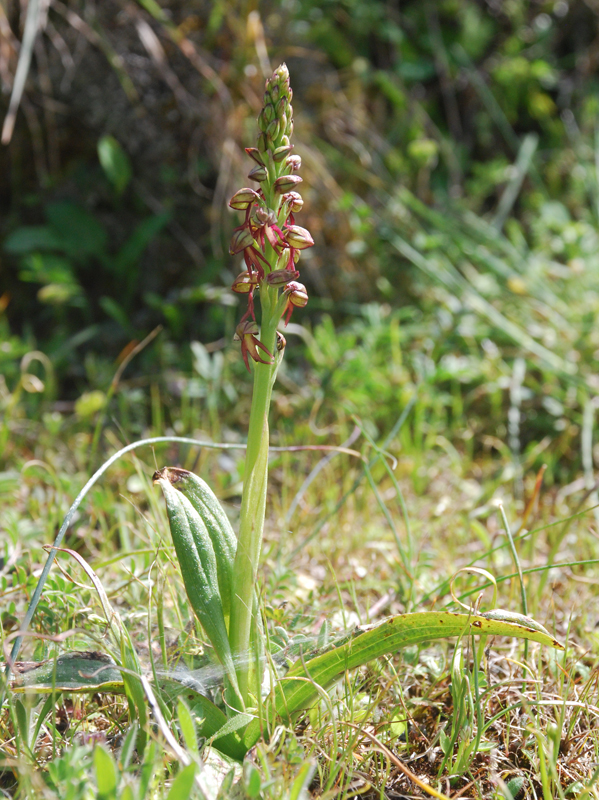
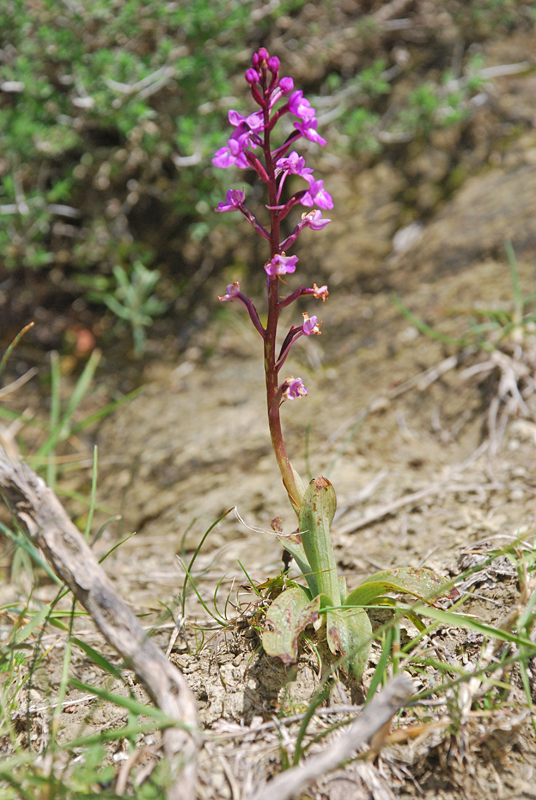
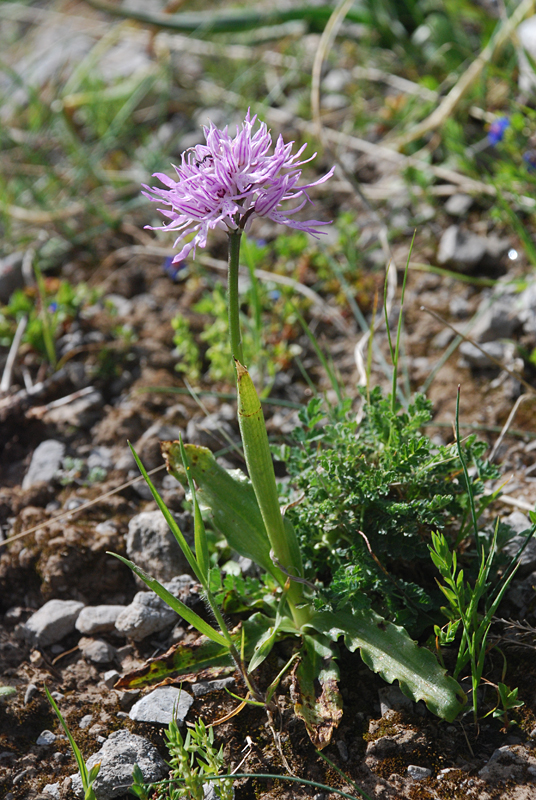
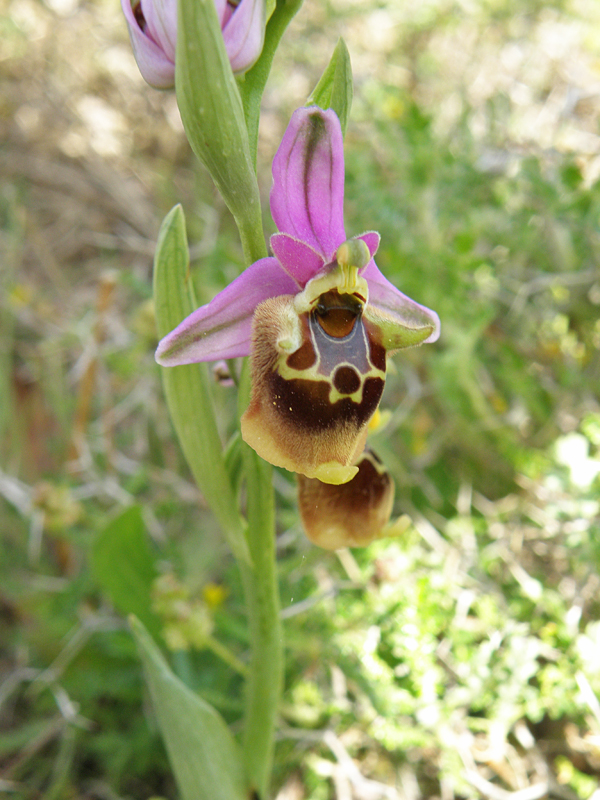

TO FOLLOW
New tour so will follow after 2026. Individual reports for Rhodes & Crete available on their respective tour pages