

Description
Explore three of Andalusia’s most biodiverse landscapes — Sierra Nevada National Park, Cazorla, Segura y las Villas Natural Park, and Cabo de Gata-Níjar Natural Park — for a remarkable mix of butterflies, endemic flora, and fascinating wildlife.
Sierra Nevada National Park
Our journey starts in the Sierra Nevada, the highest mountain range in Europe after the Alps (with Mulhacén at 3,482 m being the highest in mainland Spain), offers a rich blend of unique ecosystems with fantastic natural and cultural heritage. Among its 80+ endemic plants, we’ll search for Pinguicula nevadensis, Veronica turbicola, Gentiana pneumonanthe subsp. depressa, Gentiana sierrae, Euphorbia nevadensis, Hormathophylla purpurea, and Eringyum glaciale.
During our exploration of the area we’ll also visit the high-altitude Veleta Botanical Garden, the San Juan River reserve, and the Granada Geopark — a UNESCO site of desert canyons and fossil-rich terrain. Our base here is in cave houses, offering a truly unique stay.
Cazorla, Segura y las Villas Natural Park
We continue our adventures in what is Spain’s largest protected natural park and home to at least 134 butterfly species to look for. We’ll also take a short trail to the Linarejos Waterfall, where we can look for Viola cazorlensis and more butterflies.
The area boasts Europe’s highest density of hoofed mammals, including Iberian Ibex, Red Deer, Fallow Deer, Mouflon, and Wild Boar. Birds of prey are also common: Lammergeier, Golden Eagles, and Vultures.
Flora highlights of the area include: Paeonia coriacea, Lavandula lanata, Helleborus foetidus, Aquilegia cazorlensis, Narcissus longispathus, Primula elatior subsp. Lofthousei, Salvia lavandulifolia, Acer opalus granatense, Berberis hispanica. Orchids here include: Orchis quadripunctata, Neotinea lactea, and others.
Cabo de Gata & Desert of Tabernas
Next we head into the Desert of Tabernas (Europe’s only true desert). Together with the volcanic Cabo de Gata, this region offers rare plants like: Periploca angustifolia, Ziziphus lotus, Whitania frutescens, Limonium sinuatum, Verbascum charidemi, Pancratium maritimum.
Bird species here include Trumpeter Finch, Black Wheatear, Iberian Grey Shrike, Hoopoe, and Rock Sparrow.
Cultural Highlight: The Alhambra
No visit to this region is complete without a guided tour of the Alhambra, a UNESCO World Heritage Site and masterpiece of Islamic architecture. We have allocated time to visit it on this tour. You’ll marvel at its gardens, palaces, and Moorish artistry.
Nearby, we’ll continue our plant exploration with species like: Aquilegia nevadensis, Centaurea granatensis, Armeria filicaulis subsp. Trevenqueana, Erodium boissieri, Rothmaleria granatensis, Helianthemum pannosum.
Final Stop: The Alpujarras
Our second base is one of the traditional white villages of the Alpujarra. Surrounded by natural beauty and cultural heritage, we’ll explore trails rich in butterflies, with the possibility of moth trapping at night.
Butterflies
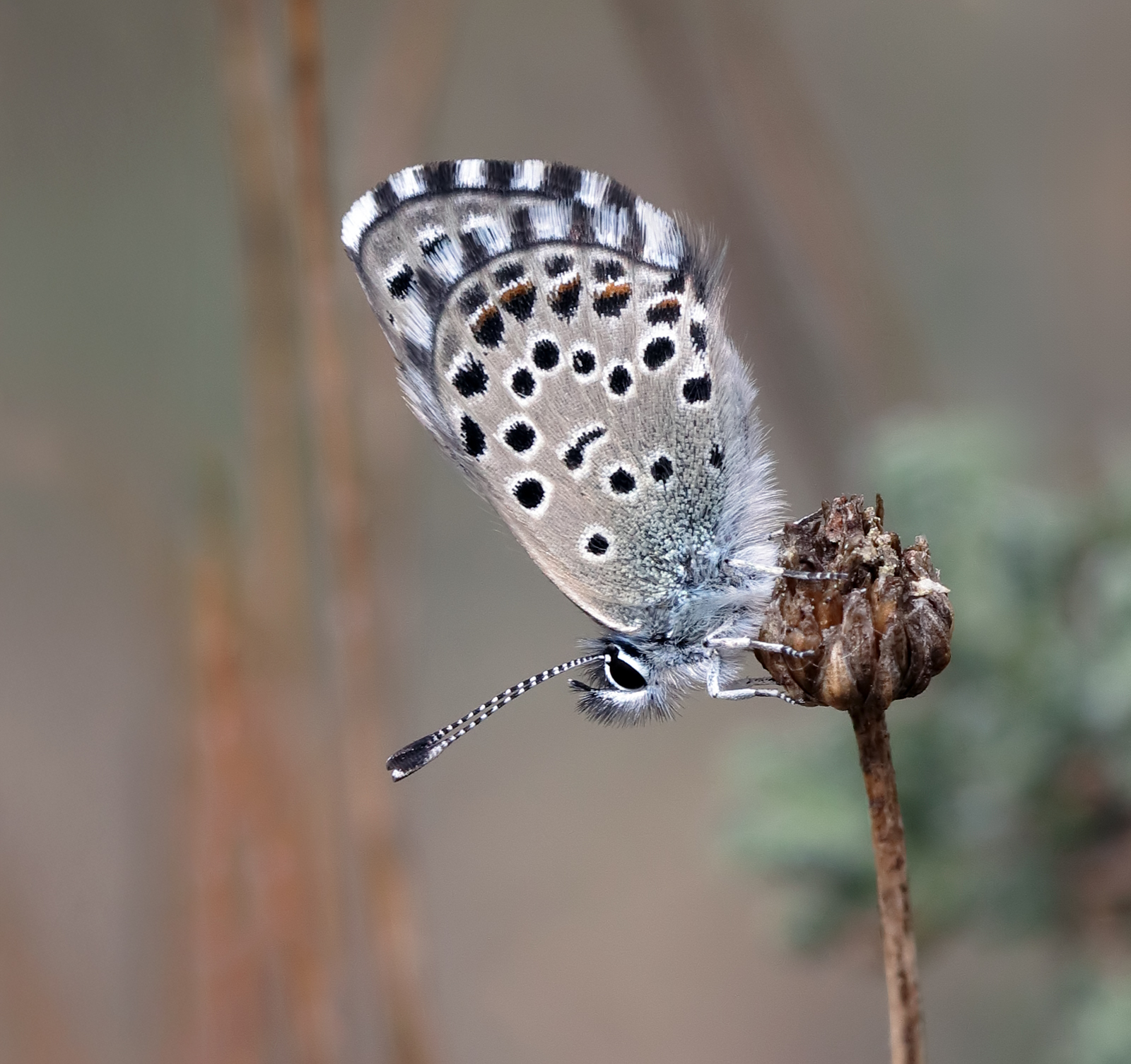
Butterfly highlights on this unique tour include special species including Spanish Swallowtail (Iphiclides feisthamelii), Apollo nevadensis (Parnassius apollo nevadensis), Sierra Nevada Blue (Polyommatus golgus), Mother-of-pearl Blue (Polyommatus nivescens), Southern Blue (Polyommatus celina), Lorquin’s Blue (Cupido lorquinii), Zullich’s blue (Agriades zullichi), Panoptes Blue (Pseudophilotes panoptes), Southern Brown Argus (Aricia cramera).
Tour Summary
This journey combines incredible biodiversity, spectacular landscapes, and rich cultural heritage, making it a must for naturalists, botanists, butterfly lovers, and those seeking authentic experiences in southern Spain.
READ FULL HOLIDAY DETAILS