


Dates & Prices |
BOOK NOW |
Dates: 13th – 19th March 2026 Confirmed departure
Price: £1,325 1 place
Single Room Supplement: £125
Deposit: £150 per person
Price Includes: All meals, accommodation, ground transport & transfers, services of guides & tour report
Not Included: Flights, travel insurance, entry to archaeological sites, drinks & any other personal items.
Conservation Donation: Botanical Society of Britain & Ireland (BSBI)
Leader: Sotiris Alexiou & Rachael Eele
Group Size & Travel: Minimum of 3 and a maximum of 6 guests plus 2 leaders
Grade: Gentle pace and generally easy walks in a variety of terrains
Holiday Highlights
- A unique & exclusive small-group tour to see a very nice range of spring bulbs in evocative & ancient landscapes of Greece
- Led by locals! Our knowledge of sites & Greek nature & culture & the ability to adapt to seasonal variation is second to none!
- Enjoy a rich diversity of bulbs – Fritillaries, Crocuses, Tulips, Irises, Romulea, Muscari, and more!
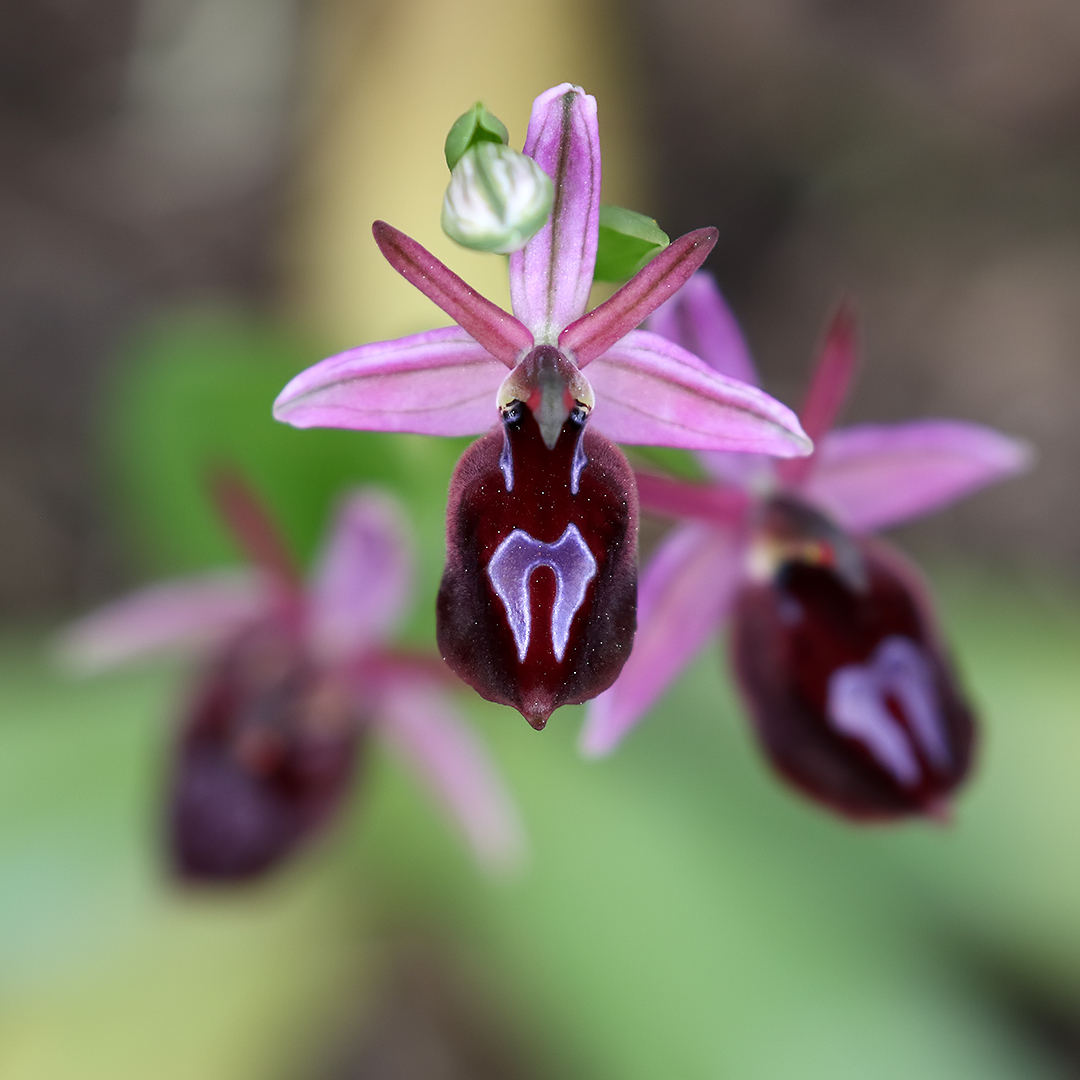
- Orchids of course too! Lots of Ophrys such as laureotica, cinereophila, mammosa, attica, aesculapii, leucadica, stavrii, mycenensis, ullyssea, hansreinchardii, speculum, iricolor, tenthredinifera & other surprises should occur!
- Plenty of other flora & fauna to observe & we always make a point of including things of interest regardless of the main tour focus
- Visit famous & fascinating cultural sites such as the theatre of Epidavros, Ancient Corinth & ancient Sparta
- Contribute to conservation with a donation to BSBI
Enjoy a rich range of spring bulbs in the wonderful landscape of the Peloponnese!
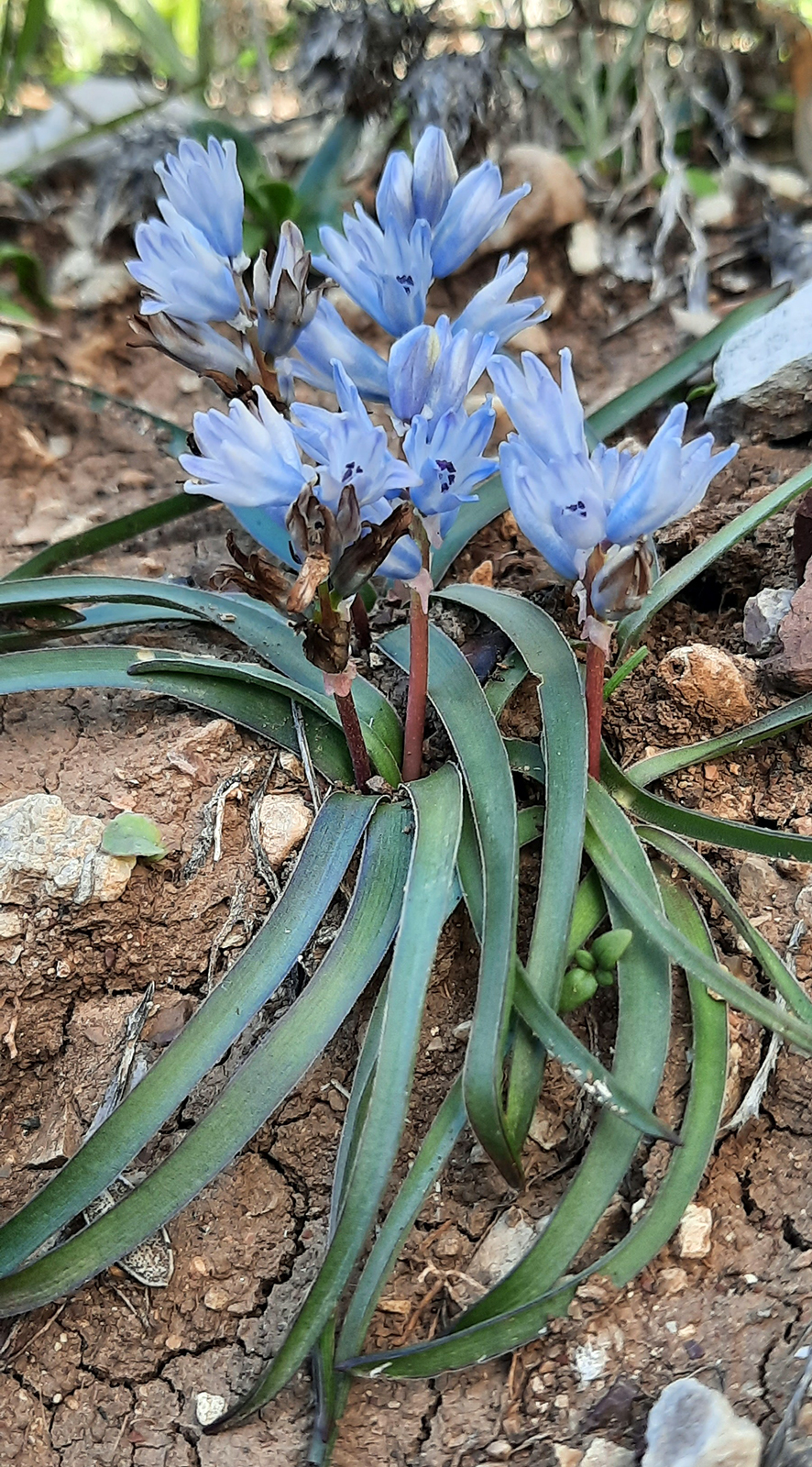
Our journey begins in the Argolis Peninsula, in the northeastern Peloponnese—rich in both history and mythology. This region, home to some of Greece’s most important archaeological sites, is closely tied to legendary figures of Ancient Greece. Here, we’ll see vibrant spring flora including Tulipa undulatifolia, Fritillaria graeca, Fritillaria rhodokanakis, Fritillaria spetsiotica, Crocus atticus, Iris unguicularis, and Romulea bulbocodium. A highlight will be a visit to the ancient theatre of Epidavros, where Himantoglossum robertianum, Ophrys attica, and Ophrys argolica bloom among the ruins. In the hills surrounding Athens, we’ll seek out the rare Fritillaria obliqua, alongside orchids such as Ophrys laureotica, Ophrys cinereophila, Ophrys mammosa, Ophrys attica, Ophrys aesculapii, Ophrys leucadica, Ophrys stavrii, Ophrys mycenensis, and Orchis pauciflora. We may also encounter Romulea linaresii graeca, Gagea graeca, Muscari pulchellum, and Iris tuberosum. Moving west to Mount Gerania and the Melangavi Peninsula, we’ll discover populations of Bellevalia hyacinthoides, Gagea rigida, Ornithogalum atticum, Moraea sisyrinchium, Romulea columnae, and Muscari pulchellum, along with orchids like Ophrys ullyssea, Ophrys speculum, Ophrys iricolor, Ophrys hansreinhardii, and Ophrys mammosa. In Ancient Sparta, we’ll search among the ruins for Tulipa goulimyi, Bellevalia dubia, and Fritillaria messanensis, along with orchids such as Ophrys ferrum-equinum, Ophrys argolica, Ophrys spruneri, Neotinea lactea, Orchis tridentata, and Orchis quadripunctata. We’ll then continue to the Mani Peninsula in search of the endemic Fritillaria davisii. Finally, we’ll cross to Messinia, a peaceful region in the southwestern Peloponnese. There we aim to find the striking Fritillaria conica, the localized Scilla messeniaca, and delicate Cyclamen peloponnesiacum. This area also hosts orchids such as Ophrys grammica, Ophrys iricolor, Ophrys tenthredinifera, and Ophrys mammosa. This is a brand new, unique, and exclusive two centre botanical tour. The focus will be on finding and photographing a fine range of spring flowering bulbs, including orchids, plus other plants. We will also enjoy the rest of the natural history found in beautiful landscapes, as well as soaking up the local culture. We shall also take in several historical areas on our travels and plant finding excursions, such as Epidavros, Ancient Corinth, and Ancient Sparta. We believe you won’t find a better option for a visit to the region. We are locals, being either Greek nationals or naturalised in this amazing country. Thus, we have knowledge of many locations for particular species, as well as the ability to adapt to any situation regarding seasonal variation, which is becoming a significant factor these days. We are also part of a wider network of local naturalists, who trust and willingly share their knowledge and up to date news with us about flora and fauna of the areas we visit. With our extensive experience & genuine passion, you will gain an equally extensive overall experience of Greek local traditions, culture, history and even gastronomy. Location information The Peloponnese is a peninsula that covers an area of some 21,000 square kilometres and constitutes the southernmost part of mainland Greece. It is connected to the mainland by the narrow Isthmus of Corinth. It is said to derive its name, Peloponnesus, or the island of Pelops, from the mythical King of the region. The area is also steeped in history; this is the land of Mycenae, Sparta and Olympia; the Greek war of independence started here in 1821. The Mycenaean civilization, mainland Greece’s first major civilization, dominated the Peloponnese in the Bronze Age from its stronghold at Mycenae in the north-east of the peninsula.The Peloponnese Peninsula
Loutraki
Ancient Corinth
Epidavros
Ancient Sparta


Day 1. Arrival at Athens airport and transfer to our first base in Loutraki. Depending on available time, we will investigate some local sites and visit Ancient Corinth.
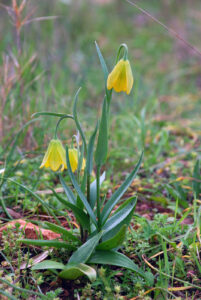
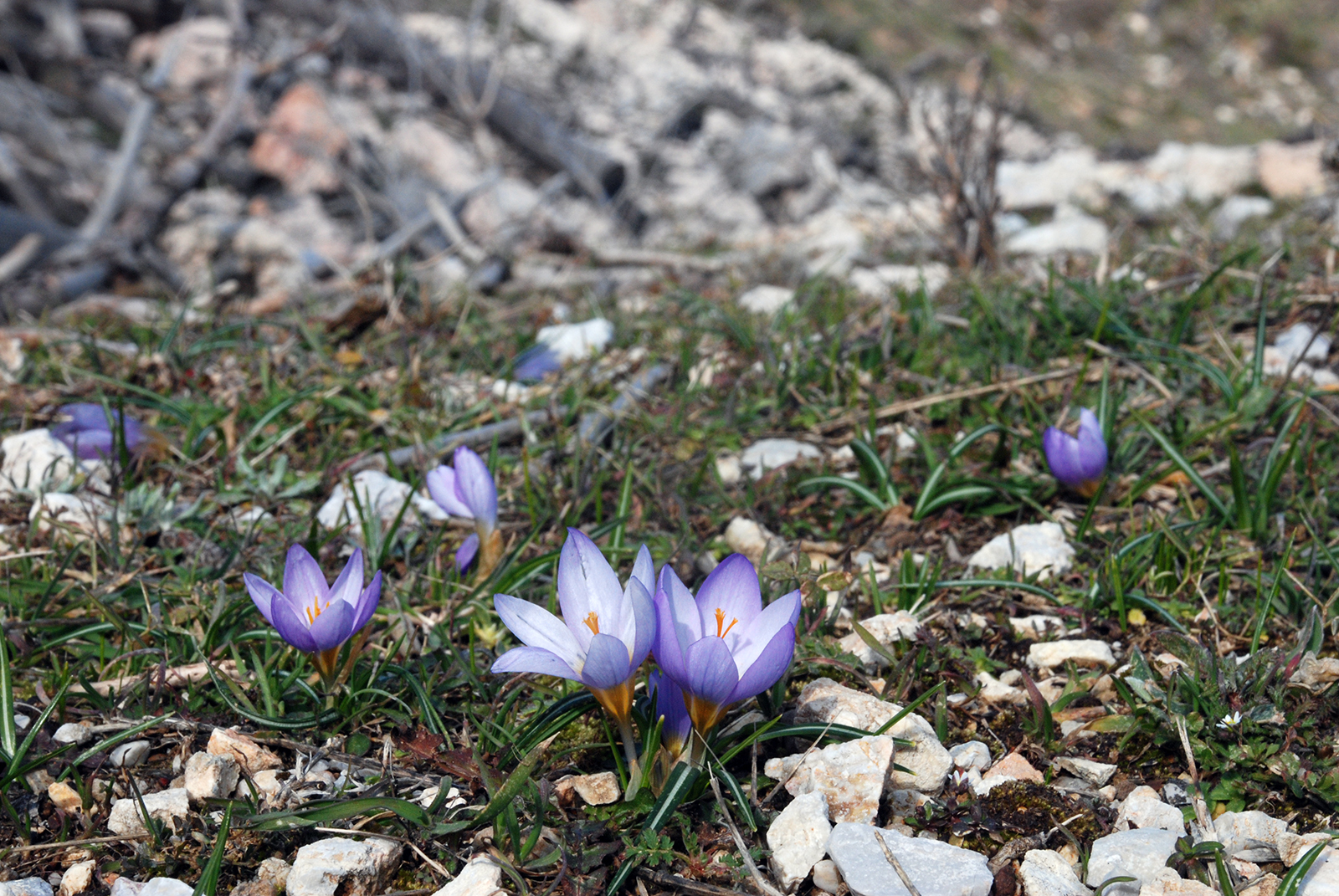
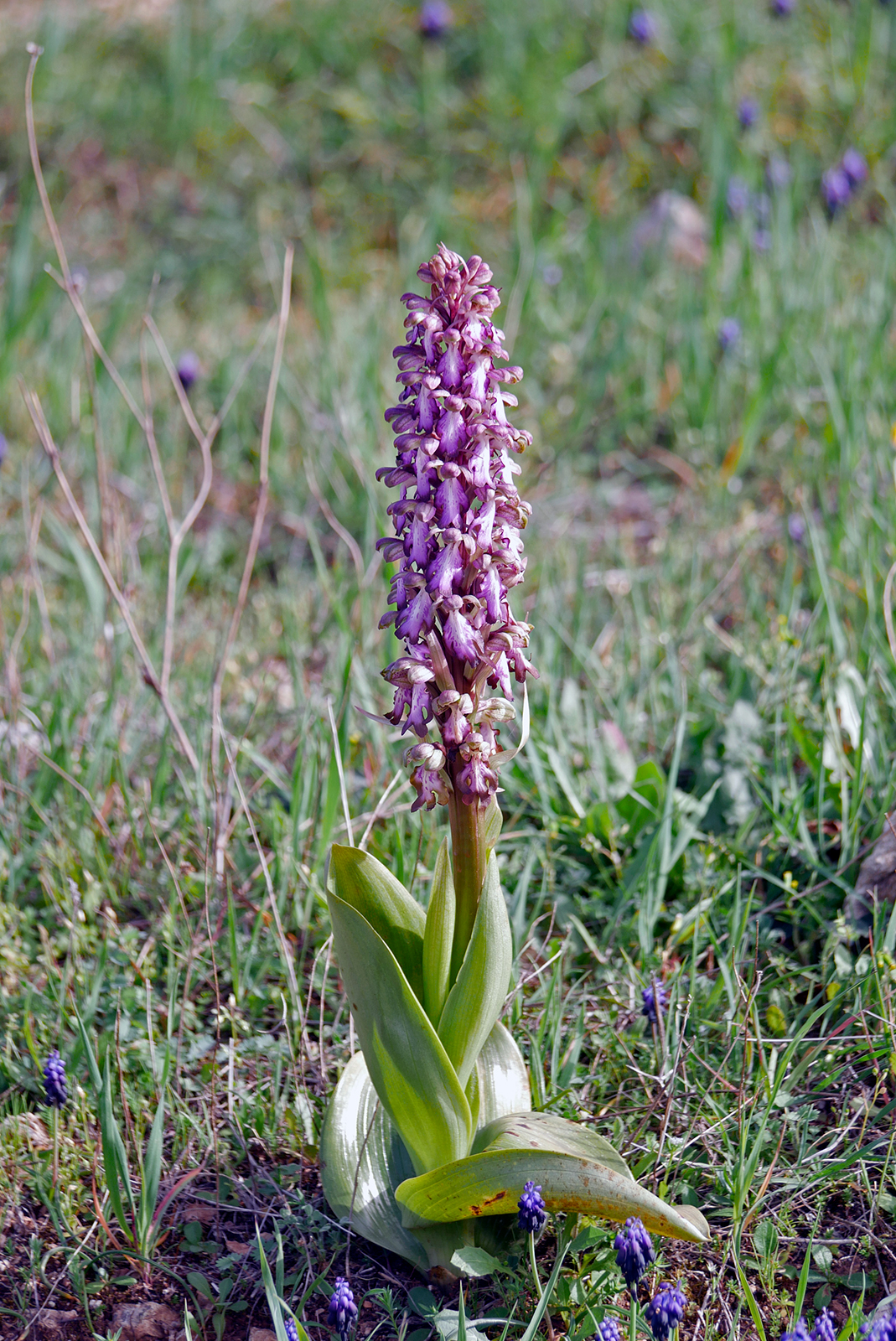
Day 2. We will visit Argolis to see fields of Tulipa undulatifolia, Fritillaria graeca, Fritillaria rhodokanakis, Fritillaria spetsiotica, Crocus atticus, Iris unguicularis and Romulea bulbocodium. We will also visit the famous ancient theatre of Epidavros, with many orchids to be seen around, like Giant Orchid, Ophrys attica, Ophrys argolica among others.
Day 3. Today we drive to visit some hills around the city of Athens. Our main target is the rare Fritillaria obliqua, side by side with orchids like Ophrys laureotica, Ophrys cinereophila, Ophrys mammosa, Ophrys attica, Ophrys aesculapii, Ophrys leucadica, Ophrys stavrii, Ophrys mycenensis, Orchis pauciflora, etc. Romulea linaresii graeca, Gagea graeca, Muscari pulchellum, and Iris tuberosum will also be seen.
Day 4. We will explore Mt. Gerania today, as well as the Melangavi peninsula, with the temple of Heraion, the lighthouse and lake Vouliagmeni standing out as features. We will see plenty of Bellevalia hyacinthoides, Gagea rigida, Ornithogalum atticum, Moraea sisyrinchium, Romulea columnae, and Muscari pulchellum. Orchids like Ophrys ullyssea, Ophrys speculum, Ophrys iricolor, Ophrys hansreinchardii and Ophrys mammosa are all here too.
Day 5. We transfer to Sparti. Among the ruins of Ancient Sparta, we will search for Tulipa goulimyi, Bellevalia dubia, Fritillaria messanensis and orchids like Ophrys ferrum-equinum, Ophrys argolica, Ophrys spruneri, Neotinea lactea, Orchis tridentata and Orchis quadripunctata. We will also go to the Mani peninsula to find Fritillaria davisii.
Day 6. Today we will cross Mt. Taigetos and reach Messinia. We will search for the all yellow Fritillaria conica, the localized Scilla messeniaca and Cyclamen peloponnesiacum. Orchids like Ophrys grammica, Ophrys iricolor, Ophrys tenthredinifera and Ophrys mammosa are to be seen here too.
Day 7. Transfer day back to Athens airport for departures.










 Sotiris Alexiou is a Greek biologist with decades of field experience, predominantly the flora of Greece, but also the study of butterflies, reptiles and other fauna. Sotiris is passionate about promoting and protecting the rich diversity of wildlife in his home country, hence he started up his own publishing company ‘Wild Greece Editions‘. He is the author of the book ‘100 endemic plants of Greece’ and the editor of the open-accessed journal ‘Parnassiana Archives’, where various scientific papers are published, e.g. ‘The genus Colchicum L. (Colchicaceae) in Greece’.
Sotiris’s love for flowers has led him to explore many parts of Greece, from the islands such as Crete and Rhodes, the floristically rich southern Peloponnese, to the higher ground there, such as Mt.Chelmos. His intimate knowledge of Greek flora make him an indispensable guide for our holidays in his beautiful home country!
Rachael has a BSc in Environmental Science from Aberystwyth University and is now living permanently in Greece and running the Korinthian Museum of Natural History. Rachael is a keen naturalist and has been interested in birds, botany and butterflies since a young age. Rachael has travelled extensively around the world over the past 25 years as a client with many travel companies and has good knowledge on what makes a great customer experience. She is now running nature trips in Greece with her husband Sotiris. Together they form a great team to look after you and to show and share the natural and cultural treasures of Greece!
To follow