




Dates & Prices |
BOOK NOW |
 Dates: 11th – 15th October 2027
Price: £TBA Places available
Single Room Supplement: £TBA
Deposit: £150 per person
Price Includes: Accommodation, all meals, ground transport, services of guides & holiday report
Not Included: International travel, travel insurance, entry fees, drinks & other personal items
Conservation Donation: Butterfly Conservation Europe
Leader(s): Lajos Nemeth
Group Size: Minimum 4 & maximum 7 guests + 1 leader
Grade: Generally easy walking at a gentle pace
Holiday Highlights
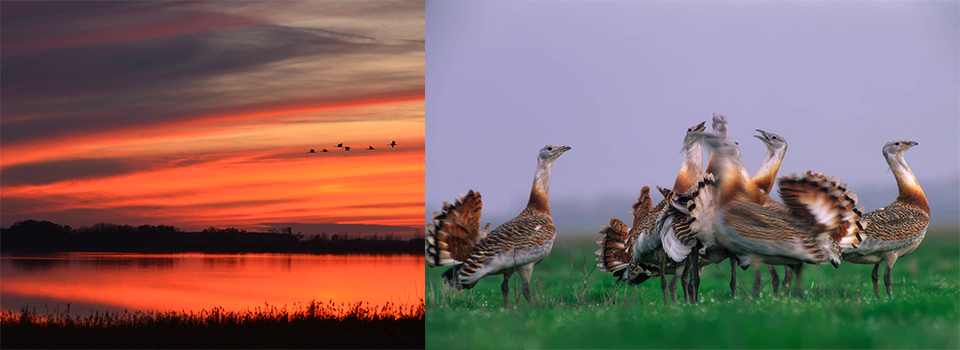
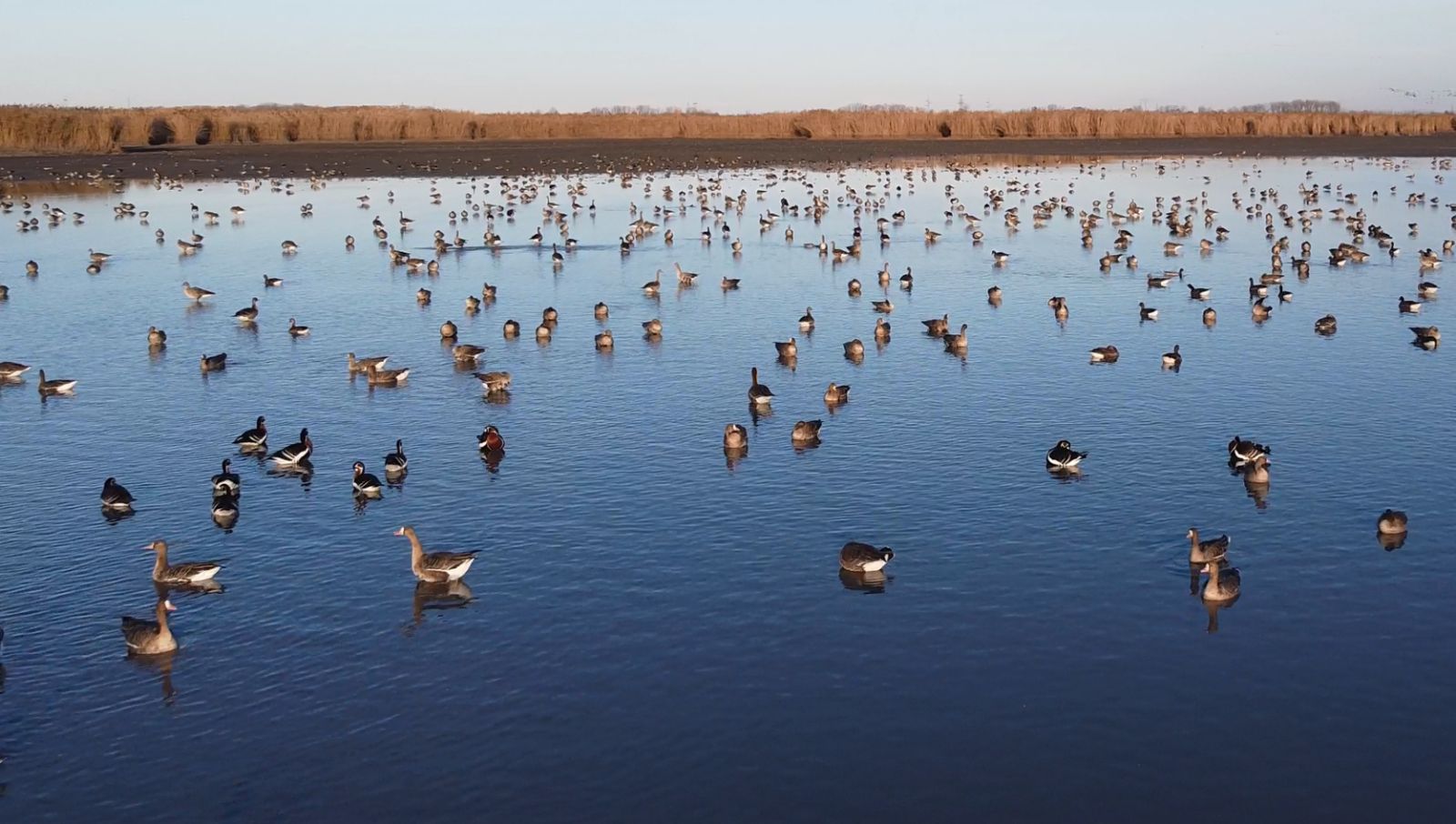
- Witness one of Europe’s great autumn wildlife spectacles, as thousands of Common Cranes gather on the plains of Hortobágy.
- Look for Great Bustards in their Kiskunság stronghold, with a local warden helping us explore the best areas.
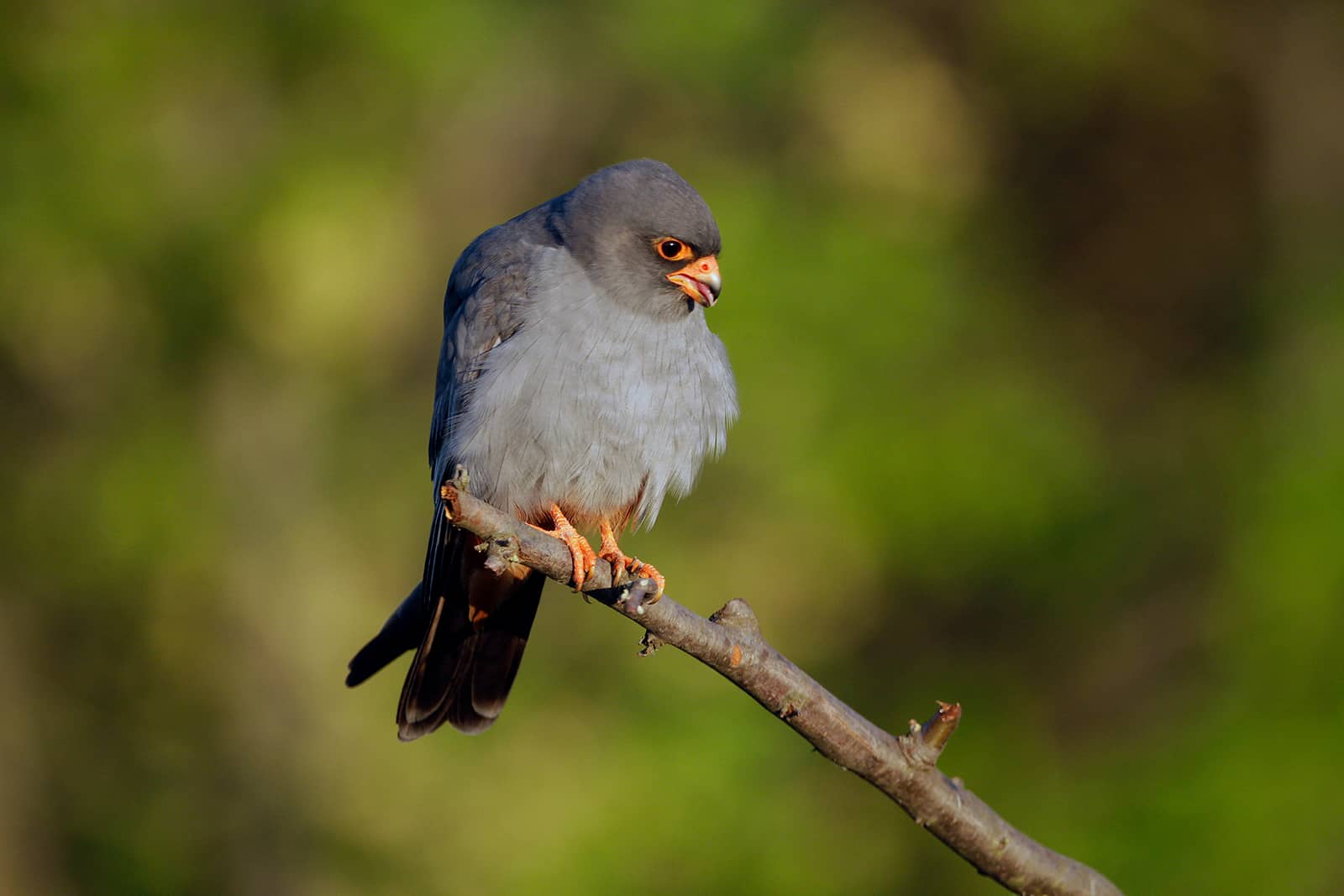
- Enjoy a rich variety of other birds, including Eastern Imperial Eagle, Saker Falcon, roosting Long-eared Owls and several species of woodpecker.
- Explore two contrasting national parks, from sandy woodland and alkaline lakes to the immense open landscapes of the Hungarian Puszta.
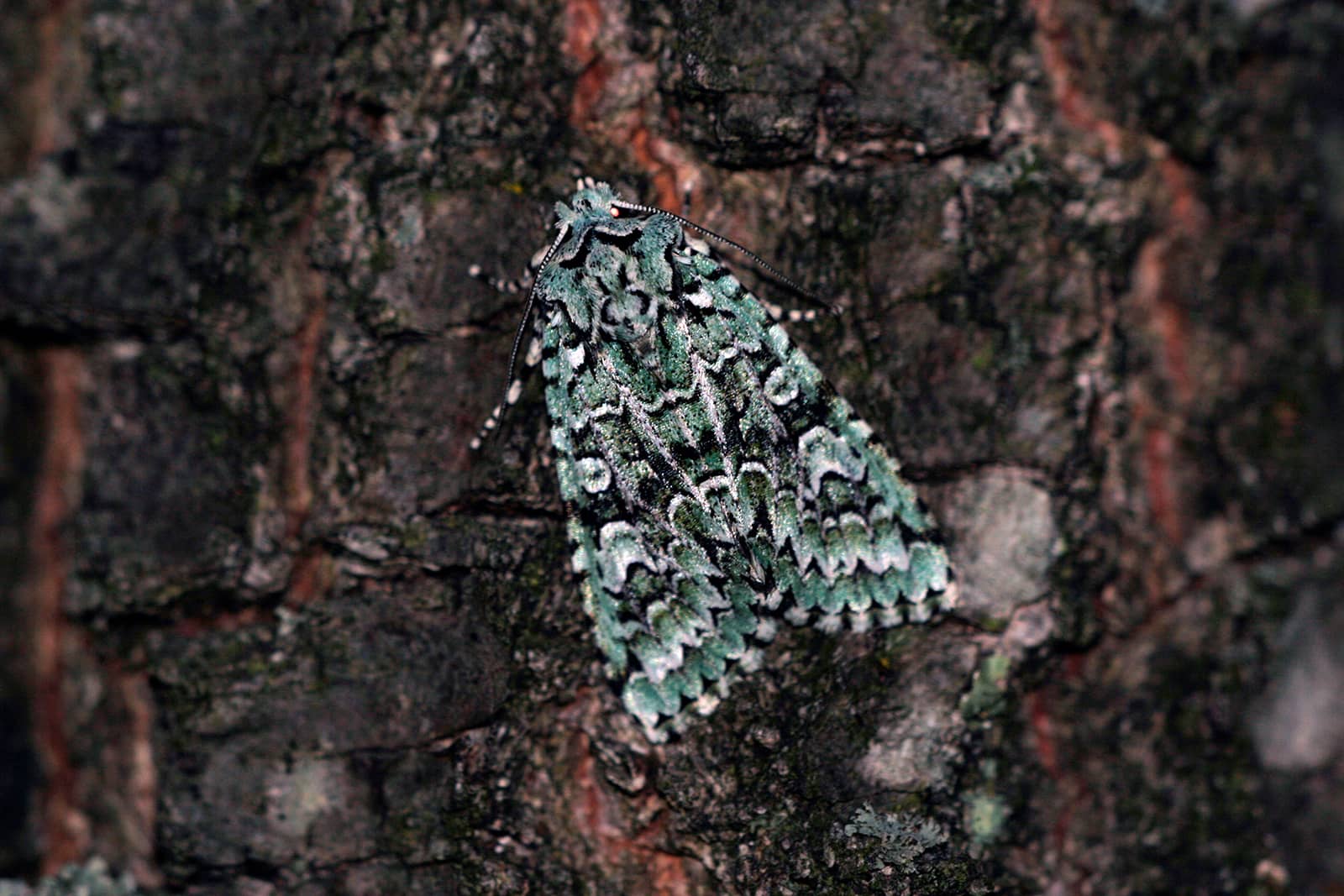
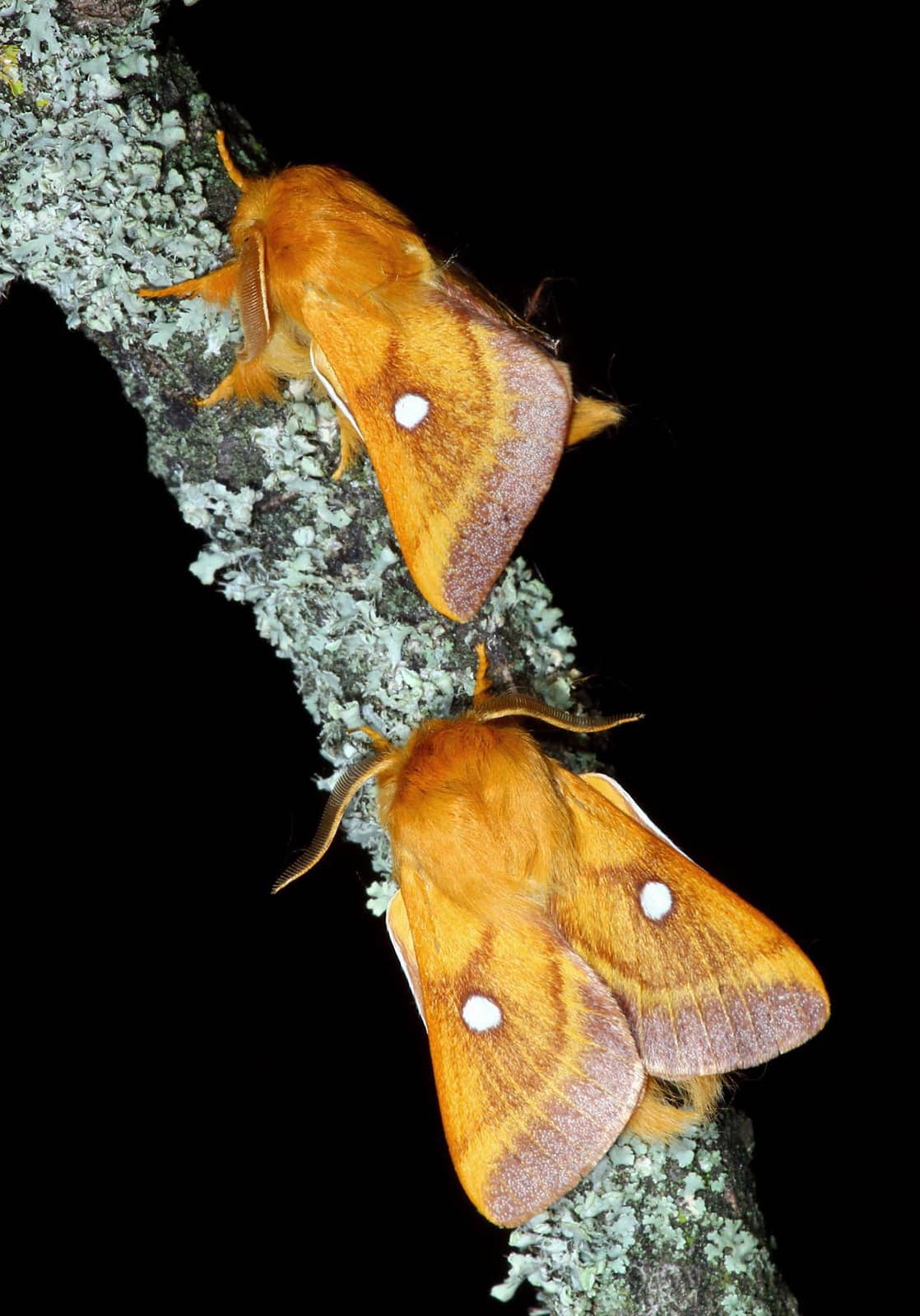
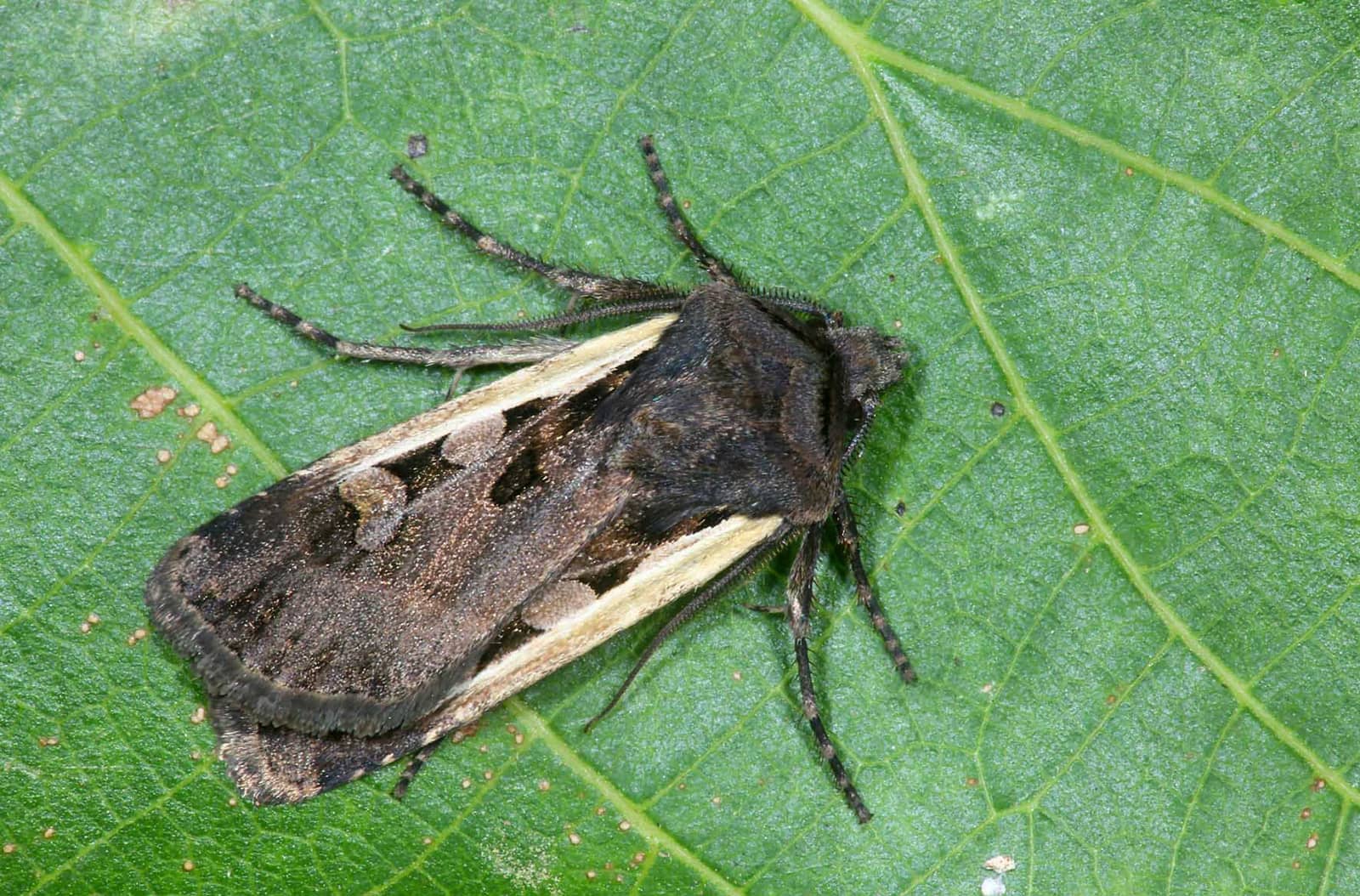
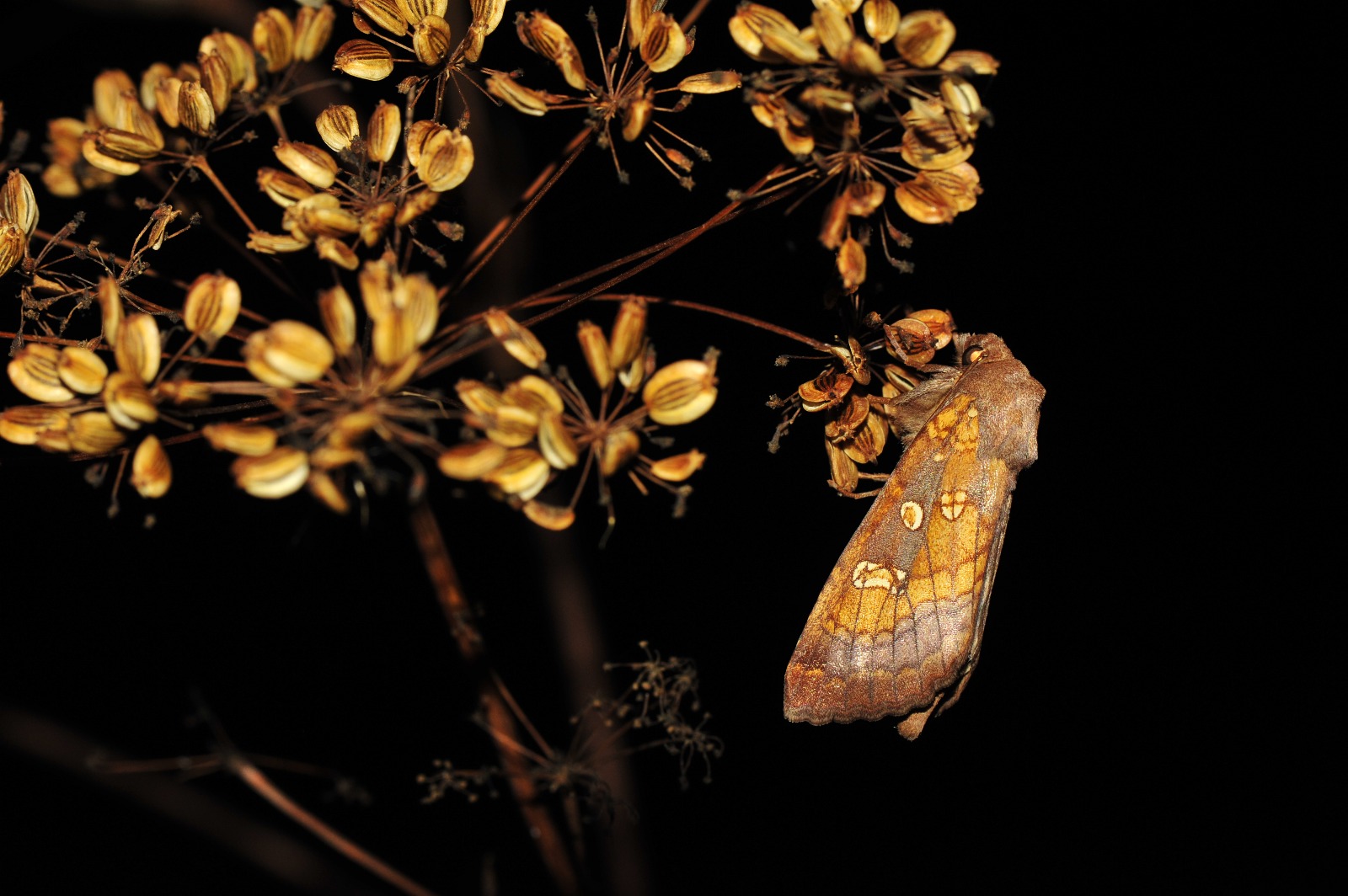
- Discover autumn moths, potentially including the beautiful Malachite Moth, with evening sessions arranged around suitable weather.
- Visit the historic Peszér Forest, following in the footsteps of early naturalists and learning about its restoration.
- Learn about conservation work for the Hungarian meadow viper and Hungary’s traditional domestic animal breeds, with a possible visit to the freshwater aquariums at Poroszló.
- Travel with local naturalist Lajos Nemeth, whose wildlife knowledge and enthusiasm for Hungarian history bring the landscapes to life.
- Enjoy a genuinely small group, with a maximum of seven guests and time to watch, photograph and appreciate wildlife.
[/wptab]
Experience Hungary’s spectacular autumn Crane migration, with Great Bustards, owls, woodpeckers and opportunities to discover autumn moths in Kiskunság and Hortobágy National Parks. Join us for a short autumn wildlife holiday exploring two of Hungary’s finest national parks. Led by our enthusiastic local expert Lajos Nemeth, this relaxed tour combines the extraordinary spectacle of migrating Cranes with Great Bustards, birds of prey, owls, woodpeckers and the wider wildlife of the Hungarian plains. At the heart of our holiday is Hortobágy, where vast numbers of Common Cranes gather during their autumn migration. Watching flock after flock cross the open sky, their trumpeting calls carrying across the landscape, is an unforgettable experience. We will visit their roosting areas at dawn and towards sunset, enjoying both the birds’ movements and the changing light over the Puszta. Our journey begins in Kiskunság National Park, a varied landscape of grassland, alkaline lakes, sandy dunes and woodland. Here we will search for Great Bustards with help from a local warden, explore woodland for woodpeckers and watch for migrating birds around the wetlands. Eastern Imperial Eagle, Saker Falcon and roosting Long-eared Owls are among the other birds we hope to enjoy during the holiday. There will also be opportunities to discover Hungary’s autumn moths. Weather permitting, we will arrange evening moth watching in suitable habitats, including the historic Peszér Forest. Possible species include Malachite Moth Staurophora celsia, Merveille du Jour Dichonia aprilina and Clifden Nonpareil Catocala fraxini, alongside other autumn species. Fisher’s Estuarine Moth may also be possible, although it is not a principal target of the tour. Moth activity varies considerably with temperature and weather, so we will adapt these sessions to the conditions. By day, we will keep an eye out for late-season butterflies, including Eastern Pale Clouded Yellow, and take time to learn about the conservation of the landscapes we explore. Visits to specialist centres will introduce us to work protecting the Hungarian meadow viper and preserving traditional Hungarian livestock breeds. If flight times permit, we will also discover the freshwater wildlife of the region at the Poroszló Ecocentre. With a maximum of seven guests, there is plenty of time to look closely, ask questions and take photographs. Lajos will also share his knowledge of Hungarian history and culture along the way, while hearty local food adds to the enjoyment of our stay.


Days 1–2: Kiskunság National Park
Our holiday begins with a transfer from Budapest Airport to Kiskunság National Park, approximately an hour’s drive away. This varied part of the Hungarian Great Plain brings together open grasslands, alkaline lakes, sand dunes, dry woodland, villages and farmland.
Great Bustards are a particular focus here. A local warden will join us to help locate these impressive birds as we scan the plains and farmland. Other possibilities include Grey Partridge, Stone-curlew, Curlew, Eastern Imperial Eagle and migrating harriers, while the shallow lakes can attract a variety of waders and other waterbirds.
We will also explore woodland for Syrian, Great Spotted, Middle Spotted, Lesser Spotted, Green and Black Woodpeckers. Long-tailed Tits and Short-toed Treecreepers are among the smaller birds we may encounter.
A visit to Peszér Forest introduces us to a landscape with a fascinating place in European natural history. The area attracted generations of entomologists, including Margaret Fountaine and Charles Rothschild, and became particularly well known for its isolated population of Esper’s Marbled White, which has since disappeared.
Today, the forest offers an opportunity to consider both this natural history and the work being done to restore its habitats. We will learn about the OAKEYLIFE forest restoration project and explore the mosaic of old oaks, woodland clearings and sandy ground.
If conditions are suitable, we will return for evening moth watching, hoping to find Malachite Moth and other autumn species. During our daytime explorations, we will also watch for butterflies such as Eastern Pale Clouded Yellow.
Our time in Kiskunság includes a visit to a specialist breeding and conservation centre for the endangered Hungarian Meadow Viper (Vipera ursinii rakosiensis), where we will learn about efforts to safeguard this distinctive snake and its grassland habitat.
Two nights in the Kiskunság area.
Days 3–4: Hortobágy National Park
We travel onwards to Hortobágy, Hungary’s first national park and the heart of the celebrated Puszta. Here, immense horizons, grazing livestock, wetlands and open grasslands create a landscape quite different from the woodland and sandy habitats of Kiskunság.
This is a living cultural landscape, where traditional grazing and wildlife conservation are closely connected. Hungarian Grey Cattle and spiral-horned Racka Sheep are characteristic sights, while the surrounding plains and wetlands support an abundance of birds.
The Crane migration will be the centrepiece of our stay. Early-morning outings will allow us to watch thousands of birds leave their overnight roosts and head towards their feeding grounds. Later in the day, we will enjoy their return, with long lines of Cranes crossing the evening sky and their calls filling the air.
Between these outings, we will explore for other wildlife. Eastern Imperial Eagles, Saker Falcons, Pygmy Cormorants and Bearded Tits are among the birds we will look for, together with gatherings of Long-eared Owls at their daytime roosts. Migrating geese and waterbirds add further interest, with the possibility of something less expected among them.
Weather permitting, we will also arrange moth watching close to our accommodation, where nearby alkaline grasslands, shrubs and trees offer opportunities to encounter further autumn species.
Two nights in the Hortobágy area.
Day 5: A Final Morning on the Plains and Departure
Our final morning offers another opportunity to enjoy the Cranes before we begin our journey back to Budapest Airport.
We will also visit Hortobágy’s famous Nine-Arch Bridge and a centre dedicated to preserving traditional Hungarian domestic animal breeds. Here we can learn more about these distinctive animals and their place in the history and management of the Puszta.
If our departure schedule allows, we will stop at the Poroszló Ecocentre beside Lake Tisza. Its large freshwater aquariums offer a fascinating view of the fish and other aquatic life usually hidden beneath the waters of the Carpathian Basin.
We then continue to Budapest Airport for our afternoon departure flights.
The order of visits may vary with weather, wildlife activity and local arrangements. The Poroszló Ecocentre visit is subject to flight times.











 Lajos Nemeth is a freelance zoologist from Hungary. He has been designing and leading tours for 25 years and has led more than 100 to date. Lajos started as a naturalist by becoming a birder at the tender age of 7. He quickly expanded his interests to butterflies by the time he was 11. His interest and knowledge grew rapidly, and he published his first scientific paper on butterfly conservation before grammar school.
As an adult he has been a member of at least 15 entomological expeditions, in Turkey, the Himalayas, Taiwan, and North Africa. These have resulted in more than 200 species new to science (Noctuidae mainly).
Lajos was also an early contributor for the “Prime Butterfly Areas” and the “Mapping European Butterflies” projects. He also spent years on fly and dragonfly-research, and as a keen birder still holds the record of species on one tour in Eastern Europe (254 species).
He has organized several of the European Butterfly Group – Butterfly Conservation (EBG-BC) fundraising tours to Eastern-Europe, and further afield, to places such as Uganda and Madagascar.
In addition to exploring his own country, Lajos has carried out fieldwork in Slovenia, Croatia and Romania. He loves to go back to his favourite spots very often, but has also travelled to some very remote spots, including Tibet, Sudan, Libya, southern Algeria, Chad, Djibouti, Comoro Islands, Yemen (incl. Socotra) and more. He also feels home in Egypt and Ethiopia, where he spends his winters and guiding photography, deep desert, scuba diving, and birding-safaris.
To follow later
Ron W, 2026
Lajos was a first class leader and his knowledge extensive especially on the Moths that we saw. Bird sightings were first class as were the hotels used. Would thoroughly recommend this trip.